
by Yamila Gagliano | Feb 27, 2026 | News Feed
Why 100% Commission Can Change the Way You Run Your Business
Texas real estate has always rewarded agents who treat their work like a business—especially in a market where deal volume can rise and fall with seasonality, interest rates, and local job growth. From spring listing surges in Dallas-Fort Worth and Austin to summer relocation waves in Houston and San Antonio, the agents who stay consistent are the ones who manage cash flow, reinvest in marketing, and build repeatable systems.
That’s why the conversation around 100% commission real estate models is heating up. When you keep more of each commission check, you’re not just increasing take-home pay—you’re changing your real estate agent income model, your ability to invest, and the level of control you have over your brand. For many producers, joining a 100% commission brokerage is less about a “better split” and more about stepping fully into real estate agent entrepreneurship.
How does a 100% commission real estate model work in Texas?
A 100% commission brokerage typically allows agents to retain 100% of the gross commission income (GCI) on their transactions, while the brokerage earns revenue through a monthly fee, a per-transaction fee, or a combination of both. In Texas, this is often paired with compliance oversight, transaction coordination options, and required errors & omissions (E&O) coverage structures that vary by broker.
It’s important to clarify what “100%” means in real life. In most cases, you keep 100% of the commission after the agreed brokerage fees. That makes it similar to a flat fee brokerage for agents model: predictable costs, higher marginal earnings per deal, and more visibility into profitability.
This approach is gaining attention among agents who see themselves as business owners—especially in high-cost, high-opportunity Texas metros where marketing and lead generation budgets matter. If you’re paying for photography, staging consults, social ads, CRM subscriptions, and client events, your real estate agent commission structure directly impacts what you can sustainably invest each month.
Why timing matters: Texas seasonality and cash flow
Texas markets often move in bursts. Spring can be intense, late summer can be relocation-heavy, and the winter lull can feel very real—especially for newer agents. A structure that improves cash flow during peak months can help you carry consistent marketing through slower seasons without having to “start over” each quarter.
Commission split vs 100 percent: what changes financially?
The simplest way to understand commission split vs 100 percent is to look at what happens to your GCI over time. In a traditional model, you might pay a real estate commission split (for example, 70/30, 80/20, or a tiered system) until you hit a cap. In a 100% structure, you typically pay fixed fees, then keep the rest.
Neither model is automatically “better.” What matters is your production level, your average price point, and what you’re actually receiving in return (leads, admin support, office space, brand power, training, etc.). Still, many agents are surprised by how quickly splits add up—especially once they’re consistently closing transactions.
- Traditional split model: Brokerage earnings scale up as your production grows, unless capped.
- 100% commission brokerage: Your profitability typically scales faster as volume increases, because fees are more fixed and predictable.
- Hybrid/cap model: Often a middle ground, but may include fees even after the cap.
Practical scenario: a Texas agent with steady production
Let’s use a realistic example for a major Texas metro. Assume an agent closes 24 transactions a year with an average gross commission of $10,000 per transaction (that’s $240,000 GCI annually). Compare two simplified structures:
- 80/20 split (no cap for simplicity): Agent keeps 80% = $192,000; brokerage retains $48,000.
- 100% model with fees: $500/month ($6,000/year) + $495/transaction ($11,880/year) = $17,880 total fees; agent keeps $240,000 – $17,880 = $222,120.
In this example, the 100% structure yields about $30,120 more in annual income before your own business expenses. That difference can fund a serious growth plan: better listing media, more consistent online ads, a stronger CRM, and part-time admin help.
Now consider the long-term effect. If you reinvest even half of that margin into lead generation and client experience, you’re not just earning more—you’re compounding growth.
Where high commission real estate brokerage models can shine
A high commission real estate brokerage structure (including 100% options) tends to work best when:
- You have consistent deal flow or a clear plan to build it.
- You’re already paying for your own marketing and tools.
- You want tighter control over branding, systems, and budget decisions.
- You value predictable expenses over variable split-based costs.
Why 100% commission brokerage models can improve agent profitability and cash flow
At its core, the appeal of benefits of 100% commission brokerage options is straightforward: higher retained income per closing can improve real estate agent profitability. But profitability isn’t just about making more—it’s about running a stable business that can weather market shifts and expand when opportunity shows up.
In Texas, “market shifts” aren’t theoretical. When rates move, affordability changes quickly across suburbs like Katy, Round Rock, Frisco, and New Braunfels. A stronger margin helps you keep your marketing consistent when other agents pull back, which can create an advantage when buyers and sellers re-enter the market.
Cash flow also becomes easier to manage. With a fixed-fee model, you generally know your baseline operating costs. In a split model, your “brokerage cost” rises every time you produce more—right when you might want to reinvest most aggressively.
From transaction income to business income
A key mindset shift in the independent real estate agent model is treating each closing like revenue that should be allocated. When you keep more of your GCI, it becomes easier to run your business with intention—pay yourself, fund taxes, invest in growth, and build reserves.
- Owner pay: More consistent, less dependent on the next closing.
- Tax planning: Easier to set aside a reliable percentage each month.
- Reserves: A cushion for slower seasons or unexpected expenses.
- Growth budget: Marketing and systems stop being “optional.”
This is where real estate agent financial growth becomes measurable. When you can reliably reinvest, you can plan quarters ahead instead of operating deal-to-deal.
How higher margins support real estate business growth strategies
The best argument for a 100% commission model isn’t “you get paid more.” It’s that higher margins give you options—and options are what create scalability. If your goal is to move from being a solo agent to building a resilient, referral-driven business (or a small team), your commission structure can either accelerate that path or slow it down.
Here are practical ways agents use increased margins to implement real estate business growth strategies in Texas markets.
Branding that fits your market (and your price point)
Texas is not one monolithic market. Branding that works in The Woodlands may not fit East Austin. What works in Plano may not resonate in Fort Worth’s historic neighborhoods. Higher retained income makes it easier to build a brand that matches your niche, including:
- Professional photography and video on every listing
- Neighborhood-specific content and guides
- Consistent signage, print pieces, and open house materials
Lead generation you can sustain through the slow season
Many agents start and stop ads based on closings, which creates an income roller coaster. With a better margin, you can commit to a consistent spend—especially helpful during slower winter months when competition for attention can actually be cheaper. Whether you focus on Google search, social ads, or local sponsorships, consistency tends to beat intensity.
Technology and systems that reduce chaos
The hidden cost for many agents isn’t money—it’s time lost to repetitive tasks. A stronger real estate agent income model can support systems like:
- A CRM with automation for follow-up and long-term nurture
- Transaction management tools that reduce missed deadlines
- Digital listing presentation and buyer consultation workflows
These aren’t “nice-to-haves” when you’re trying to scale. They’re the operational foundation of the independent real estate agent model.
Support roles that unlock more production
In Texas, where many clients expect quick responses and weekend availability, support is leverage. With more margin, an agent can hire a part-time admin, a transaction coordinator, or a showing assistant sooner—often the difference between capping out at 20 closings and stepping into 35+.
That’s the long game of real estate agent entrepreneurship: using profit to buy back time, then using time to create more profit.
What to evaluate beyond the split: support, compliance, tools, and fees
Choosing among brokerage models for real estate agents is not just a math problem. A 100% commission plan can be excellent, but only if the brokerage provides the right guardrails and value for your stage of business—especially in Texas, where contracts, disclosures, and timelines must be handled correctly to protect the client and the agent.
Before switching, evaluate the full business package: what you’re paying, what you’re receiving, and what you’ll need to replace on your own.
Key questions to ask a 100% commission brokerage
- What fees apply? Monthly fees, per-transaction fees, tech fees, E&O, admin fees, and any “hidden” charges.
- What compliance support is included? Broker access, contract review, required training, and guidance on Texas-specific forms and timelines.
- What tools are provided? CRM, transaction management, templates, marketing assets, and listing support.
- What is the culture and accountability? Coaching, mastermind groups, and performance expectations can matter more than people think.
- What happens when something goes wrong? Disputes, missed deadlines, inspection issues, repair negotiations—how responsive is the broker?
Also consider what type of agent you are today. Newer agents may benefit from hands-on training and mentorship more than a higher split. Established agents with a defined niche and repeatable lead sources often benefit more from keeping margins and controlling the business.
Common red flags and green flags
Red flags can include unclear fee schedules, limited broker availability, weak compliance processes, or pressure to use certain vendors. Green flags include transparent pricing, strong transaction oversight, clear expectations, and optional (not mandatory) add-ons that match your growth stage.
The goal is to find alignment: a model that supports your production without taking a disproportionate share of your upside.
Is a 100% commission real estate model right for your long-term goals?
For many Texas agents, switching to a 100% commission brokerage is a turning point because it reinforces one idea: you are running a business. When you keep more of what you earn, you start thinking differently about hiring, marketing, systems, and the client experience. You stop waiting for the brokerage to “provide” growth and begin building it.
That said, a smart decision considers the full picture—real estate commission split, fees, support, compliance, and tools. A traditional split can be a great fit when mentorship, leads, or infrastructure are truly moving your business forward. A 100% model can be a powerful fit when you want control, predictability, and higher margins to fuel your next stage.
If you’re comparing commission split vs 100 percent, run the numbers based on your last 12 months of production, then look ahead. Ask yourself: does my current real estate agent commission structure help me reinvest, scale, and build a durable brand in my Texas market? If the answer is no, it may be time to explore a model designed for real estate agent profitability, autonomy, and long-term growth.
by Juston Martinez | Feb 20, 2026 | News Feed
Why 2026 Might Be the First Balanced Housing Market in Texas in a Decade
After years of extreme swings—first a seller-dominated boom, then a sharp cooldown—Texas Real Estate is starting to look more “normal” again. The reason is simple and measurable: housing inventory in many Texas metros has been rebuilding, giving buyers more choices and forcing sellers to price more realistically. If these housing inventory trends hold, 2026 could be the first time in about a decade that much of Texas resembles a balanced housing market, where neither side has all the leverage.
A “balanced market” usually means supply and demand are closer to even—often reflected in months of inventory rising toward levels that support steady price growth, typical negotiations, and more consistent days on market. Texas may not move in a straight line (it never does), but the state’s recent inventory patterns, affordability pressures, and steadier job-and-population growth point toward a calmer middle ground heading into 2026.
Importantly, “balanced” won’t mean the same thing everywhere. Dallas-Fort Worth, Austin, San Antonio, Houston, and many smaller markets have different new-construction pipelines, migration dynamics, and price points. But statewide, the direction of travel in housing inventory trends is the story to watch—and it could reshape strategies for buyers, sellers, and investors.
What does a “balanced housing market” mean in Texas, and why could 2026 be the turning point?
In Texas Real Estate, the last decade has been defined by undersupply meeting strong demand: job growth, inbound migration, and household formation collided with a long period of underbuilding after the Great Recession. That imbalance pushed prices up quickly and left buyers competing for limited listings, especially from 2020 through 2022.
A balanced market is typically described as one where homes sell at a steady pace, price changes are modest, and negotiations feel normal again. You’ll still see well-priced homes move quickly in desirable areas—think Plano ISD in North DFW, parts of Katy and The Woodlands near Houston, or Northwest Austin pockets near major employers—but the “weekend bidding war” environment becomes less common.
Why 2026? Because the ingredients for balance are increasingly visible:
- More active listings: As resale sellers re-enter the market and builders deliver more spec homes, buyers gain options.
- Slower demand at today’s payment levels: Higher mortgage rates and higher prices changed what many households can comfortably afford.
- New construction staying relevant: Texas has been one of the nation’s leaders in building permits and completions, which helps replenish supply over time.
These forces don’t guarantee a perfect equilibrium, but they do support the idea that housing inventory trends are normalizing. That’s the foundation of a balanced market.
Evidence to watch: In 2023 and 2024, multiple Texas metros saw months of inventory rise from the ultra-low levels of 2021–2022, signaling a shift away from the tightest seller’s market conditions. This is consistent with reporting from the Texas Real Estate Research Center at Texas A&M University and national brokerage research tracking Texas inventory conditions. [Citations: Texas Real Estate Research Center, Texas Housing Insight reports, 2023–2025; National Association of Realtors market indicators, 2023–2025]
What’s happening with housing inventory in Texas right now?
Housing inventory is the number of homes available for sale at a given time. In plain terms: it’s your selection. When selection is thin, buyers compete. When selection expands, buyers negotiate and sellers compete on price and condition.
Across Texas, inventory conditions have been rebuilding compared with the peak frenzy years. But it’s uneven: Austin and parts of Central Texas generally loosened faster, while some Dallas-Fort Worth and Houston submarkets remained tighter for longer due to steady job growth and continued in-migration.
New construction is playing a bigger role than many buyers realize
Texas has a structural advantage: it can build at scale. Land availability at metro edges, a large builder presence, and strong permitting activity have helped add supply even as affordability became a bigger challenge. Builders also adjusted quickly to the post-2022 environment by using incentives—rate buydowns, closing cost credits, and design upgrades—to keep sales moving without always cutting base prices dramatically.
That matters for inventory trends because new homes can add “shadow inventory” even when resale listings remain limited. In many DFW and Houston-area master-planned communities—Celina/Prosper corridors north of Dallas, or Cypress and Fulshear outside Houston—buyers may find more choice in new construction than in established neighborhoods with locked-in low-rate homeowners.
Evidence: Texas has consistently ranked among the top states for new-home construction activity, and major metros such as Dallas, Houston, Austin, and San Antonio have been leading markets for building permits and housing starts in recent years. [Citations: U.S. Census Bureau Building Permits Survey, 2023–2025; Texas Real Estate Research Center, 2023–2025]
Resale inventory is improving, but “rate lock” still limits supply
Many Texas homeowners refinanced or purchased with very low mortgage rates in 2020–2021. That creates the “rate lock” effect: owners hesitate to sell and move because a new mortgage could mean a much higher monthly payment. This has kept some resale inventory tighter than it would otherwise be.
Even so, life events still drive transactions—job changes, new babies, downsizing, divorce, inheritance—and those listings gradually add up. If mortgage rates ease even modestly in 2025–2026, you could see more resale sellers come off the sidelines, accelerating the move toward balance.
Evidence: Industry research has repeatedly identified the rate-lock phenomenon as a key reason existing-home inventory remained constrained nationally and in high-growth states, even as demand cooled from 2022 highs. [Citations: Freddie Mac housing market commentary, 2023–2025; National Association of Realtors research, 2023–2025]
Seasonal patterns in Texas: spring lists, summer closings, and a fall reality check
Texas has clear seasonality, and it can amplify how inventory “feels.” Spring typically brings a wave of new listings and buyer activity. Summer is often peak closing season—especially for families timing moves around the school calendar. By late summer into fall, price reductions become more common if homes were listed too optimistically.
In a rebalancing market, that fall “reality check” can be more pronounced. Sellers who missed the early-spring window may have to compete harder, particularly if builders are offering attractive incentives nearby.
How a balanced 2026 market could affect Texas home prices and negotiations
When inventory rises, price growth usually cools. That doesn’t automatically mean statewide price declines—Texas is too diverse for a one-size answer—but it does typically mean fewer dramatic bidding wars and more frequent concessions.
In a balanced market, the typical transaction looks different than it did in 2021:
- More price discovery: Homes may take longer to sell, and list-to-sale price ratios often soften.
- Inspections matter again: Buyers are less likely to waive inspections, and repair requests become more common.
- Appraisals regain influence: With fewer above-ask contracts, appraisal gaps are less frequent.
- Seller credits return: Credits for closing costs or rate buydowns become a standard negotiation tool, especially for homes that need updates.
Texas neighborhoods that saw the fastest pandemic-era appreciation may be the most sensitive to inventory gains. Austin is the clearest example: it experienced rapid run-ups and then a more noticeable cooldown as inventory increased. That doesn’t mean the entire state follows Austin’s exact path, but it shows how quickly conditions can change when housing inventory trends shift.
Evidence: Austin’s housing market has been widely documented as one of the most volatile among major U.S. metros in the pandemic cycle, with sharp changes in competition, inventory, and price momentum as conditions normalized. [Citations: Texas Real Estate Research Center, Austin market summaries, 2023–2025; Zillow market reports, 2023–2025; Redfin market insights, 2023–2025]
For Texas overall, a reasonable 2026 scenario is slower, steadier price movement—more tied to local employment and affordability than to “fear of missing out.” That’s what balance looks like: fewer extremes.
What 2026 could mean for Texas buyers: more choice, but you still need a plan
For first-time buyers, a balanced market can be a breath of fresh air. More inventory usually means you can view more homes, compare neighborhoods, and negotiate without feeling rushed. But don’t confuse “balanced” with “easy.” Desirable homes in top school zones—Frisco ISD, Lake Travis ISD, Eanes ISD, or certain Houston-area districts—can still attract multiple offers if priced right.
If you’re buying in 2026, a smart approach is to prepare for a market where you have leverage, but only if you use it well.
Practical steps buyers can take as inventory improves
- Get fully underwritten (or as close as possible) before shopping: Pre-approval is good; stronger underwriting can make your offer cleaner.
- Track housing inventory trends by ZIP code, not just metro headlines: Conditions in East Dallas can differ from Celina; Midtown Houston differs from Katy.
- Use inspections strategically: Ask for safety fixes first (roof, electrical, plumbing) before cosmetic credits.
- Compare seller credits vs. price cuts: A credit to buy down your rate can matter more than a small price reduction, depending on your loan.
One common mistake in a shifting Texas Real Estate market is over-celebrating “more inventory” and then overreaching on negotiations. If a home is truly well-priced and in excellent condition, pushing too hard can backfire—especially if the seller has backups or the property is rare (large lot, updated systems, prime location).
Green flag: A listing that’s priced in line with recent comparable sales and has clear disclosures, receipts for major repairs, and a realistic negotiation posture.
Red flag: A home that sits with repeated small price drops and vague listing details, which can signal hidden condition issues or an unrealistic seller expectation.
What 2026 could mean for Texas sellers and investors: strategy matters more than ever
Sellers and investors typically feel the shift first when housing inventory rises. In a seller’s market, you can get away with “testing the market.” In a balanced market, buyers have options, and the best-priced, best-presented homes win.
For sellers, the biggest adjustment is psychological: you may not be competing against just the house down the street—you may be competing against a brand-new home offering a rate buydown and warranties. That’s especially true in the suburbs of Dallas-Fort Worth, Houston, San Antonio, and Austin where new construction is abundant.
Seller playbook for a more balanced Texas market
- Price to the market you’re in, not the market you remember: Use the most recent comparable sales and active competition, including new builds.
- Pre-inspect if your home is older: In markets like Houston (with varied housing stock) or established Dallas neighborhoods, a pre-inspection can prevent surprises.
- Focus on “first five minutes”: Curb appeal, clean interiors, and sharp listing photos matter more when buyers are touring multiple homes.
- Be ready to offer concessions: Closing cost credits or repair allowances can be the difference between a showing and an offer.
For investors, balance can be healthy. It often brings more predictable underwriting assumptions and fewer “accidental overpays.” But it also puts pressure on deal quality. If rents soften or flatten while insurance, taxes, and maintenance rise, cash flow can get squeezed.
Texas investors should pay special attention to:
- Property taxes: Texas has no state income tax, but property taxes can materially affect returns. Confirm exemptions and protest options.
- Insurance costs: Coastal and hail-prone regions (including parts of North Texas) can see higher premiums; budget conservatively.
- HOA and MUD fees: Common in newer Texas communities; they can change the real monthly cost profile.
- Exit liquidity: In a balanced market, resale can take longer—plan hold times accordingly.
Evidence: Analysts have emphasized that Sun Belt markets with strong construction pipelines can see faster normalization in price growth and competition, which shifts investor strategy toward fundamentals like rent growth, operating costs, and neighborhood-level demand. [Citations: Urban Land Institute (ULI) housing and emerging trends commentary, 2024–2025; Federal Reserve Bank of Dallas regional economic updates, 2023–2025]
Where Texas housing inventory trends may rebalance first (and where it could stay tight)
Texas isn’t one market—it’s dozens of micro-markets. Still, housing inventory trends tend to rebalance first in places with a combination of (1) strong new construction, (2) rapid prior price growth, and (3) affordability sensitivity.
Here are broad patterns to watch as 2026 approaches:
Austin and parts of Central Texas: Often the first to show bigger inventory swings. Tech-driven demand is real, but affordability constraints can change buyer behavior quickly. If listings continue to outpace buyer urgency, the market can look balanced (or even buyer-leaning) sooner than other metros.
Dallas-Fort Worth: A large, diverse economy helps stabilize demand, but the region also delivers a lot of new supply, especially in fast-growing northern corridors (Prosper, Celina, Melissa) and western expansions. Balance may show up first in areas with heavy builder competition, while close-in neighborhoods with limited new construction can stay tighter.
Houston: Houston often behaves differently because it’s less constrained by zoning, has broad geographic sprawl, and has a huge range of price points. Inventory can normalize without the same degree of price volatility. Neighborhood-level factors—flood risk history, insurance costs, and commute patterns—matter heavily.
San Antonio: Typically more affordable than Austin and often steadier. Inventory improvements can give buyers negotiating room, but well-located, well-maintained homes still move. Watch the new construction pipeline on the metro edges and how it competes with resale.
Smaller metros and Hill Country markets: Places like Waco, College Station, New Braunfels, and parts of the Hill Country can be sensitive to second-home demand and local job drivers (universities, healthcare, military). Inventory can shift quickly with sentiment, so buyers and sellers should track local data closely.
Evidence: Regional reporting from the Texas Real Estate Research Center and the Federal Reserve Bank of Dallas consistently highlights that Texas metros can diverge based on construction volumes, employment mix, and affordability—making local inventory trends more predictive than statewide averages. [Citations: Texas Real Estate Research Center regional reports, 2023–2025; Federal Reserve Bank of Dallas, Texas economy and housing commentary, 2023–2025]
One more Texas-specific factor: property tax and insurance affordability can act like a “soft cap” on demand. Even if home prices stabilize, monthly payments can still rise if taxes and insurance jump. That can keep buyers selective and support the case for a more balanced 2026 environment.
Looking ahead, the most realistic takeaway is this: if housing inventory continues rebuilding and demand remains steady but affordability-conscious, 2026 could be the year Texas Real Estate feels less like a roller coaster. Buyers may gain breathing room, sellers will need sharper strategy, and investors will have to underwrite conservatively—but the market as a whole could benefit from a return to healthier, more sustainable norms.

by Christine Cruz | Feb 13, 2026 | News Feed
Interior And Exterior Architecture Designs That Are All The Rave In 2026
In 2026, the biggest design story in Texas homes isn’t a single style—it’s the way interior and exterior spaces are being planned as one cohesive, livable environment. Across Austin, Dallas-Fort Worth, Houston, San Antonio, and the Hill Country, buyers are gravitating toward architectural designs that feel modern, peaceful, and calming, while still standing up to Texas heat, sudden storms, and real family life.
What’s driving the shift now? A mix of lifestyle changes (more time at home), energy-awareness (higher utility costs and more efficient building systems), and a stronger desire for homes that connect to nature without sacrificing comfort. The newest designs blur boundaries with biophilic design principles, open air layouts, retractable walls, inside-outside pools, and materials chosen for long-term sustainable performance.
What interior architectural designs feel “modern” and livable in 2026?
Texas buyers still love clean lines and uncluttered spaces, but in 2026, “modern” is softer and more human. Instead of sharp minimalism, the most popular interior architectural designs focus on comfort, curves, and flexible rooms that work for families—think homework zones, quiet corners, and kitchens that can handle both weeknight chaos and weekend entertaining.
Designers are leaning into warm modern: lighter woods, textured walls, and layered lighting that makes rooms feel peaceful rather than sterile. In Texas, where bright sun can wash out a space, interiors are also being tuned for glare control and better indoor comfort with window placement, solar shades, and smart glass options.
Organic shapes and curves are replacing hard edges
Curved architecture is showing up everywhere—from arched doorways and radius drywall corners to rounded kitchen islands and built-in banquettes. These organic forms make rooms feel calming, and they also create better flow in open layouts (especially helpful in narrower urban homes around Central Austin or in townhome-heavy pockets of Dallas).
Look for these curve-forward details in 2026 builds and renovations:
- Arched interior openings and cased passages
- Barrel-vault or subtly curved ceilings in entryways and hallways
- Rounded plaster or limewash fireplaces as living room anchors
- Curved cabinetry ends and furniture-like vanities
“Quiet luxury” finishes that hold up to real family use
Texas buyers are increasingly asking for premium materials that don’t feel precious. That means fewer glossy surfaces that show fingerprints and more honed, brushed, or textured finishes that age gracefully. You’ll see durable wide-plank engineered wood, dense porcelain slabs (popular for heat resistance), and stain-resistant performance fabrics for family rooms.
Another practical shift: more storage integrated into the architecture. Mudrooms, drop zones, and pantry walls aren’t just add-ons—they’re being designed as core parts of the interior plan, especially in suburban markets like Katy, Frisco, and New Braunfels where buyers expect everyday functionality.
Flexible rooms and “micro-zones” inside open plans
Open concepts aren’t disappearing in 2026—they’re evolving. Homeowners want openness, but they also want places to focus, rest, or take a call. The newest modern layouts create micro-zones using ceiling changes, partial walls, slatted wood dividers, built-ins, and lighting to define spaces without closing them off.
Common 2026 interior planning moves include:
- Kitchen + dining + living in one connected great room, but with distinct lighting zones
- Small “library walls” or study nooks off main living spaces
- Pocket offices near the kitchen for parents managing schedules
- Multi-purpose flex rooms with upgraded sound insulation
How are exterior architecture designs changing across Texas in 2026?
On the exterior, the trend is clear: homes are being designed to look lighter, more natural, and more integrated with the landscape. In Texas, that also means exteriors that can handle UV exposure, humidity swings (especially along the Gulf Coast), and wind-driven rain without constant maintenance.
While modern farmhouses are still present, 2026 is leaning into regional modernism—Hill Country contemporary, desert-inspired forms in West Texas, and Gulf-friendly designs near Houston and Galveston that emphasize shade, airflow, and resilient materials.
Modern exteriors with warmth: wood tones, stone, and shaded depth
Flat, one-note facades are out. The most popular exterior architectural designs use contrast and depth: deep overhangs, layered materials, and shadows that make the home feel grounded. You’ll see smooth stucco paired with limestone, warm-toned wood accents (often engineered for durability), and dark bronze or black window frames that read modern without feeling harsh.
Practical Texas-specific detail: shade is a design feature, not an afterthought. Covered porches, recessed patios, and pergola structures are being built into the home’s form to reduce heat gain and expand outdoor living for more months of the year.
Curves and organic massing on the exterior
That interior love for curves is extending outdoors. Rounded entry walls, curved courtyard edges, and softly arched patio openings are increasingly common—especially in custom homes throughout the Hill Country and luxury pockets of North Dallas and West Houston. These shapes can make a large home feel more approachable and peaceful from the street.
At the neighborhood level, it’s also a response to “box fatigue.” In fast-growing suburbs, buyers want a home that stands out subtly through craftsmanship and form, not just louder finishes.
Outdoor rooms that function like real rooms
In 2026, the outdoor space isn’t just a patio—it’s a furnished, wired, and weather-considered extension of the interior. Many new builds are including outdoor kitchens, dining zones, and lounge areas designed around ceiling fans, heaters, and lighting that feels like indoor ambient light.
For families, the priority is usability: outdoor storage for pool gear, a bathroom with easy backyard access, durable surfaces that don’t become slippery in humid weather, and sightlines that let parents keep an eye on play areas.
How do biophilic design principles blur the line between interior and exterior?
Biophilic design principles are a major force behind 2026’s most desirable homes because they deliver something buyers instantly feel: a calming, restorative atmosphere. In Texas, where life can be fast-paced and weather extremes are real, that connection to nature—light, air, greenery, natural materials—can make a home feel like a retreat without leaving the city.
Biophilic design isn’t just “add plants.” It’s designing the interior and exterior together so the home supports well-being, comfort, and daily rhythms. Done right, it also supports resale value because it reads as intentional, high-quality architecture rather than a passing decor trend.
Daylight, views, and ventilation as first-class features
Expect to see more emphasis on window placement for usable daylight (not glare), and more intentional framing of views—courtyards, oaks, native landscaping, or water features. In Texas, north- and east-facing glass is often prized for softer light, while south- and west-facing exposures benefit from overhangs, shaded courtyards, or high-performance glazing.
Natural ventilation is also back in focus. While air conditioning is essential, many homeowners still want the option of fresh air during shoulder seasons—especially in Central Texas and North Texas when evenings cool down. Transom windows, operable clerestories, and screened openings help create airflow without inviting every bug in the county.
Natural textures that feel modern, not rustic
Biophilic interiors in 2026 use materials that feel tactile and authentic: plaster, limewash, clay-toned paints, rift-sawn oak, and stone with movement. The effect is peaceful and grounded, especially when paired with modern lines and clean detailing.
For Texas homes, homeowners are also prioritizing low-VOC paints, formaldehyde-free cabinetry options, and flooring choices that reduce dust and allergens—small decisions that can make a big difference in comfort.
Courtyards and “protected nature” outdoors
One of the most Texas-friendly biophilic moves is the courtyard: a private, wind-buffered outdoor space that brings light and greenery into the center of the home. Courtyards work particularly well in hot regions because they can be shaded, irrigated efficiently, and enjoyed even when the broader yard is baking in late summer.
Common courtyard features in 2026 include:
- Native plant palettes (better water efficiency and easier maintenance)
- Rain gardens or permeable hardscapes for stormwater management
- Small fountains or water walls for cooling ambiance and sound control
- Outdoor fireplaces designed for shoulder-season evenings
What “open air” living features are most popular in 2026 (and what should buyers watch for)?
The biggest crowd-pleaser in 2026 is open air living that feels seamless—wide openings, consistent flooring transitions, and outdoor zones that truly act like extensions of the interior. In Texas, this is more than a style choice. It’s a lifestyle upgrade that can add year-round value when it’s designed for heat, humidity, and sudden weather shifts.
The trick is doing it in a way that’s cohesive and buildable. Not every dramatic rendering translates well to Texas wind loads, water intrusion risks, or long-term maintenance. Buyers should look for thoughtful detailing and reputable construction methods, especially around large openings and complex water features.
Retractable walls and big sliders: the new indoor-outdoor “hinge”
Multi-panel sliders, pocketing glass walls, and folding doors are popular because they create that “resort at home” feeling. In cities like Austin and Dallas, they’re often used to open a living room to a covered patio; in the Hill Country, they frame views and connect to decks and outdoor kitchens.
Green flags to look for when touring homes with retractable systems:
- High-quality door hardware that glides smoothly and locks securely
- Proper thresholds and drainage detailing to manage wind-driven rain
- Compatible HVAC zoning so the home doesn’t struggle to keep up after openings are used
- Insect screening solutions if the space will be used frequently
Red flags include sticking panels, visible water staining near the track, or exterior patios that slope toward the house. Those can signal future headaches in heavy storms.
Inside-outside swimming pools and “spillover” water features
Inside-outside swimming pools—where a pool connects through a wall opening or glass separation—are among the most talked-about luxury features in 2026. You’ll also see negative-edge spas, courtyard plunge pools, and long, narrow lap pools designed for smaller lots.
For Texas buyers, the conversation should include practical considerations:
- Evaporation and water management in hot months
- Energy-efficient pumps, variable-speed systems, and smart controls
- Slip resistance on surrounding decking and steps
- Humidity control if water features are close to interior openings
When done right, these water-focused architectural designs can create a calming focal point and a true indoor-outdoor experience. When done poorly, they can lead to moisture problems and higher maintenance than buyers expect.
Cohesive material palettes that tie interior and exterior together
A hallmark of 2026 design is continuity: the home reads as one connected environment, not a set of mismatched rooms and add-ons. The most cohesive homes repeat materials and shapes from inside to out—stone that appears on the fireplace and the exterior wall, wood tones that echo from kitchen cabinetry to outdoor ceiling slats, or lighting styles that feel consistent across thresholds.
Flooring transitions are a big part of this. While using the exact same material inside and out isn’t always practical, designers are choosing complementary finishes so the eye moves smoothly—especially when large openings are used to connect spaces.
What makes 2026 architecture more sustainable in Texas (without sacrificing style)?
Sustainable design in 2026 is less about trendy labels and more about performance you can feel: lower bills, steadier indoor temperatures, and materials that last. In Texas, where cooling costs can be a major part of the monthly budget, sustainability also translates to comfort and resilience.
Many buyers—especially families planning to stay put—are asking for homes that balance beauty with long-term practicality. That includes energy efficiency, smart water use, and durable exterior assemblies that reduce maintenance over time.
High-performance building envelopes and heat-smart planning
A strong building envelope is the foundation of modern sustainable homes: better insulation, tighter air sealing, and windows chosen for the right exposures. This matters in Texas because it helps homes handle triple-digit days without constant HVAC strain.
Common sustainability upgrades buyers are noticing in 2026:
- High-efficiency heat pumps and variable-speed HVAC systems
- Spray foam or advanced insulation packages (used appropriately for the climate zone)
- ENERGY STAR-rated windows and doors with improved solar performance
- Smart thermostats and zoning for multi-story comfort
Water-wise landscapes and outdoor living that doesn’t waste resources
Texas homeowners are becoming more intentional about water use, especially in drought-prone regions. Sustainable landscaping in 2026 often means native and adapted plants, drip irrigation, smart controllers, and mulch strategies that reduce evaporation.
Outdoor spaces are also being designed for shade and airflow so they’re usable without excessive misting systems or constant cooling. A well-placed pergola, a deep covered patio, or a shaded courtyard can make outdoor living feel calming even during warm seasons.
Healthy-home details that support peaceful, everyday living
One reason these design trends are “all the rave” is that they don’t just look good—they support how people want to feel at home. Better filtration, low-VOC materials, and thoughtful acoustics can make a house feel noticeably more peaceful, especially for busy families.
Buyers touring 2026-style homes often appreciate small quality markers: quiet-closing cabinetry, layered lighting, dedicated storage, and outdoor connections that create a daily sense of ease. Those features may not show up on a listing headline, but they often influence which home feels right.
by Yamila Gagliano | Feb 7, 2026 | News Feed
Home Features Buyers Love Right Now
Texas homebuyers are walking into showings with sharper priorities than they had a few years ago. Higher mortgage rates, rising insurance costs in some areas, and summer heat that tests a home’s performance are pushing shoppers to focus on comfort, efficiency, and flexibility—not just square footage.
For sellers, that shift matters because the home features buyers love today are often the same features that help homes sell faster. For buyers, knowing the most wanted home features can help you compare homes more clearly and decide which upgrades are worth paying for—or negotiating for—during inspections.
Below are the top home features for buyers showing up again and again across Texas markets like Dallas-Fort Worth, Austin, San Antonio, Houston, and fast-growing suburbs from Katy and Cypress to Round Rock and Frisco. Think of this as a practical guide to what buyers look for in a home right now, and what that means as we head into the popular home features 2026 conversation.
What real estate market trends are shaping what buyers look for in a home in Texas?
Home preferences don’t change in a vacuum. They respond to everyday life in Texas—long cooling seasons, storm preparedness, remote work, and a steady stream of relocations that bring different expectations into local neighborhoods.
One of the biggest real estate market trends across Texas is buyers being more value-conscious. That doesn’t mean they only want cheap homes; it means they want a home that “lives well” and won’t surprise them with big utility bills or immediate repairs. In many areas, homes that feel move-in-ready still earn stronger interest, while dated homes often need sharper pricing or clear upgrade potential.
Seasonality plays a role, too. Spring and early summer still bring the most listings and competition, but Texas summers also spotlight a home’s comfort features. Buyers notice insulation quality, window performance, HVAC age, and whether the home has usable shade and outdoor spaces. In coastal or storm-prone zones around Houston and the Gulf, storm resilience and drainage details can move from “nice-to-have” to “must-have” quickly.
Across major metros, this is what many buyers are prioritizing most:
- Flexible layouts for working, hosting, and multigenerational living
- Energy efficient home features to reduce monthly costs during peak heat
- Smart home features that improve convenience and security
- Updated kitchen features and bathrooms that feel clean, modern, and low-maintenance
- Outdoor living space features that make Texas evenings feel like bonus square footage
- Functional storage for busy households and active lifestyles
In other words, buyers aren’t just buying a house. They’re buying a lifestyle that needs to fit work, family, and the Texas climate.
Open and flexible floor plans: why layout still tops the list of home features buyers want
Open concept isn’t going away, but it’s evolving. Many home features buyers want now fall into a “connected but controllable” category—spaces that feel open and social, with enough separation to reduce noise and create dedicated zones.
In Texas, open and flexible floor plans are especially appealing because they support entertaining, big family gatherings, and everyday flow from kitchen to living to patio. But buyers are also looking for layouts that make sense for real life: a place to take a call, a quiet spot for homework, and room for guests without everyone being on top of each other.
What buyers like most in today’s floor plans
These are the layout details that often stand out during showings:
- Kitchen-to-living sightlines for hosting and supervising kids
- Bonus flex rooms (formal dining converted to study, playroom, or hobby space)
- Main-level guest suites for visiting family or multigenerational living
- Split-bedroom plans for privacy in one-story homes
- Wide hallways and natural light that make the home feel bigger and brighter
For sellers, the goal is to show flexibility without confusion. If a room could be a dining room or a home office, stage it in a way that fits your likely buyer pool. In DFW and Austin suburbs, that may mean a work-from-home setup. In family-heavy neighborhoods in San Antonio or Cypress, a playroom or homework zone can resonate.
A simple but powerful strategy: use furniture placement to “explain” the floor plan. Buyers shouldn’t have to guess where the TV goes or whether a dining table fits.
Energy efficiency and smart home technology: modern home features with real monthly payoffs
Ask a Texas buyer what they’re worried about, and you’ll often hear some version of: “What will my electric bill be in August?” That’s why energy efficient home features have become some of the top home features for buyers, especially in markets with older housing stock or high summer usage.
Efficiency also connects directly to home upgrades that add value. While not every upgrade returns dollar-for-dollar at resale, homes that feel efficient and well maintained can attract stronger offers and fewer repair concerns.
Energy efficient home features buyers notice first
Buyers may not be HVAC experts, but they’re paying attention. The most compelling efficiency signals include:
- Updated HVAC systems with clear service history and clean filters
- Quality attic insulation and well-sealed penetrations (especially in older homes)
- Double-pane windows or newer high-performance windows
- Low-E glass and solar screens that reduce heat gain
- Smart thermostats with intuitive controls
- LED lighting and efficient ceiling fans
- Tankless or high-efficiency water heaters
Solar panels can be a plus in some Texas neighborhoods, but the details matter. Buyers tend to prefer owned systems over leases, and they’ll want to understand utility bills, warranties, and how the system transfers at closing. If you’re selling, have documentation ready and be transparent about costs and performance.
Smart home features that feel practical (not gimmicky)
Smart home features are now less about novelty and more about convenience and security. Many buyers expect at least a baseline setup, especially in newer communities around Frisco, Prosper, Leander, and New Braunfels.
The smart upgrades that get the best reactions are the ones that solve real problems:
- Video doorbells and smart locks for deliveries and guest access
- Smart garage door openers (a big deal for Texas storm season and travel)
- Leak detectors near water heaters, sinks, and washing machines
- Smart lighting for security and ease of use
- Whole-home networking or mesh Wi-Fi readiness for work and streaming
Seller tip: if you’re leaving smart devices, reset them properly and provide simple instructions. A smart home that’s hard to operate can backfire. Leave a neat folder (digital or printed) with device lists, apps used, and any warranty information.
Home offices, kitchens, and baths: the “daily life” features that move the needle
When buyers describe a home as “the one,” they often point to spaces they’ll use every day. That’s why home office features and updated kitchen features continue to rank among home features buyers want—even when budgets are tighter.
In Texas, remote and hybrid work remain common across industries, from energy and healthcare in Houston to tech corridors around Austin and defense-related employers near San Antonio. A workable office setup is no longer a luxury for many households; it’s a requirement.
Home office features buyers ask about
The best work-from-home spaces don’t have to be huge. They just need to function well:
- Doors (or a clear way to close off the space for calls)
- Natural light without harsh glare
- Enough outlets and a place for a printer or monitor
- Strong internet options (fiber availability is a plus in many suburbs)
- Built-in shelving or storage to reduce clutter
If you’re selling and don’t have a dedicated study, show a smart alternative: a loft nook with a desk, a guest bedroom staged as an office/guest combo, or a quiet corner of the primary suite. Buyers respond well to “multi-purpose” solutions when they’re shown clearly.
Updated kitchen features buyers love right now
Kitchens sell homes because they’re emotional spaces. They’re also expensive to remodel, so buyers strongly prefer kitchens that feel current and clean.
Common updated kitchen features
- Quartz or durable stone countertops with simple, modern edges
- Updated cabinets (painted or refaced can work if done well)
- Large single-bowl sinks and pull-down faucets
- Energy-efficient appliances and good venting
- Walk-in pantries or well-designed pantry storage
- Thoughtful lighting (recessed + pendants + under-cabinet)
A quick seller win: modern hardware, fresh caulk lines, and clean grout can make a kitchen feel far more updated without a full renovation. And don’t underestimate organization—an orderly pantry and uncluttered counters help buyers picture their own routine.
Bathrooms: comfort, cleanliness, and “ready now” appeal
Bathrooms don’t need to be flashy, but they do need to feel maintained. Buyers notice old mirrors, worn faucets, stained grout, and weak lighting quickly.
Among the modern home features that buyers consistently like:
- Walk-in showers with simple tile and clear glass
- Updated vanities with good storage
- Bright, flattering lighting and updated fixtures
- Quiet exhaust fans and clean, mold-free corners
For sellers, the biggest red flag is deferred maintenance. A slow drain, loose toilet, or cracked tile can make buyers wonder what else has been neglected. Fix the small stuff before it shows up in an inspection report—and before it becomes a negotiating point.
Outdoor living space and storage: Texas-friendly features that help homes sell faster
In much of Texas, outdoor living isn’t seasonal—it’s a lifestyle. Even with hot summers, buyers still want spaces that let them enjoy early mornings, shaded afternoons, and cooler evenings. That’s why outdoor living space features often rank among the home features buyers love, especially in suburban neighborhoods where backyards are part of the value proposition.
At the same time, practical storage has become more important. As more people work from home, exercise at home, or manage busy family schedules, clutter becomes a real quality-of-life issue. Functional storage is one of those most wanted home features that doesn’t always photograph dramatically—but it absolutely influences buyer decisions in person.
Outdoor living space features buyers respond to in Texas
Buyers tend to value comfort, shade, and low maintenance over extravagant add-ons. Strong outdoor features include:
- Covered patios or pergolas that create usable shade
- Ceiling fans and outdoor-rated lighting
- Outdoor kitchens or grill stations (even a simple built-in can impress)
- Drought-tolerant landscaping and efficient irrigation
- Privacy through fencing, trees, or thoughtful planting
- Durable surfaces (pavers, stained concrete) that hold up to heat
Pool demand varies by region and buyer. In hotter areas, pools can be a major draw, but buyers also factor in insurance, maintenance, and fencing requirements. If you’re selling a home with a pool, keep service records, ensure safety features are in place, and present it as a well-maintained asset—not a looming project.
Functional storage solutions buyers want to see
Storage is where “pretty” meets “practical.” It also supports better staging because a tidy home shows better and feels larger.
Storage-related home features buyers want include:
- Walk-in closets with built-ins or room to add them
- Mudrooms or drop zones near the garage entry
- Laundry rooms with shelves and hanging space
- Garage storage (overhead racks, wall systems, or a small workshop nook)
- Kitchen and hallway storage that reduces countertop clutter
Seller tip: if storage is a strength, show it off by making it look even bigger. Clear 30–40% of closet space before photos and showings. Buyers interpret extra space as a sign the home can handle real life.
How sellers can highlight top home features for buyers (and which upgrades add value)
Even in a shifting market, presentation matters. The right prep work helps buyers notice the features you already have—and it can protect your price by reducing “project” impressions. Many of the best home upgrades that add value are less about luxury and more about making the home feel updated, efficient, and cared for.
Here are practical ways to highlight home features buyers love without over-renovating.
Prep your home so the features are easy to see
- Lean into the layout: Arrange furniture to show clear walking paths and defined zones in open areas.
- Prove energy efficiency: Gather recent utility averages (if available), HVAC service records, window/insulation receipts, and warranty info.
- Make smart home features simple: Label devices on a one-page sheet and confirm everything works before showings.
- Stage a real home office: A desk, chair, lamp, and tidy cord management go a long way.
- Show outdoor spaces as “rooms”: A clean patio, outdoor rug, and a small seating setup help buyers feel the usable square footage.
Low- to mid-cost updates that often help homes sell faster
Not every home needs a full remodel. These updates tend to offer strong “bang for the buck” because they improve first impressions and reduce buyer objections:
- Fresh, neutral paint in high-traffic areas
- Updated light fixtures and consistent hardware finishes
- New faucets and refreshed caulk/grout in kitchens and baths
- Professional deep cleaning (including windows and baseboards)
- Landscaping cleanup and mulch for curb appeal
- Minor repairs (dripping faucets, sticky doors, loose railings)
If you’re considering bigger projects, focus on improvements buyers can feel immediately: HVAC replacement when near end-of-life, adding attic insulation, or upgrading old windows in a heat-exposed elevation. In many Texas neighborhoods, those practical upgrades can be just as persuasive as cosmetic ones.
Common mistakes to avoid
Some seller choices unintentionally reduce buyer confidence. Watch out for these:
- Over-personalized renovations that limit appeal (bold tile, highly specific built-ins)
- Ignoring maintenance while spending on décor (buyers will find the leaks and stains)
- Incomplete projects that make the home feel like work
- Overstating upgrades without documentation (especially for solar, roof age, or major systems)
The goal is to make your home feel like the obvious choice: comfortable, functional, and ready for Texas living.
Looking ahead, many popular home features 2026 conversations will still revolve around flexibility, efficiency, and everyday comfort. Whether you’re buying or selling, the homes that stand out are the ones with thoughtful modern home features—not necessarily the fanciest finishes.
If you’re shopping, use this list to prioritize tours and ask better questions about systems, layout, and utility costs. If you’re selling, consider a pre-listing walkthrough with a local Texas agent to identify which features that help homes sell faster you already have—and which small updates could help your home compete more strongly in today’s market.

by Juston Martinez | Feb 6, 2026 | News Feed
Stocks Drop, Bitcoin Plummets, Commodities Bounce
When Stock Markets, Bitcoin, and even traditional havens like Gold and Silver sell off in the same session, it usually isn’t about one headline. It’s about market plumbing: liquidity, leverage, and how large investors rebalance risk when uncertainty spikes. Yesterday’s broad drop across global equities, precious metals, and crypto looked like a synchronized “risk reset,” where investors raised cash quickly and reduced exposure across multiple asset classes at once.
For Texas-based investors and business owners, this kind of cross-asset move matters because it can tighten financial conditions in a hurry. When financing gets pricier or harder to access, it can ripple into the real economy—everything from hiring plans in Houston’s energy corridor to consumer spending in Dallas-Fort Worth and the pace of housing activity in Austin and San Antonio. Understanding why these sell-offs happen can help you avoid overreacting to the noise and instead focus on what the move may signal about the broader Economy.
Why did stock markets, gold, silver, and bitcoin fall at the same time?
In a textbook sense, you’d expect diversification to show up: stocks down, but Gold up; Bitcoin up if investors are “escaping” fiat; or commodities rallying if inflation fears rise. But in real markets—especially during stress—correlations often move toward one. That’s when different assets trade less on their unique stories and more on a single shared driver: the demand for liquidity.
Several mechanics can cause “everything sells” days:
- Cash is king during stress: When volatility jumps, many portfolios reduce gross exposure and raise cash. That can mean selling winners and losers alike.
- Margin and leverage unwind: Losses in one area trigger margin calls, forcing sales in other holdings to meet collateral requirements.
- Risk parity and systematic de-risking: Quant and volatility-targeting strategies may mechanically cut exposure when realized volatility rises.
- Stronger dollar or higher real yields: A jump in real interest rates can pressure both growth stocks and non-yielding assets like Gold, while also tightening liquidity for crypto.
This is also why a single day’s price action can be misleading. Gold selling off alongside stocks doesn’t automatically mean “Gold failed.” It may simply mean investors needed cash, or that rates moved in a way that temporarily pressured precious metals while broader deleveraging hit everything else.
What structural forces can drive a synchronized sell-off?
Big, synchronized moves are often less about retail sentiment and more about institutional positioning and market structure. In other words, the “how” matters as much as the “why.” When many institutions own similar exposures—or use similar risk models—the exit doors can get crowded.
Liquidity flows and forced selling
Liquidity is the market’s ability to absorb trades without large price swings. When liquidity thins—because dealers reduce balance sheet, volatility rises, or bids step away—prices can gap lower. If some investors are using leverage (directly or via derivatives), falling prices can force sales, which pushes prices down further.
This is why crypto can amplify the move. Bitcoin and other major tokens trade 24/7 and can react quickly to shifts in risk appetite. If crypto sells off first, it can become an early signal of risk reduction; then equities and commodities follow when traditional markets open and systematic strategies adjust.
Institutional positioning and “crowded trades”
Markets tend to get fragile when positioning becomes one-sided. If many investors are long similar themes—like mega-cap growth, momentum strategies, or “inflation hedges”—a catalyst can cause a fast unwind. When those exposures are crowded, correlation rises: selling in one pocket becomes selling everywhere.
In precious metals, Gold and Silver also have a positioning component. Even though they’re often discussed as safe havens, they’re traded heavily through futures and ETFs. That means they can be sold quickly to raise cash, and price moves can be influenced by futures positioning, option hedging, and changes in expectations for interest rates.
Rates, the dollar, and real yields as a common driver
One of the cleanest explanations for cross-asset stress is a sharp change in interest rate expectations. If markets suddenly price in “higher for longer” policy, or if real yields rise quickly, it can pressure:
- Stock Markets: Higher discount rates reduce the present value of future earnings, especially for growth-oriented sectors.
- Gold and Silver: Non-yielding assets can struggle when real yields rise because the “opportunity cost” of holding them increases.
- Bitcoin: Crypto has often traded like a high-beta liquidity asset—benefiting when financial conditions loosen and suffering when they tighten.
It’s not that these assets are identical. It’s that they can all be sensitive, in different ways, to the same macro variable: the price of money.
Why did some commodities bounce while other assets fell?
Commodities are a broad category, and their drivers vary more than most investors expect. Energy, industrial metals, and agriculture can respond to different forces than Gold and Silver. A bounce in some commodities alongside falling equities and crypto can happen for a few reasons.
First, certain commodities are tied to physical supply constraints and logistics, not just investor sentiment. For Texas readers, this is especially intuitive in energy markets. West Texas Intermediate-related pricing can be influenced by refinery utilization, export demand through Gulf Coast terminals, OPEC+ expectations, inventory data, and weather disruptions—factors that can be partly independent of stock market risk appetite.
Second, commodities can react to inflation expectations even in a risk-off tape. If investors believe the economy is slowing but inflation risks remain sticky—think insurance costs, shelter costs, or services inflation—some commodity exposures may hold up better than equities. This is one reason you might see a “bounce” or relative strength in certain commodity pockets even as Stock Markets drop.
Third, short covering matters. If a commodity market was heavily shorted, a modest piece of news or a technical break can trigger buy-to-cover rallies. Those rallies can occur even on days when broader risk assets are under pressure.
It’s also worth separating precious metals from the rest of the commodity complex. Gold and Silver often behave like “monetary” assets influenced by rates and currency dynamics, while energy and industrial commodities lean more on physical supply-demand. During a liquidity shock, monetary metals can sell off with everything else—even if their longer-term narrative remains intact.
What does this kind of sell-off signal for the economy and for Texas decision-makers?
A synchronized sell-off is less a prediction and more a message: markets are repricing risk and tightening financial conditions. The signal to watch is not the drama of one day’s candles, but whether the move changes borrowing costs, credit availability, and business confidence over the next few weeks.
Here are the main macro implications investors typically track after a cross-asset drop:
- Tighter financial conditions: If equity weakness persists and credit spreads widen, funding becomes more expensive—especially for riskier borrowers.
- Slower risk-taking: Venture activity, mergers, and speculative projects often cool when volatility rises.
- Higher cash preference: Investors may rotate toward short-duration, higher-quality holdings until volatility stabilizes.
In Texas, those dynamics can show up in very practical ways. For business owners, a more cautious lending environment can affect lines of credit, equipment financing, and expansion decisions. For households, it can influence mortgage rate sensitivity and down-payment behavior, which matters in metro areas where affordability is already a key theme.
Texas real estate is also a useful lens for the broader Economy because it sits at the intersection of jobs, migration, and credit. If markets tighten, you often see:
- More rate-driven buyers stepping back in interest-rate-sensitive markets like Austin and parts of DFW’s suburban fringe.
- Longer decision cycles for move-up buyers who need to sell and buy in the same window.
- Greater negotiation leverage shifting toward buyers if inventory builds seasonally (often late summer into early fall), especially when financing costs stay elevated.
At the same time, Texas has structural supports—population growth, diversified job centers (tech, energy, healthcare, logistics), and long-run housing demand—that can blunt the impact compared with more supply-constrained or slower-growth regions. The key is timing: market shocks tend to hit confidence first, then activity.
How to interpret gold, silver, bitcoin, and stock markets after a broad risk reset
After synchronized selling, the most useful question is not “Which asset is right?” but “What regime are we in?” Markets tend to rotate between liquidity-driven regimes and fundamentals-driven regimes. In liquidity-driven phases, correlations rise and diversification benefits shrink. In fundamentals-driven phases, assets re-differentiate based on earnings, inflation, growth, and policy.
Here’s a grounded way to think about the big four mentioned in this sell-off—Stock Markets, Gold, Silver, and Bitcoin—without turning it into day-trading commentary:
- Stock Markets: Watch whether the decline is accompanied by tightening credit (wider spreads), weaker earnings guidance, or simply a valuation/rates reset. The difference matters for duration.
- Gold: Focus on real yields and the dollar. Gold can drop during forced liquidation, then recover if investors later seek hedges against policy uncertainty or long-run purchasing power risk.
- Silver: Silver often behaves like a hybrid: part monetary metal, part industrial input. It can be more volatile than Gold and may lag or lead depending on growth expectations.
- Bitcoin: In recent cycles, Bitcoin has frequently traded as liquidity-sensitive risk exposure. If broader liquidity stabilizes, it can rebound sharply; if deleveraging continues, it can remain under pressure.
For many long-term investors, the practical takeaway is to respect liquidity events. They can overshoot fundamentals in both directions. If you’re allocating capital, it can help to stagger decisions over time rather than trying to “catch the bottom” in a single day.
For Texas households thinking about major purchases—like a home—this is also a reminder that asset prices and borrowing conditions can change quickly. A sharp market drop doesn’t automatically translate into immediate mortgage rate relief or lower home prices, but it can influence the direction of rates and the confidence of buyers and sellers over the next quarter.
The next signals to monitor are straightforward: whether volatility stays elevated, whether credit markets show stress, and whether economic data pushes expectations toward slower growth or renewed inflation pressure. If markets calm and liquidity returns, yesterday’s synchronized sell-off may look like a quick flush. If conditions keep tightening, it can be the start of a longer repricing phase across risk assets.
by Micaela Gonzalez | Feb 6, 2026 | News Feed
Aesthetic vs. Structural Red Flags: What Texas Homebuyers Need to Know
If you’re buying a home in Texas, it’s easy to get distracted by what you can see on a showing—paint colors, worn carpet, or dated fixtures. But the most expensive surprises often hide behind walls, under slabs, or on the roof. Understanding aesthetic vs structural red flags can help you separate “weekend project” problems from “walk away or renegotiate” issues.
This Texas real estate buying guide breaks down cosmetic vs structural home problems with real examples common across the state—from Houston’s humidity to North Texas clay soils and Hill Country limestone. You’ll also learn how Texas real estate inspections and the home inspection process Texas can protect you, and what to do if serious issues show up in your report.
What’s the difference between cosmetic vs structural home problems?
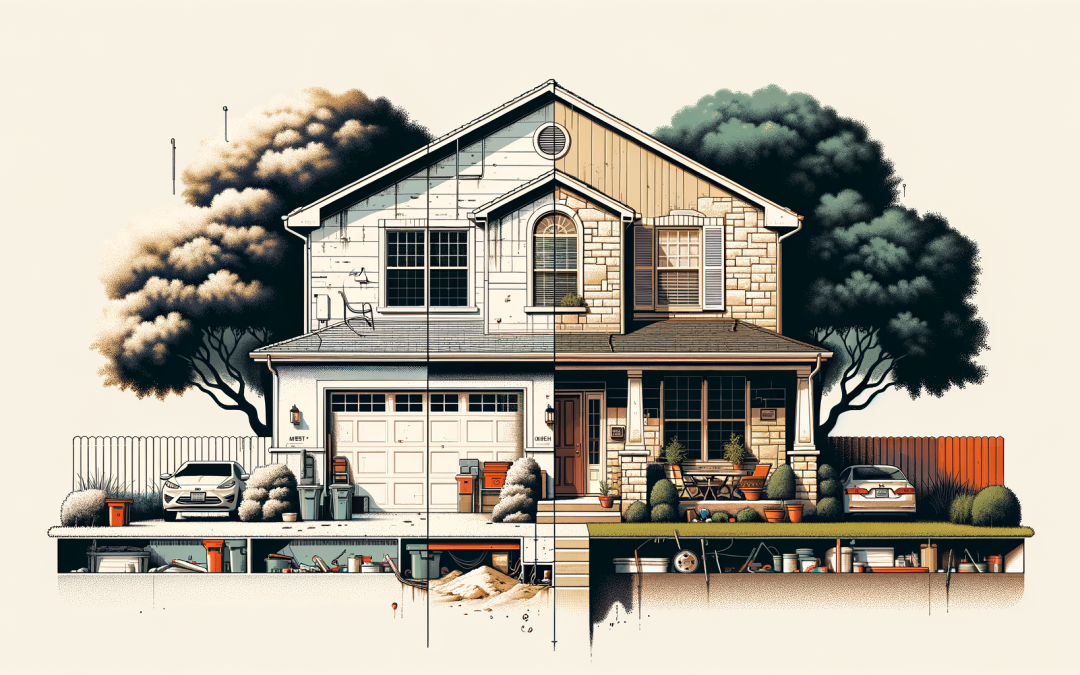
In simple terms, cosmetic (aesthetic) issues affect how a home looks and feels, while structural issues affect how a home stands up, drains water, and stays safe over time. Both matter, but they carry very different risk and cost profiles—especially in a state where soil movement, storms, and heat are part of everyday homeownership.
Aesthetic red flags are usually surface-level. They can still cost money, but they’re typically repairable without changing the home’s structural integrity. Many are common in resale homes and aren’t unusual findings on a home inspection checklist Texas buyers review.
Structural red flags involve the foundation, framing, roof structure, load-bearing components, or systems that affect safety and habitability. These are the issues most likely to create financing problems, insurance complications, or major repair bills. When people talk about buying a home in Texas red flags, they’re often talking about structural risks.
- Cosmetic (aesthetic) issues: paint, flooring, minor drywall cracks, dated finishes, worn fixtures, landscaping neglect
- Structural issues: foundation movement, roof structure problems, major water intrusion, failing drainage patterns, significant framing damage, unsafe electrical hazards, plumbing failures causing ongoing leaks
A useful rule of thumb: if the fix is mostly about appearance, comfort, or taste, it’s usually cosmetic. If the fix is about stability, moisture control, safety, or long-term performance, you’re likely dealing with signs of structural damage in homes.
Common aesthetic red flags in Texas homes (usually fixable)
Texas resale homes often show cosmetic wear from sun exposure, shifting humidity, and everyday family use. These items can still be negotiation points, but they typically don’t indicate the home is “bad”—just lived-in.
Here are common cosmetic issues buyers see from Dallas-Fort Worth to San Antonio and the Gulf Coast:
- Interior paint and texture wear: scuffs, outdated colors, patched nail holes, mismatched texture from prior repairs
- Worn flooring: scratched engineered wood, stretched carpet, cracked tile (note: tile cracks can be cosmetic or structural depending on pattern and cause)
- Outdated kitchens and baths: laminate counters, older cabinets, dated lighting, old-style fixtures that still function
- Caulking and grout issues: failing caulk around tubs and sinks, stained grout (important to address to prevent moisture problems)
- Minor drywall cracking: small hairline cracks around corners or along tape seams, often from normal settling and seasonal expansion
- Landscaping and drainage cosmetics: bare patches, overgrown shrubs, uneven garden beds (distinct from drainage that pushes water toward the foundation)
Texas weather plays a role. Intense sun can fade exterior paint and warp cheaper materials. In humid regions like Houston, poor bathroom ventilation can lead to surface mildew or peeling paint—often cosmetic at first, but worth correcting quickly so it doesn’t become a moisture and mold issue.
When “cosmetic” problems deserve a second look
Some issues look cosmetic but can hint at larger concerns. The key is pattern, location, and whether there’s evidence of ongoing movement or moisture.
- Repeated stains on ceilings: may point to active roof leaks, HVAC drain issues, or plumbing leaks
- Tile cracks in straight lines across multiple rooms: can be associated with slab movement and foundation issues Texas homes sometimes experience
- Soft, spongy flooring: may indicate past water damage or subfloor deterioration
- Peeling paint around windows: can be a sign of water intrusion, not just age
In other words, cosmetic is often fixable—but it’s still smart to ask “why is this happening?” during the inspection phase.
Common structural problems Texas buyers should watch for
Structural concerns tend to cluster around a few Texas-specific realities: expansive clay soils (especially in North Texas and parts of Central Texas), heavy rains and flash flooding, hurricane-driven wind and water risk along the coast, and long heat cycles that stress materials. These conditions shape the common structural problems Texas inspectors see year after year.
Below are high-priority items that often show up as Texas home inspection issues—and why they matter.
- Foundation movement and settlement: one of the biggest worries in the state; can affect doors, windows, floors, and plumbing
- Roof damage and roof structure concerns: storm wear, poor installation, decking issues, sagging ridgelines, or inadequate flashing
- Water intrusion and drainage failures: grading that channels water toward the home, poor gutter systems, negative slope near the slab
- Framing and structural wood damage: rot from long-term moisture, or pest-related deterioration (including termites in many regions)
- Plumbing leaks under slabs: can be costly and may contribute to soil movement; watch for unexplained moisture or prior tunneling repairs
- Electrical safety problems: outdated or unsafe panels, improper wiring, missing GFCI protection in wet areas—serious even if not “structural” in the foundation sense
Many Texas buyers specifically worry about roof and foundation issues Texas properties can develop. That focus is warranted: these two categories can affect insurance, resale value, and repair budgets more than most other findings.
Foundation issues Texas homes: what to look for
Not every crack means foundation failure. But certain patterns are classic signs of structural damage in homes and deserve expert follow-up.
- Doors that stick or won’t latch: especially if multiple doors across the home are affected
- Diagonal cracks at door and window corners: larger or widening cracks can signal movement
- Separation at trim or cabinets: gaps between cabinets and ceiling/walls
- Uneven or sloping floors: noticeable “roll” in the floor can indicate settlement
- Exterior brick cracking or stair-step cracks: can occur from movement; pattern and severity matter
Texas foundations (slab-on-grade is common) can move with moisture changes in expansive soils. That’s why maintaining consistent watering around the perimeter and good drainage is often recommended by local pros—though you’ll want to follow property-specific guidance.
Roof problems: beyond missing shingles
Roof wear is common after hailstorms in places like Austin, San Antonio, and DFW, and wind events along the Gulf Coast can be rough on shingles and flashing. Cosmetic roof wear exists, but many “small” roof issues quickly become structural because water travels.
- Damaged flashing: around chimneys, vents, and roof-to-wall transitions
- Soft decking: can indicate prolonged moisture exposure beneath shingles
- Sagging roof lines: may indicate framing or decking issues that need evaluation
- Improper attic ventilation: can shorten roof life and contribute to moisture problems
A roof at the end of its life isn’t automatically a deal-breaker—but it should be priced into the transaction, verified with inspection findings, and considered alongside insurance requirements.
How Texas real estate inspections help you sort red flags
A professional inspection is where many buyers finally see the difference between “needs updating” and “needs repair now.” Texas real estate inspections are typically performed during the option period (commonly called an “option period” in many Texas contracts), giving buyers time to evaluate the home before fully committing.
The home inspection process Texas buyers experience usually includes a visual, non-invasive evaluation of accessible areas: roof surfaces (where safe), attic, structure, HVAC, electrical, plumbing, appliances, and site drainage observations. Inspectors document defects, safety issues, and maintenance concerns in a written report.
Because inspection scope is visual, the report often recommends specialist follow-ups for certain findings. That’s not a bad sign—it’s how the system is supposed to work. A general inspector flags risk; a specialist confirms cause and repair scope.
Home inspection checklist Texas buyers should keep in mind
Every inspector has their own format, but smart buyers tend to focus on a few categories that frequently drive negotiations and long-term costs in Texas.
- Foundation and structure: crack patterns, floor levelness, pier-and-beam conditions (if applicable), crawlspace moisture
- Roof and attic: shingle condition, flashing, penetrations, ventilation, signs of active leaks
- Drainage and grading: slope away from the home, gutters/downspouts discharge, erosion, standing water
- Plumbing: water pressure, visible leaks, water heater condition, sewer line considerations (a separate sewer scope may be recommended)
- Electrical: panel condition, grounding/bonding, GFCI/AFCI protection where required, DIY wiring signs
- HVAC: age, performance, condensate drainage, duct condition, insulation basics
These are the areas where Texas home inspection issues most often shift a deal from “minor fixes” to “major negotiation.” They’re also where repair costs can jump quickly, especially if moisture is involved.
Inspections vs. engineering reports: knowing when to escalate
It’s common in Texas for buyers to order a structural engineer evaluation when the inspection suggests potential foundation movement, significant cracking, or concerning floor slopes. An engineer can provide a stamped report and specific repair recommendations, which is especially helpful when you’re deciding whether you’re looking at normal settling or a repair project.
For roof concerns, a qualified roofing contractor can clarify whether the issue is maintenance, replacement timing, or active leakage. For drainage, a landscaping/drainage specialist can help determine practical solutions like regrading, adding downspout extensions, or installing surface drains—always tailored to the lot and soil type.
Texas homebuyer tips: how to respond to red flags before you close
Finding problems doesn’t automatically mean you should walk away. The goal is to understand severity, confirm the cause, estimate realistic costs, and decide whether the home still makes sense for your budget and risk tolerance. This is where clear next steps matter most for anyone navigating buying a home in Texas red flags.
Use these Texas homebuyer tips to stay organized and protect yourself during negotiations:
- Separate “must-fix” from “nice-to-fix”: safety, active leaks, electrical hazards, and structural risks go to the top of the list
- Request specialist evaluations when warranted: engineering for foundation, roofer for roof, plumber for leaks, electrician for panel/wiring issues
- Ask for documentation: permits (when applicable), transferable warranties, invoices, and scope of prior repairs
- Use repair estimates strategically: negotiate credits or repairs based on verifiable quotes, not guesses
- Consider insurance and financing implications: some conditions can affect insurability or lender requirements, especially roof condition
- Think about long-term maintenance: drainage corrections, tree placement near foundations, and roof upkeep can prevent recurring issues
In many Texas transactions, buyers choose between (1) asking the seller to complete repairs, (2) negotiating a credit or price reduction, or (3) accepting the condition and budgeting for repairs after closing. The right choice depends on timing, contractor availability in your area, and how confident you are in the scope of work.
Also pay attention to red flags in the pattern of findings. One small issue is normal. Multiple issues pointing to the same cause—like widespread moisture staining, high humidity in the attic, and wood rot—often signal a bigger underlying problem that needs a clear plan.
Green flags that can balance the risk
Not every older home is a risky home. Plenty of Texas houses are solid but simply dated. These positive signs can help you feel more confident if the big-ticket items check out:
- Consistent, well-documented maintenance: regular HVAC service, roof repairs with receipts, proactive drainage improvements
- Clean attic and crawlspace conditions: no active leaks, reasonable insulation, no widespread mold-like growth
- Good drainage performance: no ponding near the home after rain, gutters that discharge away from the foundation
- Stable interior indicators: minimal cracking, doors and windows operate smoothly, no obvious floor slope changes
Ultimately, distinguishing aesthetic vs structural red flags is about protecting your budget and your peace of mind. Cosmetic issues are often a chance to build equity through updates. Structural concerns—especially foundation issues Texas homes can face and major roof and foundation issues Texas buyers worry about—deserve careful documentation, specialist input, and negotiation that reflects real-world costs.
If you treat the inspection as a decision tool instead of a pass/fail test, you’ll be in a stronger position to choose the right home, avoid costly surprises, and move forward with confidence in the Texas market.
