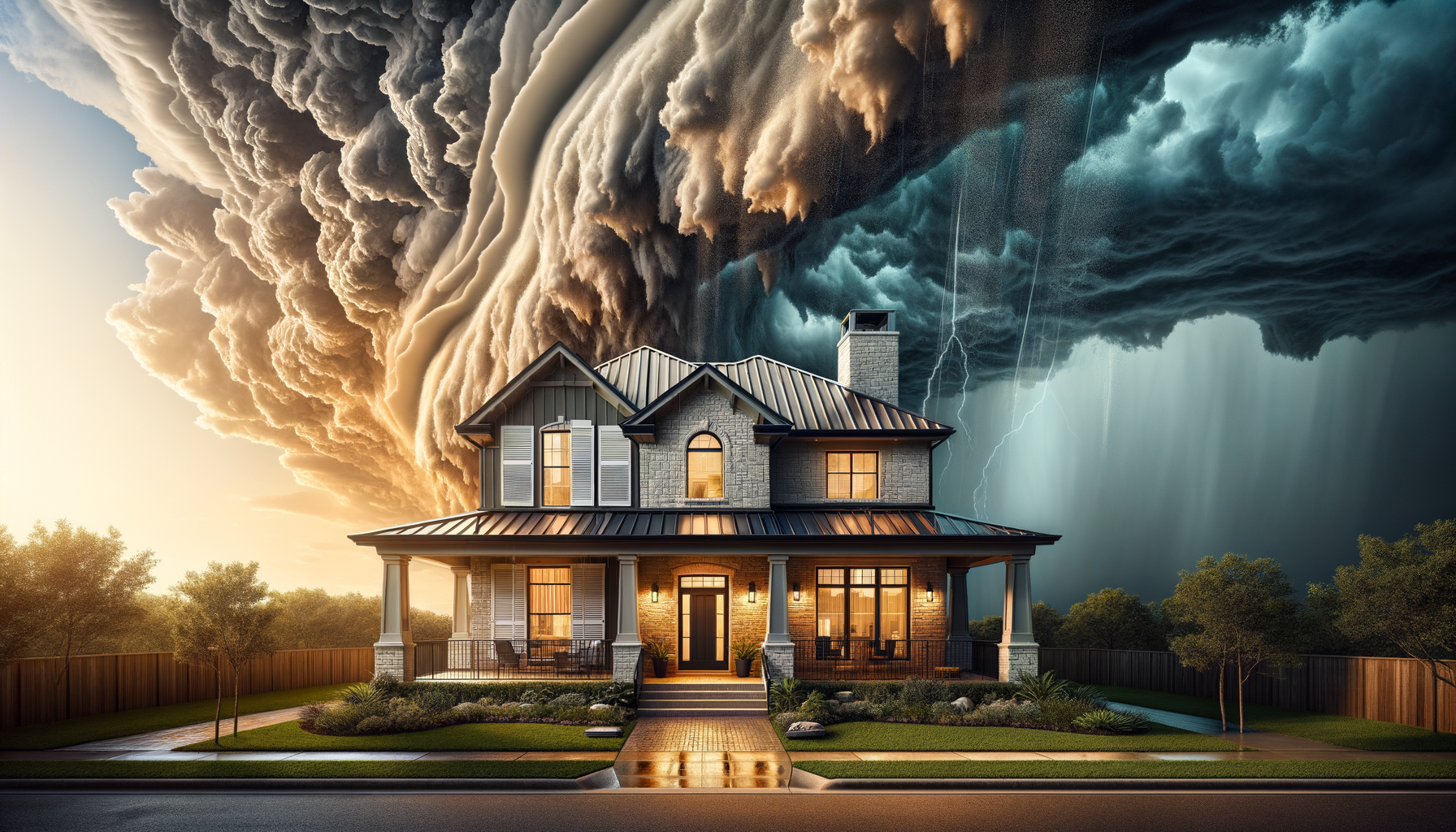
In Texas, weather isn’t just small talk—it’s a real factor in pricing, timing, and risk. From Gulf Coast hurricanes to Hill Country wildfires and statewide heatwaves, extreme weather and real estate are increasingly connected in ways that buyers, sellers, and agents can’t ignore. If you’ve ever wondered how weather affects home sales, the answer is: sometimes overnight, and sometimes over years.
This matters because weather-driven disruptions can pause showings, delay closings, change insurance requirements, and even reshape neighborhood demand. And as the climate change impact on housing market becomes a more common conversation, Texans are seeing how repeated events influence everything from building materials to migration patterns. Below, we’ll break down the most common Texas real estate weather risks, what happens to transactions during major events, and practical steps to protect your deal and your long-term investment.
Types of extreme weather affecting housing
Texas is large enough to experience multiple climate zones—and multiple weather hazards. Understanding the most common events (and where they occur) helps you anticipate which risks may affect your property, your timeline, and your costs.
Hurricanes and tropical storms (Gulf Coast and inland ripple effects)
Along the Gulf Coast—from Houston and Galveston down through Corpus Christi and the Rio Grande Valley—storms can bring wind damage, storm surge, and days of power outages. Even inland metros like Austin, San Antonio, and Dallas-Fort Worth can see heavy rain bands and flooding that influence what happens to real estate after a hurricane—especially when buyers, lenders, and insurers take a closer look at claims history.
Flooding and flash floods (statewide, with local hotspots)
Flood risk is not limited to the coast. Hill Country flash floods, North Texas creek overflows, and urban flooding from overwhelmed drainage systems can all affect flooding and home prices. For many Texans, the question isn’t whether it can flood—it’s whether a specific property’s elevation, drainage, and history make it vulnerable.
Extreme heat and drought (most of Texas, longest season)
Long summers and higher heat index days impact utility costs, HVAC wear, foundations (especially on expansive clay soils), and landscaping survival. In many areas, how extreme heat affects homebuyers shows up as stronger demand for newer HVAC systems, energy-efficient windows, shade trees, and homes with better insulation and roof performance.
Winter storms and hard freezes (statewide)
Since major statewide events in recent years, many Texans now ask about pipe insulation, shut-off valves, and electrical reliability before they make an offer. Winter storms and real estate transactions often create immediate delays (inspection scheduling, appraisal access, title and lender backlogs) and longer-term buyer preferences for winterization upgrades.
Wildfires and smoke (Panhandle, West Texas, Hill Country edges)
Wildfire risk tends to be highest where development meets brush—often called the wildland-urban interface. Even when a home is not directly threatened, smoke events can affect showings, occupancy, and perception. Over time, this can shift natural disasters and property demand in high-risk pockets.
Short-term impacts on real estate transactions
Extreme weather can change the flow of a deal fast. In Texas, spring and early summer are traditionally busy selling seasons, but that also overlaps with hailstorms, flooding, and the ramp-up to hurricane season. Here’s how disruptions typically play out in the short term.
1) Buyer and seller behavior shifts (timing, urgency, and caution)
Right before a major event, buyers may hesitate to tour or submit offers—especially if they can’t get comfortable with insurance costs or flood risk. After an event, activity can split:
- Some buyers pause to reassess risk, especially in areas with visible damage.
- Some buyers accelerate if they need to relocate quickly due to a damaged rental or home.
- Some sellers withdraw listings to make repairs or avoid negotiating during uncertainty.
This “freeze-then-flurry” pattern is common in the hurricane impact on housing market, but it can happen after hail outbreaks, freezes, and wildfires too.
2) Showings, inspections, and repairs get delayed
Bad weather can halt showings, limit access to neighborhoods, and reduce contractor availability. In competitive markets, even a one-week delay can change buyer interest. After big events, local contractors may be booked out for months, which impacts:
- Repair negotiations (sellers may not be able to complete work before closing)
- Re-inspections (buyers may have to accept invoices and warranties instead)
- Listing prep (roof replacement and exterior repairs can push a listing into a different season)
3) Construction timelines and inventory tighten
New construction is especially sensitive to weather. Heavy rain can stall site work and foundations, hurricanes can disrupt supply chains, and heat can reduce work hours for safety. Over time, this affects construction timelines and inventory by:
- Delaying completion dates, which can force buyers to extend rate locks or temporary housing
- Reducing available spec homes at key points in the selling season
- Raising costs for materials and labor after widespread damage events
4) Mortgage approvals and appraisals can stall
Weather doesn’t just slow down showings—it can slow down financing. Mortgage approvals and appraisals can be impacted when:
- Appraisers can’t access the property due to road closures or unsafe conditions
- Lenders require additional inspections (roof, foundation, or water damage) after a regional event
- Insurance binders become harder to obtain quickly in affected zip codes
In storm-prone regions, buyers should expect lenders to be strict about evidence of insurability and property condition. If a home has active damage, many loan programs won’t close until repairs are completed or escrowed in an approved way.
5) Appraisal risk increases in damaged or disrupted neighborhoods
Appraisals rely on comparable sales (“comps”). After an event, comps can become messy: some homes sell “as-is,” some transactions are delayed, and some sales reflect temporary fear or uncertainty rather than normal market behavior. This can influence extreme weather property values in the short term, especially if there are few clean, arms-length sales to support pricing.
Long-term impacts on property values and market trends
While a storm can disrupt a month of closings, repeated events can influence an entire decade of demand. The real estate market climate risk conversation is growing because buyers, insurers, and lenders are increasingly pricing risk into housing choices.
Does flooding lower property value?
Many Texans ask, does flooding lower property value? It can, but it depends on the property and the market. In general, long-term value pressure is more likely when:
- The home has a documented history of flooding or repeated claims
- The neighborhood experiences recurring street flooding that affects daily life
- Insurance requirements or premiums rise enough to reduce affordability
- Resale buyers perceive the risk as high, even if the home is repaired
On the flip side, some flood-mitigated homes (elevated structures, improved drainage, flood openings in appropriate construction, documented mitigation steps) can hold value better than nearby properties if buyers see clear risk reduction.
Hurricane and wind risk: values, rebuilding, and buyer preferences
Along the Gulf, the hurricane impact on housing market often shows up in “micro-markets.” Two neighborhoods a few miles apart can diverge based on elevation, building standards, and insurance costs. Over time, buyers may pay a premium for:
- Newer roofs with strong wind ratings
- Impact-resistant windows or storm shutters
- Homes outside the highest-risk surge zones
- Proven drainage improvements and updated building codes
Extreme heat: operating costs become a bigger deal
Heat is slow-moving but powerful. When summer electric bills climb and HVAC systems struggle, buyers start valuing comfort and efficiency more. In many Texas markets, how extreme heat affects homebuyers shows up as stronger demand for:
- High-SEER HVAC systems and well-maintained ductwork
- Radiant barriers, improved attic insulation, and sealed envelopes
- Energy-efficient windows and smart thermostats
- Shade, covered patios, and heat-tolerant landscaping
These features don’t just improve comfort—they can protect resale appeal as summers get longer and hotter.
Winter storms: “winterized” becomes a selling point
After hard freezes, many buyers ask about pipe insulation, outdoor spigots, attic protection, and backup power options. Over time, homes with visible winterization improvements can stand out, particularly in older neighborhoods where plumbing and insulation may be dated. This trend continues to shape winter storms and real estate transactions by influencing inspection requests and repair negotiations.
Wildfire risk: defensible space and building materials matter
In higher-risk areas, long-term demand often tracks how well a property can reduce exposure. Buyers and insurers may look for:
- Metal or Class A fire-rated roofing
- Cleared brush and defensible space around the home
- Non-combustible fencing near structures
- Community-level mitigation and accessible evacuation routes
Where wildfire seasons intensify, the result can be uneven: some pockets remain popular, while others see softer demand due to insurance constraints and perceived risk.
Texas housing market and climate migration
One of the biggest long-run storylines is Texas housing market and climate migration. Texas continues to attract residents for jobs, relative affordability (compared with some coastal metros), and business growth. At the same time, some households are making location choices within Texas based on:
- Flood and hurricane exposure
- Water availability and drought resilience
- Grid reliability perceptions and winter storm preparedness
- Insurance affordability and claim experiences
These shifts tend to happen gradually, but they can influence neighborhood-level demand, new development patterns, and which features buyers consider “must-haves.” Any forecast here should be treated as a scenario, not a guarantee—but it’s reasonable to expect climate risk to stay part of housing decisions.
Insurance and disclosure considerations
Insurance and disclosures often determine whether a deal works financially. In Texas, where weather risk varies sharply by region, home insurance costs Texas can swing affordability more than many first-time buyers expect.
Home insurance costs and policy availability
After widespread events, insurers may raise premiums, change deductibles (especially wind/hail deductibles), or tighten underwriting in certain zip codes. Practical implications include:
- Higher monthly payment when premiums are escrowed with the mortgage
- More cash needed at closing for prepaid insurance and deductibles
- Fewer carrier options in the highest-risk coastal and wildfire-adjacent areas
For buyers, insurance shopping should start early—ideally during the option period or inspection period—so surprises don’t derail the contract.
Flood insurance and “buying a home in flood zone”
Buying a home in flood zone doesn’t automatically mean “don’t buy,” but it does mean “do your homework.” Flood insurance is typically separate from a standard homeowners policy. Some mortgages require it based on flood maps, but even homes outside mapped zones can flood.
Key steps to manage Texas real estate weather risks related to flooding:
- Ask for any known flood history, prior water intrusion, and repairs
- Review seller disclosures carefully and request documentation when possible
- Look at drainage patterns during or after rain, if feasible
- Price the insurance early and verify any elevation or mitigation credits
Disclosures in Texas: what to know
Texas sellers are generally required to provide a Seller’s Disclosure Notice for many residential sales, describing known issues such as water penetration, flooding, roof leaks, and insurance claims when applicable. Disclosures are not just paperwork—they shape trust and can reduce post-closing disputes.
Red flags for buyers:
- Vague answers about “water issues” with no details or receipts
- Fresh paint or new baseboards in areas that commonly show water damage
- Reluctance to allow specialists (foundation, mold, roof) when warning signs exist
Green flags for buyers:
- Clear documentation of repairs, permits (when relevant), and warranties
- Invoices that match the scope of disclosed damage
- Mitigation improvements (drainage work, sump systems where appropriate, roof upgrades)
Tips for buyers and sellers
Preparation reduces stress and protects your financial outcome. Whether you’re shopping in a coastal county or a drought-prone area, these steps help you navigate extreme weather and real estate with fewer surprises.
Tips for buyers: how to prepare and protect your purchase
Step 1: Evaluate neighborhood risk before you fall in love with the house.
- Ask your agent about local flooding patterns, drainage issues, and past event impacts
- Drive the area after heavy rain if possible
- Consider commute routes that could flood or close during storms
Step 2: Price insurance early (not after you’re under the gun).
- Request quotes during the option/inspection window
- Ask about wind/hail deductibles and separate flood coverage
- Factor home insurance costs Texas into your monthly comfort level
Step 3: Build weather-smart inspections into your plan.
- General inspection is a baseline; add roof, foundation, drainage, or HVAC specialists when needed
- Ask for thermal or moisture readings if water intrusion is suspected
- Review the home’s age and condition with an eye toward severe weather home maintenance
Step 4: Negotiate with realistic options.
- If contractors are booked, consider credits or price adjustments instead of repair deadlines
- Ask for transferable warranties on roof/HVAC when available
- When flooding and home prices are a concern, negotiate based on documented risk and insurability
Step 5: Plan for resilience after closing.
- Prioritize guttering, grading, and drainage improvements
- Upgrade attic insulation and HVAC maintenance for heat performance
- Insulate pipes, add freeze protection, and locate the main water shutoff
Tips for buying a home in high-risk weather areas in one checklist:
- Confirm you can obtain affordable coverage (home + flood if needed)
- Understand deductibles and out-of-pocket exposure
- Document condition and improvements before closing
- Keep extra time in your contract for weather-related delays when possible
Tips for sellers: reduce risk, protect value, and keep deals together
Step 1: Address visible vulnerabilities before listing.
- Repair roof issues, flashing, and known leaks
- Clean gutters and ensure downspouts move water away from the foundation
- Service HVAC and provide maintenance records (especially important in heat-prone regions)
Step 2: Be proactive about documentation.
- Gather receipts, warranties, and any permits related to repairs
- Prepare a clear narrative for past claims or water events (what happened, what was fixed, by whom)
- This transparency can reduce buyer fear about extreme weather property values
Step 3: Price with the market’s risk sensitivity in mind.
- If you’re in a higher-risk zone, expect buyers to compare insurance costs and mitigation features closely
- Consider pre-list inspections or roof certifications if they’re common in your area
- Be ready to respond to questions about what happens to real estate after a hurricane or after a freeze with facts, not guesses
Step 4: Plan for seasonal timing.
- In many Texas markets, spring is active but storm-prone; late summer can be slower but also overlaps peak hurricane season
- Have a backup plan for showings and open houses if weather turns (virtual tours, flexible scheduling)
Tips for real estate agents: keep clients calm, informed, and on track
- Set expectations early: explain weather-related delays for inspections, appraisals, and repairs
- Encourage early insurance quotes and lender coordination to avoid last-minute surprises
- Use clear, local context when discussing real estate market climate risk—avoid alarmism and focus on mitigation and choices
- Maintain a contractor and specialist network (roofers, foundation engineers, drainage experts) for quick referrals
- Build contract timelines with realistic buffers during peak risk seasons
Conclusion with key takeaways
In Texas, weather is part of the housing equation—sometimes subtly, sometimes suddenly. The most important shift is that risk is becoming more “priced in” through insurance costs, buyer preferences, and lender requirements. Understanding how weather affects home sales helps you choose smarter timelines, negotiate more effectively, and avoid preventable surprises at closing.
- Short-term: Extreme events can delay showings, inspections, appraisals, repairs, and closings—especially in storm-impacted regions.
- Long-term: Repeated events can influence extreme weather property values, shift neighborhood demand, and shape Texas housing market and climate migration patterns.
- Insurance matters: Home insurance costs Texas and flood coverage can make or break affordability, so shop early.
- Preparation pays: Strong documentation, smart inspections, and practical mitigation steps help buyers and sellers stay confident—even when the forecast doesn’t cooperate.
FAQ
Does flooding lower property value in Texas?
It can. Does flooding lower property value depends on frequency, documented history, neighborhood perception, and insurance affordability. A one-time event that’s fully repaired and mitigated may have less impact than recurring flooding or repeated claims.
What happens to real estate after a hurricane?
What happens to real estate after a hurricane often includes a short pause in transactions, followed by a surge of repair activity and selective demand. Buyers tend to focus more on roof age, wind mitigation, drainage, and whether insurance is obtainable at a reasonable cost.
How do winter storms affect closings and financing?
Winter storms and real estate transactions can be delayed by appraisal access issues, inspection backlogs, and repair constraints. Lenders may require proof that the property is habitable and insurable, especially if there’s active damage or power/plumbing concerns.
What should I know about buying a home in a flood zone?
Buying a home in flood zone means you should confirm flood insurance requirements and cost early, review disclosures for prior flooding or water intrusion, and evaluate drainage and elevation. Some homes can be good purchases if risk is understood and mitigated.
How extreme heat affects homebuyers in Texas?
How extreme heat affects homebuyers usually shows up in stronger demand for efficient HVAC, good insulation, newer windows, shade, and lower utility costs. Heat resilience features can support comfort today and resale appeal later.