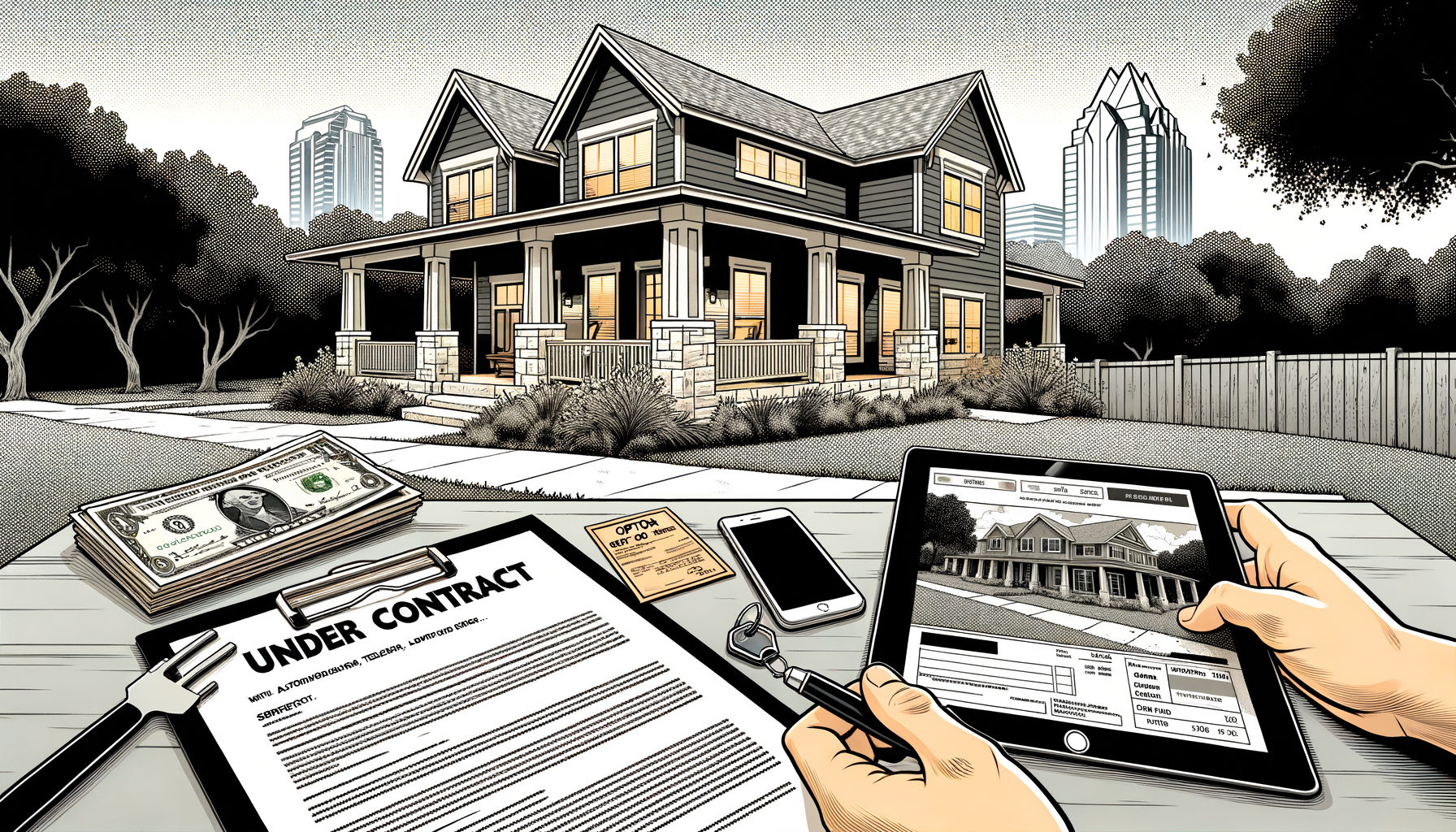
Going “under contract” is a big milestone, but in Texas it’s also the moment the real work begins. If you’re wondering what happens after going under contract Texas, the short answer is this: you move through a series of time-sensitive steps—option period, inspections, negotiations, appraisal, loan approval, and closing—each with deadlines that can make or break your deal.
This Texas real estate transaction guide walks you through the typical Texas home buying process steps from contract to keys. Texas has unique features—especially the option period and the way earnest money and the option fee work—so knowing the sequence helps you avoid surprises and protect your deposit.
Under contract to closing in Texas: the big timeline (and why dates matter)
In most parts of Texas—whether you’re buying in Austin, Dallas-Fort Worth, Houston, San Antonio, or fast-growing suburbs like Georgetown, Frisco, Cypress, or New Braunfels—the path from “under contract” to closing often runs about 25 to 45 days. Your exact under contract to closing Texas timeline depends on financing, appraisal timing, and how quickly inspections and negotiations wrap up.
Once a contract is executed, your calendar is driven by deadlines written into the contract: the option period end date, the financing approval date (if applicable), and the closing date. Missing deadlines can reduce your negotiating leverage, risk your earnest money, or force a rushed decision.
- Executed contract date: The day both parties sign and the contract becomes binding.
- Option period end date: Your key window for inspections and renegotiation.
- Financing and underwriting milestones: The lender’s checklist and approval stages.
- Appraisal deadline (often tied to financing): Critical if the home must appraise to proceed.
- Closing date: When documents are signed and ownership transfers.
Texas is also seasonal. Spring and early summer tend to bring more competition and tighter vendor schedules (inspectors, appraisers, title). Late summer can still be active, while fall and winter sometimes offer a bit more negotiating room—though fewer listings may limit choices. Planning ahead is especially important during peak buying months.
Option period Texas explained: earnest money, option fee, and your inspection window
The option period is one of the most Texas-specific parts of buying a home in Texas steps. It’s a negotiated number of days (commonly 5–10, sometimes longer) when the buyer can terminate the contract for any reason. In plain language, it’s your “due diligence” window.
Option period Texas explained: During this time, you can do inspections, review disclosures, verify property details, and decide whether the home works for you. If you cancel during the option period, you typically keep your earnest money (as long as you follow the contract’s termination procedure), but the option fee is usually non-refundable.
Texas earnest money and option fee: what they are and where they go
Texas earnest money and option fee are often confused because both are paid early. They serve different purposes.
- Earnest money: A good-faith deposit held by the title company/escrow agent. If you close, it usually credits toward your cash to close. If you default outside your allowed termination rights, the seller may be entitled to it.
- Option fee: A negotiated fee paid to the seller for the unrestricted right to terminate during the option period. It’s typically small compared to earnest money and is generally not refundable.
Practical tip: Confirm the delivery deadlines and method (often within a few days after the effective date). A missed payment deadline can create a contract problem—especially if it affects your option period rights.
Common buyer mistake: waiting until the last day of the option period to schedule inspections. In busy Texas markets, inspector availability can be tight, and you want time to review the report and negotiate calmly.
Texas home inspection process: what to inspect, what’s normal, and how negotiations work
The Texas home inspection process usually happens during the option period. Your inspector will review major systems (roof, foundation indicators, electrical, plumbing, HVAC) and note safety issues, deferred maintenance, and potential repairs. In Texas, inspectors also pay close attention to drainage and grading, given expansive clay soils in many regions and storm-driven rainfall patterns.
What’s “normal” in an inspection? Almost every home has findings. The goal isn’t a perfect report—it’s clarity. You’re looking for big-ticket items, safety concerns, and issues that could affect financing or insurance (for example, an older roof, electrical hazards, or signs of active leaks).
Common Texas-specific issues that show up in inspection reports
- Foundation movement indicators: Cracks, sticking doors, uneven floors (not always a deal-breaker, but worth evaluating).
- Roof wear: Hail impacts in North Texas or aging shingles in high-heat areas.
- HVAC age and performance: Long summers mean HVAC matters—especially in Houston and Central Texas.
- Drainage and grading: Standing water risk, especially in heavy rain regions.
- Plumbing type and condition: Older materials, prior repairs, or water pressure concerns.
After inspections, you’ll decide whether to proceed as-is, ask for repairs, request a price reduction, or request seller-paid closing costs. Negotiations vary by market conditions. In hotter markets, sellers may offer limited repairs; in more balanced conditions, buyers often have more leverage for credits or repairs—especially for health/safety items.
Green flag: a seller who responds quickly and provides receipts or warranties for prior work. Red flag: refusal to address safety issues, vague answers about leaks, or pressure to waive inspections without good reason.
Appraisal process Texas real estate: why it matters and what happens if value comes in low
If you’re using a mortgage, the lender will order an appraisal to confirm the home’s value supports the loan amount. The appraisal process Texas real estate typically happens after you’re under contract and your loan file is moving, but timing can vary based on appraiser availability—especially in busy spring and summer seasons.
An appraisal isn’t the same as an inspection. It’s a value opinion based on comparable sales, property condition as it relates to marketability, and sometimes repair requirements for certain loan types. In Texas, appraisals can be influenced by hyper-local comps—sometimes even within the same master-planned community or school attendance zone.
Here’s the key: if the appraisal comes in at or above the purchase price, you can usually move forward without price-related adjustments. If it comes in low, you’ll need a plan.
- Renegotiate the price: Ask the seller to reduce the price to the appraised value.
- Split the difference: Buyer and seller compromise somewhere in the middle.
- Increase down payment: Buyer brings extra cash to cover the gap (if allowed and desired).
- Challenge the appraisal: Provide stronger comps or factual corrections through your lender (results vary).
- Terminate if contract allows: If you have the right to terminate based on financing/appraisal terms, you may be able to exit.
Common challenge: appraisal gaps can show up when prices have moved quickly or when unique upgrades (like a pool or high-end remodel) aren’t fully supported by nearby comps. This can happen in both urban neighborhoods and newer suburban areas with rapidly changing sale prices.
Mortgage approval timeline Texas and the real estate closing process: final steps to getting the keys
For most buyers, the longest stretch between contract and closing is lender-driven. The mortgage approval timeline Texas often includes document collection, underwriting review, appraisal completion, and final “clear to close.” Staying responsive can make the difference between an on-time closing and a stressful extension request.
In practice, you’ll move through these common Texas home buying process steps on the financing side:
- Loan application and disclosures: Confirm loan type, rate strategy, and initial costs.
- Document submission: Pay stubs, W-2s, bank statements, tax returns (as needed), and ID.
- Underwriting: The lender verifies income, assets, credit, and the property’s acceptability.
- Conditional approval: “Approved with conditions” is normal—think of it as a to-do list.
- Clear to close: The lender signs off and allows closing documents to be prepared.
Common mistake: making big financial changes after going under contract—opening a new credit card, financing furniture, changing jobs, or moving large sums between accounts without documentation. Even if you’re well-qualified, these changes can slow underwriting or trigger re-approval requirements.
Closing process Texas homebuyers should expect (title, insurance, walk-through, funding)
The closing process Texas homebuyers experience is coordinated by the title company. Title will confirm ownership history, handle escrow, prepare settlement statements, and ensure liens are addressed. Your lender and real estate agent also coordinate timelines so documents are ready and conditions are satisfied.
Key pieces of the real estate closing process Texas typically include:
- Title commitment review: Confirms legal description, easements, restrictions, and any items to be cleared.
- Homeowners insurance: Your lender will require proof of coverage before closing (and in some areas, flood insurance may be recommended or required).
- Survey and HOA documents (if applicable): Important for boundary understanding and community rules.
- Final walk-through: Usually shortly before closing to confirm condition and that agreed repairs are completed.
- Closing disclosure review: Confirms your final loan terms and cash to close.
- Signing and funding: In Texas, you may sign and then wait for lender funding before the transaction is considered complete and keys are released.
Practical tip: review your closing disclosure carefully for credits, seller concessions, and prorations (taxes, HOA dues). Texas property taxes can be significant and are commonly prorated at closing, so it’s normal to see sizeable tax-related line items depending on your closing date and local tax rates.
Another Texas-specific reality: closing day logistics can vary. Some transactions fund quickly; others take longer depending on the lender and wire timing. Plan your move with a little flexibility, and confirm when you’ll actually receive keys—typically after funding and title confirmation.
When everything is complete, you’ll receive your closing documents, the deed will be recorded, and you’ll officially become a homeowner. From there, your next smart step is setting up homestead exemption (when eligible) and keeping a digital folder of warranties, receipts, and closing paperwork for future reference.
If you’ve been looking for a clear Texas real estate transaction guide to answer what happens after going under contract Texas, the biggest takeaway is that each stage has a purpose: the option period protects your decision-making, inspections protect your budget, appraisal protects the lender’s collateral, underwriting protects loan quality, and closing makes the transfer official. Staying organized and proactive is the simplest way to keep your purchase on track.