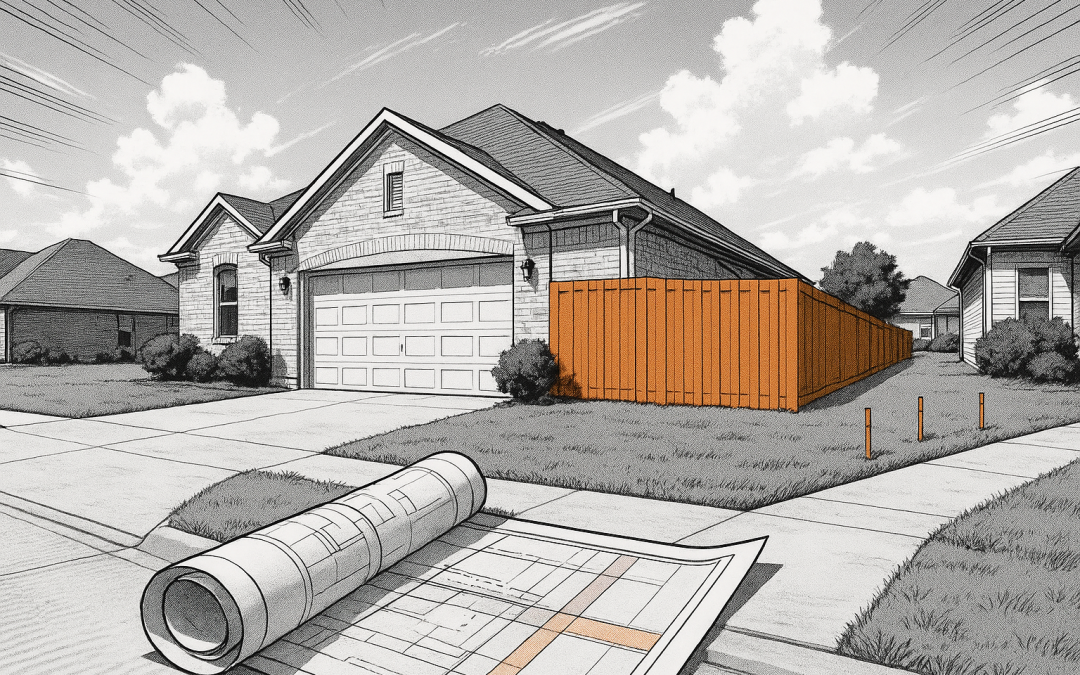
Why Texas Homeowners Should Pay Attention to 2025 Tax Breaks
In Texas, property taxes are often the biggest ongoing cost of homeownership—sometimes even more noticeable than mortgage interest once you settle in. That’s why understanding 2025 tax breaks and exemptions matters whether you’re buying your first place, moving into a new home, staying put in an existing home, or planning home remodeling.
Texas doesn’t have a state income tax, so cities, counties, school districts, and special districts rely heavily on property taxes. The good news: Texas also offers some of the most meaningful exemptions and valuation “caps” in the country—if you apply for them on time and keep your paperwork clean.
This guide breaks down the most common homeowner tax breaks and exemptions Texans may qualify for in 2025, how they work, typical income requirements where applicable, and step-by-step instructions to claim them.
Quick Texas Tax Basics (So the Rest Makes Sense)
Property taxes vs. federal tax breaks
Most homeowner “tax breaks” fall into two buckets:
- Texas property tax exemptions and appraisal limits (reduce the taxable value of your home for local taxes).
- Federal income tax benefits (like mortgage interest deductions and some energy credits), which can help at filing time.
This article focuses primarily on Texas property tax savings—where the dollars can really add up—while also covering major federal items that commonly apply to Texas homeowners in 2025.
Homestead is the foundation
If your home is your primary residence, the Texas homestead exemption is usually the single biggest lever for lowering your property tax bill. It can also unlock appraisal caps and added protections. If you take nothing else away, remember this: homestead is not automatic in Texas—you generally must apply.
2025 Texas Property Tax Exemptions for Homeowners
1) General Residence Homestead Exemption (Primary Residence)
For most Texans, the starting point is the residence homestead exemption. It reduces the taxable value of your primary residence for certain taxing units (especially school districts). The exact dollar amount can vary by jurisdiction and the exemptions in effect.
Who it’s for: Owners who occupy the property as their principal residence.
- Works for: new homes (once you occupy it), and existing home purchases.
- Applies to: Typically school district taxes first; other local taxing units may offer additional homestead amounts.
Key point for 2025 tax breaks: The value of the exemption and related rules can change based on state law and local adoption. Always verify what your county appraisal district lists for your address.
2) 10% Homestead Appraisal Cap (Value Growth Limit)
Texas also limits how fast your home’s appraised value can increase for tax purposes if it’s your homestead. The cap is generally set at 10% per year on the appraised value increase, plus the value of new improvements.
Why it matters: In fast-moving Texas markets—think North Texas suburbs, parts of Central Texas, and high-growth pockets around Houston—this cap can soften the impact of rising values over time.
- Green flag: If you’ve owned for a few years, your “capped” value may be noticeably lower than market value.
- Red flag: Major home remodeling can increase the value of improvements and may raise your taxable value even with the cap.
3) Age 65 or Older Exemption
Texas homeowners age 65+ may qualify for additional exemptions and, in many areas, school district tax limitations commonly referred to as a “tax ceiling.” Rules vary by district, so it’s smart to confirm locally.
Who it’s for: Homeowners who are 65+ and occupy the home as a homestead.
- Income requirements: Typically no income requirements for the standard over-65 exemption itself, though certain deferrals or relief programs may involve financial eligibility.
- Good to know: Turning 65 often triggers eligibility, but you still generally must apply.
4) Disabled Person Exemption
Homeowners who meet the state’s disability standards may qualify for additional property tax relief. Like the over-65 exemption, this is tied to occupying the home as your primary residence.
- Income requirements: Commonly no income requirements for the base exemption, but confirm if you’re applying for additional relief programs or deferrals.
- Common mistake: Assuming disability benefits automatically notify your appraisal district—applications and documentation are usually required.
5) Disabled Veteran and Surviving Spouse Exemptions
Texas provides meaningful property tax exemptions for qualifying disabled veterans, and in some cases, surviving spouses. The benefit often depends on disability rating and other eligibility factors.
Why it’s a big deal: For certain highly rated disabled veterans, the exemption can significantly reduce—sometimes nearly eliminate—property taxes on a homestead. Eligibility details and documentation requirements matter here.
- Income requirements: Typically not income-based; qualification is based on service-connected disability and related criteria.
- Timing tip: Apply as soon as you qualify or buy—waiting can mean missing savings for that tax year.
6) Agricultural (Ag) Valuation and Open-Space Valuation (Special Use Valuations)
If you own rural property, you may have heard about “ag exemptions.” In practice, Texas generally offers special valuations that tax land based on its agricultural productivity value rather than market value—often a major reduction.
Who it’s for: Qualifying properties used for agriculture, ranching, wildlife management, or timber (rules differ by type).
- Works for: Buyers of acreage, especially outside city limits in regions like the Hill Country, Brazos Valley, the Piney Woods, and West Texas.
- Red flag: If you buy land that previously had ag valuation and change the use (for example, build a subdivision-style residential site), you may face rollback taxes for prior years.
Income requirements: Usually not income-based. It’s use-based, with documentation and compliance requirements.
7) Property Tax Deferral Options (Over 65, Disabled, and Some Veterans)
Some homeowners can legally defer (postpone) paying certain property taxes, often for a residence homestead, with taxes becoming due later (commonly when the home is sold or the owner no longer qualifies). This can help cash flow, but it’s not “free money”—it’s a timing tool.
- Best for: House-rich, cash-flow-tight homeowners who want to stay put.
- Red flag: Deferrals can affect estate planning and the net proceeds of a future sale.
- Income requirements: Eligibility typically hinges on age/disability status rather than income, but confirm details for your situation.
Step-by-Step: How to Claim Texas Homestead and Other Exemptions in 2025
Step 1: Confirm your primary residence and ownership
You generally must own and occupy the home as your principal residence to qualify for the homestead exemption. For a new home, that usually means you’ve moved in—not just closed.
Step 2: Update your ID and records
Many appraisal districts expect your driver’s license or state ID address to match the homestead property address. If you recently moved, update it promptly to avoid delays.
Step 3: Apply through your county appraisal district
Texas exemptions are generally handled by the county appraisal district (CAD). You’ll submit the appropriate application(s) and supporting documents.
Step 4: Watch deadlines and confirmation
Deadlines can vary depending on exemption type and your circumstances. Don’t assume it went through—keep confirmation, track your account online if available, and verify the exemption appears on your property record.
Step 5: Re-check after major life or property changes
If you refinance, remodel, inherit, transfer into a trust, or change occupancy, confirm your exemptions remain properly applied. Paperwork mismatches are a common reason exemptions get delayed or questioned.
2025 Tax Breaks for New Homes vs. Existing Homes (What’s Different?)
New homes: expect a “catch-up” tax bill if you’re not prepared
With new homes, buyers can be surprised by property taxes that jump after closing. Builders may market an estimated tax payment based on an unimproved lot or a partial-year value. Once the home is fully assessed, the tax bill can increase.
- Green flag: Your lender or closing agent provides a realistic tax estimate based on neighboring completed homes.
- Red flag: The monthly payment is calculated using lot-only taxes or without homestead applied.
Practical tip: Ask for a “fully assessed” scenario and then apply your homestead as soon as eligible to reduce the taxable value for school and possibly other taxing units.
Existing homes: verify exemptions don’t transfer automatically
When you buy an existing home, the seller’s homestead exemption typically does not automatically carry over to you. Your first year can be especially important if the prior owner had a capped value far below market value—your taxable value may reset closer to the purchase price or market value.
- Common mistake: Budgeting based on the seller’s tax bill.
- Better approach: Use a conservative estimate based on purchase price and local tax rates, then factor in your expected exemptions.
Home Remodeling and Texas Property Taxes: When Improvements Help (and When They Raise Your Bill)
Home remodeling can be a smart investment in comfort and resale value, but it often increases appraised value—especially for additions, major kitchen upgrades, pools, and significant structural work.
Improvements that commonly increase appraised value
- Square footage additions and garage conversions
- Pool installations
- Major kitchen and bath remodels
- High-end landscaping and hardscaping
- Accessory dwelling units (where permitted)
Repairs vs. improvements (important distinction)
Routine repairs (like replacing a roof after storm damage or fixing plumbing issues) may not raise value the way expansions do, but documentation matters. Keep receipts, contractor scopes, and before/after photos. If you ever protest an appraisal, evidence of what was maintenance versus added value can help.
Energy upgrades can create different kinds of tax breaks
Some energy-related upgrades may not reduce Texas property taxes automatically, but they can qualify for federal credits or other programs. If your remodeling includes insulation improvements, efficient HVAC, windows, solar, or other upgrades, you may be stacking multiple benefits: a more comfortable home, potential utility savings, and potential tax credits.
Federal Homeowner Tax Breaks Texans Often Use in 2025 (High-Level Overview)
Even though Texas doesn’t have a state income tax, homeowners may still benefit on their federal return. These are not Texas exemptions, but they often come up in budgeting conversations—especially for first-time buyers.
Mortgage interest deduction (when itemizing makes sense)
Homeowners who itemize deductions may be able to deduct mortgage interest, subject to IRS rules and limits. Whether this helps depends on your total itemized deductions compared with the standard deduction.
- Who benefits most: Buyers with larger loan balances and higher interest paid, especially early in the loan term.
- Reality check: Many households take the standard deduction, so the benefit isn’t universal.
Income requirements: The mortgage interest deduction is not typically described as income-based, but your overall tax situation and filing status influence the final benefit.
Property tax deduction (SALT cap considerations)
Federal rules limit how much state and local taxes (including property taxes) you can deduct if you itemize. In Texas, where property taxes can be significant, this cap is a frequent pain point for higher-tax areas and higher-priced homes.
Practical takeaway: This federal limitation is one reason Texas homeowners often focus more on local exemptions (homestead, over-65, disabled veteran) to reduce the bill upfront rather than hoping for a big federal deduction.
Energy-efficient home improvement credits
Many homeowners explore federal credits for eligible energy improvements. If you’re planning home remodeling in 2025, ask your tax professional which upgrades may qualify and what documentation you should keep.
- Green flag: Manufacturer certifications and itemized invoices that clearly list eligible equipment.
- Red flag: Assuming labor or the entire project cost qualifies without checking the rules.
Income Requirements: When They Matter (and When They Don’t) in Texas
A common question is whether Texas exemptions have income requirements. For the most widely used exemptions, the answer is usually: not really. Texas homestead, over-65, disabled person, and many veteran-related exemptions are primarily eligibility-based (occupancy, age, disability status, veteran status), not income-tested.
Where income requirements may come into play is with certain local assistance programs, payment plans, deferrals, or niche relief initiatives that aren’t universal statewide. Because these can vary by county and taxing unit, treat income-based programs as “check locally” items.
Seasonal and Regional Texas Tips That Can Save You Money
Spring and summer: home buying season can create tax estimate surprises
Texas sees heavy transaction volume in spring and summer. That’s also when buyers are most likely to underestimate property taxes—especially on new construction or when moving from a lower-tax area to a higher-tax school district. If you’re buying during peak season, build a tax cushion into your monthly budget until the first full assessment comes through.
Fast-growth metros: appraisal protests are common
In areas like DFW, Austin-area suburbs, San Antonio growth corridors, and parts of Houston, rising values can lead to higher appraisals. Many homeowners review their notices closely and consider a protest if the appraisal seems out of step with comparable sales or the condition of the home.
Coastal and storm-prone regions: document condition issues
Along the Gulf Coast and other storm-impacted areas, property condition can change quickly. If your home has damage, deferred maintenance, or functional obsolescence, keep documentation. It can support a more accurate appraisal value and help you avoid overpaying in property taxes.
Common Mistakes (and Easy Fixes) for New and Existing Homeowners
Mistake: Assuming the seller’s tax bill will be your tax bill
Fix: Recalculate taxes using your expected assessed value and current local tax rates, then subtract the exemptions you expect to qualify for once you apply.
Mistake: Missing the homestead application window
Fix: Apply promptly after you move in and have your documents aligned. If you’re unsure, call your county appraisal district and ask what they require for a clean approval.
Mistake: Remodeling without considering future tax impact
Fix: Before major home remodeling, ask your agent or a local tax professional how improvements typically affect appraisal values in your neighborhood. Keep repair vs. improvement documentation.
Mistake: Not checking exemption status every year
Fix: Verify your exemptions on your CAD property record. If something looks off—wrong mailing address, missing exemption, incorrect ownership—address it early.
Practical Pros and Cons: Choosing Your Next Move With Taxes in Mind
Buying a new home
- Pros: Modern systems, energy efficiency, fewer near-term repairs, potentially lower maintenance.
- Cons: Property tax payments may rise after full assessment; exemptions may not be in place immediately; estimates at closing can be optimistic.
Buying an existing home
- Pros: Established neighborhoods, mature landscaping, more predictable utility performance, sometimes more negotiating room.
- Cons: Taxable value may reset upward after purchase; prior owner’s cap/exemptions typically don’t transfer.
Remodeling instead of moving
- Pros: Keep your location and potentially a favorable capped value; customize the home to your needs.
- Cons: Improvements may increase appraised value; projects can run over budget; permits and documentation matter for future appraisal accuracy.
A Simple 2025 Checklist for Texas Homeowner Tax Savings
- Confirm your homestead eligibility and apply through your county appraisal district.
- If eligible, apply for over-65, disabled person, disabled veteran, or surviving spouse exemptions.
- For rural land, verify whether ag/open-space valuation applies and understand rollback tax risk before changing land use.
- Budget for realistic property taxes—especially for new construction and first-year ownership.
- Keep records of repairs and remodeling projects; separate maintenance from value-adding improvements.
- Review your annual appraisal notice and consider a protest if the value seems inaccurate.
Final Thoughts: Turning 2025 Tax Breaks Into Real Savings
Whether you’re moving into a new home, buying an existing home, or planning home remodeling, the best tax outcomes usually come from a few simple habits: apply for the right exemptions, keep clean documentation, and plan for realistic tax bills. Texas homeowners have strong tools—especially the homestead exemption and appraisal cap—but you only benefit if you take action and stay organized.
If you’re unsure which exemptions apply to your situation, start with your county appraisal district’s requirements and then talk with a tax professional for guidance on federal items and any programs with income requirements.