by Diego Bernal | Feb 27, 2026 | News Feed
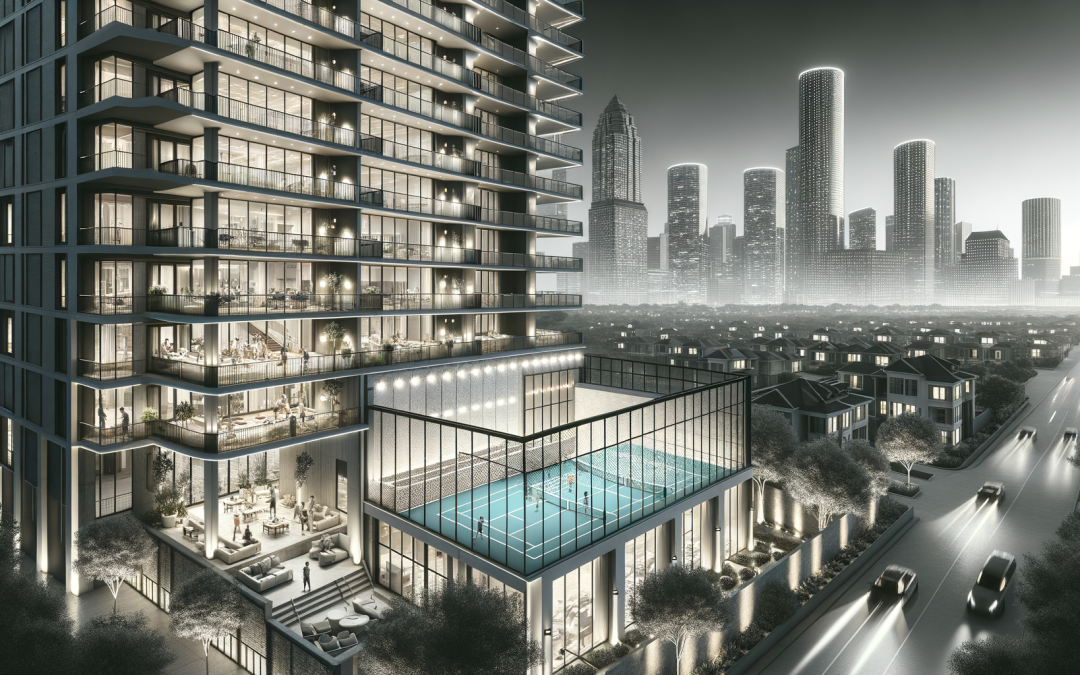
$100M River Oaks Luxury Condo Tower to Feature 45,000-Square-Foot Indoor Pickleball Club
Houston real estate news doesn’t often come with a genuinely “viral” amenity, but a newly announced River Oaks condo development is betting big on exactly that: a 45,000-square-foot indoor pickleball club built into a $100 million luxury condominium project. In a Texas luxury real estate landscape where high-end buyers already expect concierge service, resort-style pools, and premium finishes, this is the kind of lifestyle-forward feature that can separate a new tower from the pack.
The project is planned for one of Houston’s most coveted neighborhoods, with 31 residences and starting prices around $2.8 million. Beyond the headline pickleball club, the development’s pitch is clear: wellness-focused residential design that blends private, lock-and-leave living with a full slate of spa, hydrotherapy, fitness, and social spaces—right in the heart of the River Oaks real estate market.
What’s been announced for this River Oaks condo development?
The newly announced $100 million condo project is positioned as an ultra-luxury, boutique-scale tower in River Oaks, a submarket long associated with Houston’s top-tier residential addresses. With just 31 units, the building is targeting buyers who want privacy, high service levels, and the convenience of a managed luxury property without sacrificing space or design.
Pricing is expected to begin around $2.8 million, placing the residences firmly in the high-end Houston property category. That price point also aligns with a broader pattern across Houston luxury condos: buyers at the top of the market tend to prioritize quality of life, ease of ownership, and amenities that genuinely replace the need for a club membership across town.
Project representatives have highlighted a design-forward approach and a wellness-oriented amenity package, with the indoor pickleball club as the centerpiece. The development team and architectural group have been announced as part of the project’s early rollout, emphasizing a contemporary residential vision intended to complement River Oaks’ established prestige while delivering the kind of modern lifestyle programming buyers increasingly demand.
- Location: River Oaks, Houston
- Project cost: Approximately $100 million
- Residences: 31 units
- Starting prices: Around $2.8 million
- Signature amenity: 45,000-square-foot indoor pickleball club
- Positioning: Ultra-luxury, wellness-forward, boutique scale
As with any new development, details can evolve between announcement and delivery, but the early messaging signals a deliberate strategy: compete on experience, not just finishes. That’s especially relevant in luxury housing trends Texas, where top-end projects in Houston, Dallas, and Austin are increasingly defined by membership-style amenities and curated community spaces.
Why a 45,000-square-foot indoor pickleball club is the standout amenity
Pickleball has been a breakout recreational trend across Texas, but this River Oaks condo development takes it to a new level. A 45,000-square-foot indoor pickleball club isn’t a token court squeezed into an amenity deck—it’s an anchor facility designed to function like a private athletic club within a residential building.
For buyers comparing Houston luxury condos, that scale matters. Indoor play is also a practical advantage in Houston’s climate, where summer heat and humidity can make outdoor courts less appealing for much of the year. By bringing the sport indoors, the project is turning a popular pastime into a year-round lifestyle feature.
What this signals about Texas luxury real estate right now
In the upper tiers of Texas luxury real estate, many buyers are less focused on “how many amenities” and more focused on “which amenities actually change my routine.” A large-format indoor pickleball club checks several boxes at once: fitness, social connection, structured recreation, and a built-in way to meet neighbors without forcing a formal social calendar.
It also reflects a broader shift in luxury housing trends Texas: new projects are leaning into experiences that feel exclusive but approachable. The most successful high-end developments in Texas are increasingly the ones that create community on the buyer’s terms—optional, high-quality, and close to home.
From a marketability standpoint, this is also a clean differentiator. Many luxury towers offer comparable baseline features—valet, fitness center, pool, private dining room. A pickleball club of this size becomes the “tell your friends” element that helps a project stand out in a crowded media environment and in buyer conversations with brokers.
How wellness-focused residential design is shaping the building’s amenity mix
Beyond pickleball, the development’s planned amenity package reads like a modern wellness club integrated into a residential setting. That emphasis on wellness-focused residential design aligns with what luxury buyers across Houston and Texas have been gravitating toward since the early 2020s: spaces that support health, recovery, and stress reduction without leaving the property.
In practice, this typically means more than a treadmill room. High-end buyers want purpose-built spaces—quiet, comfortable, and professionally designed—that mirror what they’d find at a premium spa or boutique fitness studio.
According to the project’s early details, the wellness and social programming is expected to include spa and hydrotherapy components, a robust fitness offering, and a mix of resident gathering spaces. While the final list of features will be confirmed as the building moves through development and pre-sales, the overall direction is consistent with the top of the Houston luxury condos market: wellness is no longer an add-on; it’s part of the core product.
- Spa-style amenities: Treatments and relaxation spaces designed for recovery and downtime
- Hydrotherapy: Water-based wellness features that support muscle recovery and stress relief
- Fitness facilities: Elevated gym and training environments beyond a basic fitness room
- Social spaces: Resident lounges and gathering areas for casual community connection
This approach is also a direct response to how affluent buyers are using their homes. In River Oaks and other top Houston neighborhoods, many buyers already have access to private clubs, trainers, and spa services. But convenience is a luxury in itself, and integrated wellness features reduce friction in daily routines—especially for busy professionals, frequent travelers, and downsizers who still want an active social life.
What’s the construction timeline and expected completion?
The developer has indicated a multi-year construction timeline, which is typical for an ultra-luxury high-rise project in Houston once design, permitting, and pre-construction planning are accounted for. In the current environment—where construction costs, labor availability, and procurement schedules can influence delivery—most buyers should expect phased milestones: early sales and design finalization, site work and vertical construction, then interior build-out and amenity completion.
For prospective buyers, the most helpful way to think about timing is in two tracks: when the building expects to begin major construction activity and when residents can realistically plan for move-in. Early buyers in Houston luxury condos often secure a preferred residence, then track progress through periodic updates as the project advances toward completion.
While the project’s expected completion date will be refined as development moves forward, the announcement frames the building as a near-term addition to River Oaks’ luxury pipeline rather than a distant concept. Buyers considering a purchase should ask for the latest schedule updates, including anticipated groundbreaking, pre-sale timelines, and how finish selections and customization may affect individual delivery dates.
- Green flag: Clear milestones for construction start, topping out, and interior completion
- Green flag: Transparent process for finish selections and change orders
- Red flag: Vague delivery windows without defined phases or update cadence
- Red flag: Amenity promises without specifics on operator, access, or long-term maintenance plan
In high-end Houston property purchases, especially in new construction, the “how” matters as much as the “what.” A well-structured timeline and a well-capitalized development team can be just as important to buyer confidence as the amenity list.
What this means for the River Oaks real estate market and Houston’s ultra-luxury outlook
River Oaks has long been one of the most resilient and desirable neighborhoods in Houston, with a reputation for estate homes, prestige addresses, and proximity to the Galleria-area business and shopping core. But the River Oaks real estate market also includes a growing segment of luxury buyers who prefer condominium living—often as a primary residence for convenience, or as a second home for those splitting time between cities.
This project arrives at a moment when Houston’s ultra-luxury market has shown staying power. While housing demand across Texas can shift seasonally—spring typically bringing the strongest activity and late summer often seeing another bump before the holidays—high-net-worth buyers are less tied to school calendars and more influenced by lifestyle needs, portfolio decisions, and the availability of truly differentiated inventory.
In that context, the $100 million condo project is notable not only for its price point and location, but for its strategy. It’s leaning into the “vertical private club” concept, where the building’s amenities reduce the need to drive across Houston for fitness, recreation, and social connection. That’s increasingly attractive in a city known for its scale and car-centric patterns.
More broadly, luxury housing trends Texas suggest that the amenity arms race is evolving. In Austin, buyers have shown strong interest in wellness-driven communities and walkable urban convenience. In Dallas, luxury towers and high-end developments are competing on service, privacy, and sophisticated shared spaces. Houston is now pushing further into sports-and-wellness integration as a headline differentiator—an approach that could influence future Houston luxury condos and even ripple into other Texas markets.
For buyers, the practical takeaway is this: new luxury condos are being designed around how people actually live now. That includes working flexible hours, prioritizing health, and wanting social options that don’t require planning weeks in advance. An indoor pickleball club at this scale isn’t just a fun perk—it’s a statement about where the luxury market is heading.
For sellers and brokers watching Houston real estate news, the project is also a reminder that the top of the market is still willing to pay for uniqueness. In the ultra-luxury segment, the difference between “nice” and “must-see” is often a single feature that feels fresh, culturally relevant, and genuinely usable. In River Oaks, that feature may soon be 45,000 square feet of indoor courts and club-level wellness space—wrapped into a 31-residence address built for buyers who want their home to double as their lifestyle hub.

by Diego Bernal | Feb 4, 2026 | News Feed
Austin Residents Face an 8-Year Home Down Payment Savings Challenge
Austin’s housing story has shifted from “how fast can you buy?” to “how long will it take to save?” Recent analysis shows the typical Austin household now needs more than eight years to save for a down payment on a median-priced home. That’s longer than the national average and a clear signal that Austin housing affordability remains strained—even as prices have cooled slightly from the market’s peak.
For first-time buyers, that eight-year timeline isn’t just a statistic. It affects when (or whether) someone can become a homeowner, how much risk they take on, and what compromises they make on location, home type, or commute. Below is a Texas-specific breakdown of what’s driving the challenge, what it means for buyers and sellers, and practical ways to shorten the down payment savings runway without setting yourself up for payment shock.
How “8+ Years to Save” Is Typically Calculated
When analysts estimate how long it takes to build a down payment, they generally use a straightforward formula:
- Target down payment: Often 10% or 20% of the median home price (assumptions vary by study).
- Annual savings capacity: A percentage of household income after typical expenses and taxes, sometimes based on average savings rates.
- Time to goal: Target down payment divided by estimated annual savings.
The takeaway is less about the exact month count and more about direction: in Austin, home prices rose faster than incomes for years, while the cost of living increased enough to limit how much many households can realistically set aside.
Why it matters for real life budgeting
Saving for a down payment isn’t happening in a vacuum. Households are also juggling rent, transportation, childcare, student loans, and rising insurance costs. If your monthly surplus is thin, even “moderate” price growth can extend the timeline significantly.
What’s Driving Austin’s Down Payment Savings Challenge
1) Home prices are still high, even after a slight cooldown
Austin has seen some price softening compared to the frenetic period of 2021–2022. More listings, longer days on market, and more common price reductions have helped cool the market. But “cooling” doesn’t automatically mean “affordable.” The median home price remains high relative to local incomes, so the down payment target is still a tall order.
In practical terms: even a modest decline from peak pricing can still leave buyers facing a down payment that takes years to assemble—especially if they’re also trying to keep an emergency fund intact.
2) Income growth hasn’t fully kept pace
Austin’s job market has attracted new residents for years, including higher-earning households that can bid more aggressively. While wages have grown in many sectors, income gains haven’t uniformly matched housing cost increases. This imbalance shows up in affordability metrics and translates directly into longer down payment savings timelines.
For first-time buyers, the problem is often the “middle”: earning too much to qualify for some assistance programs, but not enough to comfortably save a large down payment while paying Austin-area rents.
3) The cost of living reduces monthly savings capacity
Housing affordability isn’t just the home price—it’s your ability to save while living in the market you’re trying to buy into. Austin’s cost of living has climbed alongside population growth and demand for services. Common pressure points include:
- Rent: Even with some easing, rent can consume the very dollars that would otherwise go to savings.
- Transportation: Commuting costs can rise if buyers move farther out to find lower prices.
- Utilities and everyday expenses: Groceries, childcare, and other essentials limit how quickly cash can accumulate.
Bottom line: if households can only save a small percentage of income after expenses, the down payment timeline stretches.
4) Inventory is improving, but not evenly across price points
One of the most important Texas real estate trends in recent years has been a gradual shift toward better inventory conditions compared to the ultra-tight market of the early 2020s. In Austin, inventory has improved, which can reduce bidding wars and give buyers negotiation leverage.
However, the supply of homes that are truly entry-level (especially single-family homes close to major job centers) is still limited. When more affordable homes are scarce, they attract more competition, and prices can stay sticky even as the broader market cools.
5) Higher interest rates changed the math
Even though the “eight-year” estimate focuses on saving the down payment, interest rates matter because they change what buyers can afford monthly. When rates rise, a buyer who could previously qualify for a larger loan may need to target a lower price point. That can help reduce the down payment target—unless lower-priced inventory is scarce, in which case the search becomes harder and longer.
This is a key point for homebuyer challenges in Austin: saving takes time, but affordability at purchase time can also shift while you’re saving.
What This Means for First-Time Buyers in Austin
An 8+ year savings horizon can make buyers feel like homeownership is out of reach. But it also encourages a more strategic approach. Here are the most common ways this challenge shows up for first-time buyers—and how to respond.
Pressure to use low-down-payment loans (and what to watch for)
Many first-time buyers consider FHA, VA, or conventional loans with lower down payments. This can shorten the savings timeline dramatically, but it’s important to understand the tradeoffs.
- Pros: Buy sooner; keep more cash for reserves; potentially start building equity earlier.
- Cons: Mortgage insurance (FHA and some conventional loans); potentially higher monthly payment; competitive situations may still favor stronger offers.
Green flag: You can afford the monthly payment comfortably, including insurance and taxes, and still have savings left over.
Red flag: You’re stretching to qualify and would have little cash after closing.
More interest in condos, townhomes, and farther-out suburbs
As single-family home prices stay elevated, many buyers pivot to condos, townhomes, or communities outside central Austin. This can be a smart move, but it should be evaluated as a long-term lifestyle decision, not just a price decision.
- Condo/townhome considerations: HOA dues, reserve funding, and rules can impact affordability.
- Location tradeoffs: A longer commute may raise transportation costs, offsetting some savings.
Delaying purchase can be costly—yet buying too soon can be risky
Waiting can help you save more, but it also exposes you to rent increases and the possibility that market conditions change while you’re on the sidelines. On the other hand, buying before you’re financially ready can lead to “house poor” stress. The goal is balance: buy when the payment fits your budget, your job situation is stable, and you have a cushion for surprises.
Austin Market Dynamics: Seasonal Patterns and Negotiation Leverage
Austin, like many Texas metros, tends to see seasonal activity. Spring and early summer often bring more listings and more buyer competition, while late fall and winter can be quieter—sometimes creating better negotiation opportunities for prepared buyers.
What a cooler market can mean for down payment strategy
When inventory is healthier and bidding wars are less common, buyers may be able to:
- Negotiate price reductions that lower the down payment target.
- Ask for seller concessions to cover closing costs (freeing up cash reserves).
- Request repairs or credits after inspection.
These aren’t guaranteed outcomes, but they’re more realistic in a balanced market than in a frenzy.
Step-by-Step: Practical Ways to Shorten the Down Payment Timeline
Step 1: Get pre-approved early (not just pre-qualified)
A pre-approval gives you a lender-reviewed estimate of what you can borrow and what your payment might look like. This helps you set a realistic down payment goal and price range.
- Bring: pay stubs, W-2s, tax returns (if needed), bank statements, and ID.
- Ask for: a payment estimate that includes taxes and insurance—not just principal and interest.
Common mistake: Shopping based on an online calculator alone and ignoring taxes, homeowners insurance, and HOA dues.
Step 2: Choose a down payment target that matches your loan plan
In Austin, many buyers assume they must save 20%. That’s a great goal for avoiding private mortgage insurance (PMI) on many conventional loans, but it’s not the only path. A smaller down payment can be reasonable if your budget supports the monthly payment and you keep adequate reserves.
- Green flag: You can still keep 3–6 months of expenses saved after closing.
- Red flag: You’re draining retirement accounts or leaving yourself with no emergency fund.
Step 3: Build a “total cash to close” plan, not just a down payment plan
Cash to close often includes the down payment, closing costs, prepaid items, and sometimes appraisal gap coverage (in competitive situations). In Texas, buyers also need to plan for ongoing costs like property taxes and insurance, which can be significant.
Tip: Ask your lender for a sample Loan Estimate-style breakdown early so you can create a realistic savings timeline.
Step 4: Use market conditions to your advantage
In a market with improving inventory, consider strategies that preserve your savings:
- Request seller concessions: This can reduce the upfront cash you need for closing costs.
- Consider rate buydowns: Seller-paid buydowns may lower initial payments, depending on lender options and pricing.
- Expand your search thoughtfully: Compare total monthly cost (including commute and HOA), not just the list price.
Step 5: Treat inspections and negotiations as financial protection
A thorough inspection helps you avoid surprise expenses right after move-in—expenses that can wipe out the savings you worked years to build.
- Inspection green flags: Seller provides documentation of past repairs; major systems show signs of maintenance; few safety issues.
- Inspection red flags: Foundation movement beyond typical wear, roof nearing end-of-life, repeated water intrusion, or deferred maintenance that suggests bigger hidden problems.
Negotiation isn’t about “winning.” It’s about aligning the purchase price and repair responsibilities with the home’s condition and the current market.
Implications for Sellers: Affordability Affects Demand
When it takes more than eight years to save a typical down payment, the buyer pool can shrink—especially among first-time buyers. For sellers, this means pricing strategy and home presentation matter more than they did during the peak frenzy.
Seller strategies that can help in an affordability-tight market
- Price to the market: Overpricing can lead to longer days on market and larger reductions later.
- Offer concessions strategically: Helping with closing costs can make a home more accessible without a big headline price cut.
- Prioritize repairs that impact financing: Address issues that could complicate appraisal or underwriting, especially for FHA and VA buyers.
This is where understanding Texas real estate trends locally matters: Austin’s market can change quickly depending on mortgage rates, tech hiring, and the pace of new listings.
Outlook: What Could Change the Savings Timeline (and What Might Not)
The eight-year savings challenge could ease under certain scenarios, but it’s best viewed as an estimate, not a guarantee. Here are the forces that typically move the needle:
- If home prices stabilize or soften further: The down payment target may shrink, especially for buyers who remain disciplined with savings.
- If incomes rise faster than housing costs: Savings capacity can improve, shortening the timeline.
- If inventory continues to normalize: Buyers may gain leverage, reducing the likelihood of overbidding and helping prices align more closely with fundamentals.
- If rates decline meaningfully: Monthly affordability may improve, but lower rates can also increase competition, which may support prices.
In other words, there isn’t one single lever. Austin housing affordability is shaped by jobs, supply, migration, financing conditions, and everyday household expenses.
Bottom Line: Planning Beats Guessing
More than eight years to save for a down payment is a real hurdle, and it helps explain why homebuyer challenges in Austin feel so persistent. But buyers aren’t powerless. The best approach is to combine a realistic loan plan, a full “cash to close” budget, and a strategy that accounts for Austin’s inventory and seasonal patterns.
If you’re serious about buying in the next 12–24 months, focus on the controllables: tighten your savings plan, get pre-approved, watch total monthly costs, and use negotiations wisely. In a market that’s no longer defined by constant bidding wars, preparation can translate into both savings and confidence.

by Diego Bernal | Feb 4, 2026 | News Feed
Texas Housing Market Shifts: Shrinking Listings, Record Luxury Sales, and Affordable Trends Driving 2026
A Texas market resetting in real time
Texas housing is heading into 2026 with a set of crosscurrents that matter for everyone from first-time buyers to luxury sellers: inventory is improving statewide, but not evenly; affordability is still strained by mortgage rates; and demand is splitting into two fast-moving lanes—high-end buyers snapping up million-dollar homes and value-focused shoppers turning to smaller, cheaper ownership options. This latest wave of Texas housing market news is less about a single boomtown headline and more about how different regions are adapting to the same pressures: higher borrowing costs, shifting migration patterns, and a growing preference for negotiating power and predictable payments.
In recent Texas real estate report indicators, pricing has generally stabilized compared with the frenzy of earlier years, while more listings have given buyers breathing room in many metros. Yet the state’s picture is uneven. San Antonio is showing signs of market turmoil with a sharp pullback in fresh supply. Houston, meanwhile, has emerged as one of the nation’s more buyer-friendly large markets, a designation that signals a meaningful shift in leverage. Layer in a major adaptive reuse project near Baylor University and the rapid rise of tiny homes in Texas, and the takeaway is clear: the state is not cooling uniformly—it’s reorganizing.
San Antonio’s listing shock and what it signals for 2026
One of the most consequential developments for Texas real estate trends 2026 is the sudden contraction in new supply in the San Antonio metro. The San Antonio home listings drop is not simply a monthly wobble; it has shown up as a sharp year-over-year decline in new listings, a key measure because it reflects seller confidence and household mobility. When new listings fall quickly, buyers can feel “stuck” competing over the limited number of well-located, well-priced homes, while sellers who do list may discover that demand is more selective than it was during the pandemic-era sprint.
Local agents describe a market in which would-be sellers are hesitating, often because they are locked into ultra-low mortgage rates from prior years and don’t want to trade them for today’s higher financing costs. That lock-in effect is especially potent in family-oriented neighborhoods across Bexar County and the broader metro where homeowners tend to stay put longer. As one San Antonio-area broker put it recently, “People will list if they have to, not because they want to—job changes, divorce, growing families. Otherwise, they’re holding onto the rate they have.” That dynamic can shrink the flow of new options even when there’s still underlying demand.
At the same time, the demand side is no longer carefree. High mortgage rates have changed the math for move-up buyers, and the region’s affordability advantage—while still meaningful compared with Austin—has narrowed for many households shopping at today’s monthly payments. Buyers are also more sensitive to insurance costs, property taxes, and maintenance, which can push older homes with deferred updates out of the “safe” range for first-time purchasers. In practice, agents say the market feels split: the best homes in the best pockets can still attract quick interest, while properties that are overpriced relative to their condition or location are sitting longer than sellers expect.
The tension between fewer new listings and more rate-constrained demand creates an imbalance that doesn’t always look like the old definition of a seller’s market. You can have tight fresh inventory and still see sluggish momentum if buyers are cautious, especially in the mid-price tiers where payment sensitivity is highest. For San Antonio, that’s an important 2026 storyline: fewer homes coming on the market can keep prices from falling quickly, but it can also reduce transaction volume and slow the move cycle that feeds the region’s broader housing ecosystem.
Houston’s buyer-friendly moment and why it matters statewide
While parts of Texas are wrestling with uneven supply, Houston is leaning into a different identity: the Houston buyer friendly housing market narrative. National rankings that recently placed Houston among the more buyer-friendly markets in the U.S. reflect metrics Texas consumers care about right now—more active listings, longer days on market, and a higher likelihood that sellers will negotiate on price or concessions. In a state as interconnected as Texas, Houston’s dynamics matter beyond the metro area because they influence relocation decisions, investor strategies, and even how builders allocate future starts.
Houston’s competitive edge is rooted in fundamentals that have long defined the region: relatively abundant land, a development pipeline that can respond to demand, and a housing stock diverse enough to offer multiple “on-ramps” for buyers. In plain terms, shoppers often have choices across suburban new construction, established neighborhoods, and townhome-style living closer to job centers. When buyers have options, they also have leverage—especially if a seller’s home needs updates, is priced optimistically, or is competing with newer inventory nearby.
That negotiation power shows up in the kinds of deals that felt rare a few years ago. Buyers are again discussing seller-paid closing costs, mortgage-rate buydowns, repair credits, and flexible timelines. Those concessions don’t necessarily mean prices are collapsing; they often mean sellers are meeting buyers where affordability Texas realities are most visible: the monthly payment. For many households, a temporary rate buydown or a credit that reduces upfront cash can be the difference between staying on the sidelines and closing a purchase.
Statewide, Houston’s buyer-friendly stance can act as a pressure valve. When buyers in higher-cost metros can’t make the numbers work, Houston becomes an alternative that still offers major-city jobs and amenities. That can redirect demand and soften extremes elsewhere. It also sets expectations: once buyers experience negotiation leverage in one part of Texas, they’re less likely to accept “take it or leave it” pricing in another. For 2026, Houston may continue to serve as a reference point for what a balanced market looks like in a high-rate environment.
Statewide baseline: what recent Redfin-style indicators say about Texas
Across Texas, broader market indicators have been pointing toward a slow rebalancing. Recent Redfin market data trends have shown prices generally steadier than in prior years, inventory levels higher than the ultra-tight conditions of the early 2020s, and a slight rise in the number of homes sold last quarter compared with the prior period. Those signals matter because they suggest the market is not freezing; it is functioning, but with more friction and more selectivity.
Higher inventory is a particularly important piece of the Texas real estate report conversation. More supply doesn’t automatically mean falling prices; it often means buyers can take time to compare properties, request repairs, and avoid waiving protections like inspections. In practical terms, a healthier inventory level reduces the chance that one bidding war sets the tone for an entire neighborhood. It also reveals which sellers are realistic. Homes priced in line with recent comparable sales—especially those with clean inspection profiles and updated systems—tend to move. Homes priced as if mortgage rates were still three percent often do not.
A slight rise in sales volume is another meaningful indicator because it suggests households are adjusting to the new normal. Buyers are recalibrating expectations around size, location, and amenities, and sellers are more willing to negotiate in exchange for certainty. For first-time buyers, the biggest statewide challenge remains housing affordability Texas households feel at the payment level, not necessarily at the sticker price. That’s why rate buydowns, builder incentives, and strategic negotiations are becoming core features of the market’s day-to-day reality heading into 2026.
Historic adaptive reuse near Baylor: a church becomes a seven-story student housing complex
Not all housing supply comes from traditional subdivisions or garden-style apartments. One of the most striking examples of Texas communities adapting to demand is unfolding in Central Texas, where a 127-year-old church is being converted into a seven-story student housing complex near Baylor University. The Baylor student housing project is a vivid illustration of how adaptive reuse—repurposing an existing structure for a new residential use—can expand housing options in land-constrained or high-demand pockets while preserving elements of local history.
The scope of the redevelopment is ambitious: a multi-story student housing build that incorporates the historic church footprint into a much larger residential program. Projects like this typically involve a mix of structural preservation, careful engineering, and extensive coordination with city planning departments and historic review stakeholders where applicable. Developers are drawn to these conversions because the underlying location is often irreplaceable. Near a major university, the demand drivers are persistent, seasonal, and less dependent on traditional homebuying cycles. Leasing patterns follow the academic calendar, and the product is tailored to students who prioritize proximity and convenience over square footage.
For the neighborhood, the timeline is as important as the design. Adaptive reuse projects can take longer than conventional builds because surprises are common once walls are opened and foundations are evaluated. Expect extended pre-construction planning, followed by phased construction that aims to align delivery with a school-year leasing cycle. When these projects succeed, they can relieve pressure on nearby single-family rentals, which are often pulled into the student market during shortages. When they stumble, the risk is disruption without immediate payoff. The fact that developers are pursuing complex conversions anyway is a signal: demand for well-located student housing remains strong enough to justify the extra time and cost.
This project also underscores a broader 2026 theme in Texas: the state’s growth is pushing housing solutions beyond the standard playbook. Whether it’s vertical student housing near Baylor or infill townhomes inside major metros, the market is increasingly rewarding creative supply where land, infrastructure, and proximity to jobs or campuses are at a premium.
Tiny homes in Texas: fast-selling affordability with real tradeoffs
As affordability pressures persist, tiny homes in Texas are moving from niche curiosity to a serious entry point for some buyers who feel priced out of conventional single-family homes. Dealers and builders around the state report that affordable tiny house models are selling quickly, particularly in regions where buyers can pair a small home with family land, rural lots, or communities that allow small-footprint living. The appeal is straightforward: lower purchase prices, potentially lower utility costs, and a simpler path to ownership for people who are tired of rising rents.
Buyer motivations tend to fall into a few recognizable Texas patterns. Some are young households aiming for a manageable payment and the psychological benefit of ownership. Others are retirees or empty nesters who want to downsize without leaving their communities. And a growing share are buyers looking for a flexible second unit—sometimes as a guest house, sometimes as a short-term or medium-term rental—where local rules allow it. In conversations with shoppers, one theme comes up repeatedly: predictability. When a traditional home’s total monthly cost feels like a moving target due to rates, taxes, insurance, and repairs, the smaller footprint can feel like a way to regain control.
Still, tiny-home momentum doesn’t erase the practical hurdles. Zoning, deed restrictions, and utility hookups are the make-or-break details. Many Texas municipalities and suburban HOAs restrict minimum square footage, RV-style units, or detached accessory dwellings, and rural areas can present challenges with water, septic, and permitting. Financing can also be tricky. Some tiny homes are treated more like personal property than real estate, which can mean higher interest rates or different loan structures than a standard mortgage. Buyers considering this path often benefit from talking with a local lender early and confirming how the home will be titled, how land will be secured, and what’s required for insurance.
Even with those constraints, the rapid sales pace is a telling signal about housing affordability Texas residents are grappling with. The tiny-home surge is not merely a trend; it is a market response. It shows that when traditional affordability is strained, Texans will explore ownership models that match their budgets and lifestyles, especially in areas where land is available and local regulations are accommodating.
Luxury market spotlight: record million-dollar sales reshape the narrative
At the other end of the spectrum, Texas million dollar home sales have been setting records in recent statewide reports, adding a powerful counterpoint to the affordability conversation. While the exact totals vary by source and period, the consistent finding has been clear: the share and volume of $1 million-plus transactions have climbed to new highs, signaling sustained high-end demand even as mortgage rates weigh on the broader market.
This luxury growth is concentrated in familiar corridors—Austin’s high-demand neighborhoods and Hill Country adjacent communities, Dallas-Fort Worth’s established luxury enclaves, and parts of Houston where executive housing, energy-sector wealth, and global business ties support higher price points. But what’s noteworthy heading into 2026 is how normalized the million-dollar threshold has become in places that were once considered firmly “move-up” rather than luxury. Some of that is inflation and replacement cost. Some of it is migration-driven demand from higher-cost states. And some of it is simply that new construction at the top end is delivering a product—modern finishes, energy efficiency, amenity-rich lots—that commands premium pricing.
Luxury buyers also behave differently. Many have larger down payments, significant equity from prior homes, or the ability to purchase with less reliance on mortgage financing. That insulates the luxury segment from some rate sensitivity, though it doesn’t make it immune. In the current environment, even high-end buyers are negotiating harder on inspection findings, demanding higher-quality condition, and weighing property tax exposure carefully—especially in counties where valuations and tax bills can surprise new arrivals.
For the broader market, record luxury sales matter because they affect comps, appraisals, and perceptions. In certain pockets, a handful of high-end closings can lift neighborhood medians even if entry-level and mid-tier homes are slower. That’s why reading statewide numbers without local context can be misleading. The luxury surge is real, but it doesn’t mean every segment is experiencing the same heat. As a 2026 signal, it suggests Texas continues to attract high-earning households and capital, even as the typical buyer is navigating tighter affordability.
How these trends collide heading into 2026
Put together, the current Texas housing story is less about a single statewide direction and more about a market sorting itself by price point and local conditions. The San Antonio home listings drop highlights how quickly supply can tighten when rate lock-in meets seller hesitation. Houston’s buyer-friendly housing market status shows how increased choices can restore negotiation norms and cool unrealistic pricing. The Baylor student housing project demonstrates how institutional properties and historic structures can be repurposed to meet specific demand pockets, especially in university-centered economies. And tiny homes in Texas are a reminder that affordability stress often produces innovation before it produces relief.
For buyers, the most important implication is that leverage is local. In some Texas ZIP codes, especially where inventory has rebuilt, buyers can reintroduce sensible protections: financing contingencies, inspection negotiations, and requests for seller concessions that reduce cash at closing. In tighter micro-markets, buyers may still need to move quickly on the right home, but “right” increasingly means properly priced and inspection-ready, not merely available. Pre-approval remains essential in this environment, not as a formality but as a way to understand your real payment range and to compete without overextending. Sellers, in turn, are benefiting from treating listing preparation as strategy: pricing to the market, addressing obvious repairs early, and presenting clean, well-documented condition to reduce renegotiation after inspections.
Looking toward Texas real estate trends 2026, a few scenarios seem plausible. If mortgage rates ease modestly, pent-up demand could translate into more transactions, especially in mid-tier price bands where households are waiting for a clearer payment picture. If rates stay higher for longer, the market may continue its selective rhythm: well-priced homes sell, marginal listings linger, and concessions remain a key tool in many metros. Either way, the state’s growth fundamentals—jobs, population inflows, and business investment—should keep housing demand present, but increasingly segmented by affordability, location, and lifestyle fit.
For readers tracking Texas housing market news, the most useful takeaway is to watch leading indicators that reflect real behavior: new listings by metro, months of inventory, days on market, and the share of homes selling with concessions. Those metrics will tell you where the market is loosening, where it’s tightening, and where opportunities are forming. In a state as large and fast-evolving as Texas, the headline isn’t “up” or “down.” It’s adaptation—and 2026 is shaping up to reward both informed patience and decisive action when the right deal appears.

by Diego Bernal | Feb 4, 2026 | News Feed
Austin Launches $13M Congress Avenue Revitalization Project to Boost Local Economy
Why This Project Matters for Downtown Austin (and Texas Real Estate Development)
Congress Avenue has long been one of Austin’s most recognizable streets—a front door to the Capitol, a connector between the lake and downtown, and a hub for dining, offices, hotels, and events. Now, the City of Austin is investing $13 million to refresh and modernize this premier corridor through the Congress Avenue Urban Design Initiative, an urban revitalization effort designed to make the street safer, greener, and more welcoming for daily use and big-city moments alike.
For buyers, sellers, and investors watching Texas real estate development trends, improvements like this can be a meaningful signal. Upgrades to downtown Austin infrastructure often ripple outward: better walkability can boost retail performance, improved public spaces can raise the area’s desirability, and safer bike and pedestrian access can strengthen the lifestyle appeal that helps downtown neighborhoods and condos hold value across market cycles.
Project Overview: What Austin Is Building on Congress Avenue
The City of Austin’s $13 million revitalization project focuses on streetscape and mobility improvements along Austin Congress Avenue in downtown. The initiative aims to enhance the public right-of-way—think sidewalks, crossings, landscaping, and the feel of the street—so it functions better for residents, workers, visitors, and special events.
Core Goals of the Congress Avenue Urban Design Initiative
- Improve safety and comfort for pedestrians and cyclists, especially at crossings and along high-traffic blocks.
- Add greenery and shade to make the corridor more comfortable in Austin’s long warm season and reduce the “heat island” effect.
- Upgrade the streetscape to support downtown retail, restaurants, hotels, and office activity with a more inviting public realm.
- Set the stage for future phases that can create event-friendly public plazas and flexible gathering spaces.
Timeline and Construction Phasing: What to Expect Through Summer 2027
Construction is beginning at Congress Avenue & César Chavez, a highly visible location near the lake and a key gateway into the core of downtown. The City anticipates work continuing through summer 2027, with additional future phases envisioned to move Congress Avenue closer to a plaza-forward, event-friendly corridor.
What the Phased Timeline Likely Means for Residents and Businesses
Because Congress Avenue is a central artery, the City’s approach is expected to be phased—working block by block or segment by segment to keep access open as much as possible. In practice, that usually means:
- Short-term impacts: intermittent lane shifts, temporary sidewalk reroutes, and periodic noise during active construction windows.
- Access planning: businesses may see changing curb access for deliveries and ride-share pickups.
- Long-term payoff: completed segments should steadily improve the pedestrian environment as the project progresses.
For anyone considering a move or an investment near downtown Austin, it’s wise to ask for the most current construction maps and staging details when touring properties—especially if street access, parking, or quiet work-from-home space is a priority.
Funding Sources: How a $13M Streetscape Project Typically Comes Together
The City of Austin has announced a $13 million budget for this phase of the Congress Avenue revitalization. While major streetscape projects can be funded in different ways, city-led urban revitalization initiatives like this are commonly supported through combinations of local capital budgets, transportation and infrastructure allocations, and other public funding mechanisms tied to city planning priorities.
For homeowners and prospective buyers, the key takeaway is less about the accounting line items and more about what the funding signals: the City is placing real resources behind downtown Austin infrastructure, indicating confidence in Congress Avenue as a long-term economic engine and civic space.
Key Improvements: Streetscape, Greenery, and Better Pedestrian and Bike Access
Austin’s growth has brought more residents downtown and more visitors year-round—especially during festival seasons and major events. Congress Avenue already carries heavy foot traffic, but parts of the corridor can feel exposed in the summer, crowded at peak times, and challenging to navigate on foot or bike. The new improvements aim to address those pain points directly.
1) Streetscape Upgrades That Support a More Walkable Corridor
Streetscape improvements typically include better sidewalk conditions, clearer pedestrian zones, updated materials, and design elements that make storefront areas easier to enjoy. On a retail and dining corridor like Austin Congress Avenue, these details matter because they shape how long people linger and how comfortable they feel walking multiple blocks.
2) More Greenery (and Why Shade Is a Big Deal in Austin)
In Central Texas, shade can be the difference between an enjoyable stroll and an avoided block. Added greenery—often including street trees and landscaped zones—can cool the corridor, improve aesthetics, and create a more welcoming “main street” experience. For downtown Austin, where summer temperatures can influence foot traffic patterns, greening strategies can help keep street-level activity stronger across more months of the year.
3) Better Pedestrian Crossings and Bike Access
Improving pedestrian and bike access usually focuses on safety and flow: better crossings, clearer routes, and designs that reduce conflict points. In a dense urban environment, these changes can also support “last mile” trips—walking from parking or transit to offices, restaurants, hotels, and residential towers.
From a real estate perspective, corridors that are comfortable without a car tend to attract a wider range of buyers and renters, including remote workers who want an urban lifestyle and downsizers seeking convenience.
Future Phases: Event-Friendly Public Plazas and Flexible Downtown Space
Austin is known for its street life and event calendar, and Congress Avenue often functions as a natural stage—whether for celebrations, parades, or major downtown gatherings. The City’s broader vision includes future phases aimed at creating event-friendly public plazas along the corridor.
Plaza concepts typically focus on flexible public spaces that can accommodate everyday seating and weekend crowds without compromising mobility. For city planning, that means designing areas that are inviting on a quiet Tuesday but can still handle a surge of pedestrians during high-demand periods.
How Plazas Can Influence the “Feel” of Downtown
- More places to pause: seating, shade, and landscaping can turn pass-through blocks into destinations.
- Better event logistics: designed gathering areas can reduce ad-hoc crowding and improve safety.
- Stronger street-level business performance: more time spent on the street often translates to more spending at nearby businesses.
Economic Development Impact: Why Cities Invest in Corridors Like Congress Avenue
Urban revitalization projects are often economic development tools in disguise. When a city improves the public realm—sidewalks, trees, crossings, lighting, and plazas—it’s making it easier for businesses to succeed and for people to choose the area for work, living, and leisure.
Expected Benefits for Downtown Austin’s Local Economy
- Higher foot traffic quality: not just more people, but more comfortable movement that supports retail and dining.
- Tourism and convention appeal: a polished corridor strengthens Austin’s visitor experience and supports hotel and hospitality performance.
- Business retention and recruitment: companies weigh “place” and employee experience when choosing office locations.
- Enhanced civic identity: Congress Avenue is a symbolic street; improvements can reinforce the city’s brand.
Of course, the timeline matters. Construction can temporarily disrupt customer patterns. But the long runway to summer 2027 suggests the City is aiming for durable, high-quality results rather than quick fixes.
Real Estate Appeal: What This Could Mean for Values, Demand, and Buyer Preferences
Real estate markets respond to a mix of fundamentals—jobs, affordability, interest rates, and supply—but neighborhood experience matters, too. Downtown Austin infrastructure investments can influence how buyers and renters compare one building or block to another, especially in the condo and luxury rental segments where walkability and “street vibe” are major drivers.
Potential Upside for Nearby Properties
- Improved walkability: easier access to dining, offices, hotels, and waterfront amenities can increase desirability.
- Stronger retail corridors: healthy street-level businesses tend to support neighborhood stability and appeal.
- Long-term confidence signal: city planning investments suggest ongoing commitment to downtown vitality.
What to Watch During Construction (Short-Term Tradeoffs)
- Noise and access changes: if you’re buying a condo near the work zone, ask about typical work hours and staging.
- Parking and pick-up patterns: curb adjustments can affect ride-share convenience and guest access.
- Retail turnover: some small businesses may struggle during prolonged construction, while others benefit from the eventual upgrade.
In Austin, seasonal market dynamics also come into play. Spring and early summer are often peak moving seasons, which can magnify how construction is perceived. For sellers, timing photos and showings to avoid heavy construction activity near your building (when possible) can help maintain first impressions.
Practical Guidance for Buyers: How to Evaluate a Home Near a Major Streetscape Project
If you’re considering buying near Austin Congress Avenue while this urban revitalization work is underway, you can make a smart decision with a little extra due diligence. Here’s a simple checklist to keep the process buyer-friendly.
Step-by-Step: What to Ask Before You Buy
- Step 1: Confirm proximity to active phases. Ask your agent to map the building to current and upcoming construction segments.
- Step 2: Tour at different times of day. Visit during morning commute, lunch hours, and evening to gauge noise and access.
- Step 3: Ask about building sound insulation. In condos, window quality and HVAC can materially change comfort during construction.
- Step 4: Review HOA documents carefully. Look for notes about access changes, loading zones, or planned building coordination with city work.
- Step 5: Budget for lifestyle flexibility. If you rely on one driveway, one parking entrance, or regular ride-share pickups, plan for temporary adjustments.
Green Flags
- Clear building communication about access and deliveries
- Strong resale comps and steady demand in the immediate area
- Unit orientation that minimizes street noise (higher floors, interior-facing layouts)
Red Flags
- Uncertainty about long-term access to parking or loading
- Units that rely heavily on street-facing outdoor space during the hottest months without shade
- HOA financial stress that could limit building maintenance during a multi-year city project
Practical Guidance for Sellers: How to Market Well During Multi-Year Construction
Selling near a major downtown Austin infrastructure project isn’t automatically a disadvantage. The key is positioning: acknowledge the near-term inconvenience while clearly explaining the long-term benefit and lifestyle upside.
Step-by-Step: Seller Strategy That Usually Works
- Step 1: Price with the current reality in mind. Buyers may discount for construction impacts, even if they like the long-term story.
- Step 2: Lead with benefits that exist today. Walkability, views, building amenities, and proximity to major employers still matter.
- Step 3: Provide a simple project summary in your listing packet. A clear timeline and planned improvements help buyers feel informed rather than wary.
- Step 4: Optimize showing times. Schedule around peak construction periods when possible.
- Step 5: Use strong interior photography. If exterior streets are disrupted, highlight the comfort and functionality of the home itself.
How This Fits Into Broader City Planning and Market Trends in Austin
Austin’s growth story has increasingly shifted toward “quality of life infrastructure”—projects that help dense urban areas function better as more people live, work, and spend time downtown. This Congress Avenue effort fits a familiar Texas real estate development pattern: pair vertical growth (residential towers, offices, hotels) with public-realm upgrades that support mobility, safety, and street-level commerce.
It also aligns with what many buyers say they want: neighborhoods where they can walk to coffee, dinner, parks, and entertainment without feeling like they’re dodging traffic or baking in the sun. While no single project guarantees price appreciation, a consistent city planning approach tends to make downtown more resilient and attractive over time.
Bottom Line: A Multi-Year Investment in Austin’s Signature Street
The City of Austin’s $13 million Congress Avenue revitalization is a practical, place-making investment in one of the city’s most important downtown corridors. By improving streetscape conditions, adding greenery, and strengthening pedestrian and bike access—starting at Congress & César Chavez and continuing through summer 2027—the City is working to support economic development and enhance the real estate appeal of downtown Austin.
For residents and businesses, the next few years may bring detours and disruption. But for the long-term health of Austin Congress Avenue, the project signals a clear intention: make downtown easier to navigate, more comfortable to enjoy, and better prepared for the next chapter of growth.
by Diego Bernal | Jan 30, 2026 | News Feed
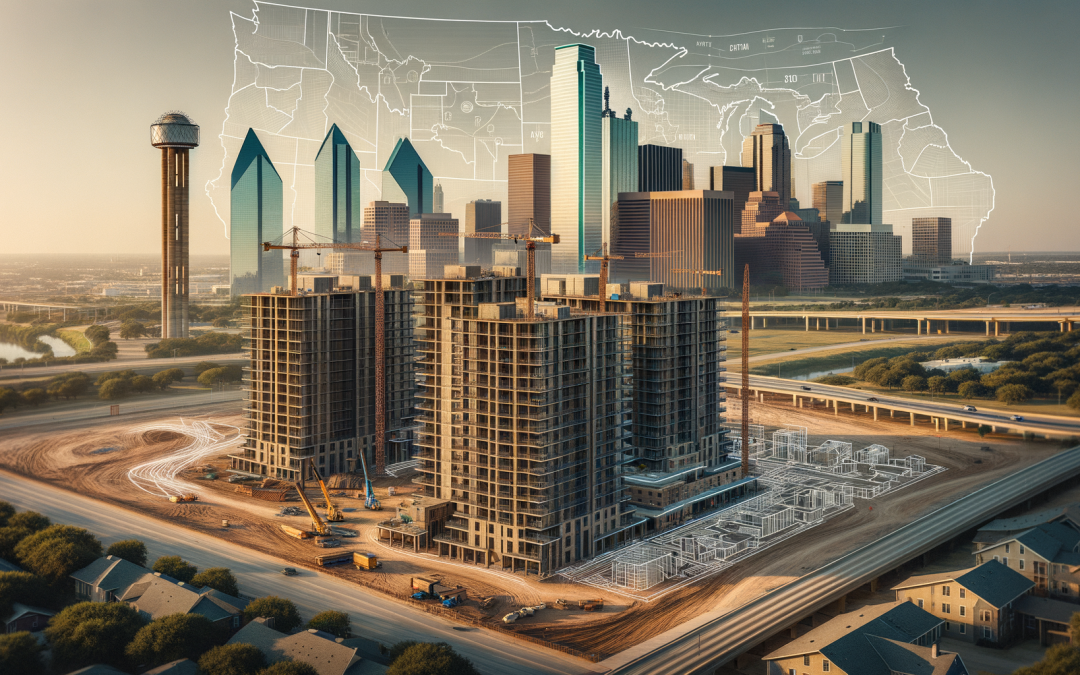
Dallas Trails in Affordable Housing Construction Compared to Other Texas Cities
Why Dallas’s Affordable Housing Pipeline Matters Right Now
Across North Texas, the conversation around Dallas affordable housing has shifted from “Is there a shortage?” to “How long will it take to catch up?” Rents rose quickly during the pandemic-era surge, and while parts of the Metroplex have seen more concessions and slower rent growth recently, the underlying gap between wages and housing costs remains a daily reality for many renters.
Affordable housing construction is especially important because it’s one of the few tools that can improve long-term stability for low- and moderate-income households. When enough affordable apartments come online in the right locations, it reduces displacement pressure, keeps commutes manageable, and helps employers retain workers. When the pipeline is thin, real estate supply issues spill over into everything else: overcrowding, longer waitlists, higher turnover, and greater strain on social services.
This market brief looks at Texas housing construction patterns with a focus on how Dallas compares with Austin and San Antonio. While each city has distinct land-use rules, funding tools, and neighborhood dynamics, they’re all trying to solve the same core problem: building (and preserving) more housing that working Texans can actually afford.
How We’re Defining “Affordable” in This Brief
In Texas, “affordable” can mean different things depending on who is funding the deal. Most regulated projects tie rents to a percentage of Area Median Income (AMI), commonly 30%, 50%, 60%, or 80% AMI. A typical affordable development might include units priced for households earning up to 60% AMI, often supported by the federal Low-Income Housing Tax Credit (LIHTC) program.
It’s also worth separating two categories that often get lumped together:
- Income-restricted affordable housing (regulated rents and tenant income limits, usually with long compliance periods).
- Market-rate apartments with “naturally occurring affordability” (older properties with lower rents, but no guarantee they stay that way after renovations or ownership changes).
This article focuses on income-restricted construction trends and the policy environment that influences whether those projects pencil out.
Dallas’s Affordable Housing Construction: Momentum, But Not Enough
Dallas has a large and diverse rental market, and the city sits at the center of some of the most important Metroplex housing trends: strong job growth, steady population inflows, and a development ecosystem that can deliver a lot of units when financing and zoning cooperate. Yet Dallas still trails peer cities on the pace of affordable production relative to need, especially at lower income bands.
What’s driving the shortfall?
Local housing advocates and development teams often point to the same friction points: limited subsidy per unit, competition for LIHTC allocations, rising construction costs, and neighborhood opposition in certain areas. Even when a site is well-located near jobs and transit, entitlement timelines and design requirements can add cost and uncertainty. Those “soft costs” are a major part of today’s real estate supply issues, because a deal that sits for months can lose its financing assumptions.
Why Dallas feels the squeeze more acutely
Dallas renters are competing in a metro where market-rate building has been active for years, but the lowest-income demand is not met by market-rate supply. When higher-income renters lease brand-new units, that can help reduce pressure elsewhere over time, but it doesn’t quickly solve the needs of households paying more than 30% (or even 50%) of their income on rent.
In practical terms, Dallas can be building a lot of apartments overall and still fall behind on affordability. That’s the heart of the Dallas story: strong overall multifamily capacity, but a constrained pipeline of deeply affordable units.
Austin vs. Dallas vs. San Antonio: Different Tools, Different Results
Comparing Dallas to Austin and San Antonio is helpful because the cities reflect three distinct approaches to affordability in Texas. They share statewide constraints (like how Texas structures property taxes and state-level housing programs), but local policy choices still matter a lot.
Austin: Aggressive Policy, High Costs
Austin has pushed hard on affordability through bond programs, density changes in targeted areas, public-private partnerships, and local incentives. The city’s housing conversation is often shaped by rapid price growth and limited “easy” land. The upside is that affordability is front-and-center politically, which can generate funding and program experimentation. The challenge is that Austin’s land and construction economics are tough: high land prices mean the subsidy required per affordable unit can be substantial.
For renters, Austin’s efforts may produce more regulated affordable units in certain corridors, but the waiting lists remain a reality. For developers, even with incentives, the feasibility gap can be large.
San Antonio: Steady Production and Preservation Focus
San Antonio tends to be viewed as a market with comparatively lower costs and a strong track record of using housing funds to support both new construction and preservation. Because the baseline rent levels are often lower than Dallas or Austin, a city dollar can sometimes stretch further. That can translate to a steadier pipeline of affordable apartments—especially when paired with LIHTC deals and supportive infrastructure planning.
San Antonio also benefits from a long-running emphasis on neighborhood stabilization and rehabilitation in certain areas. Preservation matters because saving an existing affordable unit is often cheaper than building a new one, particularly when construction costs are volatile.
Dallas: Big Metro Growth, Fragmented Decision-Making
Dallas is the core city of a huge region with many independent municipalities. That regional growth is an asset, but it can also dilute affordability strategies. When jobs and housing production are spread across city lines, policies need coordination to ensure lower-wage workers aren’t pushed farther from employment centers.
Dallas has initiatives and programs aimed at affordability, but the perception among many stakeholders is that the scale of investment and the speed of execution haven’t yet matched the pace of need—especially for the lowest-income renters.
Texas Housing Construction Context: Why “More Units” Isn’t Always “More Affordable”
Texas is known for building homes and apartments faster than many states, and Texas housing construction is often cited as a reason prices here have historically been more attainable than coastal markets. Still, the last few years have shown a key limitation: construction can be robust and affordability can still deteriorate if population and job growth outpace the right type of supply.
Three statewide realities shape all three cities:
- Higher interest rates and tighter lending make deals harder to finance, including affordable projects that rely on layered capital stacks.
- Construction costs remain elevated compared to pre-2020 norms, even if some materials have stabilized.
- Property taxes and insurance can be significant operating expenses, affecting long-term feasibility and rent targets.
These factors have been especially important for regulated affordable deals, where rent increases are capped by program rules and can’t always rise fast enough to offset higher operating costs.
Where Dallas Is Falling Behind: Key Pipeline Constraints
1) Limited funding per unit relative to need
Affordable housing almost always requires a gap-filler—money that bridges the difference between what it costs to build and what restricted rents can support. If per-unit funding doesn’t keep pace with costs, fewer projects can move forward, and developers may target higher AMI bands (like 80% AMI) because those rents support more debt. That’s one reason deeply affordable units (30% AMI and supportive housing) are the hardest to deliver.
2) Site availability in high-opportunity areas
Dallas has land, but “land that works” is a narrower category. Affordable projects need sites near jobs, schools, healthcare, and transit. They also need zoning or entitlements that allow enough density to spread land cost across more units. When well-located sites face opposition or lengthy approvals, the project’s timeline risk increases—and lenders price that risk.
3) Competition for LIHTC allocations
Most new income-restricted apartment communities depend on LIHTC. That program is competitive, and statewide demand often exceeds supply. Even a strong project can lose out to scoring criteria, geography, or simply too many applicants in a given year. For Dallas, that means some “ready” deals can stall for a full cycle.
4) Infrastructure and neighborhood readiness
Some areas that could absorb affordable housing lack infrastructure investment or have fewer nearby services. That can create a chicken-and-egg problem: housing is needed to stabilize neighborhoods, but neighborhood conditions make financing and community support harder to secure.
Expert Commentary: What This Means for Low-Income Renters
Housing professionals who work with Dallas-area tenants—property managers, nonprofit partners, and housing navigators—often describe the same pattern: households at the lowest incomes face the fewest options and the toughest screening standards, even when rents soften slightly at the market-rate level.
What renters are experiencing on the ground:
- Longer search times for units within budget, especially near employment centers.
- More competition for older properties that offer lower rents without income restrictions.
- Higher move-in costs (deposits, fees, and application costs) that can be prohibitive even when monthly rent looks manageable.
- Greater displacement risk when older apartments are renovated and re-priced.
From a policy standpoint, this is why production numbers alone can be misleading. If new supply skews toward higher AMI bands or market-rate product, the lowest-income renters may see little relief. They need either dedicated deeply affordable construction, preservation of existing regulated units, or rental assistance that helps bridge the affordability gap.
Expert Commentary: What This Means for Policymakers in Dallas
City leaders face a balancing act: they want more housing overall, they want it faster, and they want it in areas that promote opportunity. The “trailing” concern for Dallas isn’t simply about being behind a peer city on a chart; it’s about whether the city’s current tools are strong enough to keep the workforce housed close to jobs.
Policymaker priorities that tend to move the needle
- Make approvals predictable: clear timelines, consistent interpretations, and fewer last-minute surprises help reduce financing risk.
- Target funds strategically: prioritize projects that deliver deeper affordability, longer affordability terms, or family-sized units in high-opportunity areas.
- Support preservation: help maintain affordability in older properties before they are repositioned.
- Coordinate regionally: the Metroplex functions as one labor market, so housing strategies work best when cities share responsibility.
In Texas, local policy can’t do everything, but it can reduce friction. When a city streamlines processes and aligns incentives with outcomes, it tends to attract more affordable development proposals and makes them more likely to close.
Dallas Market Dynamics: Seasonal Patterns and What to Watch
Like most of Texas, Dallas real estate activity is seasonal. Leasing demand typically increases in late spring and summer, which can tighten vacancy and reduce concessions, especially for well-located properties. By late fall and winter, leasing often slows, and renters may see more move-in specials.
For affordable developments, these seasonal swings matter less than financing and construction cycles, but they still influence the broader rental market. When market-rate vacancies rise and concessions spread, it can reduce pressure on older rentals—sometimes giving cost-burdened households a bit more breathing room. However, if those older rentals are simultaneously being renovated, the “relief” may be short-lived.
Key Dallas indicators to track over the next few quarters include:
- Multifamily starts and deliveries across the Metroplex (not just Dallas city limits).
- Vacancy and concession trends at market-rate properties, which can signal short-term relief.
- LIHTC award outcomes for Dallas-area projects in the annual cycle.
- Preservation activity, including acquisitions of older properties and any affordability commitments tied to them.
Step-by-Step: How Affordable Apartment Deals Usually Get Built in Texas
Affordable housing can feel opaque to renters and even to many homebuyers, so here’s a straightforward walkthrough of how an income-restricted apartment project typically moves from idea to occupancy in Texas.
Step 1: Site selection and early feasibility
A developer identifies a site that can support the required unit count and meets program criteria (access to services, schools, transit, or other scoring elements). They estimate total development cost and test whether restricted rents can support operating expenses and debt.
Step 2: Secure control of the land
This may involve purchasing the land, negotiating an option agreement, or partnering with a public entity that owns land. Timing matters: carrying land too long can add cost.
Step 3: Apply for financing (often LIHTC plus local funds)
Most deals stack multiple sources: LIHTC equity, a construction loan, soft loans from local housing funds, and sometimes philanthropic or federal sources. If a project doesn’t win tax credits, it may need to wait and reapply.
Step 4: Entitlements, zoning, and neighborhood process
If zoning changes or variances are required, this can add time and uncertainty. Predictability here is a major factor in whether Dallas can accelerate production.
Step 5: Close financing and start construction
Once funding is committed and permits are in place, the project closes and breaks ground. Construction timelines vary, but multifamily projects commonly take many months from start to delivery.
Step 6: Lease-up and compliance
Tenants must meet income requirements, and properties must comply with program rules. Strong property management is critical; an affordable community’s long-term success depends on stable operations and resident services where applicable.
Guidance for Renters: Green Flags and Red Flags in the Affordable Search
If you’re looking for affordable apartments in Dallas, Austin, or San Antonio, the process can feel competitive. A few practical signs can help you protect your time and avoid scams.
Green flags
- Clear screening criteria and written income limits by household size.
- Transparent fee disclosures before you apply.
- Professional leasing staff who can explain waitlist procedures and compliance rules.
- Property condition and maintenance responsiveness during your tour or initial contact.
Red flags
- Requests for money via untraceable methods before you’ve toured or verified the property.
- No written documentation on program requirements for income-restricted units.
- High-pressure tactics that don’t allow time to review the lease or fee schedule.
- Unclear waitlist practices or inconsistent answers about availability.
One common mistake is waiting until the last minute. If you think you may qualify, start early, gather pay stubs and ID documents, and ask whether the property uses a waitlist or accepts applications only when units are available.
Guidance for Local Leaders and Housing Partners: Practical Moves Dallas Can Make
Dallas doesn’t need a single silver bullet; it needs several aligned actions that reduce uncertainty and stretch public dollars further. Based on common best practices seen across Texas metros, here are policy moves that tend to have measurable impact.
Preservation first, where it’s feasible
Preserving existing affordable units—especially properties already serving lower-income households—can be faster and less expensive than new construction. Tools can include rehabilitation grants or loans tied to affordability commitments, and partnerships with mission-driven owners.
Speed and certainty in approvals
Time is money in development. Clear zoning pathways for multifamily in appropriate corridors, consistent fee structures, and predictable review timelines reduce financing risk. That directly supports more Dallas affordable housing proposals reaching the finish line.
Focus on “deep affordability” with layered support
Units affordable at 30% AMI often require additional support beyond LIHTC—such as rental assistance, operating subsidies, or service funding. If Dallas wants to reduce homelessness and extreme rent burden, this is the band where investment is most impactful, but also most complex.
Coordinate across the Metroplex
Metroplex housing trends show that households move across city lines for work, schools, and cost. Regional coordination—shared goals, comparable incentives, and aligned permitting—can reduce “push-out” effects where lower-wage workers are priced farther and farther from job centers.
Pros and Cons: The Three Cities’ Affordable Construction Outlook
No Texas city has fully solved affordability, but each has strengths worth noting.
Dallas
- Pros: Strong overall multifamily capacity; large labor market; opportunity for transit- and job-adjacent development.
- Cons: Funding and entitlement friction can slow affordable production; persistent real estate supply issues for deeply affordable units.
Austin
- Pros: Strong political focus on affordability; active experimentation with incentives and code changes.
- Cons: High land and development costs can limit how far subsidies stretch; projects may require larger per-unit support.
San Antonio
- Pros: Costs can be more favorable; steady emphasis on both production and preservation.
- Cons: Rapid growth still strains supply; some neighborhoods face infrastructure and service gaps that complicate siting decisions.
What Happens Next: Scenarios for Dallas Affordable Housing Construction
Looking ahead, Dallas’s trajectory will likely depend on three intersecting forces: financing conditions, local policy execution, and the pace of regional growth. Here are reasonable scenarios to consider—best viewed as planning guides, not guarantees.
Scenario 1: Gradual improvement
If interest rates ease modestly and Dallas improves predictability in approvals and local funding deployment, more projects could pencil out. This is the “steady progress” path: not a sudden fix, but a measurable increase in delivered units over multiple years.
Scenario 2: Plateau
If construction costs remain high and financing stays tight while local processes remain slow, the pipeline may struggle to expand. In this scenario, Dallas continues building plenty of market-rate units, but affordable production remains constrained.
Scenario 3: Acceleration through targeted coordination
If Dallas and key Metroplex partners align on incentives, expedite priority corridors, and increase preservation activity, the region could see a more meaningful bump in affordable inventory. This scenario requires coordination and sustained focus—hard work, but possible in a high-growth region.
Bottom Line: Dallas Needs More Affordable Supply to Match Its Growth
Dallas remains one of Texas’s most important growth engines, but that success brings pressure. Compared with Austin’s aggressive affordability posture and San Antonio’s steady production-and-preservation approach, Dallas is still working to scale the systems that reliably deliver income-restricted units. In the meantime, low-income renters face the tightest squeeze, and policymakers face a narrowing window to prevent long-term displacement.
Solving Dallas affordable housing won’t come from a single program. It will come from consistent, coordinated action: reducing uncertainty in development, stretching public funds through smart targeting, preserving existing affordability, and treating the Metroplex like the connected housing market it is. That’s how Dallas can turn today’s construction gap into a stronger, more stable rental future.
