
by Diego Bernal | Jan 30, 2026 | News Feed
Labor Shortages and Construction Slowdown Hit Texas Real Estate Sector
Why this matters for Texas buyers, sellers, and builders
Texas has spent the last decade building at a pace few states can match, driven by strong job growth, steady inbound migration, and relative affordability compared to many coastal markets. But in 2025 and into 2026, that momentum is running into a new constraint: people. A Texas construction labor shortage—made sharper in some areas by recent ICE raids and worksite enforcement—has collided with higher borrowing costs, cautious lending, and elevated material and insurance expenses. The result is a noticeable construction slowdown that touches everyone: buyers waiting on new homes, renters facing limited options, and sellers trying to price against shifting competition.
For the real estate sector, labor availability is not just a “builder problem.” It shapes inventory, timelines, pricing, and even which neighborhoods see new supply first. Below is a Texas-specific look at how workforce disruptions and broader economic impacts are contributing to real estate development delays and housing supply challenges—plus what consumers and industry professionals can do next.
What’s driving the Texas construction labor shortage right now
Construction in Texas has long relied on a mix of skilled tradespeople and specialized subcontract crews—framers, drywall teams, roofing crews, concrete finishers, tile setters, and HVAC technicians. When a portion of that workforce becomes unavailable, even temporarily, the bottleneck shows up quickly in scheduling.
1) Enforcement actions and heightened worksite anxiety
Industry leaders describe the current environment as more cautious and more disrupted. In regions where ICE raids or high-profile enforcement actions have occurred, subcontractors report sudden crew shortages, missed start dates, and slower cycle times as firms scramble to re-staff or reassign crews.
“When a crew doesn’t show up, it’s not just a day lost,” said a Houston-area residential general contractor who requested to be identified only as “Miguel R.” due to the sensitivity of the topic. “It pushes inspections, it pushes the next trade, and now you’re rescheduling five different people. On a subdivision, that ripple is huge.”
Another downstream effect is the “silent slowdown”: workers who remain employed may avoid certain job sites, travel less between counties, or move to smaller projects with less visibility. Those behavioral shifts can be hard to quantify, but they often show up in longer completion times.
2) A deeper, longer-running skilled-trades gap
Even without enforcement events, Texas builders have faced a tight labor market for years. The state’s growth has kept demand for trades high, while the pipeline of new skilled workers has not always kept pace. Training programs, apprenticeships, and licensing pathways vary by trade, and smaller subcontractors can struggle to compete on wages and benefits when demand spikes.
“We’ve had open positions for electricians and HVAC techs for months,” said a workforce manager at a Dallas-Fort Worth (DFW) trade contractor. “The problem isn’t a lack of projects. It’s a lack of qualified applicants who can pass checks, show up consistently, and keep pace with the schedule.”
3) Economic pressure: rates, insurance, and cautious financing
Broader economic impacts also matter. While high demand can attract labor, uncertainty can do the opposite—especially for smaller firms. Elevated interest rates can slow project starts or change phasing, leading to inconsistent work pipelines. Meanwhile, rising insurance costs (including general liability and builders risk) and auto costs can squeeze subcontractor margins.
“Subcontractors are making choices based on cash flow,” noted San Antonio-based real estate attorney Lauren DeWitt. “When projects get delayed or change scope, smaller companies can’t always float payroll and materials. That turns into more turnover and more disruption.”
How labor shortages translate into real estate development delays
When people hear “construction slowdown,” they often picture cranes stopping. In practice, most projects keep moving—just with more gaps, more rework, and more schedule reshuffling. That’s where real estate development delays become visible to consumers.
The scheduling domino effect (trade stacking)
Residential construction depends on trade stacking: each crew follows another in a tight sequence. A missed framing window can delay mechanical rough-ins. A delayed rough-in can push insulation. That can push drywall, paint, trim, flooring, and final inspections. Texas municipalities also have varying inspection backlogs, and a shifted schedule can put a project back into a longer queue.
“We can sometimes absorb a one-week delay,” said a project manager for a mid-sized homebuilder in Austin’s suburbs. “But two or three weeks can push closings into the next month, and then buyers’ rate locks or lease endings become the issue.”
Material availability is better, but coordination is harder
Compared with the peak supply-chain disruptions of 2021–2022, many building materials have improved in availability. But coordinating deliveries becomes harder when labor is unpredictable. If drywall shows up but the hang crew is short-staffed, materials may sit longer, increasing the risk of damage, theft, or weather exposure on partially enclosed structures.
Quality-control risk when crews are stretched
One under-discussed consequence of labor tightness is quality variance. When subcontractors are overbooked, they may add less-experienced workers or rush to meet schedules. That can increase punch-list items and warranty claims, and it can raise the stakes for inspections.
“I’m seeing more ‘almost right’ work,” said a Central Texas home inspector, Dana Holloway. “Not necessarily dangerous, but it creates delays because the city fails an item, or the builder has to bring someone back to correct it. Buyers need to understand that a new home still needs a thorough inspection.”
Housing supply challenges: where Texans feel it most
Texas housing supply challenges are not uniform. The effects differ by metro, price point, and product type (single-family, townhome, mid-rise, or apartment). But labor constraints tend to hit the most labor-intensive segments first—especially entry-level single-family construction and fast-turn multifamily renovations.
DFW: volume helps, but timelines can stretch
DFW remains a national leader in new construction, supported by large master-planned communities and a deep network of subcontractors. Even so, builders report that certain trades—concrete, framing, roofing, and mechanical—are increasingly hard to schedule during peak season (late winter through early summer), when projects ramp to meet typical summer move-in demand.
For buyers, this can mean fewer quick-move-in homes in the most affordable price tiers and more competition for completed inventory. For sellers, it can mean less immediate new-build competition in some submarkets, especially on the outer edges where infrastructure and labor availability are more variable.
Houston: rebuilding, weather risks, and subcontractor churn
Houston’s construction market is shaped by weather events, insurance realities, and a large footprint. After major storms, labor demand can pivot quickly toward repairs and remediation, pulling crews away from new builds. If enforcement actions reduce available labor at the same time, the pipeline can tighten further.
“After a storm, everyone needs roofers and drywall,” said a Houston-area brokerage team leader, Keisha Grant. “That’s when you see timelines extend, and buyers of new construction start asking for closing flexibility because the trades are booked out.”
Austin and Central Texas: affordability pressure meets slower delivery
Central Texas has seen rapid growth and a strong apartment pipeline in recent years. As new supply delivers, it can ease rent growth in certain corridors. But if labor shortages slow completions, the easing effect may arrive later than expected. For single-family buyers, delayed construction can be particularly stressful when rate locks, school enrollment timing, and lease expirations are in play.
San Antonio and the I-35 corridor: steady demand, tight entry-level supply
San Antonio often benefits from relatively stable demand and lower price points compared with Austin, but entry-level supply is still sensitive to labor availability. Smaller builders who focus on more affordable product can be hit harder when subcontractor capacity is tight, because they have less leverage to secure crews at premium pricing.
Economic impacts: pricing, rents, and transaction activity
Labor shortages don’t automatically mean prices jump overnight. Texas is a big, diverse market, and home values depend on demand, rates, and local inventory. Still, the economic impacts of slower construction tend to show up in a few predictable ways.
1) New-home premiums can become stickier
When fewer homes are delivered on time, builders may have less need to discount finished inventory. That can keep the new-home premium firmer in neighborhoods with limited resale supply—especially when buyers want warranties, energy efficiency, and modern layouts. However, incentives can still appear when builders are managing financing costs, community absorption targets, or competition across nearby subdivisions.
2) Rent relief may arrive later in some submarkets
Many Texas metros have delivered substantial multifamily supply, which can moderate rent increases. But if construction timelines stretch, the arrival of new units may lag, particularly in areas with heavy reliance on subcontract labor for interior finishes. That can keep pressure on rents for longer, especially for popular unit types near job centers.
3) Fewer listings can amplify seasonal swings
Texas real estate is seasonal. Spring and early summer typically bring more listings and more buyer activity, while late fall and winter slow down. If labor shortages reduce the flow of new construction completions heading into peak season, the market can feel tighter than expected, even if overall demand is moderate.
4) Appraisals and comps can get tricky
When delivery slows, neighborhoods may have fewer recent closed sales, making appraisal support more challenging—especially for unique floorplans or smaller communities. This can be an issue for both new construction and resale transactions. Buyers should be cautious about overpaying based on “future” neighborhood pricing that hasn’t closed yet.
Policy and labor: what’s being debated and what could help
Policy and labor issues are tightly intertwined in construction. Employers need predictable rules, workers need clarity and safety, and communities need housing that can be built on schedule and at attainable price points. In Texas, conversations tend to cluster around a few themes.
Work authorization, verification, and compliance costs
Stricter enforcement can increase compliance costs and reduce available labor, at least in the short term, especially for subcontractor-heavy industries. Larger builders may be able to absorb more verification and administrative burden, while smaller subcontractors may struggle with paperwork, legal guidance, or the risk of abrupt workforce disruption.
“The uncertainty is what’s hardest for scheduling,” said a procurement director for a regional builder active in multiple Texas metros. “We can plan around higher wages. It’s harder to plan around crews disappearing mid-project.”
Training, apprenticeships, and fast-track credentialing
Longer term, expanding Texas-based training pipelines can reduce dependence on an unstable labor supply. Apprenticeships, community college partnerships, and trade-school programs can help, especially when aligned with employer needs for electrical, plumbing, HVAC, welding, and heavy equipment operations.
“A lot of young people don’t realize these careers can be stable and well-paid,” said Monica Reyes, a construction workforce coordinator in the Rio Grande Valley. “But we have to make entry accessible—paid training, clear pathways, and support to get licensed.”
Housing affordability as an infrastructure issue
Many local leaders increasingly frame housing supply as economic infrastructure. If construction slows, employers may find it harder to recruit, commute patterns can worsen, and rent burdens can rise. That’s why housing is often discussed alongside transportation, utilities, and public safety planning in fast-growing Texas counties.
What this means for Texas homebuyers (step-by-step)
If you’re shopping for a home—especially a new build or a home that’s being renovated—timelines and contingency planning matter more in a labor-constrained environment.
Step 1: Get pre-approved and understand your rate-lock options
A pre-approval is more than a quick online estimate. It’s a lender-reviewed file that clarifies your budget, strengthens your offer, and helps you move quickly if a property becomes available. Ask your lender about:
- Rate-lock periods (30, 45, 60 days) and extension costs
- Float-down options if rates improve
- How new construction financing differs from resale timelines
Step 2: If buying new construction, ask for a schedule that includes milestones
Instead of only asking, “When is closing?”, request key milestones: foundation, framing, rough-ins, insulation, drywall, cabinets, final inspections. Labor shortages tend to cause delays at specific stages, and milestones help you track progress realistically.
- Green flag: The builder provides a written timeline range and explains what could change.
- Red flag: The builder promises an exact date early on and dismisses questions about inspections or subcontractor availability.
Step 3: Build time buffers into your moving plan
In Texas, many buyers try to time moves around school calendars and summer work cycles. If you’re buying new construction, consider short-term housing options or flexible lease terms. A two- to four-week buffer can reduce stress if closings slip.
Step 4: Don’t skip inspections—especially on new homes
Even brand-new homes can have issues, particularly when crews are stretched. Consider a phased inspection approach:
- Pre-drywall inspection: Checks framing, wiring, plumbing, and HVAC rough-ins before walls close up.
- Final inspection: Identifies functional issues, missing items, drainage concerns, and safety items.
- 11-month warranty inspection: Helps catch items before the builder warranty period ends.
Step 5: Negotiate with facts, not frustration
When real estate development delays happen, focus on solutions. Depending on your contract and builder flexibility, you may be able to negotiate:
- Closing date flexibility or per-diem credits (where permitted)
- Rate-lock extension assistance
- Upgrades or appliance packages in lieu of price reductions
What this means for Texas sellers (and how to position your home)
Sellers often assume that construction slowdowns automatically boost resale demand. Sometimes they do—particularly when buyers can’t wait for a new home to finish. But buyers are also payment-sensitive, and they compare your home to both resale listings and builder incentives.
Step 1: Price with an eye on “monthly payment reality”
Work with your agent to review active competition, recent closed sales, and current builder incentives nearby. In some Texas submarkets, builders may offer interest rate buydowns or closing-cost help that changes the affordability comparison. Your list price should reflect what buyers can reasonably finance today.
Step 2: Highlight move-in readiness and documentation
In a market where timelines are uncertain, certainty sells. Consider providing:
- A pre-listing inspection (or at least receipts for major repairs)
- HVAC service records and roof age details
- Survey (common in Texas) and a clear disclosure package
Green flag for buyers: A well-maintained home with clear records can feel like a safer bet than a delayed build.
Step 3: Be ready for repair negotiations and lender requirements
If a buyer is using FHA, VA, or certain conventional programs, property condition can matter more. Address obvious issues upfront: peeling paint, missing handrails, active leaks, or electrical concerns. These can trigger appraisal conditions and slow closing—exactly what buyers want to avoid.
How builders and developers are adapting in Texas
Builders aren’t standing still. Many are changing how they staff projects, manage schedules, and select product types to reduce labor exposure.
More prefabrication and simplified product lines
Some builders are leaning into panelized framing, truss systems, and simplified elevations to reduce on-site labor hours. Others are standardizing finishes to minimize specialized install work and avoid delays from custom selections.
Pay increases and retention strategies
Higher wages can attract and retain workers, but they also raise construction costs. Builders must decide whether those costs are absorbed, offset by design changes, or passed into pricing. In affordability-focused communities, there’s limited room to pass costs along without reducing demand.
Longer scheduling windows and phased releases
Instead of releasing large batches of homes at once, some developers are phasing releases to match labor capacity. That can help keep quality consistent, but it can also limit how quickly inventory reaches the market.
Outlook: scenarios for 2026 inventory and timelines
Forecasting in real estate is best framed as scenarios, not guarantees. Based on current conditions, three plausible paths could shape Texas construction and housing supply over the next year:
- Stabilization scenario: Labor participation improves through higher wages and better scheduling, while enforcement activity becomes more predictable. Timelines remain longer than pre-2020 norms but stop worsening.
- Persistent disruption scenario: Continued labor volatility and subcontractor churn keep real estate development delays elevated, especially for entry-level homes and finish-heavy projects. Inventory improves slowly, and affordability gains are uneven.
- Demand-cools scenario: If consumer demand softens due to rates or job-market uncertainty, builders may slow starts, reducing labor demand. That could ease scheduling pressure but would also limit new housing supply, keeping the market balanced rather than oversupplied.
Across all scenarios, the common thread is that labor remains a key input to Texas housing outcomes—right alongside land, financing, and infrastructure.
Practical takeaways for Texans navigating today’s market
- Expect longer timelines for new construction and some renovations, particularly during spring and early summer.
- Plan your financing around uncertainty: rate locks, buffers, and contract timelines matter more when schedules slip.
- Use inspections strategically to protect yourself in a market where crews may be stretched thin.
- Sellers can compete on certainty by offering strong documentation, condition, and realistic pricing.
- Watch policy and labor developments because enforcement patterns and workforce programs can influence supply faster than many buyers realize.
Texas real estate has weathered boom-and-bust cycles before, and the state’s long-term demand drivers remain strong in many regions. But in the near term, a Texas construction labor shortage—and the policy and labor dynamics behind it—are reshaping how quickly homes get built and how easily Texans can find their next place to live.

by Diego Bernal | Jan 30, 2026 | News Feed
San Antonio Real Estate Entrepreneur Pleads Guilty to $66M Fraud Scheme
Why this case matters for Texas real estate investors
A guilty plea in a $66 million San Antonio real estate fraud case is more than a headline—it’s a stress test for trust in Texas real estate investing. In a state where private lending, fix-and-flip funding, and syndications are common tools for building wealth, schemes that mimic legitimate deals can spread quickly through referral networks, church groups, professional circles, and investor meetups.
This investigative report breaks down how the alleged Ponzi scheme worked, where the red flags typically show up, what investor losses can look like in practice, and what the legal fallout signals for the broader market. It also offers practical, Texas-specific steps investors can take to vet deals and protect themselves—whether they’re brand-new to real estate or seasoned in private placements.
What we know: the guilty plea and the $66M timeline
Federal prosecutors say a San Antonio-area real estate entrepreneur admitted to operating a long-running scheme that raised roughly $66 million from investors under the guise of real estate opportunities. According to court filings and statements tied to the plea, the core allegation is familiar: investor funds were not deployed as promised, and earlier investors were paid with money from newer investors, a classic Ponzi scheme structure.
While every case has its own details, this one reflects patterns that have shown up repeatedly in Texas property crime prosecutions—especially during periods when high demand and fast price movement made “can’t-miss” pitches easier to sell. In the post-pandemic years, many Texas metros, including San Antonio, saw strong in-migration, rising rents, and heavy investor activity. That climate can attract legitimate operators—and bad actors who rely on optimism and urgency.
Why San Antonio is often in the crosshairs for real estate pitches
San Antonio has long appealed to investors because it blends relative affordability (compared with Austin), strong military and medical employment bases, and steady household formation. Many investors also view it as a “cash-flow first” market with neighborhoods that support buy-and-hold strategies.
That same appeal creates fertile ground for fraud pitches: when investors believe a market is stable and growing, they may accept lower scrutiny, especially if the promoter claims local expertise, off-market access, or insider relationships.
How a real estate Ponzi scheme typically works—and the mechanics alleged here
Real estate fraud often succeeds by borrowing the language of legitimate investing: “secured by property,” “short-term bridge loan,” “guaranteed return,” “first lien position,” or “insured title.” Some deals are structured as promissory notes; others are framed as joint ventures, limited partnerships, or membership interests in an LLC. The problem isn’t the structure—these are common in Texas investing. The problem is misrepresentation: money isn’t used the way investors are told, and disclosures don’t match reality.
In the San Antonio real estate fraud case, prosecutors allege that investor capital was solicited for real estate-related purposes but was instead used to cover earlier payout obligations, operating expenses, and other expenditures inconsistent with the promised use of funds. The “engine” of the scheme, as described in cases like this, is cash flow management: so long as new money comes in faster than withdrawal requests, the illusion holds.
Step-by-step: the typical fraud cycle in real estate notes and private deals
- Step 1: The pitch. The promoter offers a high, steady return—often monthly—while emphasizing “asset-backed” security tied to Texas property.
- Step 2: Social proof. Early investors receive on-time payments, testimonials spread, and referrals become a major source of new capital.
- Step 3: Scaling up. Larger checks are encouraged with limited-time opportunities, “exclusive” projects, or claims of rising demand for capital.
- Step 4: Papering the deal. Investors may receive promissory notes, membership certificates, or one-page summaries that sound official but lack enforceable protections.
- Step 5: Pressure and deflection. When questions arise, delays are blamed on appraisals, title issues, permitting, contractor backlogs, or “temporary” refinancing constraints.
- Step 6: Collapse. New investor inflows slow, multiple investors ask for returns at once, and payments stop—revealing investor losses.
Where the money goes in a Ponzi structure
In a legitimate real estate investment, returns are produced by rent, resale proceeds, interest from a borrower, or a refinance that follows actual value creation. In a Ponzi scheme, returns are generated by incoming deposits from new investors, not by performance.
Prosecutors in the San Antonio case allege that investor funds were commingled and used to make payments to other investors. This is a key distinction: commingling, lack of project-level accounting, and missing third-party controls (like independent escrow or servicing) are recurring features of San Antonio real estate fraud investigations and other Texas property crime cases.
The human cost: investor losses and ripple effects
The phrase “investor losses” can sound abstract until you picture what it represents in Texas: retirement accounts rolled into “safe” notes, home equity tapped for a seemingly secure return, or family savings allocated to a sponsor a friend vouched for. When a $66 million scheme unravels, the impact is rarely limited to a single group of sophisticated investors. It often touches everyday Texans who believed they were diversifying into real estate.
How losses can compound beyond the initial investment
- Tax complications. Investors may have received “interest” payments that later turn out to be recycled principal, creating confusion at tax time and possible amended filings.
- Opportunity cost. Money tied up in a frozen investment can’t be used for legitimate purchases, down payments, or refinancing strategies.
- Legal expenses. Investors often pay attorneys to review documents, file claims, or respond to receiver requests.
- Family and community stress. Many victims were referred by trusted contacts, which can strain relationships long after the financial damage is tallied.
Why “asset-backed” can still be risky in Texas real estate investing
Texas investors frequently hear that a deal is “secured by real estate,” implying safety. But security only protects you if the lien is real, properly recorded, in the promised position, and tied to property with sufficient equity and a clear path to liquidation. Even then, foreclosure timelines, title disputes, and declining values can reduce recovery.
San Antonio’s market, like most Texas metros, can be seasonal. Spring and early summer often bring more listings and buyer activity, while late fall and winter can slow transaction volume. In a slowing season, a promoter counting on quick sales or refinances may face pressure—creating the perfect environment for “temporary” stories that keep investors waiting. The lesson is not that San Antonio is unsafe; it’s that real estate cycles can be used as cover for fraud if investors don’t demand verification.
Legal consequences: what a guilty plea can mean
A guilty plea in federal court typically signals that prosecutors have built substantial evidence, and it can streamline the path to sentencing and restitution proceedings. While each case differs, fraud convictions can carry significant prison time, supervised release, forfeiture, and orders to repay victims where possible.
In real estate legal news, the most practical question for investors is often: “How much will victims recover, and how long will it take?” The answer depends on what assets can be traced and recovered, whether properties exist and can be sold, and how claims are prioritized.
Common legal tools in large fraud cases
- Asset freezes and seizures. Courts may restrict transfers to preserve value for victims.
- Receiverships. A court-appointed receiver can step in to control businesses, accounts, and properties to unwind the scheme.
- Forensic accounting. Investigators trace deposits, payments, property purchases, and transfers to identify recoverable assets.
- Victim claims processes. Investors may need to submit documentation (wire confirmations, notes, agreements) to be considered for distributions.
What “restitution” does—and doesn’t—do
Restitution is a court-ordered obligation to repay victims. It’s important, but it’s not the same as immediate reimbursement. Collection depends on available assets, and victims often recover only a portion over time. In a $66 million case, even strong recovery efforts can leave meaningful gaps, which is why prevention and due diligence remain critical.
Broader implications for trust in Texas real estate investing
Texas has an unusually active ecosystem of real estate investing: hard money lending, private notes, wholesale transactions, syndications, and small multifamily partnerships. That activity supports redevelopment and housing supply—but it also creates more “surface area” for scams, especially when deals are marketed as passive, predictable, and low-risk.
Cases like this influence how investors, lenders, and even everyday buyers view the market. When confidence drops, legitimate operators may face tougher questions, higher capital costs, and slower fundraising. That can reduce renovation activity and delay projects—especially in neighborhoods where private capital is a primary source of improvement funding.
How market conditions can amplify fraud risk
Fraud risk tends to rise in two kinds of markets:
- Fast-growth periods. When prices and rents rise quickly, investors fear missing out and may accept thin documentation.
- Tight-credit or high-rate periods. When banks pull back, private lending and alternative financing expand, increasing the volume of lightly regulated deals.
Texas has experienced both dynamics in recent years. Mortgage rates have changed affordability for traditional buyers, while investors have leaned on creative capital stacks. That mix makes education and verification especially important.
Red flags and green flags for investors reviewing private real estate deals
If you’re evaluating a note, partnership, or “fund” tied to Texas property, the goal isn’t to eliminate risk—it’s to understand it and confirm that protections exist in the real world, not just on a slide deck.
Red flags commonly seen in San Antonio real estate fraud cases
- Guaranteed returns. Real estate returns can be projected, but “guaranteed” is a warning sign unless backed by verifiable, enforceable security and a credible guarantor.
- Vague use of proceeds. If you can’t tell which property your money funds and how it’s tracked, assume commingling risk.
- Pressure to reinvest. Promoters who push you to roll over principal without documentation updates may be managing cash needs.
- Missing third-party controls. No independent escrow, no servicing, no clear title policy, and no verifiable lien recording are major concerns.
- Inconsistent documents. Numbers that change between pitch, note, and closing statement are a serious sign of poor controls or deception.
- Complex explanations for simple questions. Legitimate operators can explain the collateral, timeline, and exit in plain English.
Green flags that signal a more credible operation
- Project-level transparency. You receive an address, borrower/entity details, a scope of work, budget, and timeline you can verify.
- Recorded lien evidence. You can confirm the deed of trust or lien position through county records.
- Independent escrow and servicing. A neutral party handles funds and payment processing, reducing commingling risk.
- Realistic underwriting. Conservative assumptions for resale value, rent, days on market, and renovation costs—especially important in seasonal slowdowns.
- Clear reporting cadence. Monthly or quarterly statements that reconcile to bank activity and project milestones.
Practical due diligence in Texas: simple steps that prevent costly mistakes
Because Texas real estate investing often involves private agreements, investors sometimes assume they must “trust the operator.” You don’t. You can be respectful and still verify. Here’s a step-by-step checklist that applies whether the opportunity is in San Antonio, Houston, DFW, Austin, or a smaller Hill Country market.
Step-by-step: how to vet a private real estate investment
- Step 1: Identify the exact legal structure. Is this a loan (promissory note), an equity stake (LLC membership), or a fund? The risks and rights differ.
- Step 2: Confirm collateral and lien position. If it’s “secured,” ask for the draft deed of trust and confirm how and where it will be recorded.
- Step 3: Verify ownership and title basics. Request the vesting entity name and check whether the property and parties match the documents.
- Step 4: Ask for a sources-and-uses breakdown. You should see exactly where your dollars go: purchase, rehab, reserves, fees, interest, closing costs.
- Step 5: Request third-party support. Appraisals, bids, insurance declarations, and bank references (where appropriate) add credibility.
- Step 6: Review track record with context. Prior deals should show addresses, timelines, and outcomes—not just a return chart.
- Step 7: Have a Texas attorney review documents. A short review can reveal missing protections, conflicting terms, or unenforceable guarantees.
Common mistakes investors make (and how to avoid them)
- Mistake: Treating a promissory note like a savings account. Fix: Assume illiquidity and ask what happens if you need to exit early.
- Mistake: Relying on testimonials instead of documents. Fix: Use referrals as a starting point, not proof.
- Mistake: Skipping county record checks. Fix: Confirm recordings and lien priority—especially if multiple investors are involved.
- Mistake: Not understanding fees. Fix: Ask for a clear fee schedule and compare it with market norms for Texas private lending and syndications.
What this means for buyers and sellers watching the San Antonio market
Most homebuyers and sellers won’t interact directly with private note offerings. Still, large fraud cases can affect local sentiment and investor participation, which matters in neighborhoods where investors buy older homes, renovate them, and resell or rent them.
If investor activity cools, you may see fewer cash offers on distressed properties and fewer rapid renovations in certain submarkets. On the other hand, reduced “easy money” can also curb speculative behavior and support a healthier balance between end-users and investors. The likely outcome is mixed and depends on interest rates, inventory levels, and job growth—factors that typically drive San Antonio’s housing fundamentals more than any single case.
A measured outlook (scenarios, not guarantees)
- If rates ease and inventory rises gradually: Expect steady retail activity and continued investor interest, with more scrutiny on private deals.
- If rates stay higher for longer: Private capital may remain active, but investors may demand stronger documentation and better terms.
- If enforcement stays visible: More investors may shift toward regulated platforms or insist on third-party servicing and clearer reporting.
Bottom line: rebuilding trust through verification
The guilty plea in this $66 million case is a stark reminder that San Antonio real estate fraud can look professional on the surface, especially when it rides on genuine market optimism. For Texans following real estate legal news, the takeaway isn’t to avoid real estate investing—it’s to approach it like a business decision, not a handshake deal.
Real estate remains one of Texas’ most popular wealth-building tools, but it works best when trust is supported by documentation, independent controls, and clear accountability. In the wake of a major Ponzi scheme and the investor losses that follow, the most important shift is cultural: normalizing verification as part of every deal, every time.
by Diego Bernal | Jan 30, 2026 | News Feed
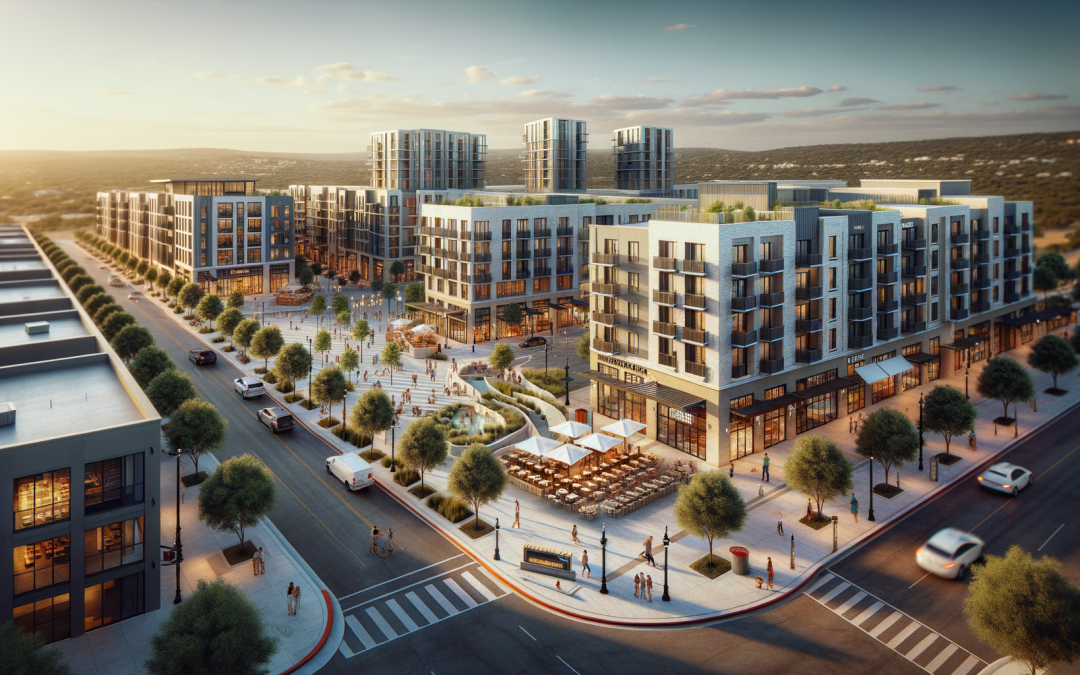
Massive Mixed-Use Development, Schertz Station, Gains Momentum Near San Antonio
Why Schertz Station Matters for the San Antonio Metro
In a region where growth can feel nonstop, it takes a truly large, well-located project to move the needle. Schertz Station is shaping up to be that kind of San Antonio development—a master-planned, mixed-use real estate destination designed to blend housing, retail, dining, jobs, and community gathering spaces in one place.
For buyers, sellers, and investors across the northeast side of the metro, the conversation isn’t only about new rooftops. It’s also about how a major, coordinated district can shift demand patterns, add new amenities, and influence pricing—especially in high-traffic corridors that connect San Antonio to communities like Schertz, Cibolo, and Universal City.
This article breaks down what’s gaining momentum at Schertz Station, the scale of the plan, the types of businesses it’s designed to attract, what it may mean for schools and infrastructure, and how it could influence Texas commercial real estate activity and residential growth over the next several years.
Schertz Station at a Glance: Scale, Vision, and Location Advantages
Schertz Station is being positioned as a large-scale, mixed-use hub in Schertz—an area that has benefited from steady in-migration, commuter demand, and employer activity throughout the I-35 corridor. In practical terms, the project’s “station” branding signals a central gathering point: a place where people can live nearby, run errands, meet friends, and access services without driving across town for every trip.
Mixed-use projects work best when they connect three ingredients: convenient access, enough rooftops to support everyday retail, and an experience that feels cohesive (walkability, visible public spaces, and strong tenant mix). Schertz Station’s location near major roadways and established neighborhoods is one reason it’s drawing attention. For many residents, it sits in the sweet spot between San Antonio’s employment centers and the growing suburban ring to the northeast.
What “Mixed-Use” Really Means Here
When people hear “mixed-use,” they often picture a few apartments over shops. Schertz Station is aiming for a broader version of mixed-use real estate—a district with multiple housing types, a meaningful commercial component, and public-facing spaces that support events, dining, and day-to-day services.
- Residential: A mix of housing options, with a focus on increasing supply to meet ongoing residential growth in the corridor.
- Retail and dining: Space designed for restaurants, neighborhood services, and destination concepts.
- Employment and services: Potential office, medical, or professional services that reduce the need for long commutes.
- Community spaces: Streetscapes, gathering areas, and event-ready public zones that help a district feel like a “place,” not just a project.
Momentum Signals: What “Gaining Momentum” Looks Like in Texas Development
In Texas, major projects rarely move in a straight line. Development typically advances through milestones—land planning, infrastructure coordination, phased vertical construction, and tenant commitments. “Momentum” can show up as grading and utilities work, permitting activity, marketing of commercial pads, and announcements tied to retailers, restaurants, or anchor users.
For Schertz Station, the buzz reflects increasing clarity around the site’s direction and a broader regional context: the San Antonio metro continues to attract residents seeking relative affordability compared with other big Texas cities, while employers and service providers follow rooftops. That combination can create a powerful feedback loop for well-placed mixed-use districts.
Why Timing Matters in the San Antonio-Area Cycle
Real estate is seasonal in Texas. Spring and early summer often bring the strongest buyer activity, while late fall and winter can slow foot traffic even when serious buyers are still out. For developers and commercial tenants, timing can also be influenced by financing conditions, construction costs, and lease negotiations that take months to finalize.
Schertz Station’s progress is also landing in a period when many households are balancing interest rates with lifestyle priorities. In plain language: buyers may be cautious, but they still want great locations and nearby amenities. A large San Antonio development that adds both housing and services can stand out because it offers convenience—something many buyers are willing to prioritize.
Expected Housing: What Residential Growth Could Look Like at Schertz Station
At the heart of most successful mixed-use districts is housing. Without enough residents nearby, retail and restaurants struggle outside peak hours. With enough rooftops, the area can support the kinds of everyday tenants people actually use—grocery-adjacent services, fitness, childcare, quick dining, and medical offices.
Schertz Station is expected to deliver a meaningful number of housing units over time as development phases roll out. While final totals can change as designs are refined, the working concept is a multi-phase community that adds new units in a way that supports commercial absorption rather than overwhelming the area all at once.
Housing Types Buyers May See in a Mixed-Use District
One reason mixed-use projects can help a region is that they often introduce more than one housing option. That matters in fast-growing suburbs where a single product type can leave gaps for downsizers, first-time buyers, or renters who want proximity to services.
- Multifamily apartments: Often the earliest phase because they deliver quick occupancy and support nearby retail.
- Townhomes or urban-style condos (where feasible): A bridge product for buyers who want ownership with lower maintenance.
- Single-family neighborhoods nearby: Even when not inside the main district, surrounding subdivisions often benefit from new amenities.
How New Units Can Affect Nearby Neighborhood Prices
It’s common to assume that new housing supply automatically pushes prices down. In reality, the effect depends on how fast demand is growing and what kind of housing is added. In high-demand corridors, new supply can help stabilize price acceleration—especially in entry-level and mid-range segments—while still supporting overall values due to improved amenities and convenience.
For homeowners near Schertz Station, the “value story” often comes down to quality-of-life improvements: better dining options, more services, and potentially shorter drives. For buyers, the story may be choice: more inventory types in an area that has been dominated by traditional subdivisions.
Businesses and Commercial Activity: Why Tenants Care About Schertz Station
The commercial side of Schertz Station is a key reason the project is getting attention beyond typical subdivision news. In Texas commercial real estate, tenants usually make decisions based on traffic counts, household density, income profiles, visibility, and ease of access. A master-planned district can package those variables in a way that’s attractive to both national brands and strong local operators.
In practical terms, expect the tenant mix to lean toward “daily needs” plus “experience”—a combination that performs well in suburban mixed-use environments.
What Types of Businesses Typically Anchor Mixed-Use Districts
- Restaurants and coffee: Both quick-service and sit-down concepts that benefit from lunch and evening traffic.
- Personal services: Hair, wellness, fitness, and boutique services that build repeat visits.
- Medical and professional offices: Clinics, dental, and specialty services that follow population growth.
- Retail support: Small-format shops and convenience-oriented tenants.
Green Flags for Long-Term Commercial Success
- Phased delivery: Commercial space comes online as rooftops and traffic grow, reducing vacancy risk.
- Strong access and circulation: Easy entries, clear signage, and safe internal traffic flow.
- Balanced tenant mix: Not over-reliant on one category (for example, only restaurants).
- Places to linger: Shade, sidewalks, patios, and event spaces that keep people on site longer.
Community Impact: Schools, Infrastructure, and Everyday Quality of Life
Large developments bring opportunity, but they also raise reasonable questions. Will roads keep up? What about schools? How will the area feel on weekends? These concerns are especially important in the San Antonio metro, where rapid suburban growth can strain infrastructure if timing gets out of sync.
Schertz and the broader northeast corridor have experience with growth, and the region’s planning conversations often focus on aligning transportation improvements with new rooftops and new commercial activity.
Infrastructure: The Unseen Work That Determines Success
Infrastructure isn’t glamorous, but it can make or break a project. Utilities, drainage, road capacity, turn lanes, and signal timing all influence whether a mixed-use district functions smoothly. In Texas, heavy rain events and heat also make drainage design and shade planning more than just “nice to have.”
For residents, the best sign of thoughtful infrastructure is simple: you can get in and out without headaches, and the place still feels pleasant when it’s busy.
Schools and Family Considerations
Families often decide where to buy based on school zones and commute patterns. If Schertz Station adds significant housing, it may increase enrollment pressure in nearby schools over time. For buyers, the smart move is to verify zoning, confirm any planned boundary changes, and understand how new development can affect class sizes and future campus needs.
Local Business Opportunities
Large mixed-use districts can also create openings for local entrepreneurs. While national tenants often lead early phases, successful centers typically add local operators once traffic is established. That can mean more unique dining, boutique services, and community events—features that help a place feel authentically “local” rather than interchangeable.
How Schertz Station Could Influence Regional Real Estate Investment
Investors pay attention to projects like Schertz Station because they can reshape micro-markets. When a district adds housing, retail, and services together, it can lift the profile of surrounding areas and reduce “amenity gaps” that previously kept renters and buyers looking elsewhere.
Importantly, this isn’t just a Schertz story. It’s part of a broader San Antonio development pattern: growth pushing outward along major corridors, with nodes of walkable or semi-walkable activity emerging in suburban cities.
Potential Winners: Property Types That Often Benefit
- Nearby single-family homes: Amenity improvements can increase desirability, especially for move-up buyers.
- Small multifamily and rentals: New retail and services can support rent resilience, depending on supply levels.
- Commercial pads and flex space: Service-oriented businesses often cluster near rooftops and high-visibility intersections.
- Land parcels: As a node develops, surrounding land can become more valuable for future infill.
What to Watch: Market Indicators That Matter in Texas
For anyone considering investment near Schertz Station, keep an eye on these practical indicators:
- Days on market and inventory: If inventory rises sharply, pricing power can soften in the short term.
- Lease-up pace for new apartments: Strong absorption suggests demand is keeping up with supply.
- Retail occupancy and tenant announcements: A stable tenant mix signals the district is becoming a true destination.
- Infrastructure timelines: Road improvements often correlate with smoother growth and better long-term performance.
Practical Guidance: Buying Near Schertz Station
If you’re considering a home purchase in or near Schertz Station, the goal is to balance upside with clear-eyed due diligence. New development can be exciting, but timelines shift and early phases can feel more “construction zone” than “finished lifestyle.”
Step-by-Step: How to Shop Smart Near a Major Mixed-Use Project
- Step 1: Get pre-approved, not just pre-qualified. A full pre-approval gives you clearer budget boundaries and strengthens your offer in competitive pockets of the northeast metro.
- Step 2: Map your commute at peak times. Test weekday mornings and late afternoons. Mixed-use districts can improve convenience, but growth can also add traffic before improvements are complete.
- Step 3: Review HOA and development plans. Ask what’s planned nearby, where future phases could go, and how that might affect noise, views, and access.
- Step 4: Inspect with the future in mind. Standard inspections matter, but also ask about drainage patterns, soil movement considerations typical in Texas, and any nearby construction impacts.
- Step 5: Evaluate resale factors. Homes near successful mixed-use nodes can be attractive later, but buyers will also care about school zones and traffic flow.
Common Buyer Mistakes (and How to Avoid Them)
- Assuming every promised amenity is guaranteed. Plans evolve. Focus on what is under construction or formally committed.
- Overlooking noise and light patterns. Proximity to dining and retail is convenient, but ask about delivery hours, patios, and event programming.
- Skipping a neighborhood comparison. Compare Schertz, Cibolo, Universal City, and northeast San Antonio options side-by-side to understand value per square foot and tax profiles.
Practical Guidance: Selling Near Schertz Station
If you own a home nearby, a growing mixed-use district can be a marketing advantage—if you position it correctly. Buyers respond to clear, concrete benefits: shorter errands, more dining options, and a neighborhood that feels like it’s improving rather than aging.
Step-by-Step: How to Market Your Home With Nearby Development in Mind
- Step 1: Price based on today’s comps, not tomorrow’s hype. Appraisers will rely on closed sales, so anchor expectations in current data.
- Step 2: Highlight convenience. In listing remarks and showings, describe drive times, nearby services, and lifestyle benefits in plain language.
- Step 3: Prepare for buyer questions. Be ready to discuss construction timelines, road access, and what phases are planned (without overpromising).
- Step 4: Stage for the target audience. Many buyers moving to the corridor want functional space: home office setups, clean storage, and low-maintenance yards.
Green Flags That Help Homes Sell Faster
- Documented updates: Roof age, HVAC service records, and energy-efficiency improvements.
- Move-in-ready condition: Neutral paint, clean landscaping, and repaired “little things” that buyers notice during showings.
- Clear value story: A crisp explanation of why the location works—especially for commuters and families.
Negotiations and Closing: What to Expect in This Part of the Metro
Negotiations in the San Antonio area often hinge on inspection results, seller concessions, and interest-rate driven affordability. Near active development, buyers may also ask for additional clarity on disclosures, boundary lines, and any planned easements.
Step-by-Step: A Simple Texas Closing Roadmap
- Step 1: Offer and option period. Buyers typically negotiate an option period to conduct inspections and further due diligence.
- Step 2: Inspection and repairs. Focus on major systems first (foundation signals, roof condition, HVAC performance), then negotiate repairs or credits.
- Step 3: Appraisal and underwriting. The lender confirms value and finalizes loan approval. Realistic pricing helps avoid surprises.
- Step 4: Title work and survey. Review restrictions, easements, and boundary details—especially important near developing areas.
- Step 5: Final walkthrough and closing. Confirm agreed repairs, verify condition, and sign closing documents.
Outlook: Scenarios for Schertz Station and the Northeast Corridor
No development comes with guarantees, but it’s reasonable to think in scenarios. If Schertz Station delivers housing in phases and secures a strong blend of retail, dining, and services, it could become a meaningful node that supports both quality of life and property demand across the northeast side.
In a slower scenario—where construction costs, financing conditions, or tenant timelines stretch out—the project may still progress, but buyers and investors should expect longer “in-between” periods when the area is improving but not yet fully formed. That’s common in large mixed-use real estate projects across Texas.
Either way, the direction is clear: the corridor is still experiencing residential growth, and well-planned districts tend to attract follow-on investment in Texas commercial real estate—from medical offices to service retail and small business expansion.
Bottom Line: A Regional Node in the Making
Schertz Station is more than a headline—it’s a sign of how the San Antonio metro is evolving. As suburban communities mature, the market increasingly rewards places that combine housing with daily conveniences and genuine gathering spaces. For residents, that can mean an easier routine and more local options. For investors, it can mean a new focal point that shifts demand and strengthens the case for nearby property improvements.
As the project advances, the smartest approach is to stay grounded: track tangible milestones, compare neighborhoods carefully, and make decisions based on today’s numbers while keeping an eye on how this major San Antonio development could reshape the area over time.

by Diego Bernal | Jan 30, 2026 | News Feed
Houston Named Most Buyer-Friendly Housing Market in Texas for 2026
Why Houston’s “Buyer-Friendly” Moment Matters in 2026
Texas buyers have spent the past few years navigating higher mortgage rates, rising insurance and tax bills, and a tighter “move-up” market where many homeowners didn’t want to give up low-rate loans. Against that backdrop, Zillow’s recent Zillow ranking highlighting Houston as the most buyer-friendly major housing market in Texas for 2026 is more than a headline—it’s a signal that the balance of power is tilting back toward buyers in the state’s largest metro.
For first-time buyers, that can translate into more choices, fewer bidding wars, and room to negotiate. For sellers, it means pricing and presentation matter more than they did during the peak frenzy. And for anyone tracking 2026 real estate trends, Houston offers an important case study: a big, diverse economy with enough new supply to keep Texas home prices from running away from local incomes.
What Zillow’s Ranking Really Measures (and Why It Favors Houston)
Zillow’s buyer-friendly market rankings generally reflect a mix of conditions that tilt leverage toward buyers: affordability, available inventory, price reductions, and the pace of home sales. While the specific weighting can vary by report, the overall idea is consistent—markets where buyers have options and negotiating power score well.
In 2026, Houston checks many of those boxes compared with other Texas metros. The Houston housing market has historically been supported by a steady pipeline of new construction, a wide range of price points across neighborhoods, and fewer extreme run-ups than some markets that saw rapid pandemic-era appreciation. Add in growing inventory and a more normal pace of sales, and Houston naturally rises in a statewide buyer-friendly comparison.
Key signals that often indicate a buyer-friendly market
- More active listings and longer days on market: Buyers get time to compare homes instead of rushing.
- More price cuts: Sellers adjust expectations, creating openings for negotiation.
- Affordability relative to incomes: Payment-to-income ratios matter as much as headline prices.
- More new construction options: Builders compete on incentives, rate buydowns, and upgrades.
Houston Housing Market Snapshot: Prices, Payments, and Affordability
When buyers hear “affordable,” they often think only about the list price. In reality, affordability is a monthly-payment equation that includes mortgage rates, property taxes, homeowners insurance, HOA dues (if applicable), and—especially in parts of Houston—flood insurance considerations.
Even with those extra line items, Houston tends to land in a relatively workable range for many middle-income households compared with Dallas, Austin, and often even parts of San Antonio. Based on widely cited market indicators and typical 2025-to-2026 metro comparisons, Houston’s median home price is commonly estimated in the mid-$300,000s range, while Dallas often trends higher, Austin higher still, and San Antonio frequently sits closer to Houston but can vary by submarket.
Typical 2026 price positioning (approximate, metro-level ranges)
- Houston: Often estimated in the $330,000–$360,000 range.
- San Antonio: Often estimated in the $300,000–$340,000 range.
- Dallas–Fort Worth: Commonly estimated in the $390,000–$430,000 range.
- Austin: Frequently estimated in the $440,000–$500,000 range (depending on how much the market has cooled).
Those ranges are not guarantees, and they can swing based on the specific data source, the definition of “metro,” and seasonal timing. But they’re directionally useful for understanding why the Zillow ranking would place Houston at the top of Texas for buyers: the metro combines big-city job growth with home prices that haven’t drifted as far from local purchasing power as some peer markets.
Affordability factors where Houston tends to stand out
- More entry-level and mid-tier inventory: Houston has a large spread of neighborhoods and suburbs offering varied price points.
- New construction competition: In many master-planned communities, builders respond quickly to demand shifts with incentives.
- Less “locked-in” pressure than pricier metros: Sellers may be more willing to negotiate if they need to move.
- Employment diversity: Energy, healthcare, port logistics, aerospace, and professional services help support demand without relying on a single sector.
Houston vs. Dallas: Similar Scale, Different Buyer Experience
Dallas–Fort Worth is often the most direct comparison for Houston: massive population growth, corporate relocations, and a constant drumbeat of new residents. But in a buyer-friendly ranking, Houston often has an edge because overall pricing and inventory dynamics can be more forgiving.
In many DFW submarkets, strong demand has kept competition elevated, especially for “move-in ready” homes in top school zones. Even when the market cools, Dallas-area sellers may hold firmer on price if their neighborhood remains supply-constrained. Houston, by contrast, tends to offer more substitutes: if one neighborhood is pricey, buyers can often find a comparable home with a similar commute tradeoff somewhere else in the metro.
Buyer-friendly comparison: Houston vs. Dallas–Fort Worth
- Median price: Houston typically lower than DFW, which helps monthly payments.
- Inventory feel: Houston often provides more choice across multiple submarkets.
- Negotiation climate: Houston buyers may see more price reductions and incentive packages, especially in newer communities.
- Competition hot spots: Both metros have them, but DFW can be more uniformly competitive in high-demand corridors.
Houston vs. Austin: Post-Boom Normalization Creates a Different Kind of Opportunity
Austin remains one of the most watched markets in the country because it experienced a dramatic surge in prices during the pandemic era and then a notable cooldown as rates rose. For buyers, that cooldown can feel like a “deal” relative to Austin’s peak—but Austin’s starting point is still high. That’s a key reason Houston can be labeled more buyer-friendly in 2026: buyers aren’t just chasing discounts from a former high; they’re shopping in a market where baseline affordability is often better.
In practice, Austin can offer opportunities—especially for buyers with strong down payments or those willing to compromise on location or size. But for many first-time and middle-income households, Houston remains the more attainable path to ownership while still providing big-city amenities and job access.
What “buyer-friendly” looks like in Houston compared with Austin
- Entry-level options: Houston generally offers more homes within common first-time buyer budgets.
- Payment shock: Austin’s higher prices can magnify rate impacts on monthly payments.
- Negotiation: Both metros may see price cuts in certain pockets, but Houston’s affordability can make negotiations more productive for average buyers.
Houston vs. San Antonio: Close on Price, Different on Inventory and Jobs
San Antonio often competes with Houston on affordability in statewide comparisons. In many years, San Antonio’s median pricing can be similar to—or slightly below—Houston. So why would Houston win a statewide Zillow ranking for 2026?
The answer often comes down to scale and selection. Houston’s size means more neighborhoods, more builders, more resale inventory, and more “micro-markets” where buyers can find the right fit. Houston’s job diversity and the breadth of its suburbs also help keep demand steady without overheating every pocket at once.
How buyers experience the difference
- San Antonio strengths: Often strong value, steady demand, and an approachable cost of living.
- Houston strengths: More choices across price tiers, more large-employer hubs, and a deeper pool of listings at any given time.
- Who might prefer which: Buyers prioritizing a smaller-city feel may lean San Antonio; buyers needing big-metro job flexibility may lean Houston.
Inventory and New Construction: A Big Reason Houston Looks Buyer-Friendly
One of the most practical drivers of buyer leverage is inventory—how many homes are available, and how quickly they’re selling. When inventory rises, buyers can negotiate. When inventory is tight, sellers can dictate terms.
Houston benefits from a long-running pattern: consistent building across many suburbs and master-planned communities. New construction doesn’t just create more homes—it can also put competitive pressure on the resale market. If a builder is offering a rate buydown or closing-cost assistance, a resale seller may need to adjust price or offer concessions to keep up.
Common builder incentives buyers may see in 2026
- Interest rate buydowns: Temporary (like 2-1 buydowns) or permanent buydowns to lower the note rate.
- Closing cost credits: Credits applied to lender fees, title fees, or prepaids.
- Design center or upgrade allowances: Flooring, appliances, or blinds included.
- Price reductions on inventory homes: Discounts on completed or nearly completed homes.
These incentives can be meaningful in monthly-payment terms, especially for first-time buyers. The tradeoff is that builder contracts can be more standardized, and buyers need to pay close attention to timelines, warranty terms, and how upgrades are priced.
Affordability Isn’t Just Price: Taxes, Insurance, and Flood Risk in Houston
It’s important to be candid: the Houston housing market can be buyer-friendly on price and inventory while still presenting real ownership costs that buyers must plan for.
Texas is known for relatively high property taxes compared with many states, and Houston-area tax rates vary significantly by county, city, and special districts (including MUDs and other local assessments). Homeowners insurance costs have also been a growing factor statewide, and in the Houston area, flood risk adds an extra layer. Some homes require flood insurance; others may not, but flood coverage can still be a smart risk-management choice depending on location.
Green flags that support long-term affordability
- Verified tax estimate from the lender: Not just the current owner’s bill, which may be capped by exemptions.
- Insurance quotes before you make an offer: Especially for older roofs or high-risk zones.
- Elevation certificates and flood history (when available): Clear documentation reduces surprises.
- HOA details in writing: Dues, restrictions, and any pending special assessments.
Red flags to watch
- Payment estimates that ignore updated taxes: A common first-time buyer mistake.
- Homes with repeated water intrusion issues: Look for patterns in seller disclosures and inspection notes.
- “Too good to be true” insurance assumptions: Get real quotes tied to the actual address.
Seasonal Patterns in Texas: Why Timing Can Help Houston Buyers
Texas real estate has clear seasonal rhythms. Spring and early summer typically bring the most listings and the most competition, especially for family-friendly areas where buyers want to move before the school year. Late summer can cool slightly, and fall often brings motivated sellers who didn’t get a deal done earlier. Winter is usually the slowest season, but it can be a sweet spot for buyers because there’s less competition.
In Houston, where inventory can be broader, seasonal timing can create added leverage. If Zillow’s 2026 real estate trends outlook is pointing to buyer-friendly conditions, pairing that with a lower-competition season may amplify your negotiating power—particularly on price reductions, closing costs, and repairs.
Practical timing tips for 2026
- Want the most choices? Shop in spring, but be prepared to move quickly on the best homes.
- Want the best negotiation window? Watch late summer through winter for price cuts and motivated sellers.
- Buying new construction? End-of-quarter and end-of-year deadlines can trigger stronger incentives.
Step-by-Step: How Buyers Can Take Advantage of a Buyer-Friendly Houston Market
1) Get pre-approved (not just pre-qualified)
A pre-approval is a lender-reviewed estimate of what you can borrow based on income, credit, and assets. In a more balanced market, it still matters because it strengthens your offer and helps you shop confidently.
- Green flag: A pre-approval that includes an underwriter review or strong documentation.
- Common mistake: Shopping based on the lender’s maximum instead of a comfortable monthly budget that includes taxes and insurance.
2) Build a Houston-specific monthly payment estimate
Before you fall in love with a home, ask your lender (or a trusted agent) for a payment estimate using realistic property tax rates and insurance quotes for that ZIP code. In Houston, this step can prevent budget surprises.
- Include: Principal, interest, property taxes, homeowners insurance, HOA dues, and flood insurance if applicable.
3) Choose neighborhoods based on commute, flood considerations, and resale fundamentals
Houston’s size is a benefit, but it can also be overwhelming. Start with commute time and lifestyle, then narrow down based on school preferences, amenities, and risk factors like drainage and flood history.
- Green flag: A home with well-documented maintenance, good drainage, and stable neighborhood sales history.
- Red flag: A street where multiple homes show signs of repeated flooding or foundation movement.
4) Make a smart offer: price, concessions, and inspection strategy
In a buyer-friendly market, the best offer isn’t always just a lower price. It’s a package that fits your financial plan and protects you during due diligence.
- Option A (lower price): Works well if the home is overpriced relative to comps.
- Option B (ask for closing costs): Can be powerful if you’re cash-sensitive and want to preserve savings.
- Option C (rate buydown via seller credit): Useful if you plan to stay long enough to benefit from lower payments.
5) Inspection: focus on Houston’s common issues
A good inspection helps you separate cosmetic fixes from expensive problems. In Houston, pay special attention to moisture management and structural concerns.
- Items to prioritize: Roof condition, HVAC age, plumbing leaks, grading and drainage, foundation indicators, and attic ventilation.
- Common mistake: Skipping specialist evaluations when the general inspector flags foundation movement or drainage concerns.
6) Negotiate repairs and credits with clear documentation
In a market where sellers have less leverage, they may be more open to credits or repairs—especially if the issues are safety-related or could impact financing.
- Best practice: Ask for credits when repairs are complex or time-sensitive, and use contractor estimates when possible.
7) Closing: verify your numbers and avoid last-minute surprises
As you approach closing, review the Closing Disclosure carefully. Confirm taxes, insurance, and any HOA fees match what you expected. Houston buyers should pay particular attention to escrow setup because tax and insurance changes can materially affect monthly payments after closing.
Step-by-Step: What Houston Sellers Should Do in a Buyer-Friendly 2026
If Zillow’s Zillow ranking is right and Houston is the most buyer-friendly market in Texas for 2026, sellers can still do well—but strategy matters.
1) Price to the market you’re in, not the market you remember
In a shifting market, the first 2–3 weeks of exposure are critical. Overpricing can lead to longer days on market and ultimately deeper price cuts.
2) Compete with new construction (even if you’re not in a new neighborhood)
If nearby builders are offering incentives, your resale listing competes with a monthly payment, not just a price. Consider seller-paid closing costs or a credit for a rate buydown to stay competitive.
3) Pre-list prep that pays off
- High ROI prep: Fresh paint, minor repairs, deep cleaning, landscaping, and professional photos.
- Common mistake: Ignoring roof or HVAC issues that will show up in inspections and derail negotiations.
4) Be ready for inspection requests
Buyers in a more balanced market are less likely to “waive everything.” Having receipts, service records, and a clear disclosure packet can keep the deal together.
What This Ranking Suggests About 2026 Real Estate Trends in Texas
Houston being labeled most buyer-friendly doesn’t mean prices will drop everywhere or that demand disappears. It suggests a healthier balance: more inventory, more normal transaction pace, and affordability that remains comparatively workable.
Statewide, Texas home prices are likely to be shaped by three forces in 2026: mortgage rate movement, household formation and in-migration, and the pace of new construction. In markets where supply can respond (often through building), buyer conditions tend to improve. In markets where supply is constrained or demand is exceptionally strong, affordability remains a challenge even when growth slows.
Reasonable 2026 scenarios to watch (not guarantees)
- Stable-rate scenario: If rates hold relatively steady, pricing may track local income growth, with modest appreciation in many Texas metros.
- Lower-rate scenario: If rates fall meaningfully, demand could re-accelerate, potentially reducing buyer leverage—especially in popular school zones.
- Higher-cost scenario: If insurance and tax burdens rise faster than incomes, affordability could tighten even without big price gains.
The Bottom Line: Why Houston Wins “Most Buyer-Friendly” in 2026
Houston’s top spot in Zillow’s buyer-friendly Texas ranking fits the market’s fundamentals: a large and diverse economy, a steady supply pipeline, and pricing that—while not cheap—often remains more approachable than Dallas and Austin. Compared with San Antonio, Houston offers a broader range of inventory and submarkets, giving buyers more ways to succeed.
If you’re planning a move in 2026, the takeaway is simple: the Houston housing market may offer one of the best combinations in the state of selection, negotiating room, and relative affordability. The smartest buyers will still do the fundamentals—solid pre-approval, realistic payment estimates, careful inspection strategy—but they may find that Houston gives them something many Texas markets haven’t offered in years: breathing room.

by Diego Bernal | Dec 16, 2025 | News Feed
Texas Housing Market: Trends and Forecast 2025-2026
Why the Texas Housing Forecast for 2025–2026 Matters
Texas remains one of the country’s most closely watched housing markets because it sits at the crossroads of major forces: ongoing population growth, a job engine tied to energy and tech, and mortgage rates that can quickly shift affordability. After the rapid price run-up of 2020–2022 and the reset that followed in 2023–2024, many buyers and sellers are asking the same questions: Are home prices going up again? Will mortgage rates fall enough to unlock more inventory? And what happens to rent trends if more multifamily supply comes online?
This article lays out a clear, Texas-specific look at the statewide outlook for 2025 real estate and 2026. You’ll see the macroeconomic drivers that shape demand, the supply and demand balance that influences negotiations, and realistic scenarios for home prices, sales volume, and rents—using commonly referenced market indicators and widely cited forecast ranges from major housing economists and lenders. Forecasts are estimates, not guarantees, but they can help you plan with more confidence.
Quick Snapshot: Where Texas Stands Heading into 2025
Texas entered 2025 with a market that looks more “normalized” than the frenzy years, but still uniquely Texas: strong in-migration, a large pipeline of new construction in key metros, and meaningful differences between neighborhoods and property types. Buyers generally have more leverage than they did a few years ago, especially in areas with higher inventory and active new-build competition. At the same time, resale supply remains constrained in many submarkets because homeowners with ultra-low mortgage rates are reluctant to move.
- Demand: Supported by population growth, job formation, and household formation, but still rate-sensitive.
- Supply: Improving in several metros due to more listings and new construction completions; still tight in some “close-in” neighborhoods and desirable school zones.
- Prices: Largely range-bound in many areas—more about “who has negotiating power” than a uniform statewide surge.
- Rents: Moderating where new multifamily deliveries are heavy; steadier in smaller markets with less new supply.
Statewide Macroeconomic Drivers Shaping 2025–2026
1) Population Growth and Household Formation
Texas continues to add residents faster than most states, fueled by domestic migration (people moving in from other states) and international migration. Population growth matters because housing demand is ultimately driven by households: when more people form households, they need places to live—either as renters or owners.
What to watch for 2025–2026: Even if net migration cools from peak levels, Texas is still projected to grow. That supports baseline housing demand, especially in job-rich corridors such as the Dallas–Fort Worth Metroplex, the Austin–San Antonio corridor, and Greater Houston. It also creates steady demand in “secondary” markets where affordability, commutes, and new development attract buyers.
- Green flag for demand: Continued inflows of working-age residents and families.
- Red flag for pricing power: If affordability pressures cause more households to double up, delay buying, or choose renting longer, the pace of home price growth can flatten even with population growth.
2) Job Market, Wages, and Industry Mix
Texas has a diverse job base that includes energy, healthcare, logistics, manufacturing, professional services, and technology. That diversity helps cushion the statewide market when one sector cools. For housing, the most important job-market signals are employment growth, wage growth, and layoffs in high-paying sectors that drive buyer purchasing power.
2025–2026 outlook: Most mainstream economic scenarios expect Texas job growth to continue, but at a more sustainable pace than the post-pandemic rebound. If hiring remains steady, it supports sales volume and reduces forced selling. If job growth slows sharply, buyers become cautious and sellers face longer days on market.
- Green flag for home prices: Broad-based job growth paired with wage gains that outpace inflation.
- Red flag: Concentrated layoffs in markets with heavy exposure to one industry, which can soften demand quickly in specific submarkets.
3) Mortgage Rates and the “Lock-In” Effect
Mortgage rates are the single biggest swing factor for Texas housing activity because they directly change monthly payments. When rates rise, affordability drops; when rates fall, demand often returns quickly. Rates also create the “lock-in effect”: homeowners who secured 2%–4% mortgages are less likely to sell and trade into a 6%–7% loan, which limits resale inventory.
Rate environment scenarios for 2025–2026 (estimates): Many large forecasters have expected a gradual easing path rather than a quick drop. A reasonable planning range is:
- 2025: 30-year fixed mortgage rates often fluctuating around 5.75%–6.75% (with periods above or below depending on inflation and economic data).
- 2026: Potentially 5.25%–6.25% if inflation cools and the broader rate environment eases; higher if inflation proves sticky.
Why this matters for supply and demand: If rates drift lower, more buyers qualify and more sellers list (because trading up hurts less). That can increase sales volume even if home prices don’t surge. If rates stay elevated, the market can remain “stuck”: fewer listings, fewer buyers, and more negotiation around concessions.
4) Cost of Ownership in Texas: Property Taxes and Insurance
Texas affordability is not just about the purchase price. Property taxes and homeowners insurance can meaningfully impact the monthly payment—especially for first-time buyers comparing Texas to other states. These costs also influence rent trends, because landlords often pass through higher expenses.
2025–2026 outlook: While individual bills vary by county and taxing district, buyers should expect property taxes to remain a major line item. Insurance costs can also be volatile, particularly in storm-exposed regions along the Gulf Coast and in hail-prone parts of North Texas.
- Practical tip: When you run affordability numbers, compare total monthly costs (principal, interest, taxes, insurance, HOA), not just the mortgage payment.
Texas Housing Market Indicators to Watch
Supply and Demand: Inventory and Months of Supply
In plain terms, supply and demand in housing comes down to how many homes are available versus how many buyers are shopping. Two common indicators are active listings and months of supply (how long it would take to sell the current inventory at the current sales pace).
- Balanced market: Often considered around 5–6 months of supply (varies by local norms).
- Seller-leaning: Typically under ~4 months of supply.
- Buyer-leaning: Often over ~6 months of supply.
Texas has been moving closer to balance in many metros compared with the ultra-tight conditions of 2021–2022. However, inventory can still be tight for entry-level homes in good locations, while higher-price tiers may show more supply and longer marketing times.
Days on Market and Price Reductions
Two “real world” signals for buyers and sellers are days on market and the frequency of price reductions. When demand is strong, homes sell quickly and price cuts are rare. When supply builds or buyers get cautious, days on market rise and more sellers adjust pricing.
2025–2026 expectation: A more normal rhythm: well-priced homes in move-in-ready condition can still sell fast, while overpriced listings may sit and require reductions or concessions.
New Construction Pipeline
Texas has a large new construction footprint, especially in the suburbs of Dallas–Fort Worth, Houston, San Antonio, and parts of Austin’s perimeter. New construction matters because it can add supply even when resale listings are limited by the lock-in effect.
What it means for 2025 real estate: Builders may keep offering incentives—such as rate buydowns, closing cost credits, and design upgrades—if they need to maintain absorption (sales pace). Those incentives can indirectly pressure resale sellers, who may have to compete on price, condition, or concessions.
Texas Housing Forecast 2025–2026: Statewide Outlook (With Numbers)
Forecasting Texas home prices and activity is best done in ranges because outcomes hinge on mortgage rates, employment, and how much inventory comes to market. The projections below reflect common forecast bands used by major housing economists nationally, adjusted to Texas market dynamics such as strong population growth and a robust new-build sector.
Home Price Forecast: 2025–2026
Baseline scenario (most likely in a “soft landing” economy):
- 2025: Texas home prices (statewide) change approximately -1% to +3% year over year.
- 2026: Texas home prices change approximately 0% to +4% year over year, assuming rates ease modestly and employment remains stable.
Upside scenario (rates fall faster, demand rebounds):
- 2025: +3% to +6%
- 2026: +4% to +7%
Downside scenario (rates stay high longer or job growth weakens):
- 2025: -2% to -5%
- 2026: -1% to +2%
Important Texas nuance: “Statewide” averages can hide big differences. Markets with heavy new construction and higher investor activity may see flatter home prices, while supply-constrained neighborhoods with top schools, short commutes, and limited buildable land can be more resilient.
Sales Volume Forecast: 2025–2026
Sales volume is heavily rate-driven. Even modest declines in mortgage rates can bring sidelined buyers back—especially move-up buyers who have been waiting for payments to improve.
- 2025: Total existing-home sales in Texas could range from flat to +8% versus 2024, depending on rate movement and consumer confidence.
- 2026: If rates trend lower and listings improve, sales volume could rise another +3% to +10%.
In plain language: the market can see more transactions even if home prices don’t jump. That’s typical during normalization cycles, when buyers and sellers slowly adjust to a new interest-rate environment.
Supply Forecast: Inventory and New Listings
Inventory outlook: Expect gradual improvement rather than a flood of listings. The lock-in effect remains a real constraint. But more homeowners do move each year for life reasons—job changes, kids, caregiving, divorce, retirement—so listings can rise with time even without a major rate drop.
- 2025: Active inventory likely trends modestly higher year over year in many metros, with pockets of buyer-leaning conditions in outer suburbs and new-build corridors.
- 2026: Inventory could improve further if mortgage rates fall into the mid-5% range and more sellers feel comfortable listing.
New construction: Texas is positioned to add supply through building more than many states. Still, builders respond to demand; if absorption slows, they may reduce starts even while finishing homes already underway.
Rent Trends Forecast: 2025–2026
Rent trends in Texas depend on how many new apartments deliver and how fast renters absorb them. Several Texas metros have had a large multifamily construction wave, which typically cools rent growth until the new supply is leased up.
Statewide rent trend estimates:
- 2025: Average rents in many Texas markets may be -1% to +3% year over year (with stronger growth in undersupplied submarkets and weaker growth where deliveries are concentrated).
- 2026: Rent growth may re-accelerate modestly to +1% to +4% if deliveries slow and population growth continues.
Key nuance: Even in a “flat rent” year, your rent payment can still rise at renewal depending on the specific property, concessions expiring, or operating costs (taxes, insurance, repairs). Meanwhile, renters may see better move-in specials in areas with lots of new buildings competing for leases.
Regional Texas Market Dynamics: What Varies by Metro
Texas isn’t one housing market—it’s many. The statewide outlook provides a baseline, but local supply and demand can be very different based on job concentration, affordability, and construction volume.
Dallas–Fort Worth: Jobs and Suburban New Builds Shape Pricing
DFW often behaves like a “two-speed” market: close-in neighborhoods with limited inventory can stay competitive, while far-suburban areas with abundant new construction can feel more price-sensitive. For 2025 real estate, watch builder incentives, inventory in fast-growing counties, and the spread between list price and final sales price.
- Likely trend: More negotiation leverage for buyers in areas with many similar homes and high resale competition.
- Pricing: Often steadier in established areas; more variable in new-build corridors.
Houston: Affordability and Industry Mix, With Localized Insurance Considerations
Houston’s size and affordability relative to other major metros can support demand, but the region is also sensitive to industry cycles and insurance costs in certain locations. New construction continues to add supply, which can keep home prices from accelerating too quickly.
- Likely trend: A fairly balanced market overall, with sharper differences between inner-loop neighborhoods and newer suburban submarkets.
Austin: Post-Surge Reset Meets Longer-Term Fundamentals
Austin experienced one of the strongest pandemic-era price run-ups and then a noticeable cooldown. That has made Austin a focal point for conversations about home prices, affordability, and market “normalization.” The longer-term fundamentals—jobs, lifestyle appeal, and migration—still matter, but pricing is more sensitive to mortgage rates and inventory than it was during the boom.
- Likely trend: Price movement that is closer to flat-to-modest growth in the baseline scenario, with pockets that swing faster depending on inventory and buyer demand.
San Antonio: Steady, Value-Oriented Demand
San Antonio often feels steadier than higher-volatility markets. Relative affordability can keep demand resilient, particularly for entry-level and mid-priced homes, though mortgage rates still influence monthly payments significantly.
- Likely trend: More stable pricing and transaction activity, with seasonal swings.
South Texas, West Texas, and Smaller Markets: Micro-Trends Matter
Outside the major metros, local employment drivers (energy, manufacturing, healthcare, education, military), housing stock, and new development can create very different outcomes. In some smaller markets, limited inventory can keep prices firm even if sales volume is modest. In others, a single large employer can influence demand.
Single-Family vs Multifamily: Two Markets Moving at Different Speeds
Single-Family Homes: Resale vs New Construction
The single-family market in Texas is shaped by the tug-of-war between resale supply (limited by the lock-in effect) and new construction (more abundant in growth corridors). For many buyers, the choice comes down to whether you want an established neighborhood or a new home with builder incentives.
Pros and Cons: Existing Home vs New Build (Texas Edition)
- Existing homes (resale) pros: Mature landscaping, established communities, often closer to job centers, potentially lower tax assessments than brand-new builds (case-by-case).
- Existing homes (resale) cons: Fewer choices in tight neighborhoods, potential maintenance or deferred repairs, fewer financing incentives.
- New builds pros: Modern layouts and efficiency, builder warranties, more availability in fast-growing areas, common incentives like rate buydowns and closing cost credits.
- New builds cons: Higher property tax impact in some areas (newer assessments), HOA costs, ongoing construction nearby, commute distance depending on location.
Multifamily: A Supply Wave That Can Cool Rent Trends
Multifamily construction has been a major storyline in Texas. When many new units deliver at once, properties often compete on price, concessions, or amenities, which can flatten rent trends. Over time, if starts slow and absorption continues (thanks to population growth), rent growth can stabilize and re-accelerate.
For renters in 2025, this can be good news: you may have more negotiating power in certain urban and high-growth suburban apartment nodes, especially during off-peak leasing seasons.
Seasonal Patterns in Texas Real Estate (And How 2025–2026 May Follow Them)
Texas real estate is seasonal. Even in unusual years, the calendar still matters.
- Spring (March–May): Typically the busiest period for listings and buyer activity; competition can heat up quickly for well-priced homes.
- Summer (June–August): Still active, especially for families timing moves around school; heat and vacation schedules can affect showing activity.
- Fall (September–November): Often a second wave of serious buyers; fewer listings can keep good homes competitive.
- Winter (December–February): Slower pace, but buyers are often motivated; this can be a good time to negotiate depending on inventory.
2025–2026 takeaway: If mortgage rates dip even modestly during a peak season, demand can surge quickly. If rates rise during spring, buyers may pause and inventory can accumulate into summer, improving leverage for shoppers.
What Buyers Should Do in 2025–2026 (Step by Step)
For buyers, the main challenge in 2025 real estate is managing affordability while making smart choices about location, property condition, and financing. Here’s a straightforward process that works well in Texas markets where conditions can change neighborhood by neighborhood.
Step 1: Get Clear on Your Real Monthly Budget (Not Just Price)
- Estimate principal and interest using a conservative mortgage rates assumption (don’t rely on best-case quotes).
- Add property taxes (Texas can be high; confirm local rates and exemptions).
- Add homeowners insurance (ask for real quotes early, especially in storm-exposed areas).
- Add HOA and maintenance estimates.
Common mistake: Shopping based only on purchase price and then being surprised by taxes, insurance, or HOA dues.
Step 2: Get Pre-Approved (Not Just Pre-Qualified)
Pre-approval is a more rigorous review of your income, credit, debts, and assets than a quick pre-qualification. In competitive Texas submarkets, a strong pre-approval helps your offer stand out.
- Pre-approval basics: You provide pay stubs, W-2s or tax returns (if self-employed), bank statements, and the lender runs credit.
- Ask your lender: What rate locks are available, what points cost, and what loan programs fit (conventional, FHA, VA, USDA in eligible areas).
- Plan for volatility: Mortgage rates can move week to week; understand how that changes your payment.
Green flag: A lender who can explain options clearly and provide a written estimate with taxes and insurance placeholders.
Step 3: Choose Your Strategy: Resale, New Build, or Hybrid
- Resale focus: Best for buyers prioritizing location, character, or shorter commute.
- New-build focus: Best for buyers wanting more inventory choices and potential incentives.
- Hybrid approach: Compare both side by side; many buyers find the best value by staying flexible.
Step 4: Make an Offer With the Right Levers (Price, Concessions, Terms)
In a more balanced Texas market, winning isn’t always about the highest price. It’s often about clean terms and smart concessions that protect your budget.
- Price: Base it on comparable sales and current competition, not last year’s headlines.
- Seller concessions: Consider asking for closing costs, a rate buydown, or repairs instead of insisting on a big price cut (depending on the seller’s priorities).
- Option period (Texas-specific): Use the option period to complete inspections and negotiate repairs; understand your deadlines and option fee.
- Appraisal risk: If prices are flat and comps lag, don’t assume the appraisal will “make it work.”
Common mistake: Focusing only on sales price while ignoring rate buydown opportunities that can materially reduce monthly payments.
Step 5: Inspections, Negotiations, and Closing (Simple Timeline)
- Inspection: Schedule quickly during the option period; review roof age, HVAC, plumbing, foundation indicators, and drainage (important in many Texas soils and weather patterns).
- Negotiation: Request repairs, credits, or price adjustments based on material issues; prioritize safety and big-ticket items over cosmetics.
- Final underwriting: Avoid major financial changes (new debt, job changes) before closing.
- Final walk-through: Confirm agreed repairs are complete and the home is in expected condition.
Red flags: Repeated foundation patching without documentation, chronic drainage issues, unpermitted additions, or a seller unwilling to address major health and safety items.
What Sellers Should Do in 2025–2026 (Step by Step)
Sellers in 2025–2026 are in a market where buyers are more payment-conscious and more willing to walk away if a home feels overpriced or risky. The best strategy is to present a clean, well-documented home and price it according to today’s comps—not peak-era expectations.
Step 1: Price to Today’s Market, Not Yesterday’s
- Look at the most recent comparable sales and current active competition.
- Pay attention to list-to-sale price ratios and how often homes are reducing price.
- Consider that buyers compare your home to builder inventory and incentives.
Common mistake: Overpricing “to leave room to negotiate.” In a rate-sensitive market, that can lead to longer days on market and larger eventual reductions.
Step 2: Prepare the Home Like a Product (Condition Still Sells)
- Handle visible maintenance: caulking, paint touch-ups, HVAC servicing, roof documentation if available.
- Improve curb appeal: Texas buyers notice drainage, grading, and exterior condition.
- Declutter and stage lightly for better photos and showings.
Step 3: Use Concessions Strategically
With mortgage rates elevated compared to a few years ago, concessions can be a powerful tool.
- Closing cost credit: Helps buyers cover lender fees and prepaid items.
- Rate buydown: Can reduce a buyer’s monthly payment and expand your buyer pool.
- Repair credits: Useful when timing is tight or repairs are specialized.
Green flag: A seller plan that considers the buyer’s monthly payment reality, not just the headline price.
Step 4: Expect More Inspection Negotiations
In more balanced conditions, buyers often negotiate more firmly after inspections. Being proactive—by fixing known issues or providing documentation—can reduce friction.
- Have receipts for major work (roof, HVAC, plumbing).
- Address water intrusion, drainage, and electrical safety issues early.
Common Mistakes and Smart Signals in the 2025–2026 Texas Market
For Buyers
- Mistake: Waiting for a “perfect” rate and missing a good home at a fair price.
- Mistake: Ignoring property taxes and insurance when comparing homes.
- Smart signal: A listing with transparent disclosures, maintenance records, and realistic pricing.
- Smart signal: Opportunities to negotiate concessions that improve payment affordability.
For Sellers
- Mistake: Competing with new construction without adjusting for builder incentives.
- Mistake: Treating early feedback as noise instead of a pricing signal.
- Smart signal: Strong showing activity but no offers usually points to price or terms—not marketing.
- Smart signal: A clean inspection and appraisal path is increasingly valuable to buyers.
Affordability Outlook: What Could Change the Market Fast
Affordability is the hinge factor for Texas housing in 2025–2026. Three shifts can change conditions quickly:
- Mortgage rates: A move of even 0.50% can materially change the monthly payment and buyer pool.
- Insurance and taxes: Rising costs can reduce purchasing power even if home prices stay flat.
- Wages and employment: Strong job growth can keep demand steady; a slowdown can increase buyer caution.
That’s why the most realistic Texas housing forecast is one that anticipates range-bound home prices in many areas, paired with potentially improving sales volume if rates ease and inventory gradually loosens.
2025–2026 Scenarios: Putting It All Together
Scenario A: Gradual Rate Relief, Stable Jobs (Baseline)
- Mortgage rates: Drift down modestly
- Home prices: Mostly flat to low single-digit growth statewide
- Sales volume: Improves as move-up buyers re-enter
- Rent trends: Flat to modest growth, varying by multifamily deliveries
- Supply and demand: More balanced; negotiations normalize
Scenario B: Faster Rate Drops and Strong Demand (Upside)
- Mortgage rates: Fall faster than expected
- Home prices: Re-accelerate in desirable, supply-constrained areas
- Sales volume: Strong rebound
- Rent trends: Stabilize and potentially firm as households compete for limited single-family rentals
Scenario C: Rates Stay High or the Economy Softens (Downside)
- Mortgage rates: Remain elevated
- Home prices: Mild declines in some markets, especially where inventory is high
- Sales volume: Stays constrained
- Rent trends: Weaker in markets with heavy apartment supply
Practical Takeaways for 2025 Real Estate Decisions in Texas
If you’re buying in 2025–2026, the best approach is to focus on what you can control: your budget, your financing plan, and the quality of the home and location. If you’re selling, success is increasingly about pricing, presentation, and making the transaction easy for a payment-sensitive buyer.
- Buyers: Compare concessions (especially rate buydowns) alongside price; keep an eye on taxes and insurance; don’t skip inspections.
- Sellers: Price to current comps; expect negotiations; consider concessions that improve affordability; compete directly with new builds if they’re in your area.
- Investors: Underwrite conservatively—rent trends are softer in some metros due to multifamily supply, while single-family rental demand remains tied to household growth and affordability.
Bottom Line: Texas Housing Forecast 2025–2026
The most likely Texas housing forecast for 2025–2026 is a market that continues to normalize: modest home price movement (often flat to low single-digit growth), improving sales volume if mortgage rates ease, and rent trends that vary widely depending on how much multifamily supply hits each metro. With ongoing population growth and a large, diverse economy, Texas demand has a strong foundation—but affordability and monthly payments will remain the deciding factor for many households.
