Why Houston’s “Buyer-Friendly” Moment Matters in 2026
Texas buyers have spent the past few years navigating higher mortgage rates, rising insurance and tax bills, and a tighter “move-up” market where many homeowners didn’t want to give up low-rate loans. Against that backdrop, Zillow’s recent Zillow ranking highlighting Houston as the most buyer-friendly major housing market in Texas for 2026 is more than a headline—it’s a signal that the balance of power is tilting back toward buyers in the state’s largest metro.
For first-time buyers, that can translate into more choices, fewer bidding wars, and room to negotiate. For sellers, it means pricing and presentation matter more than they did during the peak frenzy. And for anyone tracking 2026 real estate trends, Houston offers an important case study: a big, diverse economy with enough new supply to keep Texas home prices from running away from local incomes.
What Zillow’s Ranking Really Measures (and Why It Favors Houston)
Zillow’s buyer-friendly market rankings generally reflect a mix of conditions that tilt leverage toward buyers: affordability, available inventory, price reductions, and the pace of home sales. While the specific weighting can vary by report, the overall idea is consistent—markets where buyers have options and negotiating power score well.
In 2026, Houston checks many of those boxes compared with other Texas metros. The Houston housing market has historically been supported by a steady pipeline of new construction, a wide range of price points across neighborhoods, and fewer extreme run-ups than some markets that saw rapid pandemic-era appreciation. Add in growing inventory and a more normal pace of sales, and Houston naturally rises in a statewide buyer-friendly comparison.
Key signals that often indicate a buyer-friendly market
- More active listings and longer days on market: Buyers get time to compare homes instead of rushing.
- More price cuts: Sellers adjust expectations, creating openings for negotiation.
- Affordability relative to incomes: Payment-to-income ratios matter as much as headline prices.
- More new construction options: Builders compete on incentives, rate buydowns, and upgrades.
Houston Housing Market Snapshot: Prices, Payments, and Affordability
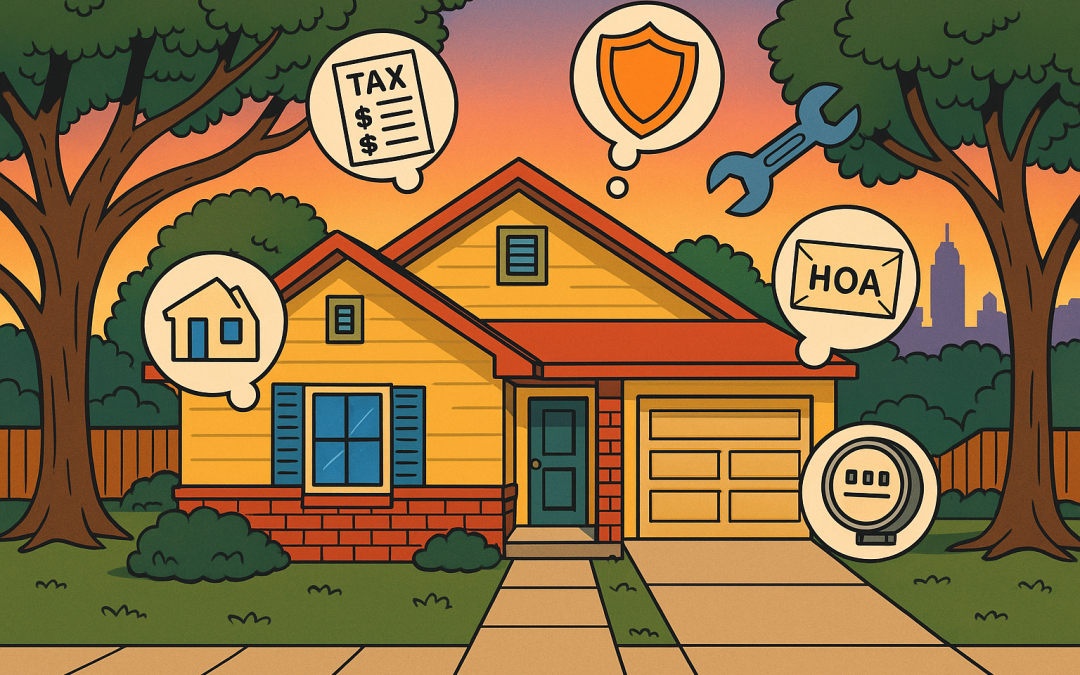
When buyers hear “affordable,” they often think only about the list price. In reality, affordability is a monthly-payment equation that includes mortgage rates, property taxes, homeowners insurance, HOA dues (if applicable), and—especially in parts of Houston—flood insurance considerations.
Even with those extra line items, Houston tends to land in a relatively workable range for many middle-income households compared with Dallas, Austin, and often even parts of San Antonio. Based on widely cited market indicators and typical 2025-to-2026 metro comparisons, Houston’s median home price is commonly estimated in the mid-$300,000s range, while Dallas often trends higher, Austin higher still, and San Antonio frequently sits closer to Houston but can vary by submarket.
Typical 2026 price positioning (approximate, metro-level ranges)
- Houston: Often estimated in the $330,000–$360,000 range.
- San Antonio: Often estimated in the $300,000–$340,000 range.
- Dallas–Fort Worth: Commonly estimated in the $390,000–$430,000 range.
- Austin: Frequently estimated in the $440,000–$500,000 range (depending on how much the market has cooled).
Those ranges are not guarantees, and they can swing based on the specific data source, the definition of “metro,” and seasonal timing. But they’re directionally useful for understanding why the Zillow ranking would place Houston at the top of Texas for buyers: the metro combines big-city job growth with home prices that haven’t drifted as far from local purchasing power as some peer markets.
Affordability factors where Houston tends to stand out
- More entry-level and mid-tier inventory: Houston has a large spread of neighborhoods and suburbs offering varied price points.
- New construction competition: In many master-planned communities, builders respond quickly to demand shifts with incentives.
- Less “locked-in” pressure than pricier metros: Sellers may be more willing to negotiate if they need to move.
- Employment diversity: Energy, healthcare, port logistics, aerospace, and professional services help support demand without relying on a single sector.
Houston vs. Dallas: Similar Scale, Different Buyer Experience
Dallas–Fort Worth is often the most direct comparison for Houston: massive population growth, corporate relocations, and a constant drumbeat of new residents. But in a buyer-friendly ranking, Houston often has an edge because overall pricing and inventory dynamics can be more forgiving.
In many DFW submarkets, strong demand has kept competition elevated, especially for “move-in ready” homes in top school zones. Even when the market cools, Dallas-area sellers may hold firmer on price if their neighborhood remains supply-constrained. Houston, by contrast, tends to offer more substitutes: if one neighborhood is pricey, buyers can often find a comparable home with a similar commute tradeoff somewhere else in the metro.
Buyer-friendly comparison: Houston vs. Dallas–Fort Worth
- Median price: Houston typically lower than DFW, which helps monthly payments.
- Inventory feel: Houston often provides more choice across multiple submarkets.
- Negotiation climate: Houston buyers may see more price reductions and incentive packages, especially in newer communities.
- Competition hot spots: Both metros have them, but DFW can be more uniformly competitive in high-demand corridors.
Houston vs. Austin: Post-Boom Normalization Creates a Different Kind of Opportunity
Austin remains one of the most watched markets in the country because it experienced a dramatic surge in prices during the pandemic era and then a notable cooldown as rates rose. For buyers, that cooldown can feel like a “deal” relative to Austin’s peak—but Austin’s starting point is still high. That’s a key reason Houston can be labeled more buyer-friendly in 2026: buyers aren’t just chasing discounts from a former high; they’re shopping in a market where baseline affordability is often better.
In practice, Austin can offer opportunities—especially for buyers with strong down payments or those willing to compromise on location or size. But for many first-time and middle-income households, Houston remains the more attainable path to ownership while still providing big-city amenities and job access.
What “buyer-friendly” looks like in Houston compared with Austin
- Entry-level options: Houston generally offers more homes within common first-time buyer budgets.
- Payment shock: Austin’s higher prices can magnify rate impacts on monthly payments.
- Negotiation: Both metros may see price cuts in certain pockets, but Houston’s affordability can make negotiations more productive for average buyers.
Houston vs. San Antonio: Close on Price, Different on Inventory and Jobs
San Antonio often competes with Houston on affordability in statewide comparisons. In many years, San Antonio’s median pricing can be similar to—or slightly below—Houston. So why would Houston win a statewide Zillow ranking for 2026?
The answer often comes down to scale and selection. Houston’s size means more neighborhoods, more builders, more resale inventory, and more “micro-markets” where buyers can find the right fit. Houston’s job diversity and the breadth of its suburbs also help keep demand steady without overheating every pocket at once.
How buyers experience the difference
- San Antonio strengths: Often strong value, steady demand, and an approachable cost of living.
- Houston strengths: More choices across price tiers, more large-employer hubs, and a deeper pool of listings at any given time.
- Who might prefer which: Buyers prioritizing a smaller-city feel may lean San Antonio; buyers needing big-metro job flexibility may lean Houston.
Inventory and New Construction: A Big Reason Houston Looks Buyer-Friendly
One of the most practical drivers of buyer leverage is inventory—how many homes are available, and how quickly they’re selling. When inventory rises, buyers can negotiate. When inventory is tight, sellers can dictate terms.
Houston benefits from a long-running pattern: consistent building across many suburbs and master-planned communities. New construction doesn’t just create more homes—it can also put competitive pressure on the resale market. If a builder is offering a rate buydown or closing-cost assistance, a resale seller may need to adjust price or offer concessions to keep up.
Common builder incentives buyers may see in 2026
- Interest rate buydowns: Temporary (like 2-1 buydowns) or permanent buydowns to lower the note rate.
- Closing cost credits: Credits applied to lender fees, title fees, or prepaids.
- Design center or upgrade allowances: Flooring, appliances, or blinds included.
- Price reductions on inventory homes: Discounts on completed or nearly completed homes.
These incentives can be meaningful in monthly-payment terms, especially for first-time buyers. The tradeoff is that builder contracts can be more standardized, and buyers need to pay close attention to timelines, warranty terms, and how upgrades are priced.
Affordability Isn’t Just Price: Taxes, Insurance, and Flood Risk in Houston
It’s important to be candid: the Houston housing market can be buyer-friendly on price and inventory while still presenting real ownership costs that buyers must plan for.
Texas is known for relatively high property taxes compared with many states, and Houston-area tax rates vary significantly by county, city, and special districts (including MUDs and other local assessments). Homeowners insurance costs have also been a growing factor statewide, and in the Houston area, flood risk adds an extra layer. Some homes require flood insurance; others may not, but flood coverage can still be a smart risk-management choice depending on location.
Green flags that support long-term affordability
- Verified tax estimate from the lender: Not just the current owner’s bill, which may be capped by exemptions.
- Insurance quotes before you make an offer: Especially for older roofs or high-risk zones.
- Elevation certificates and flood history (when available): Clear documentation reduces surprises.
- HOA details in writing: Dues, restrictions, and any pending special assessments.
Red flags to watch
- Payment estimates that ignore updated taxes: A common first-time buyer mistake.
- Homes with repeated water intrusion issues: Look for patterns in seller disclosures and inspection notes.
- “Too good to be true” insurance assumptions: Get real quotes tied to the actual address.
Seasonal Patterns in Texas: Why Timing Can Help Houston Buyers
Texas real estate has clear seasonal rhythms. Spring and early summer typically bring the most listings and the most competition, especially for family-friendly areas where buyers want to move before the school year. Late summer can cool slightly, and fall often brings motivated sellers who didn’t get a deal done earlier. Winter is usually the slowest season, but it can be a sweet spot for buyers because there’s less competition.
In Houston, where inventory can be broader, seasonal timing can create added leverage. If Zillow’s 2026 real estate trends outlook is pointing to buyer-friendly conditions, pairing that with a lower-competition season may amplify your negotiating power—particularly on price reductions, closing costs, and repairs.
Practical timing tips for 2026
- Want the most choices? Shop in spring, but be prepared to move quickly on the best homes.
- Want the best negotiation window? Watch late summer through winter for price cuts and motivated sellers.
- Buying new construction? End-of-quarter and end-of-year deadlines can trigger stronger incentives.
Step-by-Step: How Buyers Can Take Advantage of a Buyer-Friendly Houston Market
1) Get pre-approved (not just pre-qualified)
A pre-approval is a lender-reviewed estimate of what you can borrow based on income, credit, and assets. In a more balanced market, it still matters because it strengthens your offer and helps you shop confidently.
- Green flag: A pre-approval that includes an underwriter review or strong documentation.
- Common mistake: Shopping based on the lender’s maximum instead of a comfortable monthly budget that includes taxes and insurance.
2) Build a Houston-specific monthly payment estimate
Before you fall in love with a home, ask your lender (or a trusted agent) for a payment estimate using realistic property tax rates and insurance quotes for that ZIP code. In Houston, this step can prevent budget surprises.
- Include: Principal, interest, property taxes, homeowners insurance, HOA dues, and flood insurance if applicable.
3) Choose neighborhoods based on commute, flood considerations, and resale fundamentals
Houston’s size is a benefit, but it can also be overwhelming. Start with commute time and lifestyle, then narrow down based on school preferences, amenities, and risk factors like drainage and flood history.
- Green flag: A home with well-documented maintenance, good drainage, and stable neighborhood sales history.
- Red flag: A street where multiple homes show signs of repeated flooding or foundation movement.
4) Make a smart offer: price, concessions, and inspection strategy
In a buyer-friendly market, the best offer isn’t always just a lower price. It’s a package that fits your financial plan and protects you during due diligence.
- Option A (lower price): Works well if the home is overpriced relative to comps.
- Option B (ask for closing costs): Can be powerful if you’re cash-sensitive and want to preserve savings.
- Option C (rate buydown via seller credit): Useful if you plan to stay long enough to benefit from lower payments.
5) Inspection: focus on Houston’s common issues
A good inspection helps you separate cosmetic fixes from expensive problems. In Houston, pay special attention to moisture management and structural concerns.
- Items to prioritize: Roof condition, HVAC age, plumbing leaks, grading and drainage, foundation indicators, and attic ventilation.
- Common mistake: Skipping specialist evaluations when the general inspector flags foundation movement or drainage concerns.
6) Negotiate repairs and credits with clear documentation
In a market where sellers have less leverage, they may be more open to credits or repairs—especially if the issues are safety-related or could impact financing.
- Best practice: Ask for credits when repairs are complex or time-sensitive, and use contractor estimates when possible.
7) Closing: verify your numbers and avoid last-minute surprises
As you approach closing, review the Closing Disclosure carefully. Confirm taxes, insurance, and any HOA fees match what you expected. Houston buyers should pay particular attention to escrow setup because tax and insurance changes can materially affect monthly payments after closing.
Step-by-Step: What Houston Sellers Should Do in a Buyer-Friendly 2026
If Zillow’s Zillow ranking is right and Houston is the most buyer-friendly market in Texas for 2026, sellers can still do well—but strategy matters.
1) Price to the market you’re in, not the market you remember
In a shifting market, the first 2–3 weeks of exposure are critical. Overpricing can lead to longer days on market and ultimately deeper price cuts.
2) Compete with new construction (even if you’re not in a new neighborhood)
If nearby builders are offering incentives, your resale listing competes with a monthly payment, not just a price. Consider seller-paid closing costs or a credit for a rate buydown to stay competitive.
3) Pre-list prep that pays off
- High ROI prep: Fresh paint, minor repairs, deep cleaning, landscaping, and professional photos.
- Common mistake: Ignoring roof or HVAC issues that will show up in inspections and derail negotiations.
4) Be ready for inspection requests
Buyers in a more balanced market are less likely to “waive everything.” Having receipts, service records, and a clear disclosure packet can keep the deal together.
What This Ranking Suggests About 2026 Real Estate Trends in Texas
Houston being labeled most buyer-friendly doesn’t mean prices will drop everywhere or that demand disappears. It suggests a healthier balance: more inventory, more normal transaction pace, and affordability that remains comparatively workable.
Statewide, Texas home prices are likely to be shaped by three forces in 2026: mortgage rate movement, household formation and in-migration, and the pace of new construction. In markets where supply can respond (often through building), buyer conditions tend to improve. In markets where supply is constrained or demand is exceptionally strong, affordability remains a challenge even when growth slows.
Reasonable 2026 scenarios to watch (not guarantees)
- Stable-rate scenario: If rates hold relatively steady, pricing may track local income growth, with modest appreciation in many Texas metros.
- Lower-rate scenario: If rates fall meaningfully, demand could re-accelerate, potentially reducing buyer leverage—especially in popular school zones.
- Higher-cost scenario: If insurance and tax burdens rise faster than incomes, affordability could tighten even without big price gains.
The Bottom Line: Why Houston Wins “Most Buyer-Friendly” in 2026
Houston’s top spot in Zillow’s buyer-friendly Texas ranking fits the market’s fundamentals: a large and diverse economy, a steady supply pipeline, and pricing that—while not cheap—often remains more approachable than Dallas and Austin. Compared with San Antonio, Houston offers a broader range of inventory and submarkets, giving buyers more ways to succeed.
If you’re planning a move in 2026, the takeaway is simple: the Houston housing market may offer one of the best combinations in the state of selection, negotiating room, and relative affordability. The smartest buyers will still do the fundamentals—solid pre-approval, realistic payment estimates, careful inspection strategy—but they may find that Houston gives them something many Texas markets haven’t offered in years: breathing room.