Closing cost surprises are one of the biggest sources of stress in Texas real estate transactions, and they can materially change what you walk away with after the sale. If you’re selling a home, your closing costs aren’t just “a few fees”—they’re a mix of Real Estate Fees, title and escrow charges, taxes, payoffs, and negotiable items that can vary by city, property type, and even time of year.
In most Texas home sales, Seller Closing Costs typically fall in a broad range of about 6% to 10% of the sales price, with the biggest line item often being real estate commissions. Your exact number depends on the listing agreement, whether you offer concessions, how much you still owe on the mortgage, and what you negotiated in the contract.
This guide breaks down Real Estate Closing Costs from the seller’s perspective—both the typical and “sneaky” ones—so you can budget accurately, compare your net proceeds estimate to reality, and avoid last-minute surprises at the title company.
What counts as Real Estate Closing Costs for a seller in Texas?
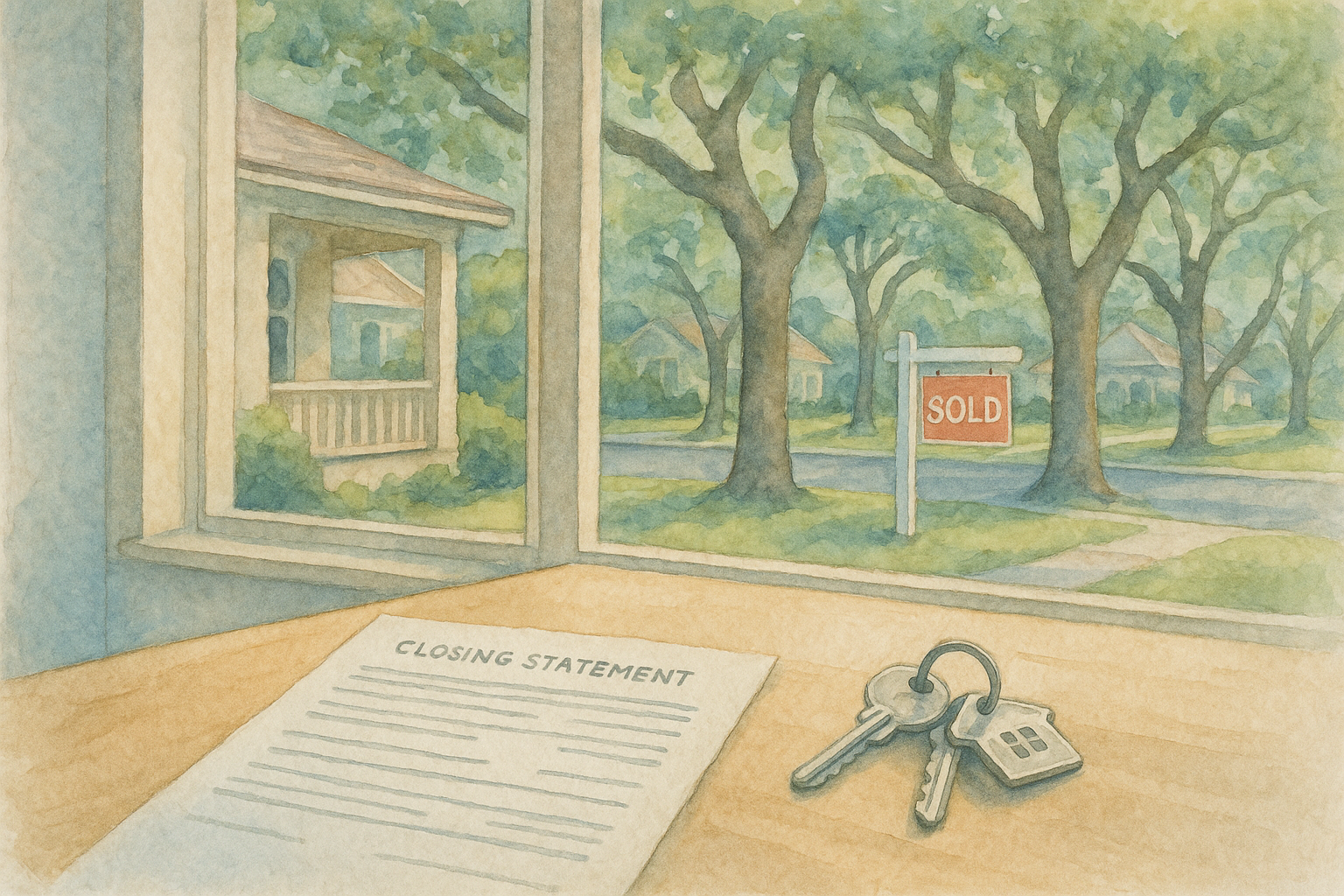
Real Estate Closing Costs are the costs required to legally transfer the property and settle all financial details at closing. In Texas, closings are usually handled by a title company, and the final numbers appear on the closing statement (often called the settlement statement). For sellers, the closing statement shows your credits (sale price, earnest money credited to buyer, etc.) and your debits (fees, payoffs, taxes, and negotiated items).
It’s also helpful to separate “seller costs” from “buyer costs.” Buyer Closing Costs generally include the buyer’s loan-related fees (origination, appraisal, credit report), lender’s title policy if applicable, and prepaid items like homeowners insurance. But in Texas, many transactions include negotiated cost-sharing—so a cost that is “typically buyer” can become a seller-paid concession depending on the deal.
Here’s the practical way to think about Seller Closing Costs: they include the fees you agreed to pay in the contract, plus the costs needed to deliver clear title and pay off any liens or obligations tied to the home.
Typical seller-paid categories you’ll see on the closing statement
- Real estate commissions and broker fees (often the largest cost)
- Title and escrow charges you agreed to pay (varies by market and contract)
- Owner’s title policy (commonly paid by the seller in many Texas markets)
- HOA transfer documents and resale package (if applicable)
- Prorated property taxes and other prorations (utilities, HOA dues)
- Mortgage payoff and lien releases (not a “fee,” but it impacts net)
- Negotiated repairs and credits (often triggered by inspection findings)
Texas-specific note: because property taxes are a major part of housing costs here, tax prorations can be meaningful. Also, HOAs are common in metros like Houston, Dallas-Fort Worth, Austin, and San Antonio, and the HOA paperwork fees can surprise first-time sellers.
How much are Seller Closing Costs in Texas? Typical ranges you can plan for
Most sellers want a simple number, but the most useful answer is a range by category. In Texas, a “normal” seller scenario (no unusual liens, no big concessions) often lands between 6% and 10% of the sales price, with commission taking a big portion of that. The rest is a mix of title-related charges, HOA/admin items, prorations, and negotiated costs.
Below are common Real Estate Fees and closing cost items with typical ranges. These are estimates—your location, sales price, and contract terms matter.
Real Estate Fees (commissions and brokerage charges)
Typical range: often 5% to 6% of the sales price total (varies by agreement and market)
This is usually the largest component of Seller Closing Costs. Commissions are negotiated in Texas and set by your listing agreement, not by law. Many sellers pay a total commission that is then shared between the listing broker and the buyer’s broker, but structures can vary.
Watch for: administrative or transaction fees charged by a brokerage in addition to commission. These are usually modest compared to commission, but they should be disclosed upfront and reflected on the closing statement.
Title insurance and title company charges
Typical range: roughly 0.5% to 1.5% of the sales price, depending on what the seller pays and local practices
Texas is a title insurance state, and the title company will handle the closing and insure title. The owner’s title policy is commonly paid by the seller in many Texas markets, though it’s negotiable in the contract. The policy premium is based on the sales price, and Texas uses promulgated rates (standardized rates), which helps reduce huge price swings for the policy itself.
Beyond the policy, there may be title company fees for settlement services, document prep, courier/wire, and records-related items. These can vary by company and transaction complexity.
Property tax prorations (often larger than sellers expect)
Typical range: depends on closing date, tax rate, and whether exemptions apply
Texas property taxes are typically paid in arrears. At closing, taxes are prorated so the buyer receives a credit for the portion of the year the seller owned the home (because the buyer will likely pay the tax bill later). The later in the year you close, the larger the seller’s tax proration debit tends to be.
Seasonal pattern: In many Texas counties, tax bills go out in the fall. Closings in late summer through year-end may produce larger prorations because more of the year has elapsed. This isn’t “extra” tax, but it can feel like a big closing cost if you didn’t plan for it.
HOA fees, resale certificates, transfer fees, and document charges
Typical range: about $200 to $1,000+ depending on HOA and management company
If your home is in an HOA (common in suburbs around Frisco, Katy, Pflugerville, and many master-planned communities), the HOA may require a resale certificate or disclosure package, plus transfer and document fees. Some HOAs charge additional “working capital” contributions or special processing fees, and who pays what can be negotiated.
Seller concessions (negotiated credits that shift Buyer Closing Costs to the seller)
Typical range: 0% to 3%+ of the sales price in many transactions, but can be higher in certain situations
This is where Seller Closing Costs can change dramatically with market conditions. When buyers ask for help with Buyer Closing Costs—especially in a slower season or when mortgage rates pinch affordability—sellers may offer a closing cost credit. That credit appears on the closing statement as a seller debit.
Texas market context: Concessions often show up more in the summer-to-fall transition when listings build and buyers have more choices, or in pockets where inventory is higher. In highly competitive submarkets (for example, certain close-in neighborhoods of Austin or Dallas during strong demand periods), concessions may be less common—but it depends on price point and condition.
Line-by-line: typical and non-typical Seller Closing Costs that show up in Texas
If you’ve never sold a home before, the closing statement can look like a long list of small charges. Some are routine; others only appear in specific situations. Knowing what can pop up helps you ask better questions early—before you’re a week from closing.
Costs that are common in most Texas sales
- Commission and brokerage fees: per your listing agreement
- Owner’s title policy premium: often seller-paid (negotiable)
- Title company/escrow/settlement fees: varies by title company and contract allocation
- Prorated property taxes: seller credit to buyer for seller’s portion of the year
- HOA prorations: dues prorated through closing date
- HOA resale/transfer fees: if HOA requires documentation for transfer
- Mortgage payoff: principal balance plus per-diem interest to payoff date
Costs that are less common—but can be expensive when they happen
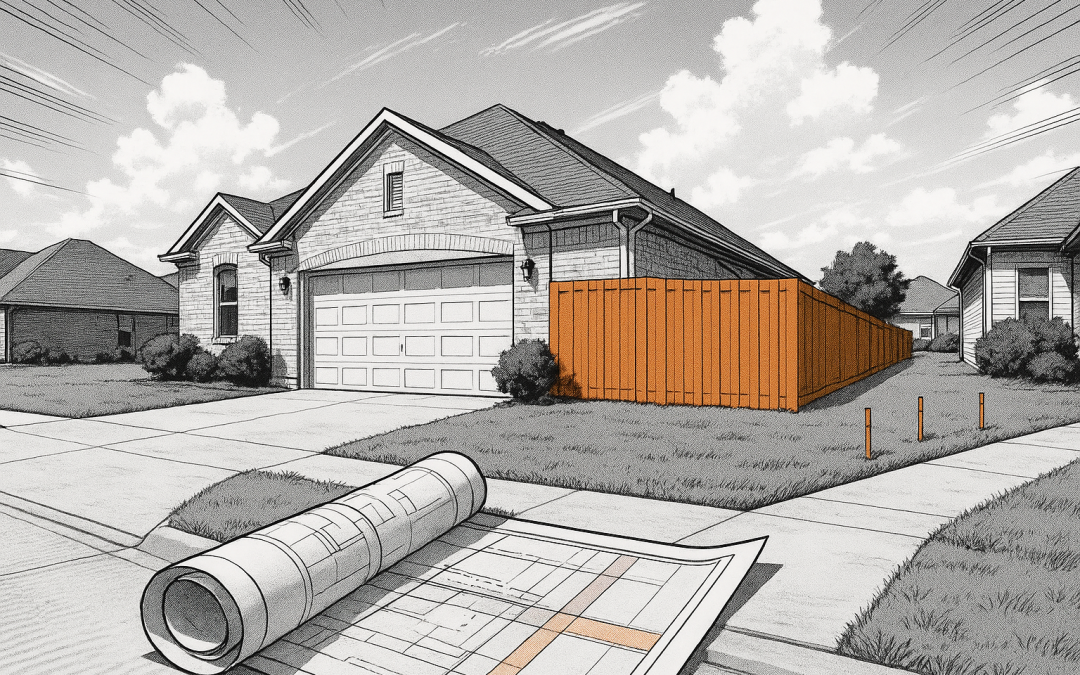
- Survey issues: if an old survey can’t be used and parties negotiate who pays for a new one
- Title curative work: clearing old liens, judgments, or correcting ownership/estate issues
- Home warranty (seller-paid): sometimes offered as an incentive or to reduce repair requests
- Septic, well, or specialty inspections: more common in rural or exurban areas outside city water/sewer
- Foundation or structural repairs/credits: negotiated after inspection in areas with expansive clay soils (common across much of Texas)
- MUD or special district disclosures and fees: certain properties carry additional district-related requirements
- Special assessments: HOA special assessments may need to be paid or prorated per HOA rules
- Attorney review or legal work: not required for most Texas sales, but sometimes used for complex situations
One of the biggest “non-typical” surprises is title-related: an unreleased lien from a prior refinance, an inherited property with probate questions, or a boundary discrepancy that triggers a survey conversation. These items don’t happen in every sale, but when they do, they can affect timelines and costs.
Why closing costs vary so much: Texas negotiation points and seasonal patterns
Two Texas sellers in the same city can pay very different closing costs even at the same sales price. The difference usually comes down to what was negotiated in the contract and what the title work uncovers.
Contract terms: who pays which Real Estate Closing Costs?
In Texas, many line items are negotiable. The contract will allocate certain fees and allow amendments for concessions, repairs, or other credits. A seller may agree to pay costs that are traditionally considered Buyer Closing Costs—like part of the lender-related fees—by offering a seller credit. This is one reason it’s important to look at the net, not just the headline sales price.
Common negotiation points include:
- Seller credit toward Buyer Closing Costs (concession)
- Who pays for the survey (existing vs new)
- Repairs versus credit after inspection
- Home warranty paid by seller as a sweetener
- Title policy and certain title fees depending on local custom and leverage
Seasonality and market leverage
Texas home sales often follow a seasonal rhythm: spring and early summer typically bring more listings and families timing moves around school calendars. In a hot spring market, sellers may have more leverage to limit concessions. In late summer through winter, when demand can soften and days on market can tick up in some areas, concessions and repair credits can become more common—especially for homes that need updating.
This doesn’t mean you can’t sell well in the off-season. It does mean your “expected” Seller Closing Costs should include a realistic line for potential credits, particularly if nearby comparable listings are offering rate buydown credits or closing cost help to attract buyers.
How to estimate your net proceeds (and avoid closing cost surprises)
The best way to prevent sticker shock is to estimate your net proceeds early and update the estimate as negotiations unfold. Many sellers focus on list price and forget how payoffs, prorations, and credits affect the bottom line.
A practical step-by-step way to budget Seller Closing Costs
- Start with the expected sales price. Use realistic comps, not just the highest sale in the neighborhood.
- Subtract your real estate commission. Use your listing agreement terms (and include any brokerage admin fees).
- Estimate title-related costs. Ask your title company or agent for a seller net sheet assumption based on your price and county.
- Estimate tax prorations. Use last year’s tax bill as a starting point, then consider whether exemptions will change after sale.
- Add HOA and transfer document fees. Request the HOA resale/transfer fee schedule early; some HOAs take time to deliver documents.
- Include mortgage payoff and per-diem interest. Your lender payoff quote will include interest through a specific date; closing delays can change it.
- Set aside a negotiation buffer. Many sellers budget 0.5% to 2% of price for repair credits or concessions depending on condition and market.
If you’re selling an older home in a high-heat/expansive-soil area (common across DFW, Austin, and parts of Houston and San Antonio), it’s smart to anticipate inspection-related negotiation. Even when a home is well cared for, items like HVAC age, roof wear, plumbing updates, and foundation performance can influence repair requests.
Green flags that your closing costs are on track
- You have a written net sheet showing estimated Seller Closing Costs and mortgage payoff impact.
- The title commitment is reviewed early so liens and name issues are handled before the rush.
- HOA documents are ordered early to avoid last-minute fees or delays.
- Repair negotiations are documented as credits or amendments so the closing statement matches what you agreed to.
Common seller mistakes that lead to surprises
- Assuming taxes are “paid up.” In Texas, prorations often mean the seller brings a sizable tax credit to closing.
- Forgetting about concessions. A 2% seller credit can feel like a price cut—because it is, in net terms.
- Not checking the listing agreement for extra fees. Admin/transaction fees may be separate from commission.
- Waiting too long on HOA paperwork. Rush fees and delays are avoidable with early ordering.
- Not planning for payoff timing. Per-diem interest and closing date shifts can change your final payoff.
At the end of the day, Real Estate Closing Costs are manageable when you treat them as a planned part of your sale—not an afterthought. If you want the cleanest estimate, request a seller net sheet early, then update it after inspection negotiations and as your closing date firms up.