If you’re thinking about buying a house in Texas, the smartest financial moves usually happen months before you start touring homes. That’s because your credit score, debt, savings, and paperwork readiness directly affect your mortgage rate, your buying power, and how competitive your offer looks—especially in fast-moving markets like Austin, Dallas-Fort Worth, Houston, and parts of San Antonio.
Texas has its own real-world considerations, too: higher-than-average property taxes in many counties, storm-related insurance needs along the Gulf Coast, and seasonal competition that typically heats up in spring and early summer. The goal is to get your finances “offer-ready” so you can shop with confidence, avoid costly surprises, and close on terms that work for your budget.
How do you get your budget ready for a Texas mortgage and monthly payment?
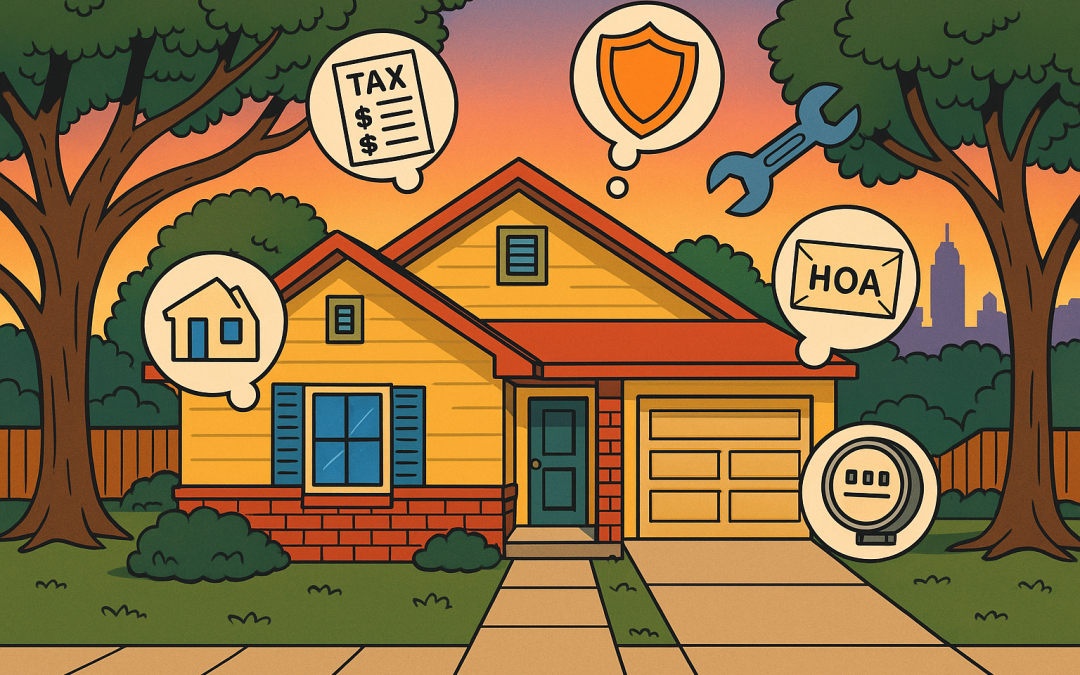
Before you fall in love with a neighborhood in Round Rock, Katy, Frisco, or New Braunfels, make sure you understand what a Texas monthly payment really includes. Your “house payment” isn’t just principal and interest—it’s often a bundle of costs that can swing widely by county and by home.
For many Texas buyers, property taxes are the budget line item that changes the game. A home that looks affordable based on price alone can feel very different once local tax rates are included, especially in areas with newer developments, MUD districts, or higher effective tax rates.
Start with a realistic payment target (not just a purchase price)
A smart first step is choosing a monthly payment range that still leaves room for real life: utilities, childcare, commuting, and savings. Texas summers can bring higher electric bills, and homeowners insurance can be notably higher in hail-prone North Texas or coastal regions.
When you estimate affordability, include:
- Principal and interest (based on today’s rates and your likely down payment)
- Property taxes (varies heavily by county and sometimes by subdivision)
- Homeowners insurance (and wind/hail or flood considerations where applicable)
- HOA dues (common in many Texas master-planned communities)
- Mortgage insurance (if you put down less than 20% on many loan types)
- Maintenance reserves (a practical rule is budgeting for ongoing repairs)
Also plan for cash due at closing. Even with seller concessions (which can be more common when the market cools), you’ll typically need funds for an earnest money deposit, option fee (common in Texas contracts), appraisal, inspection, and closing costs.
What smart financial moves help you qualify and win in a competitive Texas market?
Once your budget is grounded, the next set of smart financial moves is about strengthening your overall borrower profile. In Texas, where buyers can face multiple-offer situations in certain price points and school zones, being financially prepared can matter as much as the offer price.
Lenders—and sellers—tend to look for stability: steady income, manageable debt, clean documentation, and enough reserves to handle bumps in the road. Even when inventory improves, well-prepared buyers often get better rate options and smoother closings.
Build (and document) stable income and cash reserves
If you’re planning a job change, moving from W-2 to self-employment, or starting commission-based work, talk with a lender early. Income type and history can affect how easily you qualify. The more predictable your income, the simpler the underwriting process usually is.
Cash reserves matter, too. Having money left after closing can help with appraisal gaps, repairs, and unexpected moving costs. In Texas, it’s not unusual to buy a home and quickly need things like fencing repairs, HVAC tune-ups, or drainage improvements after heavy rain.
Lower your debt-to-income ratio without draining your savings
Your debt-to-income ratio (DTI) compares monthly debt payments to your gross monthly income. A lower DTI can help you qualify for more and may improve your pricing. But the “right” strategy depends on your situation—paying down a credit card could help your credit utilization quickly, while paying off a low-interest installment loan might not move the needle as much.
In general, focus on:
- Paying down revolving balances (credit cards) to reduce utilization
- Avoiding new monthly obligations (new car payment, new personal loan)
- Keeping funds available for closing and reserves
If you’re deciding between paying down debt and saving for a down payment, a lender can model scenarios. Sometimes the best move is a balanced approach: improve the profile without leaving yourself cash-poor at closing.
How can improving your credit score lower your mortgage costs?
Improving your credit score is one of the most direct ways to reduce long-term housing costs, because it can influence your mortgage rate and, in some cases, your ability to qualify at all. Even a small rate difference can add up over the life of a loan—especially at Texas home prices in major metros.
Credit scoring can feel frustrating because it’s not just about “paying on time.” It’s also about how much of your available credit you’re using, the age of accounts, and recent credit activity. The good news is that some improvements can happen in a matter of weeks if you take the right steps.
Practical steps for improving your credit score before you apply
Focus on the big levers first. These are the moves that often have the fastest impact for would-be homebuyers:
- Pay every bill on time (set autopay for at least the minimum payment)
- Lower credit card utilization (many buyers aim to keep balances well below limits)
- Avoid opening new accounts right before applying
- Don’t close old accounts without guidance (it can reduce available credit and average age)
- Review your credit reports for errors and dispute inaccuracies early
If you’re rate-shopping, do it in a tight window. Mortgage credit inquiries made within a typical shopping period are generally treated as one for scoring purposes, but the safest approach is to keep your comparisons organized and timely.
Keep your credit steady during the home search
In Texas, a home search can stretch longer than expected if you’re competing in popular school districts or trying to time the spring/summer rush. During that period, keep your financial life stable. A new financed purchase—like furniture or a vehicle—can change your DTI and your credit profile right when the lender rechecks everything.
If you need to make a financial move while under contract, ask your lender first. That quick phone call can prevent delays or, in worst cases, a denial late in the process.
What not to do when preparing financially to buy a home
Many first-time buyers do several things “right” and still get tripped up by a few avoidable mistakes. Knowing what not to do can protect your approval, your closing timeline, and your cash.
These issues show up frequently in Texas transactions, especially when buyers are juggling moving timelines, rent deadlines, and the temptation to “get everything ready” before closing.
- Don’t take on new debt. New car loans, buy-now-pay-later plans, or personal loans can reduce your buying power and raise DTI.
- Don’t make large undocumented deposits. Lenders often need a paper trail. Keep funds traceable and talk to your lender before moving money around.
- Don’t drain your savings for the down payment. You’ll likely need reserves for appraisal issues, repairs, moving, and Texas-specific costs like higher property tax escrows.
- Don’t skip the inspection to “win.” In a competitive season, waiving protections can backfire—foundation, drainage, roof age, and HVAC condition are big-ticket items in many Texas homes.
- Don’t forget the total cost of ownership. Property taxes, insurance, HOA rules, and utilities can change the affordability picture quickly.
- Don’t change jobs or employment structure without a plan. Income continuity matters, and a change mid-process can trigger extra documentation or delays.
Another common pitfall is underestimating timelines. In spring and early summer, appraisers, inspectors, and contractors can get booked out in hot submarkets. If you’re trying to align a closing with a lease end, build in a buffer.
What steps should you take before pre-approval, offer, and closing in Texas?
Texas homebuying runs on deadlines: option periods, financing timelines, and closing dates that can move fast once you’re under contract. A simple step-by-step plan helps you stay organized and reduces last-minute stress.
Step-by-step financial checklist to get “offer-ready”
Here’s a practical sequence many Texas buyers find helpful:
- 1) Gather key documents early. Typically: pay stubs, W-2s (or 1099s), tax returns if needed, bank statements, and ID.
- 2) Set your housing budget using Texas-specific costs. Include property taxes, insurance, HOA, and a maintenance cushion.
- 3) Work on improving your credit score. Pay down revolving debt and avoid new credit while you prepare.
- 4) Get pre-approved (not just pre-qualified). A stronger pre-approval can improve your negotiating position with sellers.
- 5) Plan your cash to close. Include earnest money, option fee, inspections, appraisal, and closing costs.
- 6) Keep finances steady during the search. No big purchases, no new loans, and keep employment consistent when possible.
Once you’re under contract, Texas buyers should pay close attention to the option period. It’s your window to complete inspections and negotiate repairs or credits. Financially, that’s also when you decide whether the home’s condition fits your budget, not just today but over the next few years.
Finally, build room for the “Texas realities” that can show up quickly: a higher escrow payment after a tax reassessment, storm-related insurance adjustments, or the need for immediate repairs like gutters, grading, or tree work. Planning for these expenses is one of the smartest financial moves you can make because it keeps homeownership comfortable instead of stressful.