Why This Project Matters for Downtown Austin (and Texas Real Estate Development)
Congress Avenue has long been one of Austin’s most recognizable streets—a front door to the Capitol, a connector between the lake and downtown, and a hub for dining, offices, hotels, and events. Now, the City of Austin is investing $13 million to refresh and modernize this premier corridor through the Congress Avenue Urban Design Initiative, an urban revitalization effort designed to make the street safer, greener, and more welcoming for daily use and big-city moments alike.
For buyers, sellers, and investors watching Texas real estate development trends, improvements like this can be a meaningful signal. Upgrades to downtown Austin infrastructure often ripple outward: better walkability can boost retail performance, improved public spaces can raise the area’s desirability, and safer bike and pedestrian access can strengthen the lifestyle appeal that helps downtown neighborhoods and condos hold value across market cycles.
Project Overview: What Austin Is Building on Congress Avenue
The City of Austin’s $13 million revitalization project focuses on streetscape and mobility improvements along Austin Congress Avenue in downtown. The initiative aims to enhance the public right-of-way—think sidewalks, crossings, landscaping, and the feel of the street—so it functions better for residents, workers, visitors, and special events.
Core Goals of the Congress Avenue Urban Design Initiative
- Improve safety and comfort for pedestrians and cyclists, especially at crossings and along high-traffic blocks.
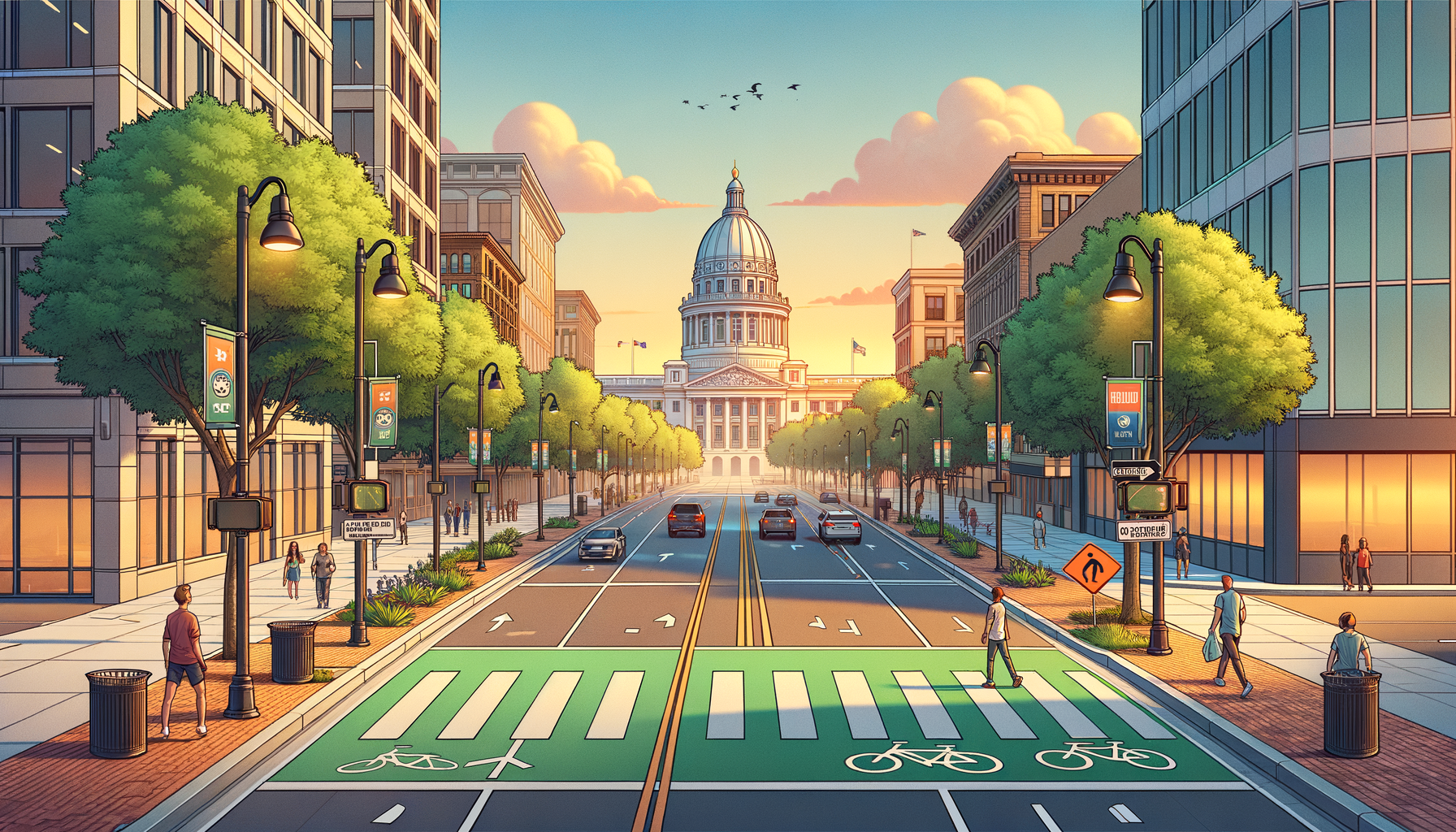
- Add greenery and shade to make the corridor more comfortable in Austin’s long warm season and reduce the “heat island” effect.
- Upgrade the streetscape to support downtown retail, restaurants, hotels, and office activity with a more inviting public realm.
- Set the stage for future phases that can create event-friendly public plazas and flexible gathering spaces.
Timeline and Construction Phasing: What to Expect Through Summer 2027
Construction is beginning at Congress Avenue & César Chavez, a highly visible location near the lake and a key gateway into the core of downtown. The City anticipates work continuing through summer 2027, with additional future phases envisioned to move Congress Avenue closer to a plaza-forward, event-friendly corridor.
What the Phased Timeline Likely Means for Residents and Businesses
Because Congress Avenue is a central artery, the City’s approach is expected to be phased—working block by block or segment by segment to keep access open as much as possible. In practice, that usually means:
- Short-term impacts: intermittent lane shifts, temporary sidewalk reroutes, and periodic noise during active construction windows.
- Access planning: businesses may see changing curb access for deliveries and ride-share pickups.
- Long-term payoff: completed segments should steadily improve the pedestrian environment as the project progresses.
For anyone considering a move or an investment near downtown Austin, it’s wise to ask for the most current construction maps and staging details when touring properties—especially if street access, parking, or quiet work-from-home space is a priority.
Funding Sources: How a $13M Streetscape Project Typically Comes Together
The City of Austin has announced a $13 million budget for this phase of the Congress Avenue revitalization. While major streetscape projects can be funded in different ways, city-led urban revitalization initiatives like this are commonly supported through combinations of local capital budgets, transportation and infrastructure allocations, and other public funding mechanisms tied to city planning priorities.
For homeowners and prospective buyers, the key takeaway is less about the accounting line items and more about what the funding signals: the City is placing real resources behind downtown Austin infrastructure, indicating confidence in Congress Avenue as a long-term economic engine and civic space.
Key Improvements: Streetscape, Greenery, and Better Pedestrian and Bike Access
Austin’s growth has brought more residents downtown and more visitors year-round—especially during festival seasons and major events. Congress Avenue already carries heavy foot traffic, but parts of the corridor can feel exposed in the summer, crowded at peak times, and challenging to navigate on foot or bike. The new improvements aim to address those pain points directly.
1) Streetscape Upgrades That Support a More Walkable Corridor
Streetscape improvements typically include better sidewalk conditions, clearer pedestrian zones, updated materials, and design elements that make storefront areas easier to enjoy. On a retail and dining corridor like Austin Congress Avenue, these details matter because they shape how long people linger and how comfortable they feel walking multiple blocks.
2) More Greenery (and Why Shade Is a Big Deal in Austin)
In Central Texas, shade can be the difference between an enjoyable stroll and an avoided block. Added greenery—often including street trees and landscaped zones—can cool the corridor, improve aesthetics, and create a more welcoming “main street” experience. For downtown Austin, where summer temperatures can influence foot traffic patterns, greening strategies can help keep street-level activity stronger across more months of the year.
3) Better Pedestrian Crossings and Bike Access
Improving pedestrian and bike access usually focuses on safety and flow: better crossings, clearer routes, and designs that reduce conflict points. In a dense urban environment, these changes can also support “last mile” trips—walking from parking or transit to offices, restaurants, hotels, and residential towers.
From a real estate perspective, corridors that are comfortable without a car tend to attract a wider range of buyers and renters, including remote workers who want an urban lifestyle and downsizers seeking convenience.
Future Phases: Event-Friendly Public Plazas and Flexible Downtown Space
Austin is known for its street life and event calendar, and Congress Avenue often functions as a natural stage—whether for celebrations, parades, or major downtown gatherings. The City’s broader vision includes future phases aimed at creating event-friendly public plazas along the corridor.
Plaza concepts typically focus on flexible public spaces that can accommodate everyday seating and weekend crowds without compromising mobility. For city planning, that means designing areas that are inviting on a quiet Tuesday but can still handle a surge of pedestrians during high-demand periods.
How Plazas Can Influence the “Feel” of Downtown
- More places to pause: seating, shade, and landscaping can turn pass-through blocks into destinations.
- Better event logistics: designed gathering areas can reduce ad-hoc crowding and improve safety.
- Stronger street-level business performance: more time spent on the street often translates to more spending at nearby businesses.
Economic Development Impact: Why Cities Invest in Corridors Like Congress Avenue
Urban revitalization projects are often economic development tools in disguise. When a city improves the public realm—sidewalks, trees, crossings, lighting, and plazas—it’s making it easier for businesses to succeed and for people to choose the area for work, living, and leisure.
Expected Benefits for Downtown Austin’s Local Economy
- Higher foot traffic quality: not just more people, but more comfortable movement that supports retail and dining.
- Tourism and convention appeal: a polished corridor strengthens Austin’s visitor experience and supports hotel and hospitality performance.
- Business retention and recruitment: companies weigh “place” and employee experience when choosing office locations.
- Enhanced civic identity: Congress Avenue is a symbolic street; improvements can reinforce the city’s brand.
Of course, the timeline matters. Construction can temporarily disrupt customer patterns. But the long runway to summer 2027 suggests the City is aiming for durable, high-quality results rather than quick fixes.
Real Estate Appeal: What This Could Mean for Values, Demand, and Buyer Preferences
Real estate markets respond to a mix of fundamentals—jobs, affordability, interest rates, and supply—but neighborhood experience matters, too. Downtown Austin infrastructure investments can influence how buyers and renters compare one building or block to another, especially in the condo and luxury rental segments where walkability and “street vibe” are major drivers.
Potential Upside for Nearby Properties
- Improved walkability: easier access to dining, offices, hotels, and waterfront amenities can increase desirability.
- Stronger retail corridors: healthy street-level businesses tend to support neighborhood stability and appeal.
- Long-term confidence signal: city planning investments suggest ongoing commitment to downtown vitality.
What to Watch During Construction (Short-Term Tradeoffs)
- Noise and access changes: if you’re buying a condo near the work zone, ask about typical work hours and staging.
- Parking and pick-up patterns: curb adjustments can affect ride-share convenience and guest access.
- Retail turnover: some small businesses may struggle during prolonged construction, while others benefit from the eventual upgrade.
In Austin, seasonal market dynamics also come into play. Spring and early summer are often peak moving seasons, which can magnify how construction is perceived. For sellers, timing photos and showings to avoid heavy construction activity near your building (when possible) can help maintain first impressions.
Practical Guidance for Buyers: How to Evaluate a Home Near a Major Streetscape Project
If you’re considering buying near Austin Congress Avenue while this urban revitalization work is underway, you can make a smart decision with a little extra due diligence. Here’s a simple checklist to keep the process buyer-friendly.
Step-by-Step: What to Ask Before You Buy
- Step 1: Confirm proximity to active phases. Ask your agent to map the building to current and upcoming construction segments.
- Step 2: Tour at different times of day. Visit during morning commute, lunch hours, and evening to gauge noise and access.
- Step 3: Ask about building sound insulation. In condos, window quality and HVAC can materially change comfort during construction.
- Step 4: Review HOA documents carefully. Look for notes about access changes, loading zones, or planned building coordination with city work.
- Step 5: Budget for lifestyle flexibility. If you rely on one driveway, one parking entrance, or regular ride-share pickups, plan for temporary adjustments.
Green Flags
- Clear building communication about access and deliveries
- Strong resale comps and steady demand in the immediate area
- Unit orientation that minimizes street noise (higher floors, interior-facing layouts)
Red Flags
- Uncertainty about long-term access to parking or loading
- Units that rely heavily on street-facing outdoor space during the hottest months without shade
- HOA financial stress that could limit building maintenance during a multi-year city project
Practical Guidance for Sellers: How to Market Well During Multi-Year Construction
Selling near a major downtown Austin infrastructure project isn’t automatically a disadvantage. The key is positioning: acknowledge the near-term inconvenience while clearly explaining the long-term benefit and lifestyle upside.
Step-by-Step: Seller Strategy That Usually Works
- Step 1: Price with the current reality in mind. Buyers may discount for construction impacts, even if they like the long-term story.
- Step 2: Lead with benefits that exist today. Walkability, views, building amenities, and proximity to major employers still matter.
- Step 3: Provide a simple project summary in your listing packet. A clear timeline and planned improvements help buyers feel informed rather than wary.
- Step 4: Optimize showing times. Schedule around peak construction periods when possible.
- Step 5: Use strong interior photography. If exterior streets are disrupted, highlight the comfort and functionality of the home itself.
How This Fits Into Broader City Planning and Market Trends in Austin
Austin’s growth story has increasingly shifted toward “quality of life infrastructure”—projects that help dense urban areas function better as more people live, work, and spend time downtown. This Congress Avenue effort fits a familiar Texas real estate development pattern: pair vertical growth (residential towers, offices, hotels) with public-realm upgrades that support mobility, safety, and street-level commerce.
It also aligns with what many buyers say they want: neighborhoods where they can walk to coffee, dinner, parks, and entertainment without feeling like they’re dodging traffic or baking in the sun. While no single project guarantees price appreciation, a consistent city planning approach tends to make downtown more resilient and attractive over time.
Bottom Line: A Multi-Year Investment in Austin’s Signature Street
The City of Austin’s $13 million Congress Avenue revitalization is a practical, place-making investment in one of the city’s most important downtown corridors. By improving streetscape conditions, adding greenery, and strengthening pedestrian and bike access—starting at Congress & César Chavez and continuing through summer 2027—the City is working to support economic development and enhance the real estate appeal of downtown Austin.
For residents and businesses, the next few years may bring detours and disruption. But for the long-term health of Austin Congress Avenue, the project signals a clear intention: make downtown easier to navigate, more comfortable to enjoy, and better prepared for the next chapter of growth.