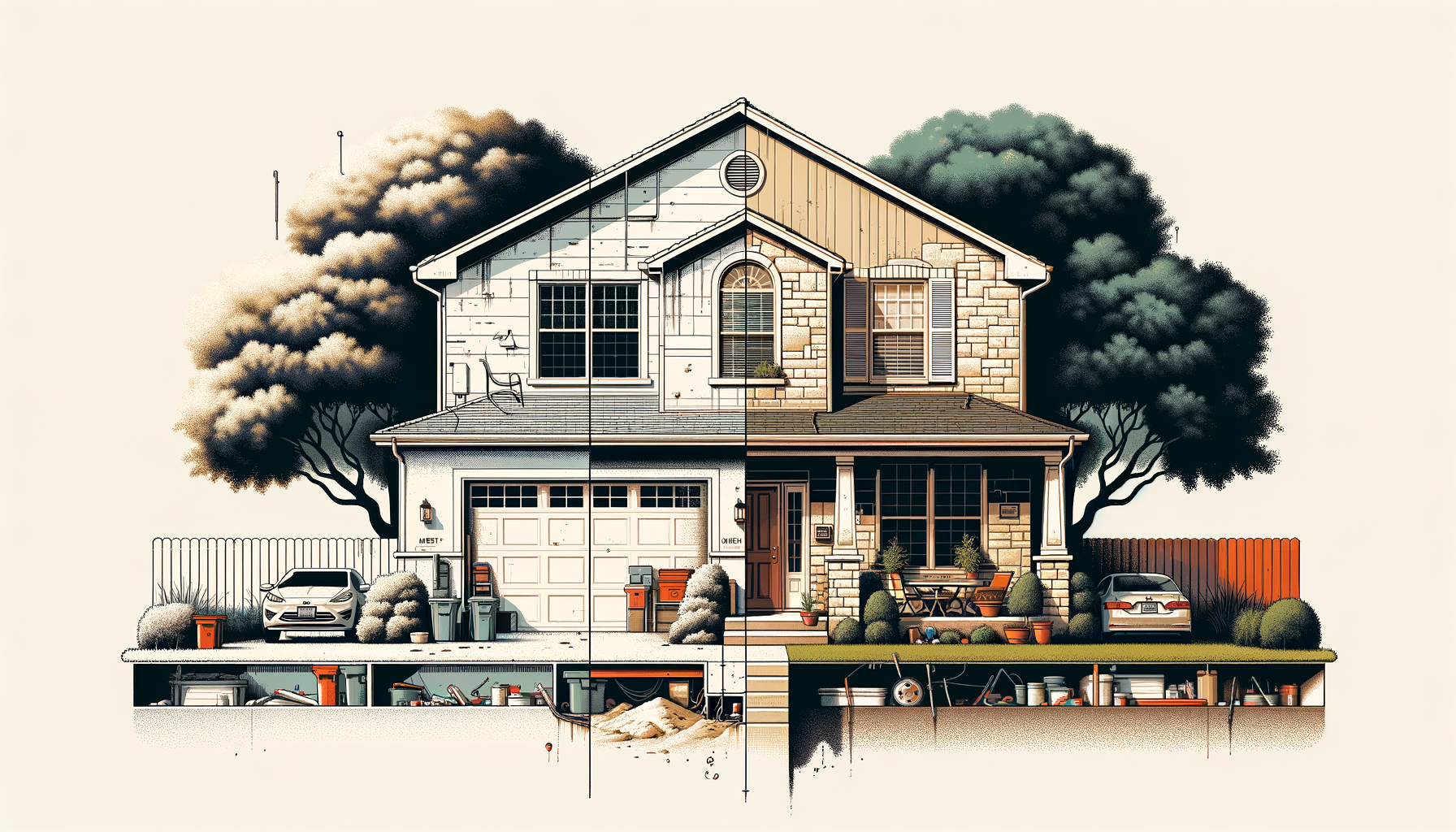
If you’re buying a home in Texas, it’s easy to get distracted by what you can see on a showing—paint colors, worn carpet, or dated fixtures. But the most expensive surprises often hide behind walls, under slabs, or on the roof. Understanding aesthetic vs structural red flags can help you separate “weekend project” problems from “walk away or renegotiate” issues.
This Texas real estate buying guide breaks down cosmetic vs structural home problems with real examples common across the state—from Houston’s humidity to North Texas clay soils and Hill Country limestone. You’ll also learn how Texas real estate inspections and the home inspection process Texas can protect you, and what to do if serious issues show up in your report.
What’s the difference between cosmetic vs structural home problems?
In simple terms, cosmetic (aesthetic) issues affect how a home looks and feels, while structural issues affect how a home stands up, drains water, and stays safe over time. Both matter, but they carry very different risk and cost profiles—especially in a state where soil movement, storms, and heat are part of everyday homeownership.
Aesthetic red flags are usually surface-level. They can still cost money, but they’re typically repairable without changing the home’s structural integrity. Many are common in resale homes and aren’t unusual findings on a home inspection checklist Texas buyers review.
Structural red flags involve the foundation, framing, roof structure, load-bearing components, or systems that affect safety and habitability. These are the issues most likely to create financing problems, insurance complications, or major repair bills. When people talk about buying a home in Texas red flags, they’re often talking about structural risks.
- Cosmetic (aesthetic) issues: paint, flooring, minor drywall cracks, dated finishes, worn fixtures, landscaping neglect
- Structural issues: foundation movement, roof structure problems, major water intrusion, failing drainage patterns, significant framing damage, unsafe electrical hazards, plumbing failures causing ongoing leaks
A useful rule of thumb: if the fix is mostly about appearance, comfort, or taste, it’s usually cosmetic. If the fix is about stability, moisture control, safety, or long-term performance, you’re likely dealing with signs of structural damage in homes.
Common aesthetic red flags in Texas homes (usually fixable)
Texas resale homes often show cosmetic wear from sun exposure, shifting humidity, and everyday family use. These items can still be negotiation points, but they typically don’t indicate the home is “bad”—just lived-in.
Here are common cosmetic issues buyers see from Dallas-Fort Worth to San Antonio and the Gulf Coast:
- Interior paint and texture wear: scuffs, outdated colors, patched nail holes, mismatched texture from prior repairs
- Worn flooring: scratched engineered wood, stretched carpet, cracked tile (note: tile cracks can be cosmetic or structural depending on pattern and cause)
- Outdated kitchens and baths: laminate counters, older cabinets, dated lighting, old-style fixtures that still function
- Caulking and grout issues: failing caulk around tubs and sinks, stained grout (important to address to prevent moisture problems)
- Minor drywall cracking: small hairline cracks around corners or along tape seams, often from normal settling and seasonal expansion
- Landscaping and drainage cosmetics: bare patches, overgrown shrubs, uneven garden beds (distinct from drainage that pushes water toward the foundation)
Texas weather plays a role. Intense sun can fade exterior paint and warp cheaper materials. In humid regions like Houston, poor bathroom ventilation can lead to surface mildew or peeling paint—often cosmetic at first, but worth correcting quickly so it doesn’t become a moisture and mold issue.
When “cosmetic” problems deserve a second look
Some issues look cosmetic but can hint at larger concerns. The key is pattern, location, and whether there’s evidence of ongoing movement or moisture.
- Repeated stains on ceilings: may point to active roof leaks, HVAC drain issues, or plumbing leaks
- Tile cracks in straight lines across multiple rooms: can be associated with slab movement and foundation issues Texas homes sometimes experience
- Soft, spongy flooring: may indicate past water damage or subfloor deterioration
- Peeling paint around windows: can be a sign of water intrusion, not just age
In other words, cosmetic is often fixable—but it’s still smart to ask “why is this happening?” during the inspection phase.
Common structural problems Texas buyers should watch for
Structural concerns tend to cluster around a few Texas-specific realities: expansive clay soils (especially in North Texas and parts of Central Texas), heavy rains and flash flooding, hurricane-driven wind and water risk along the coast, and long heat cycles that stress materials. These conditions shape the common structural problems Texas inspectors see year after year.
Below are high-priority items that often show up as Texas home inspection issues—and why they matter.
- Foundation movement and settlement: one of the biggest worries in the state; can affect doors, windows, floors, and plumbing
- Roof damage and roof structure concerns: storm wear, poor installation, decking issues, sagging ridgelines, or inadequate flashing
- Water intrusion and drainage failures: grading that channels water toward the home, poor gutter systems, negative slope near the slab
- Framing and structural wood damage: rot from long-term moisture, or pest-related deterioration (including termites in many regions)
- Plumbing leaks under slabs: can be costly and may contribute to soil movement; watch for unexplained moisture or prior tunneling repairs
- Electrical safety problems: outdated or unsafe panels, improper wiring, missing GFCI protection in wet areas—serious even if not “structural” in the foundation sense
Many Texas buyers specifically worry about roof and foundation issues Texas properties can develop. That focus is warranted: these two categories can affect insurance, resale value, and repair budgets more than most other findings.
Foundation issues Texas homes: what to look for
Not every crack means foundation failure. But certain patterns are classic signs of structural damage in homes and deserve expert follow-up.
- Doors that stick or won’t latch: especially if multiple doors across the home are affected
- Diagonal cracks at door and window corners: larger or widening cracks can signal movement
- Separation at trim or cabinets: gaps between cabinets and ceiling/walls
- Uneven or sloping floors: noticeable “roll” in the floor can indicate settlement
- Exterior brick cracking or stair-step cracks: can occur from movement; pattern and severity matter
Texas foundations (slab-on-grade is common) can move with moisture changes in expansive soils. That’s why maintaining consistent watering around the perimeter and good drainage is often recommended by local pros—though you’ll want to follow property-specific guidance.
Roof problems: beyond missing shingles
Roof wear is common after hailstorms in places like Austin, San Antonio, and DFW, and wind events along the Gulf Coast can be rough on shingles and flashing. Cosmetic roof wear exists, but many “small” roof issues quickly become structural because water travels.
- Damaged flashing: around chimneys, vents, and roof-to-wall transitions
- Soft decking: can indicate prolonged moisture exposure beneath shingles
- Sagging roof lines: may indicate framing or decking issues that need evaluation
- Improper attic ventilation: can shorten roof life and contribute to moisture problems
A roof at the end of its life isn’t automatically a deal-breaker—but it should be priced into the transaction, verified with inspection findings, and considered alongside insurance requirements.
How Texas real estate inspections help you sort red flags
A professional inspection is where many buyers finally see the difference between “needs updating” and “needs repair now.” Texas real estate inspections are typically performed during the option period (commonly called an “option period” in many Texas contracts), giving buyers time to evaluate the home before fully committing.
The home inspection process Texas buyers experience usually includes a visual, non-invasive evaluation of accessible areas: roof surfaces (where safe), attic, structure, HVAC, electrical, plumbing, appliances, and site drainage observations. Inspectors document defects, safety issues, and maintenance concerns in a written report.
Because inspection scope is visual, the report often recommends specialist follow-ups for certain findings. That’s not a bad sign—it’s how the system is supposed to work. A general inspector flags risk; a specialist confirms cause and repair scope.
Home inspection checklist Texas buyers should keep in mind
Every inspector has their own format, but smart buyers tend to focus on a few categories that frequently drive negotiations and long-term costs in Texas.
- Foundation and structure: crack patterns, floor levelness, pier-and-beam conditions (if applicable), crawlspace moisture
- Roof and attic: shingle condition, flashing, penetrations, ventilation, signs of active leaks
- Drainage and grading: slope away from the home, gutters/downspouts discharge, erosion, standing water
- Plumbing: water pressure, visible leaks, water heater condition, sewer line considerations (a separate sewer scope may be recommended)
- Electrical: panel condition, grounding/bonding, GFCI/AFCI protection where required, DIY wiring signs
- HVAC: age, performance, condensate drainage, duct condition, insulation basics
These are the areas where Texas home inspection issues most often shift a deal from “minor fixes” to “major negotiation.” They’re also where repair costs can jump quickly, especially if moisture is involved.
Inspections vs. engineering reports: knowing when to escalate
It’s common in Texas for buyers to order a structural engineer evaluation when the inspection suggests potential foundation movement, significant cracking, or concerning floor slopes. An engineer can provide a stamped report and specific repair recommendations, which is especially helpful when you’re deciding whether you’re looking at normal settling or a repair project.
For roof concerns, a qualified roofing contractor can clarify whether the issue is maintenance, replacement timing, or active leakage. For drainage, a landscaping/drainage specialist can help determine practical solutions like regrading, adding downspout extensions, or installing surface drains—always tailored to the lot and soil type.
Texas homebuyer tips: how to respond to red flags before you close
Finding problems doesn’t automatically mean you should walk away. The goal is to understand severity, confirm the cause, estimate realistic costs, and decide whether the home still makes sense for your budget and risk tolerance. This is where clear next steps matter most for anyone navigating buying a home in Texas red flags.
Use these Texas homebuyer tips to stay organized and protect yourself during negotiations:
- Separate “must-fix” from “nice-to-fix”: safety, active leaks, electrical hazards, and structural risks go to the top of the list
- Request specialist evaluations when warranted: engineering for foundation, roofer for roof, plumber for leaks, electrician for panel/wiring issues
- Ask for documentation: permits (when applicable), transferable warranties, invoices, and scope of prior repairs
- Use repair estimates strategically: negotiate credits or repairs based on verifiable quotes, not guesses
- Consider insurance and financing implications: some conditions can affect insurability or lender requirements, especially roof condition
- Think about long-term maintenance: drainage corrections, tree placement near foundations, and roof upkeep can prevent recurring issues
In many Texas transactions, buyers choose between (1) asking the seller to complete repairs, (2) negotiating a credit or price reduction, or (3) accepting the condition and budgeting for repairs after closing. The right choice depends on timing, contractor availability in your area, and how confident you are in the scope of work.
Also pay attention to red flags in the pattern of findings. One small issue is normal. Multiple issues pointing to the same cause—like widespread moisture staining, high humidity in the attic, and wood rot—often signal a bigger underlying problem that needs a clear plan.
Green flags that can balance the risk
Not every older home is a risky home. Plenty of Texas houses are solid but simply dated. These positive signs can help you feel more confident if the big-ticket items check out:
- Consistent, well-documented maintenance: regular HVAC service, roof repairs with receipts, proactive drainage improvements
- Clean attic and crawlspace conditions: no active leaks, reasonable insulation, no widespread mold-like growth
- Good drainage performance: no ponding near the home after rain, gutters that discharge away from the foundation
- Stable interior indicators: minimal cracking, doors and windows operate smoothly, no obvious floor slope changes
Ultimately, distinguishing aesthetic vs structural red flags is about protecting your budget and your peace of mind. Cosmetic issues are often a chance to build equity through updates. Structural concerns—especially foundation issues Texas homes can face and major roof and foundation issues Texas buyers worry about—deserve careful documentation, specialist input, and negotiation that reflects real-world costs.
If you treat the inspection as a decision tool instead of a pass/fail test, you’ll be in a stronger position to choose the right home, avoid costly surprises, and move forward with confidence in the Texas market.