Why staging matters in Austin right now
Austin buyers move fast, but they’re also picky. With more inventory than the frenzied peak years and many shoppers comparing multiple homes in the same weekend, presentation can be the difference between “let’s write” and “let’s wait.” Thoughtful home staging Austin helps your listing feel turnkey, photograph better, and stand out online—where most buyers decide whether to tour in the first place.
Staging isn’t about masking problems. It’s about removing distractions, highlighting what makes your home livable, and making rooms look appropriately sized and bright. In a market where price reductions are common when a home misses the early rush, staging can support your plan to sell fast Austin—or at least sell with fewer concessions.
What Austin buyers respond to: styles that sell
Austin is not one-style-fits-all. What works in Central Austin can feel out of place in Round Rock or Dripping Springs. Still, there are consistent themes that show well across the metro:
Warm modern (Austin’s current favorite)
Think clean lines, light neutrals, and natural textures. White or soft greige walls, light oak tones, linen-like fabrics, and matte black accents photograph well and complement many of Austin’s newer builds and remodels. This approach is especially effective when your goal is to boost home value TX through perception: buyers feel the home is updated even when the changes are mostly styling.
Hill Country comfort
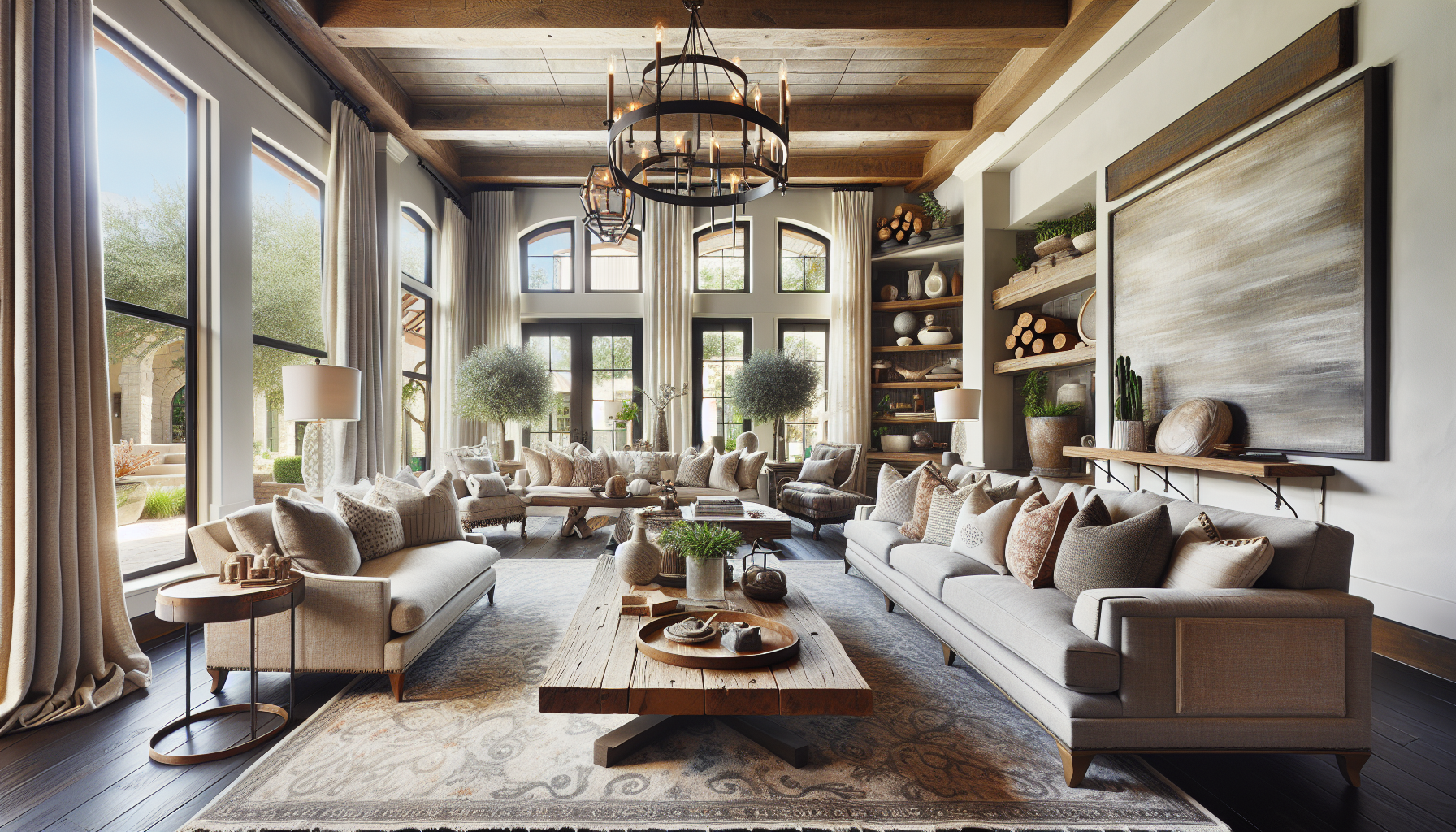
In West Austin, Lake Travis, and the Hill Country edges, buyers often respond to a relaxed upscale feel: layered neutrals, leather accents, and a few rustic touches (wood, stone, woven textures). Keep it refined—too much “farmhouse” can read dated if the finishes don’t match.
Urban minimal for condos and small footprints
Downtown, South Lamar, and East Austin condos tend to show best with fewer pieces and bolder, intentional art. Minimal staging helps rooms feel larger and keeps attention on views, balconies, and walkability.
What to avoid in Austin staging
- Overly trendy colors (strong teal, bright red, heavy accent walls) that don’t translate in real estate photography.
- Theme staging (too “Texas,” too “boho,” too “industrial”) that competes with the architecture.
- Dark rooms created by heavy drapes or too-small lamps—Austin buyers expect light and airy spaces.
Staging ROI in Austin: what sellers can realistically expect
Most sellers want to know the payoff. Staging ROI Austin varies by price point, condition, and neighborhood demand, but the most consistent return comes from reducing days on market and protecting your asking price. When a home looks great online and in person, it’s more likely to earn strong early interest—important because many listings see their best traffic in the first 7–14 days.
In practice, staging tends to deliver ROI through:
- Fewer price reductions (a big “hidden cost” when a home starts high and chases the market down).
- Better offer terms (less pressure to cover buyer closing costs or make multiple repair credits).
- Stronger perceived condition, especially when paired with sharp real estate photography.
Local stagers often tell sellers to treat staging like marketing, not remodeling. As one Central Austin stager puts it: “Your goal isn’t to show how you live—it’s to show how the next buyer could live here. That means cleaner lines, fewer personal items, and rooms that clearly communicate purpose.”
When to stage: timing it for Austin’s seasonal market
Austin has predictable seasonality, and staging should match your listing plan.
Spring (March–May): the “best foot forward” season
Spring typically brings more buyers and more competition. Staging is most valuable here because side-by-side comparisons are common. If you can only do partial staging, focus on the rooms that show first online: living room, primary bedroom, kitchen, and backyard/patio.
Summer (June–August): family moves and heat management
Summer showings can be hot—literally. Staging should emphasize cool, bright, breathable spaces. Make sure HVAC is serviced, blinds work smoothly, and outdoor spaces look inviting even in heat. Shade, clean cushions, and a tidy grill area can make a difference.
Fall (September–November): serious buyers, fewer of them
Fall buyers are often more decisive. Staging can support a confident list price when demand is more selective. Keep décor neutral and avoid heavy holiday items that shrink spaces.
Winter (December–February): fewer showings, higher stakes
In winter, each showing matters more. Staging helps create warmth and comfort. Use soft lighting and textiles, but keep it uncluttered. Also plan around shorter daylight hours to support real estate photography and after-work showings.
Step-by-step: how to prepare your home for sale in Austin
If you’re wondering how to prepare home for sale without getting overwhelmed, use this simple sequence. It’s the same approach many best home stagers Austin recommend because it builds on itself.
Step 1: Start with repairs and “quiet upgrades”
Staging doesn’t fix broken. Address items that buyers flag during tours and inspections:
- Sticky doors, loose handles, cracked switch plates
- Leaky faucets, running toilets, missing grout/caulk
- Burnt-out bulbs (match color temperature for consistent lighting)
- Touch-up paint on baseboards and door frames
Tip from a North Austin listing agent: “If a buyer sees three small maintenance issues in the first five minutes, they assume there are thirty more. Fix the easy stuff so the home feels cared for.”
Step 2: Declutter like you’re moving (because you are)
Decluttering is the highest-impact, lowest-cost staging move. Remove at least 30–50% from shelves, counters, and closets. Austin buyers open closets and pantry doors—storage matters.
- Clear kitchen counters except one or two attractive items
- Reduce closet contents so it looks like there’s room to spare
- Pack personal collections, family photos, and oversized furniture
Step 3: Deep clean and reset odors
Clean sells. Pay special attention to baseboards, ceiling fans, shower doors, and pet areas. Avoid heavy plug-in scents; many buyers read them as “cover-ups.” A local stager’s rule: “If you can smell it when you walk in—good or bad—it’s too much.”
Step 4: Create a neutral, consistent palette
Neutral doesn’t mean bland. It means cohesive. Choose whites and light neutrals that complement Austin’s bright natural light. If repainting isn’t in the budget, at least unify mismatched accent walls and touch up high-traffic areas.
Step 5: Define every space (especially flex rooms)
Austin homes often have bonus rooms, lofts, or “office nooks.” Make the purpose obvious:
- Loft becomes a second living area with a rug and compact seating
- Extra bedroom becomes a guest room, not a storage room
- Dining area gets a properly sized table (even small) to anchor the space
Room-by-room staging tips for sellers (Austin edition)
These staging tips for sellers focus on the rooms that drive buyer decisions and appraisals indirectly through stronger offers.
Entry and first impression
- Replace or clean the doormat; keep the entry bright
- Add a simple console or bench if space allows
- Keep keys, bags, and shoes out of sight during showings
Living room: scale and flow
- Float furniture to create clear walkways (no obstacle course)
- Use a rug large enough to anchor the seating area
- Limit pillows and throws; choose textures that photograph well
Home styling ideas that work in Austin: a warm neutral rug, one statement plant, and art that nods to local color without overwhelming the room.
Kitchen: the Austin buyer “deal room”
- Clear counters and remove fridge magnets/papers
- Stage with one board, one bowl of citrus, and a clean sink
- Showcase pantry organization (buyers notice)
If your kitchen has dated hardware, swapping pulls and knobs can be an affordable way to boost home value TX by modernizing the look without a remodel.
Primary bedroom: calm and hotel-like
- Use crisp bedding and a simple color palette
- Nightstands should match in height and feel balanced
- Remove extra furniture that shrinks the room
Bathrooms: bright, clean, spa-light
- Fresh white towels and a single decorative item (plant or tray)
- Re-caulk if needed and replace worn shower curtains
- Close toilet lids; store personal items completely away
Outdoor spaces: don’t leave money on the patio
Outdoor living is a major Austin lifestyle selling point. Even small spaces deserve attention.
- Sweep patios, clean outdoor lighting, and stage seating for two or four
- Trim trees and shrubs to open sightlines and reduce “crowded” feel
- In summer, set out a clean umbrella or shade sail if you have one
Staging and real estate photography: a package deal
In Austin, most buyers first meet your home on their phone. That’s why staging should be planned with real estate photography in mind. Bright, balanced, and simplified rooms photograph larger and more inviting.
Photography-ready checklist
- All lights on, all bulbs matched (same color temperature)
- Window coverings open (unless glare is an issue)
- Cars out of driveway, trash bins hidden
- Ceiling fans off (they blur in photos)
- Countertops cleared, cords tucked away
Tip from an Austin real estate photographer: “The camera sees clutter you’ve learned to ignore—paper stacks, pet bowls, cords, and too many small décor items. If you want magazine-style photos, simplify and let the architecture do the talking.”
Should you hire a stager in Austin, or DIY?
Many sellers can DIY the basics, but professional staging is often worth considering when competition is tight or your home is vacant. Here’s a practical way to decide between DIY and hiring one of the best home stagers Austin homeowners regularly use.
DIY staging: pros and cons
- Pros: lower cost, quick decisions, uses what you already own
- Cons: harder to see your home objectively, risk of mismatched style, may not photograph as well
Professional staging: pros and cons
- Pros: design expertise, access to inventory, stronger flow and scale, often better for vacant homes
- Cons: added upfront cost, scheduling, requires cooperation to maintain staged look
A common hybrid approach in Austin is a staging consultation: a stager walks the home, gives a prioritized punch list, and recommends what to keep, remove, or add. This can be a sweet spot for sellers who want strong results without full-service staging costs.
Austin open house tips: staging for maximum weekend traffic
Open houses can still be a useful part of the marketing mix, especially in neighborhoods where buyers like to “tour first, decide later.” These Austin open house tips focus on creating an easy, comfortable experience.
Before the open house (day-of essentials)
- Set thermostat to a comfortable temp (cooler in summer)
- Open blinds, turn on lamps, and brighten darker corners
- Put away valuables, prescriptions, and personal paperwork
- Hide pet items and arrange for pets to be off-site if possible
During the open house
- Keep music low or skip it—many buyers prefer quiet
- Light scent only (clean air beats strong candles)
- Leave out a simple feature sheet that highlights upgrades, roof/HVAC age, and neighborhood perks
After the open house
- Reset quickly for private showings; in Austin, follow-up tours can happen the same day
- Review feedback for patterns (lighting, smell, layout confusion) and adjust staging accordingly
Common staging mistakes Austin sellers make (and how to fix them)
- Ignoring curb appeal: Buyers form opinions before they walk in. Fresh mulch, trimmed landscaping, and a clean front door go a long way.
- Leaving rooms empty without a plan: Vacant rooms often look smaller and feel cold. Even minimal furniture helps define scale.
- Overfurnishing to “show value”: Too much furniture makes square footage feel tight. Aim for flow.
- Trying to hide condition issues with décor: Buyers notice. Handle repairs first, then stage.
- Forgetting the garage and laundry room: In Austin, storage is a selling point. Clean, organized utility spaces are a quiet win.
Quick checklist: staging plan to sell fast in Austin
If your main goal is to sell fast Austin, focus on the highest-impact actions first:
- Repair small maintenance issues and touch up paint
- Declutter aggressively (counters, closets, shelves)
- Deep clean and neutralize odors
- Stage key rooms: living, kitchen, primary bedroom, patio
- Prep for real estate photography with bright, simplified spaces
- Use a consultation or hire a pro if the home is vacant or highly competitive
Final thoughts: staging as smart Austin marketing
Staging works best when it’s strategic, not expensive. The right home staging Austin plan helps you prepare home for sale with clarity: fix what’s broken, remove what distracts, and style what sells. In many Austin neighborhoods, buyers are making careful comparisons—and a well-staged home often earns stronger first impressions, better photos, and smoother negotiations.
If you’re unsure where to start, ask your listing agent what’s typical for your price point and area, and consider a staging consult. The goal is simple: present a home that feels bright, cared for, and easy to move into—so buyers can say yes with confidence.