For many Texans, the mortgage payment is the headline number when buying a home in Texas—but it’s rarely the full story. The true cost of owning a home in Texas includes recurring bills and “surprise” expenses that can change your monthly budget, especially in today’s environment of shifting insurance pricing, rising service costs, and region-by-region property tax differences.
If you’re a first-time homebuyer Texas shoppers often focus on interest rates and down payments, then feel squeezed later by expenses beyond mortgage payments. This guide breaks down the most common Texas homeownership costs—from Texas property taxes to home maintenance costs—and offers practical Texas homebuyer tips for budgeting for homeownership with fewer surprises.
What are the biggest expenses beyond mortgage payments in Texas?
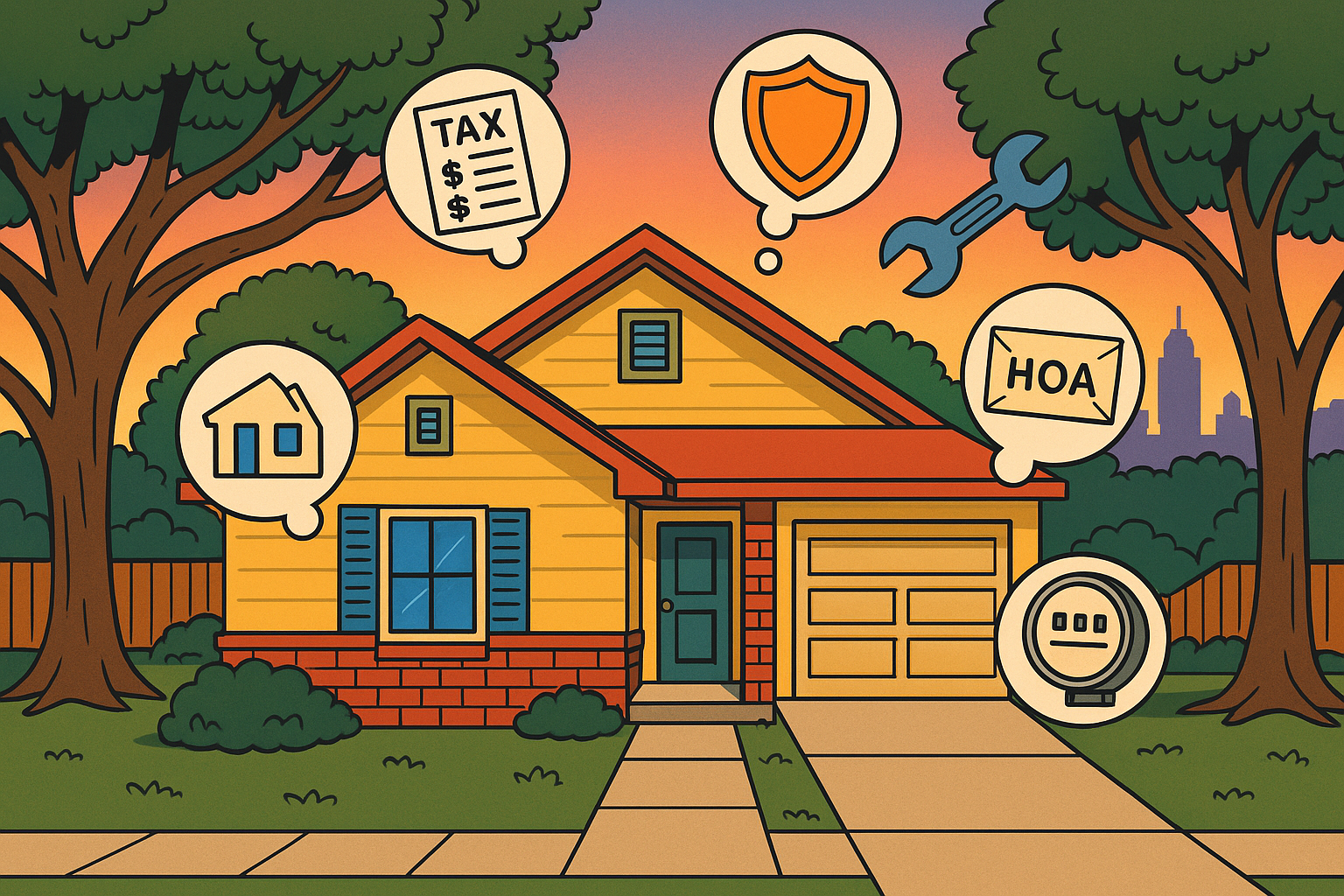
Think of homeownership as a bundle: principal and interest are only one piece. Your monthly expenses of owning a house can include escrowed costs (like taxes and insurance) plus “out-of-pocket” items such as utilities, maintenance, and HOA dues. Together, these are the hidden costs of homeownership that shape the real cost of living in a Texas home.
Here are the major categories most buyers should plan for:
- Texas property taxes (often the largest non-mortgage cost)
- Homeowners insurance Texas premiums and deductibles
- Utilities (electricity, water, gas, trash, internet)
- Home maintenance costs and routine upkeep
- Unexpected homeownership expenses (repairs and replacements)
- HOA fees (common in master-planned communities and many suburbs)
- Seasonal expenses (heat, hurricanes, hail, freezes, lawn care)
In Texas, these costs can vary dramatically by metro, school district, and even neighborhood. A newer home in a suburban MUD district outside Houston may have different tax components than a central Austin bungalow or a Dallas-area home in a high-demand ISD.
How do Texas property taxes affect the true cost of owning a home in Texas?
Texas property taxes are a core driver of Texas homeownership costs because Texas doesn’t have a state income tax, and local governments rely heavily on property tax revenue. In many areas, taxes can rival or exceed homeowners insurance as the largest “extra” cost, and they directly impact your monthly payment if escrowed.
Two homes with the same purchase price can have very different tax bills depending on:
- Tax rate (set by overlapping entities like city, county, school district, and special districts)
- Assessed value (which may change after a sale)
- Exemptions (especially the homestead exemption)
- New construction timing (taxes may jump when the full home value is assessed)
Common Texas property tax “gotchas” buyers should plan for
Post-purchase assessment changes: A home may be taxed based on a lower historical value until it sells. After closing, the appraisal district may reassess closer to market value, raising the next bill. This is one of the most common hidden costs of homeownership for new buyers.
New-build sticker shock: Builders sometimes advertise estimated taxes based on the lot or a partial year. Once the home is fully assessed, the tax bill can increase substantially—meaning your escrow payment may rise the following year.
Exemption timing: Your homestead exemption typically isn’t automatic. Missing the filing window can mean you pay more than necessary. It’s a simple step, but it’s a big part of smart budgeting for homeownership in Texas.
How much do homeowners insurance Texas policies and utilities really cost?
Homeowners insurance Texas costs depend heavily on geography and risk factors. Gulf Coast and hail-prone regions can see higher premiums due to windstorm, hurricane exposure, or frequent roof claims. Central and North Texas buyers may run into hail and wind considerations, while older homes statewide may need updated wiring, plumbing, or roofs to qualify for preferred rates.
Insurance isn’t just the premium. Deductibles—especially wind/hail deductibles—can create large out-of-pocket costs after a storm. That’s why insurance planning is central to the true cost of owning a home in Texas.
Utilities are the other major ongoing piece of the cost of living in a Texas home. Texas summers are long, and air conditioning can push electricity bills up significantly, especially in larger homes with high ceilings, older windows, or underperforming insulation.
Utilities that commonly affect the monthly expenses of owning a house include:
- Electricity: Often the biggest seasonal swing, especially in July–September
- Water and sewer: Can rise with irrigation and summer lawn care
- Natural gas: Heating and hot water (varies by region and home efficiency)
- Trash and recycling: Sometimes bundled with city services, sometimes separate
- Internet: Essential expense that varies by neighborhood options
Texas-specific note: in deregulated electricity markets (common in parts of North Texas and Houston-area service territories), plan choices and contract terms can change costs. If you’re moving from a regulated city utility area, the billing experience may feel different even when usage is similar.
What do home maintenance costs and unexpected homeownership expenses look like in Texas?
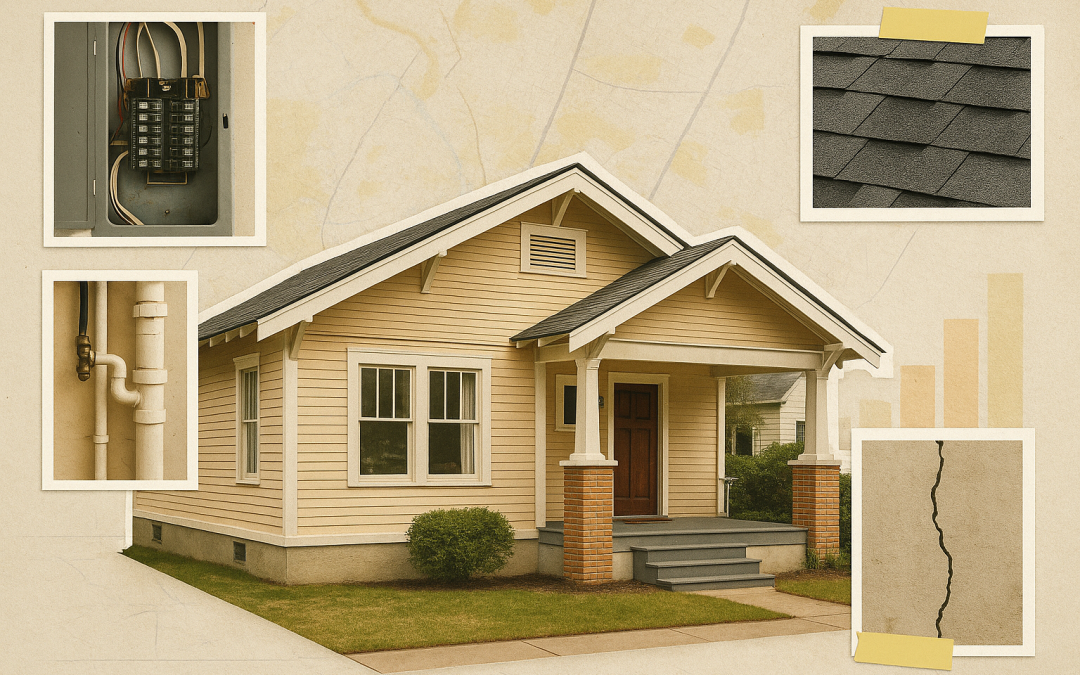
Home maintenance costs are not optional if you want to protect your home’s value. Texas weather can be tough on roofs, HVAC systems, foundations, and landscaping. The “small stuff” (filters, gutters, caulk, sprinkler heads) adds up, and the “big stuff” (roof replacement, HVAC replacement, plumbing leaks) can hit fast.
A helpful rule of thumb for homeownership budget Texas planning is to set aside a maintenance reserve every month. The exact number depends on the home’s age, materials, and condition, but many homeowners budget a percentage of the home’s value annually for maintenance and repairs. Older homes and homes with pools, extensive landscaping, or aging systems generally need a higher cushion.
Here are common unexpected homeownership expenses Texas buyers run into:
- HVAC repairs or replacement: High summer usage can shorten lifespan; tune-ups help
- Roof repairs: Hail and wind events are frequent in many regions
- Foundation or drainage work: Expansive clay soils in many Texas areas can cause movement if drainage is poor
- Plumbing issues: Aging supply lines, sewer line problems, or hidden leaks
- Tree trimming and storm cleanup: Especially after spring storms or hurricanes
- Pest control: Termites and other pests are a real ongoing concern in many markets
Season matters, too. Spring storm season often exposes roof and tree issues, and late summer can reveal HVAC weakness. In some parts of Texas, a winter hard freeze can create burst pipes or irrigation damage—an expense that tends to arrive suddenly and all at once.
If you’re buying an older home in neighborhoods like Houston’s Oak Forest, Dallas’s Lake Highlands, Fort Worth’s Arlington Heights, or San Antonio’s Alamo Heights area, it’s smart to look closely at system ages and prior updates. The inspection report is important, but so is budgeting for what the inspector flags as “end of life soon.”
How do HOA fees and seasonal expenses change the monthly expenses of owning a house?
HOAs are common in many Texas communities, especially suburban and master-planned areas around Katy, Cypress, Frisco, McKinney, Round Rock, Pflugerville, and parts of the Hill Country. HOA fees can be modest or significant, and they’re part of the real expenses beyond mortgage payments that affect affordability.
What HOA fees may cover varies widely. Some include neighborhood amenities like pools and parks, while others may include limited exterior maintenance for townhomes or condos. Always review the fee schedule and what’s included so you understand the true cost of owning a home in Texas in that community.
Seasonal expenses are another overlooked category of Texas homeownership costs. Texas weather drives periodic spending that isn’t monthly but still predictable over the year:
- Summer: Higher electric bills, lawn irrigation, HVAC servicing
- Spring: Storm prep, gutter cleaning, roof inspections after hail/wind
- Fall: Tree trimming, sealing gaps, prepping sprinkler systems (where applicable)
- Winter: Pipe insulation, freeze prep, occasional heating spikes
If you’re near the Gulf Coast, also plan for hurricane preparedness and potential insurance complexities. In hail-prone corridors from North Texas through parts of Central Texas, a roof fund (and understanding your deductible) is a practical form of budgeting for homeownership.
Texas homebuyer tips: How to build a realistic homeownership budget before you buy
A strong homeownership budget Texas plan starts before you make an offer. Getting pre-approved is important, but pre-approval alone doesn’t guarantee comfort. Lenders qualify you based on debt-to-income ratios; your personal budget needs to account for the full cost of living in a Texas home and your lifestyle priorities.
Use these Texas real estate tips to reduce the risk of payment shock:
- Request a full payment estimate: Ask your lender for a breakdown that includes principal, interest, estimated taxes, insurance, and HOA to better estimate monthly expenses of owning a house.
- Stress-test your budget: Model your payment with higher taxes or insurance than the initial estimate, especially if the home recently sold for much more than prior years.
- Verify property taxes carefully: Ask what exemptions are currently applied and whether the tax estimate reflects full market value. This is crucial for buying a home in Texas without surprises.
- Shop insurance early: Get quotes during the option period if possible. For older roofs or older systems, ask whether upgrades could lower premiums.
- Build a maintenance reserve: Treat maintenance like a bill you pay yourself every month. This is the simplest way to prepare for unexpected homeownership expenses.
- Read HOA documents, not just the fee: Look for special assessments, upcoming capital projects, and restrictions that could affect your plans.
- Consider efficiency and condition, not just price: A slightly higher-priced home with a newer roof and HVAC can be cheaper over time than a bargain home with deferred maintenance.
For a first-time homebuyer Texas residents, it also helps to plan for “move-in costs” that aren’t part of closing: changing locks, window coverings, basic tools, lawn equipment, and initial repairs. These one-time items can feel like hidden costs of homeownership when they hit right after you get the keys.
Finally, remember that costs vary by age, size, location, and condition. A newer home in a growing suburb may bring higher tax rates or HOA fees but fewer early repairs. An older home closer to job centers might reduce commute costs but increase ongoing maintenance. The best strategy is to compare homes using the same all-in monthly number—not just the list price or mortgage payment—so you truly understand Texas homeownership costs before committing.