Most people start the home search in spreadsheet mode—rates, monthly payment, taxes, commute time. That’s smart. But if you’ve ever toured two homes with the same price tag and instantly “felt” one was right, you’ve already experienced the psychology of homebuying in real time.
Here’s the truth Texas buyers learn quickly: homebuying isn’t just a financial transaction. It’s a life decision. And emotional home buying decisions often carry more weight than the last $10,000 on the purchase price—especially when you’re thinking about school districts, neighbors, weekend routines, and the simple comfort of walking through your front door.
This article breaks down how emotions affect home buying, why those feelings are completely normal (and sometimes protective), and how to balance budget and emotion so you can choose confidently. Along the way, you’ll get practical homebuyer tips for buying a home in Texas—where seasonal shifts, fast-moving listings, and neighborhood identity can amplify emotions even more.
Why This Topic Matters in Texas Right Now
Buying a home in Texas can feel like a roller coaster depending on where you’re looking. Metro areas like Dallas–Fort Worth, Austin, Houston, and San Antonio each have their own rhythms. Some neighborhoods move fast with multiple-offer situations, while others give you more breathing room to negotiate. Interest rates and affordability shape what’s possible, but your emotional response shapes what you pursue.
Texas also has a few market dynamics that make real estate decision making more personal:
- Neighborhood identity runs deep. In many Texas cities, the “right” side of town, the school zone, and even the drive to H-E-B can feel like lifestyle decisions—not just location.
- Seasonality affects pressure. Spring and early summer often bring more inventory and more competition, especially for homes that show well. Late summer can move quickly too as families try to settle before school. Winter can be quieter, but sellers may be more motivated.
- Property taxes and insurance create real payment anxiety. Even when the price feels doable, buyers may worry about the full monthly payment once taxes and homeowners insurance are included.
When the stakes are high, emotions naturally show up. The goal isn’t to “remove” emotion. It’s to understand it and use it wisely while choosing the right home.
The Psychology of Homebuying: The Home Isn’t Just a Product
In most purchases, you can return what you don’t like. A home is different. It holds your routines, your privacy, your safety, and your sense of identity. That’s why the psychology of homebuying tends to be more intense than car shopping or even choosing a college.
When buyers say, “We just knew,” they’re often responding to a bundle of emotional signals:
- Belonging: “I can see myself here.”
- Security: “This feels safe and stable.”
- Pride: “I’m excited to invite people over.”
- Relief: “This solves the problems we’ve been dealing with.”
- Hope: “This supports the life we’re building.”
None of that shows up in the list price, but it’s often what pushes a buyer to write an offer.
Why Emotion Often Outweighs Price (Even for Practical Buyers)
1) Buyers anchor to “fit,” not math
Most people don’t fall in love with a number. They fall in love with a morning routine, an open kitchen, a backyard for the dog, or a quiet home office. Once a home feels like “the one,” the price becomes one factor in a larger story.
2) Loss aversion is real
In real estate decision making, losing a home you want can feel worse than overpaying by a small amount. That’s not always rational, but it’s common. It’s also why buyers sometimes stretch when they think a home is rare.
3) Competition amplifies emotion
In parts of Texas, the best homes (clean, updated, well-priced, good location) can attract quick attention. When you know other buyers are circling, urgency spikes. And urgency can turn emotional home buying decisions into impulsive ones if you don’t have a plan.
4) The home represents your “next chapter”
First-time homebuyers may feel pride, fear, and excitement all at once. Move-up buyers may feel pressure to “get it right” for their family. Downsizers may feel sentimental. These emotions are valid—and powerful.
How Emotions Affect Home Buying: Common Feelings (and What They’re Telling You)
One of the best homebuyer tips we can share is to name the emotion before you act on it. Here are a few common ones buyers experience when finding your dream home in Texas:
- Excitement: Often means the home matches your lifestyle vision. It’s a green flag when paired with solid fundamentals (location, condition, resale factors).
- Fear: Can be a healthy signal to slow down and verify details—especially around inspections, HOA rules, flood risk, or monthly payment comfort.
- Regret (during the process): Very common after going under contract. It doesn’t automatically mean it’s the wrong home; it often means the decision feels real now.
- Pressure: Might indicate you’re reacting to the market rather than choosing intentionally. Pressure is when buyers skip due diligence or ignore red flags.
- Relief: A great sign that the home solves daily pain points—space, location, noise, layout, or maintenance issues.
Ask yourself: Is this feeling pointing me toward a good decision, or pushing me into a fast decision?
The Emotional Triggers Texas Buyers Should Watch For
Texas homes have a few features that commonly spark strong emotional reactions. These aren’t “bad,” but they can cause buyers to overlook practical considerations.
Dream-kitchen syndrome
An updated kitchen can create instant attachment. But look past the countertops and check the systems: roof age, HVAC history, drainage, and foundation performance. In many Texas areas, those items matter as much as finishes.
The backyard fantasy
Outdoor space is a big lifestyle factor in Texas. But “pretty yard” emotions should come with practical checks: irrigation, drainage, fencing condition, sun exposure, and whether you’re in a drought-prone area with watering limits.
“It’s in the right school district” urgency
School zones can drive demand and pricing. If schools are a top priority, confirm boundaries, transfer rules, and commute realities before you fall in love with the house itself.
New-build excitement
New construction can feel like a fresh start, and it often reduces immediate maintenance. Just remember: new homes still need inspections, and buyers should understand warranties, build timelines, and what’s included versus an upgrade.
Balancing Budget and Emotion: A Simple Framework That Works
Buying a home in Texas goes smoother when you give your heart a voice and your head a checklist. Here’s a practical way to balance budget and emotion without shutting either one down.
Step 1: Define your “non-negotiables” (3–5 max)
Examples: single-story, specific school zone, a true home office, minimal highway noise, or a backyard big enough for a dog. Non-negotiables protect you from being swept away by staging or trendy updates.
Step 2: Set a payment comfort zone (not just a max)
Many buyers focus on what they can technically qualify for. A better approach is what you can comfortably live with. In Texas, that means estimating the full monthly payment:
- Principal and interest
- Property taxes (often a meaningful portion of the payment)
- Homeowners insurance (which can vary widely)
- HOA dues (if applicable)
- Maintenance reserve (older homes typically need more)
Step 3: Build a “future you” filter
When you tour, ask: “Will I still love this home after the excitement fades?” Imagine a regular Tuesday, not just moving day. Where do backpacks go? Where do you work? Where does the laundry live? This is real estate advice that saves buyers from choosing a home based only on the wow factor.
Step 4: Decide your trade-offs before you negotiate
Trade-offs feel easier when you’re calm. For example:
- Would you take a smaller home for a better location?
- Would you accept cosmetic work to stay under budget?
- Would you rather have a newer roof or a larger lot?
When you’ve decided in advance, negotiations stay grounded.
Real-Life Examples: Emotion Isn’t the Enemy (But It Can Hijack the Process)
Example 1: The “perfect” house with the wrong commute
A buyer falls in love with a beautiful home and a quiet neighborhood. The price is manageable. But the commute adds 30 minutes each way, and the route is stressful. Three months later, the home still looks great—but the daily drive drains the joy out of it. The emotion was real, but it attached to the home more than the lifestyle.
Example 2: The bidding-war adrenaline offer
In a competitive pocket of DFW, a buyer makes a fast offer above asking without checking comparable sales or thinking through repairs. They “win,” then feel immediate regret when the inspection uncovers issues they didn’t budget for. The emotion wasn’t wrong—it just needed guardrails.
Example 3: The home that didn’t photograph well
A buyer almost skips a listing because the photos feel dull. In person, the layout fits perfectly and the street feels right. The buyer’s best decision wasn’t emotional or financial—it was balanced, patient, and informed.
The Home Buying Process: Where Emotion Shows Up (and How to Stay Steady)
The home buying process has predictable moments where emotions spike. Knowing when they’ll happen helps you stay in control.
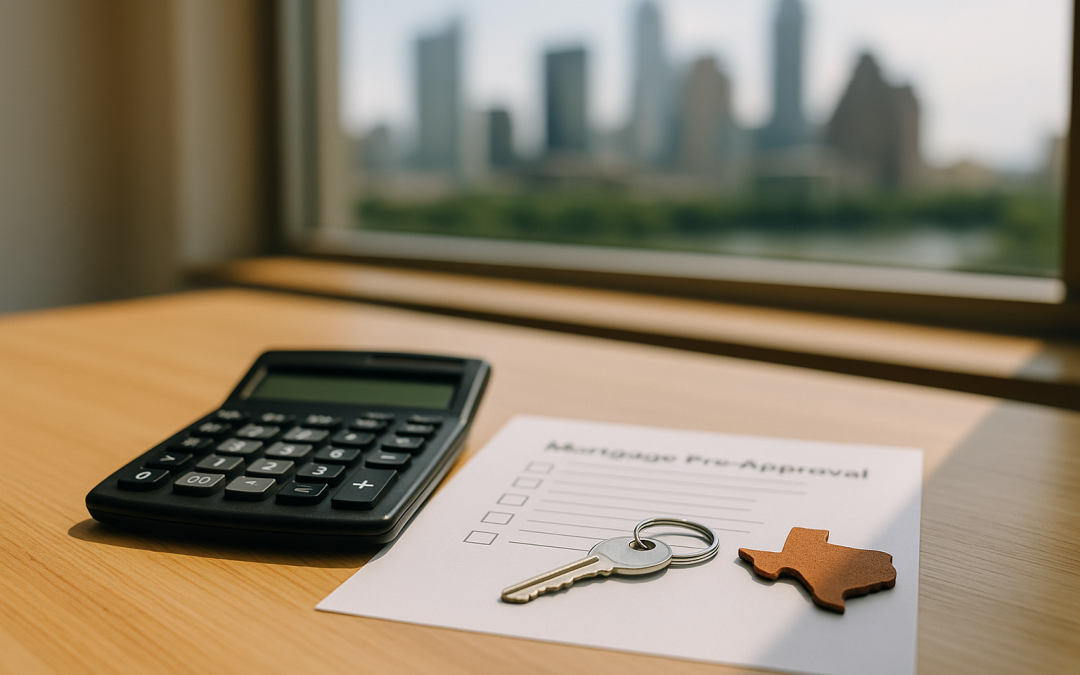
Step 1: Pre-approval (confidence vs. anxiety)
Pre-approval is more than a letter—it’s your clarity tool. It reduces uncertainty and helps you shop responsibly.
- Green flag: You understand your estimated monthly payment, including taxes and insurance.
- Red flag: You only know your maximum purchase price, not your comfort level.
Step 2: Touring homes (attachment happens fast)
Bring a simple scoring system: location, layout, condition, and “feel.” The “feel” matters, but it shouldn’t erase the first three.
- Green flag: You can explain why you like it in practical terms.
- Red flag: You’re willing to ignore major issues because the staging is great.
Step 3: Writing an offer (fear of losing vs. fear of overpaying)
This is where real estate decision making gets intense. Your goal is to make a strong offer that still protects you.
- Green flag: Offer strategy is based on comparable sales, condition, and timing.
- Red flag: You’re escalating price without understanding the appraisal risk.
Step 4: Inspection (reality check)
Inspections can trigger panic. Nearly every home has findings. The key is separating normal maintenance from deal-breaking issues.
- Green flag: You prioritize safety, structure, and major systems.
- Red flag: You try to negotiate every minor item and lose leverage on the big ones.
Step 5: Appraisal and underwriting (the “waiting” stress)
Waiting can be emotionally exhausting. This is where a calm timeline and clear communication matter.
- Green flag: You have a plan for appraisal outcomes and closing costs.
- Red flag: You make big financial changes mid-process (new car, job switch) without checking with your lender.
Step 6: Closing (joy mixed with second-guessing)
It’s normal to wonder, “Did I do the right thing?” right before closing. That doesn’t mean you chose wrong. It usually means you’re taking a big step seriously.
Choosing the Right Home: Practical Homebuyer Tips That Keep Emotions Helpful
- Write a “why” statement. One sentence about why you’re moving. When emotions run high, revisit it.
- Tour with intention. See fewer homes, more thoughtfully. Too many showings can create confusion and comparison fatigue.
- Sleep on it when you can. Not every market allows it, but when timing permits, one night of reflection can separate excitement from certainty.
- Use comps as your anchor. The price should make sense for the neighborhood and condition—even if you’re in love.
- Don’t ignore “quiet” red flags. Odors, moisture, poor drainage, recurring cracks, or a street that feels unsafe should override the pretty features.
And here’s a simple gut-check question: If the same home were staged differently, would I still want it?
First-Time Homebuyers: How to Manage the Emotional Whiplash
First-time homebuyers often feel the strongest emotional swings because everything is new—pre-approval terms, contracts, inspections, and negotiation. If that’s you, you’re not behind. You’re just learning a new process.
Common first-time emotional traps
- FOMO: Assuming you’ll never find another home like this one.
- Over-correction: Trying to be “perfectly logical” and ignoring what you truly need day-to-day.
- Decision fatigue: After many showings, everything blurs together and even good options feel “meh.”
What helps
- Clear priorities: Needs vs. wants, written down.
- Education: Understanding the home buying process step by step reduces fear.
- Team support: A lender and agent who explain, not pressure.
The Role of Real Estate Agent Guidance: Your Calm in a High-Stakes Decision
Because emotional home buying decisions are so common, strong real estate agent guidance isn’t about pushing you to buy. It’s about helping you buy well.
A skilled agent brings balance in a few key ways:
- Market context: What’s normal for the neighborhood, the season, and current demand.
- Pricing reality: Comparable sales and how condition affects value.
- Negotiation strategy: When to be firm, when to be flexible, and how to protect your interests.
- Process management: Keeping the home buying process moving so you don’t lose momentum—or lose sleep.
- Emotional steadiness: Helping you pause when you’re overwhelmed and act when it’s time.
At Texas Ally Real Estate Group, the approach is simple: empathy and expertise should travel together. You deserve real estate advice that respects the emotional side of finding your dream home while still protecting your financial future.
When Emotion Is a Green Flag (and When It’s a Warning)
Emotion is a green flag when:
- You feel grounded and clear, not frantic.
- The home fits your non-negotiables.
- The monthly payment stays within your comfort zone.
- The inspection results align with your expectations for the home’s age and condition.
- You can picture daily life there—not just the first party or holiday.
Emotion is a warning when:
- You’re ignoring major repair concerns because the home is “cute.”
- You’re stretching beyond your budget due to competition pressure.
- You feel rushed to decide without reviewing key documents (seller’s disclosure, HOA rules, survey, etc.).
- You’re relying on hope instead of facts (for example, “We’ll fix it later” without a realistic plan).
Final Thoughts: The Best Home Decisions Use Both Heart and Head
The psychology of homebuying matters because a home isn’t just a line item—it’s where life happens. Emotions are not mistakes; they’re information. The most confident buyers don’t eliminate feelings. They recognize how emotions affect home buying and pair that insight with smart financial boundaries, careful inspection choices, and clear priorities.
So if you find yourself torn between the numbers and the feeling, you’re not alone. A balanced approach—supported by steady real estate agent guidance—helps you choose the right home in a way you can feel good about long after closing.