Why downtown living in Texas looks different now
From Austin’s high-rise condo boom to Houston’s steady push for mixed-use districts, Texas downtown living has been reshaped by the pandemic—and the shifts didn’t stop when offices reopened. Buyers and renters changed what they value in a home, employers embraced remote and hybrid schedules, and cities accelerated plans to make central business districts feel more like true neighborhoods.
As we move deeper into Texas city living 2026, the story isn’t simply “back to normal” or “everyone moved to the suburbs.” Instead, the Texas urban housing market is balancing new work patterns, lifestyle priorities, and redevelopment that’s expanding what “downtown” means. Below is a grounded look at downtown real estate trends Texas buyers and sellers should understand: where demand has strengthened, what product types are performing, and what to watch in the next few years.
Big-picture shifts in the Texas urban housing market since 2020
Demand moved in waves—and it varied by city
Early-pandemic uncertainty created a short-term pause in many urban cores, especially for smaller condos and rentals tied closely to office commutes. Then, as Texas reopened and in-migration remained strong, demand returned—but with different priorities. In many neighborhoods, larger floor plans, outdoor space, and building amenities that support work-from-home became more important than being steps from an office tower.
This “wave effect” is central to understanding post-pandemic housing Texas trends. Some downtown submarkets rebounded quickly due to entertainment, walkability, and new construction. Others required a push—through events, public safety initiatives, and Texas urban redevelopment—to reintroduce downtown as a full-time lifestyle, not just a 9-to-5 district.
Urban living became less about commuting and more about convenience
Before 2020, the classic downtown value proposition was proximity to work. Today, remote work and city living Texas patterns have shifted that equation. Many households still want central access—but now it’s often about proximity to airports, medical centers, universities, major venues, and “third spaces” like coffee shops, parks, and fitness studios that support a flexible day.
That has changed what buyers will pay for and what they’ll compromise on. A shorter commute may matter less than sound insulation, reliable internet, a dedicated office nook, and building rules that support deliveries, package lockers, and co-working space.
Inventory and pricing dynamics: condos, townhomes, and rentals
The most visible urban product category is downtown condos Texas, but the larger downtown ecosystem includes townhomes near the core, mid-rise multifamily, and adaptive re-use lofts. After the pandemic, price performance has depended heavily on:
- Building type and HOA structure: Well-managed associations with strong reserves and clear rules tend to sell more smoothly.
- Unit layout: One-bedrooms can be sensitive to shifts in renter demand; two-bedrooms or flexible dens often draw steadier interest.
- Amenities that match new lifestyles: Co-working lounges, strong security, EV charging, and outdoor space can improve marketability.
At the same time, higher interest rates in recent years have affected affordability more noticeably in condo markets where monthly HOA dues add to payment calculations. This is an important part of the downtown real estate trends Texas conversation: buyers often compare downtown condos to suburban single-family homes and may be surprised by the all-in monthly cost difference.
How remote and hybrid work reshaped downtown demand
Hybrid schedules changed the “office proximity premium”
In many Texas metros, hybrid work has become a durable middle ground. That matters because it redefines what “close to work” means. If someone goes into the office two days a week, living 5–10 miles farther out might not feel like a deal-breaker. But it also means downtown living can remain attractive if it offers a better day-to-day lifestyle—walkability, dining, arts, and community events—without requiring a daily commute.
This is why remote work and city living Texas trends have created both challenges and opportunities for downtown. Some residents choose a larger home outside the core; others double down on downtown for its convenience and social energy, especially as cultural calendars and sports schedules remain strong across major cities.
What buyers now ask for in downtown condos and apartments
Across the Texas urban housing market, post-2020 downtown buyers and renters commonly prioritize:
- Functional space: A true second bedroom, den, or flexible area for a desk setup.
- Quiet and comfort: Better windows, sound control, and HVAC performance.
- Reliable connectivity: Strong building infrastructure for internet and mobile service.
- Security and access control: Staffed lobbies, secure parking, and package management.
- Outdoor living: Balconies, rooftop decks, nearby trails, or parks.
These preferences show up in how quickly listings move and which floor plans hold value. In practice, the “best” downtown unit in 2026 isn’t always the smallest unit closest to the office—it’s often the most livable unit for a flexible schedule.
Urban vs suburban living Texas: the new comparison
Why the decision is more nuanced than it used to be
Texas buyers frequently weigh urban vs suburban living Texas options based on schools, space, commute, and lifestyle. The pandemic added new decision factors: work-from-home comfort, access to outdoor recreation, and whether a neighborhood can deliver daily needs without long drives.
Suburbs gained momentum when people needed space and home offices, but downtown didn’t disappear. Instead, many households began treating housing as a “life platform”—a place that needs to work for weekdays, weekends, and everything in between.
Quick pros and cons: downtown living after the pandemic
- Pros: Walkability, shorter trips to entertainment and events, potential for lower maintenance living, strong rental demand in certain districts, and access to new mixed-use projects.
- Cons: HOA dues and building rules, smaller square footage for the price, parking costs, and greater sensitivity to office occupancy and public safety perceptions.
For many, the deciding factor is predictability: downtown can be a great fit when you understand building finances, neighborhood plans, and your likely schedule for the next few years.
Texas urban redevelopment: how downtowns are being reimagined
From business districts to mixed-use neighborhoods
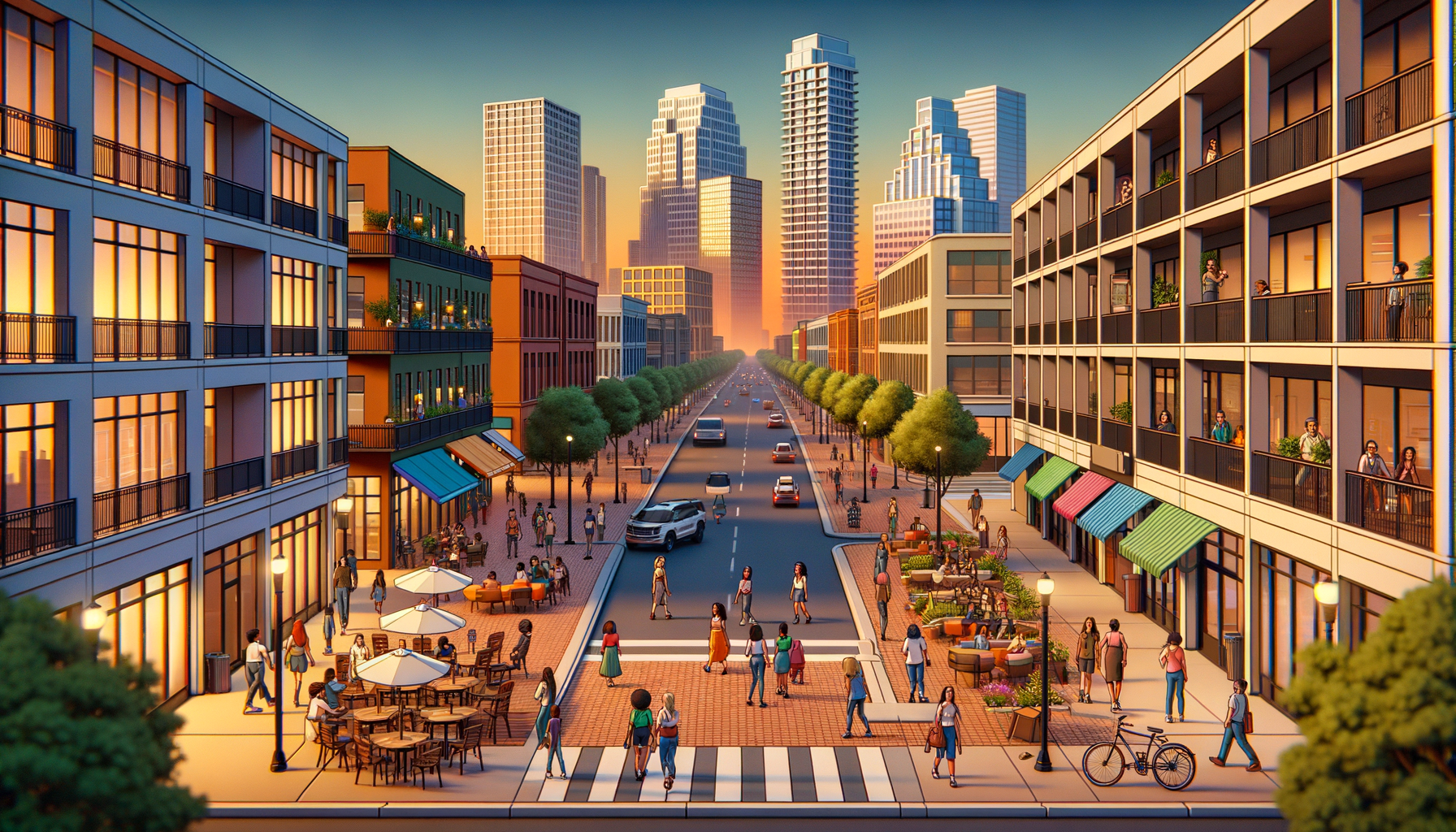
One of the most important downtown real estate trends Texas-wide is the continued shift toward mixed-use redevelopment—more residential units, more street-level retail, more public spaces, and more reasons to be downtown outside office hours. Cities and private developers have leaned into “placemaking,” recognizing that lively streets and community programming support housing demand.
Texas urban redevelopment often includes:
- Adaptive reuse: Converting older office buildings to residential or hotel uses where feasible.
- Public realm upgrades: Better lighting, sidewalks, bike lanes, and landscaping.
- Transit and mobility improvements: Enhanced rail, bus, and micro-mobility connections.
- Stadium and venue districts: Expanding restaurants, hotels, and housing around event hubs.
Seasonal patterns: why spring and early fall still matter
Even with year-round relocation to Texas, seasonality remains part of the Texas real estate rhythm. Downtown condos Texas listings often see strong activity in spring and early summer, with another lift in early fall, reflecting job changes, school calendars (even for condo buyers with future plans), and more comfortable weather for touring walkable neighborhoods. Sellers often time listings to align with these windows, especially when competition is high.
Austin downtown real estate: lifestyle demand meets supply growth
What changed after the pandemic
Austin downtown real estate has long been driven by tech employment, cultural energy, and a strong preference for “live-work-play” districts. Post-2020, the demand story has become more segmented. Some buyers who once needed to be near offices now come downtown for restaurants, trail access, and an active social scene. Others look just outside the core for more space while staying close to downtown amenities.
Newer buildings and amenity-rich communities tend to attract buyers seeking a turnkey lifestyle, while resale condos compete on view corridors, floor plan flexibility, and HOA health. As interest rates have moved, many buyers have become more payment-focused, comparing a downtown condo’s all-in monthly costs against nearby neighborhoods with townhomes or small-lot single-family options.
What to watch in Austin through Texas city living 2026
- Hybrid work stability: If employers maintain flexible schedules, lifestyle value remains a strong downtown driver.
- Inventory mix: More units can mean more choice, but also more competition among sellers.
- Neighborhood expansion: Areas adjacent to downtown can benefit from spillover demand as buyers seek value without giving up proximity.
In Austin, the downtown conversation often centers on “livability per square foot”—how well a unit supports daily life, not just how close it is to an office address.
Dallas downtown housing market: momentum tied to districts and connectivity
Downtown and Uptown dynamics
The Dallas downtown housing market is influenced by how different districts function—Downtown, Uptown, Victory Park, the Arts District, and adjacent neighborhoods each have a distinct feel. Post-pandemic, buyers have paid closer attention to walkability, park access, and how easy it is to connect to job centers beyond downtown.
Dallas has also benefited from continued corporate expansion across the metro, even as office attendance varies. That helps maintain a baseline of demand for urban living, especially for residents who want a central launch point for travel across the region.
Key real estate takeaways for Dallas buyers and sellers
- Buyers: Review HOA budgets and reserve studies carefully; compare parking arrangements; ask about short-term rental rules if that matters to you.
- Sellers: Units that show “work-ready” space and updated finishes tend to stand out; be prepared to price competitively if similar inventory is active.
Dallas buyers often decide between a downtown condo and a townhome slightly outside the core. In that comparison, clear building financials and a well-run association can be a major advantage for condos.
Houston downtown living trends: mixed-use growth and neighborhood choice
Downtown as one option among several urban hubs
Houston downtown living trends are shaped by the city’s multi-nodal layout. Downtown competes with (and complements) areas like Midtown, EaDo, Montrose, and the Medical Center corridor. Post-pandemic, many residents have prioritized neighborhoods that offer both nightlife and day-to-day practicality—grocery access, gyms, green space, and reasonable commute options to multiple job centers.
Houston’s market also underscores a key point about the Texas urban housing market: “downtown” demand is often as much about the surrounding ring of urban neighborhoods as it is about the traditional central business district.
What’s driving Houston’s post-pandemic downtown appeal
- Event-driven energy: Sports, conventions, and cultural venues support restaurants and nightlife.
- Residential growth: More residents help stabilize retail and create a neighborhood feel.
- Redevelopment efforts: Public and private investment continues to improve the street experience.
For buyers considering downtown condos Texas in Houston, it’s wise to evaluate not only the building, but also block-by-block walkability and the long-term development pipeline nearby.
San Antonio urban housing: steady demand and a unique downtown character
Why San Antonio’s downtown feels different
San Antonio urban housing is shaped by history, tourism, and a strong sense of place. Downtown living there often appeals to buyers who value culture, architecture, and proximity to events, museums, and the River Walk area. Post-pandemic, lifestyle-driven demand has remained meaningful, particularly among buyers seeking a more walkable routine without giving up affordability compared to some other major Texas metros.
Downtown opportunities and considerations in San Antonio
- Opportunity: Buyers can find character-rich properties and emerging pockets where redevelopment is bringing new retail and residential options.
- Consideration: As with any downtown market, be mindful of parking, noise, and how building rules align with your plans.
San Antonio’s downtown also illustrates an important post-pandemic housing Texas theme: many people are choosing downtown not as a status symbol, but as a lifestyle choice rooted in community, culture, and convenience.
What “Texas real estate trends 2026” suggest for downtown living
Scenario-based outlook: stability with pockets of opportunity
Looking at Texas real estate trends 2026, downtown markets are likely to remain active, but more selective. Rather than a broad surge across every building and neighborhood, demand may concentrate in well-located, well-managed properties and in districts where redevelopment has improved the day-to-day experience.
Three scenarios to keep in mind (not guarantees):
- Steady hybrid work: Downtown demand stays resilient for buyers who prioritize lifestyle and central access, with stable pricing in prime buildings.
- Higher office attendance: A stronger weekday population could lift street retail and support condo absorption, especially in traditional CBD areas.
- Affordability pressure: If rates stay elevated, buyers may negotiate more aggressively, and sellers may compete on price, concessions, or HOA strength.
Redevelopment as a long-term tailwind
Across major metros, Texas urban redevelopment is a meaningful tailwind for downtown housing because it improves what residents experience daily: safer-feeling streets, better public spaces, more grocery and service options, and more housing choices. As districts become more “complete,” they’re less dependent on office occupancy alone.
Practical guidance: buying or selling downtown in today’s Texas market
For buyers: a step-by-step approach to downtown condos
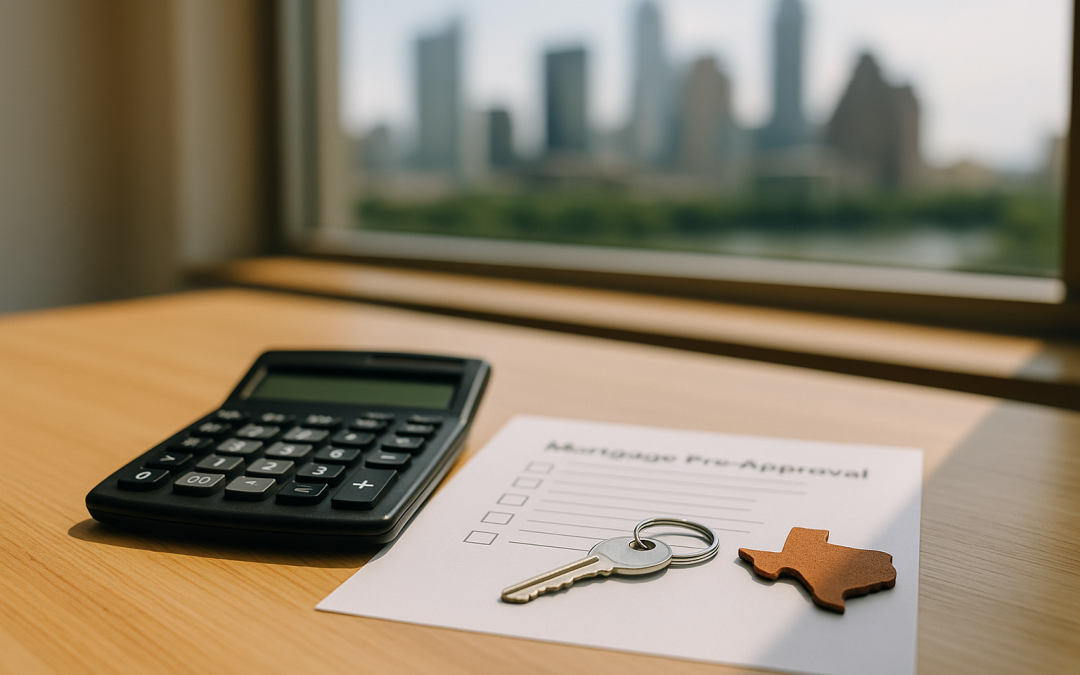
Step 1: Get pre-approved with condo-specific underwriting in mind. Some buildings have lending restrictions based on owner-occupancy rates, insurance, or pending litigation. Ask your lender early whether the building is warrantable and what that means for your loan options.
Step 2: Compare the true monthly cost. Include principal and interest, property taxes, homeowners insurance, HOA dues, and any parking or amenity fees. This is essential when weighing urban vs suburban living Texas choices.
Step 3: Review HOA documents carefully. Focus on the budget, reserves, recent special assessments, and rules on leasing, pets, and renovations. A “cheap” HOA can be a red flag if reserves are thin.
Step 4: Tour the neighborhood at multiple times. Visit on a weekday evening and a weekend morning. Listen for noise, check lighting and pedestrian activity, and evaluate how it feels walking from parking to the building.
Step 5: Inspect what you can—and ask smart questions. Condo inspections typically cover the unit interior, but you should also ask about roof, elevators, plumbing history, and recent major repairs. If the building has known issues, factor that into negotiations.
For sellers: how to stand out in a more selective market
Price with competition in mind. Downtown buyers are often comparing multiple similar units; if you’re priced above the most compelling alternatives, you may sit longer and end up chasing the market.
Highlight work-from-home functionality. Staging a desk area, emphasizing sound control, and listing connectivity features can help align your home with post-pandemic preferences.
Be ready to show building strength. Buyers and their lenders care about HOA reserves, management quality, and building maintenance. Having key documents organized can reduce friction and keep deals on track.
Common red flags and green flags in downtown transactions
- Red flags: Pending or frequent special assessments, unclear HOA financials, high investor concentration, building litigation, recurring water intrusion issues, and restrictive parking arrangements.
- Green flags: Transparent financials, healthy reserves, proactive maintenance, clear leasing rules, strong security and access control, and a neighborhood with visible reinvestment and active street-level uses.
Bottom line: downtown living is evolving, not fading
Texas downtown living after the pandemic has become more lifestyle-driven and more sensitive to building quality, neighborhood completeness, and affordability. Remote and hybrid work didn’t eliminate the appeal of city centers—it changed what residents need from them. As Texas city living 2026 takes shape, the strongest downtown submarkets are those pairing housing with everyday convenience, public-space improvements, and thoughtful redevelopment.
For buyers and sellers, the opportunity is still there—but success depends on being informed: know the building, know the block, and understand how post-pandemic priorities are shaping downtown condos Texas and the broader Texas urban housing market.