Why This Matters to Texans Watching Housing Costs Rise
In Texas, buyers have spent the past few years navigating higher mortgage rates, elevated insurance premiums, and—especially in fast-growing metros—prices that still feel “sticky” even when the market cools. So it’s no surprise that headlines about $1 homes in Italy catch attention, particularly among would-be retirees, remote workers, and families ready to escape American lifestyle stressors and try something new.
But here’s the key: a Buy a home in Italy for $1 program is not a “free house.” It’s an incentive used by Italian villages selling homes to revive shrinking communities. If you’re considering an international move—whether to Move to Italy from the US permanently or spend part of the year abroad—this guide breaks down how it really works, what it costs, and the smartest way to approach it.
The $1 Home Trend: What’s Really Being Sold?
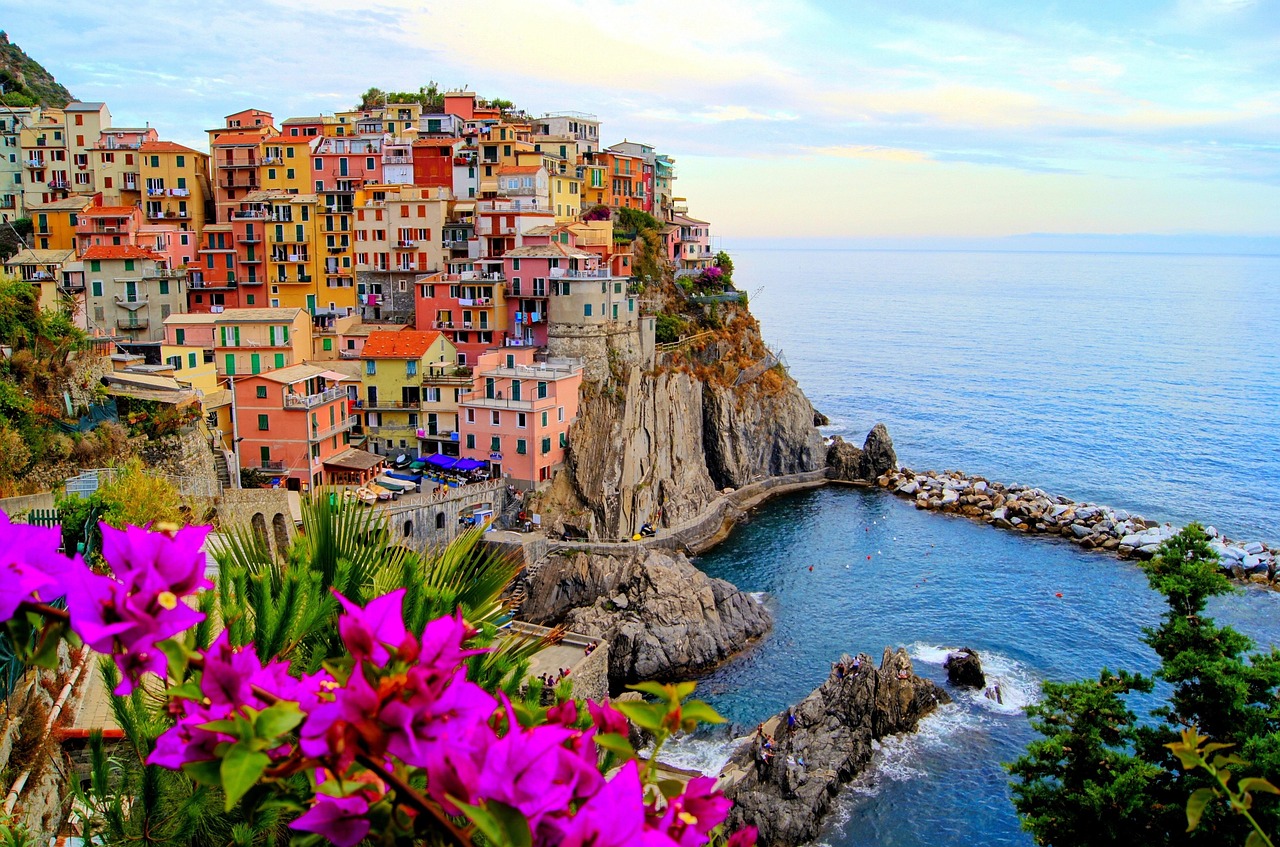
Across rural parts of Italy, municipalities have offered symbolic-price properties—often old, vacant homes that need significant renovation. These programs are designed to attract new residents, boost local trades, and preserve historic housing stock. That’s why “Cheap homes in Italy” and “Affordable real estate in rural Italy” often go hand-in-hand with strict rules.
While a village on Sardinia has been highlighted in recent coverage, similar programs have appeared across the country over the years. The common thread is that buyers take on a renovation obligation within a set timeline. For Americans, it’s an appealing story—Escape the US by buying a home in Italy and live the Italian dream—but the details determine whether it’s a great opportunity or an expensive detour.
What You Typically Get for $1
- A distressed property in a small town, often vacant for years
- Structural or systems issues (roof, plumbing, electrical, moisture) that require professional work
- Local oversight from the municipality, including deadlines and permit requirements
- A chance at Italian countryside living—but usually not a turnkey home
Why Americans Are Moving to Italy (And What Texans Should Consider)
The reasons behind Why Americans are moving to Italy are practical as much as romantic: a slower pace, walkable towns, food culture, historic architecture, and the possibility of relocating to Italy on a budget compared with high-cost U.S. areas. Many US expats in Italy also say they value community-centered living and the idea of start over in Italy with fewer day-to-day pressures.
From a Texas lens, it’s worth comparing what you’re leaving and what you’re gaining. Texas offers space, newer construction, and (in many counties) relatively lower taxes than coastal states—but costs like insurance and HOA dues can add up. Italy can feel more affordable in some daily expenses, but renovations, bureaucracy, and energy-efficiency requirements can surprise first-time international buyers.
Green Flags vs. Red Flags for Would-Be Buyers
- Green flag: You have a realistic renovation budget and a local professional team lined up.
- Green flag: You can spend time in Italy during planning, permitting, and construction.
- Red flag: You’re counting on a $1 home to be “move-in ready.”
- Red flag: You assume U.S.-style timelines—Italian permitting and contractor schedules can move slower.
How to Buy a $1 Home in Italy as an American (Step by Step)
If you’re serious about How to buy a $1 home in Italy as an American, treat it like any major real estate purchase—just with additional international layers. Here’s a clear process that mirrors the discipline Texas buyers already use for big transactions.
Step 1: Confirm the Program Rules (They Vary by Town)
Each municipality sets its own terms. Many require buyers to submit a renovation plan, start work by a deadline, and complete the project within a fixed window. Some require a refundable deposit or bond to ensure follow-through. Before you commit to Italy real estate for Americans, verify the fine print in writing.
Step 2: Budget Beyond the $1 Price Tag
Think of “$1” as the entry ticket—not the total cost. Your real budget should account for design, permitting, labor, materials, utilities setup, and professional fees. For Texans used to budgeting for inspections, appraisal gaps, and closing costs, apply the same mindset here—only broader.
Step 3: Visit and Inspect Like a Pro
Even if the town doesn’t require a full inspection, you should. Bring a qualified local technician or engineer to evaluate structure, roof, moisture issues, and seismic considerations in older masonry homes. This is your equivalent of a Texas option period—your chance to avoid buying a problem you can’t solve affordably.
Step 4: Line Up Your Team
Successful buyers typically have:
- A local real estate professional (or municipal contact) to coordinate access and paperwork
- A notary (common in Italian transactions)
- A geometra/architect or engineer for plans and permits
- Reliable contractors familiar with historic renovations
Step 5: Understand Residency, Visas, and Remote Work Realities
Buying property does not automatically grant residency. If your plan is move to Italy from the US full-time, talk to an immigration professional about legal pathways. If you plan on remote work from Italy, confirm your employer policies, tax implications, and time zone expectations. Many buyers start with a long-term stay strategy before making a permanent move.
What “Cheap Homes in Italy” Usually Cost After Renovation
Most $1 homes require meaningful investment. While totals vary widely by region, home condition, and finish level, the renovation budget often becomes the true purchase price. In Texas terms, think “major rehab” rather than “cosmetic fixer.” Your cost can rise quickly if you need:
- Roof replacement and structural stabilization
- Full electrical and plumbing updates
- Moisture remediation and insulation upgrades
- New windows/doors that meet local standards
- Interior rebuilds (floors, stairs, kitchens, baths)
This is why many buyers broaden their search beyond $1 programs to other cheap homes in Italy that might cost more upfront but require less work overall.
Are These the Best Italian Villages Offering $1 Homes?
“Best” depends on your goals: access to airports, healthcare, fiber internet for work, year-round livability, and whether you want a true small-town experience. Some buyers want deep rural charm and slow living in Italy; others want a village setting within reach of a larger city.
When evaluating the best Italian villages offering $1 homes, focus on practical livability:
- Distance to a regional airport and major rail routes
- Internet speed and reliability (critical for remote work)
- Local contractor availability and renovation backlogs
- Year-round services (grocery, pharmacy, clinics)
A Texas-Friendly Reality Check: Financing, Timing, and Risk
Texas buyers are used to conventional mortgages, predictable closing timelines, and standardized disclosure norms. Italy can feel different. You may not be using a U.S.-style mortgage for a $1 property, and renovation financing can be more complex. Plan for longer timelines and more hands-on oversight than a typical Texas purchase.
Common Mistakes Americans Make
- Underestimating renovation costs and time
- Not budgeting for professional fees and permitting
- Assuming they can manage construction remotely without local help
- Skipping thorough due diligence on property condition and legal status
What About Patrica, Italy? A Related Option in Lazio
Even when the headline focuses on Sardinia, many Americans also research central Italy for its balance of scenery and accessibility. Interest has grown in places like Patrica Italy homes, where buyers look for value without being too far from larger hubs. If you’re comparing regions, Lazio region real estate can appeal to buyers who want countryside life with the option of reaching Rome for travel, services, and cultural amenities.
If your search includes Homes for sale in Patrica Italy, you may find opportunities that aren’t $1 but still qualify as affordable real estate in rural Italy. Sometimes, paying more upfront for a better-condition home can reduce renovation risk and get you living there sooner.
$1 Program vs. Low-Cost Traditional Listing: Pros and Cons
- $1 home pros: Symbolic purchase price, municipal support, community revitalization energy.
- $1 home cons: Heavy renovation requirements, strict deadlines, higher uncertainty.
- Low-cost listing pros: Often fewer structural surprises, faster move-in potential, clearer budgeting.
- Low-cost listing cons: Higher purchase price, less “program” assistance.
Can You Really “Start Over in Italy” and Make It Work?
For many, the appeal isn’t just price—it’s lifestyle. The idea to escape the US by buying a home in Italy, embrace Italian countryside living, and live the Italian dream is powerful. And yes, it can be done—especially for buyers who approach it with patience, cash reserves, and a realistic plan.
If your goal is to escape American lifestyle pressures and redesign your day-to-day life, the best path is usually a phased approach: rent first, test the town in multiple seasons, and confirm you can access healthcare, groceries, and reliable internet. Then buy—whether that’s a $1 project or another form of cheap homes in Italy that fits your timeline and budget.
Practical Tips for Texans Considering the Leap
- Plan a scouting trip: Visit at least once in the off-season to understand weather, services, and vibe.
- Price the renovation before you buy: Get local contractor input and a written scope of work.
- Build a buffer: Renovations in older homes often uncover surprises—budget accordingly.
- Think long-term: If you may rent it out, confirm local rules and realistic demand.
- Match the town to your life: If you need remote work from Italy, prioritize connectivity over postcard views.
The Bottom Line
The surge of interest in Italy real estate for Americans reflects a real shift: more people are questioning where and how they want to live. For Texans in particular—used to big horizons and big decisions—an Italian $1 home can be a meaningful project and a doorway to slow living in Italy, but only if you treat it like a serious investment, not a gimmick.
If you’re drawn to the idea to buy a home in Italy for $1, start with due diligence, build a strong local team, and budget for the renovation that turns a symbolic purchase into a real home. Done right, it can be a smart way of relocating to Italy on a budget—and, for some, a true chance to start over in Italy.