There’s a special kind of excitement that comes with imagining your own front door key—plus a little pressure that can sneak in right behind it. For many Texans, buying a first home feels like a major milestone: a sign you’re building stability, putting down roots, and investing in your future. But if you’re also asking, “am I ready to buy a house?” you’re not alone.
The truth is, readiness isn’t just about wanting a home. It’s a mix of financial preparation, lifestyle fit, market awareness, and emotional confidence. This guide is designed as a practical, reassuring first-time homebuyer checklist—with Texas-specific context—to help you decide whether now is the right time for buying your first home Texas.
Start With a Simple Self-Check
Before diving into the details, here’s the big picture: you’re typically ready when you can afford the full monthly cost comfortably, plan to stay put long enough to benefit from ownership, understand local market conditions, and feel prepared to handle the responsibilities that come with maintaining a property.
Below, we’ll break that down into clear indicators—plus common red flags and green flags that show up for first-time buyers across Texas.
Financial Readiness: Can Your Budget Support Homeownership?
Financial readiness for homeownership is more than having a down payment. Lenders look at your income, debts, credit, and cash reserves. And you should look at the full monthly ownership cost—not just the mortgage payment.
1) Steady Income and Predictable Cash Flow
Most buyers are in a strong position when they can document stable income and comfortably handle recurring expenses. In Texas, many households also juggle variable costs like summer electric bills, commuting expenses in metro areas, and rising insurance premiums—so “stable” means your budget still works even when life gets a little expensive.
- Green flag: Your income is consistent, and you can pay bills, save, and still have breathing room.
- Red flag: You’re relying on overtime, bonuses, or irregular gig income to cover basic monthly needs (unless you have a strong, documented history and savings buffer).
2) Down Payment Savings (and Knowing Your Options)
Down payments vary widely. Some buyers aim for 20% to reduce their monthly payment and potentially avoid mortgage insurance. Others choose smaller down payments to get into a home sooner. For mortgage preparation Texas, it’s important to understand what fits your finances and the types of loans you may qualify for.
- Common paths: Conventional loans (often as low as 3% down for qualified buyers), FHA loans (often 3.5% down), VA loans (for eligible veterans and service members, often 0% down), and USDA loans (for eligible rural areas).
- Texas-specific tip: Ask your lender about state and local down payment assistance programs. Availability and eligibility can vary by county and city, and funds can be limited.
Also, remember that your “cash to close” is usually more than the down payment. Closing costs, prepaid items (like homeowners insurance), and escrow setup can add up.
3) Manageable Debt and a Comfortable Monthly Payment
Lenders often use your debt-to-income ratio (DTI) to evaluate how much of your monthly income goes toward debt payments. While guidelines vary by loan type, your personal comfort level matters just as much. A payment that looks “approved” on paper can still feel tight in real life.
When estimating your monthly payment in Texas, include:
- Principal and interest (the mortgage)
- Property taxes (often a major line item in Texas)
- Homeowners insurance
- Mortgage insurance (if applicable)
- HOA dues (if applicable)
- Utilities and maintenance
- Green flag: You can afford the payment and still save monthly.
- Red flag: Buying would drain your budget so completely that one surprise expense would push you into credit card debt.
4) Credit Score Considerations and What They Affect
Your credit score influences your mortgage interest rate and, in many cases, your overall loan options. Even a small rate change can significantly affect your monthly payment and total interest over time.
If your score isn’t where you want it to be, that doesn’t automatically mean “not yet.” It may simply mean you need a short runway for credit cleanup—like reducing credit card balances, correcting report errors, or avoiding new debt before applying.
- Green flag: You know your current score and what’s driving it (balances, payment history, utilization).
- Red flag: You haven’t checked your credit and are hoping it “works out” once you apply.
5) Your Emergency Fund (The Overlooked Readiness Marker)
Many first-time buyers focus on saving enough to close and forget the day-after costs. A strong emergency fund can be the difference between enjoying homeownership and feeling stressed by it—especially in Texas, where weather events and insurance deductibles can be real factors.
- Practical goal: Keep a reserve for unexpected repairs and a few months of essential expenses, if possible.
- Homeowner reality: Even “move-in ready” homes can surprise you—water heaters, HVAC service, roof repairs, and plumbing fixes don’t always wait.
Lifestyle Stability: Does Homeownership Fit Your Next Few Years?
Financial readiness is essential, but lifestyle readiness is what makes the purchase feel like the right move instead of a burden. Homeownership tends to work best when your personal and professional plans line up with staying in place.
1) Are You Ready to Stay Put for a Few Years?
Buying and selling has transaction costs—closing costs, moving expenses, potential repairs, and agent commissions when you sell. If you might relocate soon, renting can sometimes be the more flexible (and financially safer) option.
- Green flag: You expect to live in the area for several years and like the neighborhood long-term.
- Red flag: You’re unsure about your city, job location, or relationship situation in the near future.
2) Job Stability and Income Outlook
Texas is known for job growth in many regions, but local economies can still be industry-driven. Tech and corporate expansions can influence metros like Austin and Dallas-Fort Worth, energy can play a bigger role in Houston, and military or government employment can shape markets around San Antonio and other hubs.
You don’t need a “perfect” job to buy—but you do want reasonable confidence in your income over the next couple of years.
3) Your Long-Term Goals: What Is the Home For?
Clarify what you want the home to do for you. Is it:
- A stable place to build a life and community?
- A stepping stone to a future “forever home”?
- A way to gain more space for family, pets, or remote work?
When your goal is clear, it becomes easier to pick the right location, home type, and budget—and to avoid buying something that looks great online but doesn’t fit your life.
Market Awareness: Do You Understand the Texas Market You’re Buying Into?
Being ready also means knowing what’s happening around you. The Texas housing market isn’t one single market—it’s a patchwork of regional conditions, neighborhood-level inventory, and seasonal patterns. Having a basic understanding helps you set realistic expectations and negotiate with confidence.
1) Know Your Local Conditions (Not Just Statewide Headlines)
Texas markets can shift quickly, and conditions can differ even within the same metro area. One suburb may be very competitive while a nearby neighborhood offers more choices and seller concessions.
Use these Texas housing market tips as a starting point:
- Inventory: More homes for sale generally means buyers have more negotiating power.
- Days on market: Fast-moving listings can signal strong demand (or a well-priced home).
- Price reductions: An increase in reductions often indicates the market is cooling or sellers are overpricing.
- New construction: In many Texas areas, builder incentives can affect resale competition and pricing.
2) Mortgage Rates: What They Mean for Your Monthly Payment
Mortgage rates change over time and directly impact affordability. Even if home prices hold steady, a higher interest rate can raise your monthly payment. This is why mortgage preparation Texas often starts with understanding your payment range, not just your purchase price.
Practical steps:
- Ask a lender to run payment scenarios at different rates.
- Compare options for points (paying upfront to lower the rate) versus keeping more cash on hand.
- Keep your financial profile steady during the shopping period (avoid new credit accounts and big purchases).
3) Homeownership Costs Beyond the Purchase Price (Texas Edition)
One of the biggest first-time surprises is how many costs exist after the sale price is negotiated. In Texas, pay special attention to:
- Property taxes: Texas doesn’t have a state income tax, and property taxes can be a meaningful part of your monthly payment. Make sure you understand the estimated tax bill and whether exemptions may apply (like homestead).
- Insurance: Homeowners insurance costs can vary widely based on location, rebuild cost, roof age, and weather risk.
- HOA dues: Common in many master-planned communities; review rules and budgets carefully.
- Utilities: Hot summers can drive up electricity bills. Ask sellers for utility averages when possible.
- Maintenance and repairs: Plan for routine upkeep like HVAC servicing, pest control, and landscaping.
If you can comfortably afford the full “all-in” monthly cost, not just the mortgage portion, you’re much closer to being able to buy confidently.
Emotional Readiness: Are You Ready for the Responsibilities and the Long Game?
Homeownership is part financial decision and part lifestyle decision. It can be deeply rewarding—but it also comes with responsibility, unpredictability, and a learning curve.
1) Willingness to Handle Maintenance (or Budget for It)
Renting often means calling the landlord. Owning often means calling a plumber—or learning where the water shutoff valve is. Emotional readiness doesn’t mean you have to be handy. It means you’re prepared to take ownership of the solution.
- Green flag: You’re okay scheduling repairs, researching contractors, and setting aside money for upkeep.
- Red flag: The idea of ongoing maintenance creates stress that would outweigh the benefits of owning.
2) Comfort With Imperfection
Most first homes involve trade-offs—location versus size, move-in ready versus renovation potential, yard versus commute. A common mistake is waiting for the “perfect” home and missing great opportunities that meet your real needs.
A useful mindset: prioritize your non-negotiables (safety, commute, bedroom count, school considerations) and be flexible on finishes that can be changed over time.
3) Viewing Homeownership as a Long-Term Investment (Not a Quick Win)
Home values can rise, plateau, or even dip in the short term. In Texas, market conditions can also be influenced by new construction supply, job growth, and interest rates. Instead of expecting immediate equity, many successful buyers think in terms of stability and long-term wealth-building over several years.
This is where good real estate advice for first-time buyers matters: choose a home that fits your life and budget first, and consider appreciation as a possible benefit—not the only reason to buy.
A Practical First-Time Homebuyer Checklist (Texas-Focused)
If you’re looking for a quick way to organize your decision, use this first-time homebuyer checklist as your readiness scorecard:
- I can document steady income and I’m comfortable with a monthly payment range.
- I have savings for down payment, closing costs, and a cushion for after move-in.
- My debt is manageable, and I’m not relying on credit cards to cover basics.
- I know my credit score and have a plan to improve it if needed.
- I plan to stay in my area for the next few years.
- I’ve considered job stability and how a move would impact my plans.
- I understand Texas-specific costs like property taxes and insurance.
- I’m mentally prepared for maintenance and unexpected repairs.
- I’ve started learning my local market conditions (inventory, pricing, days on market).
- I’m ready to get pre-approved and shop with a clear budget.
Next Steps: Turn “Am I Ready?” Into a Clear Plan
If you’ve been asking “am I ready to buy a house?” the most empowering move is to replace uncertainty with a step-by-step plan. Here’s a simple path many Texas buyers follow:
Step 1: Get a Mortgage Pre-Approval (Not Just a Pre-Qualification)
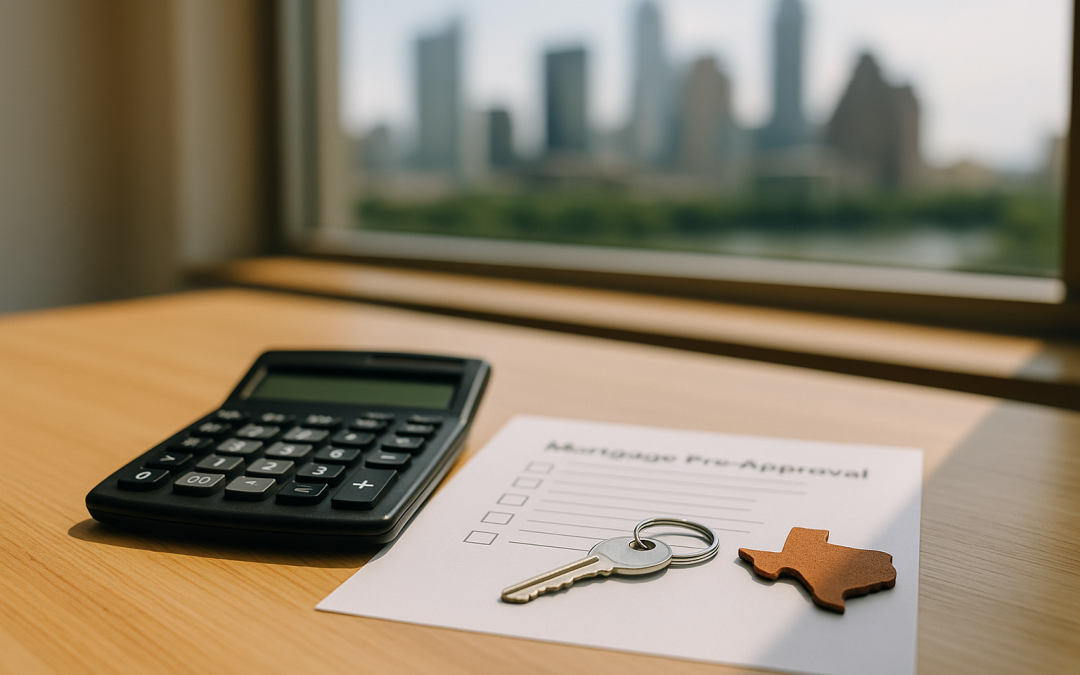
A pre-approval is a deeper review of your finances and typically carries more weight with sellers than a quick estimate. It’s a cornerstone of solid mortgage preparation Texas because it clarifies your realistic price range and monthly payment.
Step 2: Build Your Home-Buying Budget With Texas Costs Included
Ask for a payment breakdown that includes taxes, insurance, and HOA dues when applicable. This helps you avoid the common mistake of shopping based only on the home price.
Step 3: Tour Homes and Track the Market
As you view homes, you’ll learn what your budget actually buys in your preferred neighborhoods. This is where practical Texas housing market tips become real: you’ll notice which listings go fast, which sit, and where price reductions are common.
Step 4: Make an Offer With Smart Protections
In Texas, buyers often use option periods, inspections, and negotiated repairs or concessions to manage risk. Your agent can help you structure an offer that’s competitive while still protecting you.
Step 5: Prepare for Closing and Move-In
Closing involves final loan approval, appraisal, insurance, and signing. Planning ahead for utilities, moving, and initial maintenance makes the transition smoother.
Final Thought: You Don’t Have to Decide Alone
Buying your first home is a big step—and it’s normal to feel both excited and cautious. If you’re considering buying your first home Texas, a trusted local real estate agent can help you evaluate your budget, understand your neighborhood market, and map out a realistic timeline based on your goals.
When you’re ready, reach out for personalized guidance and a clear set of next steps. The best home-buying experiences usually start with good information, a solid plan, and the right support.