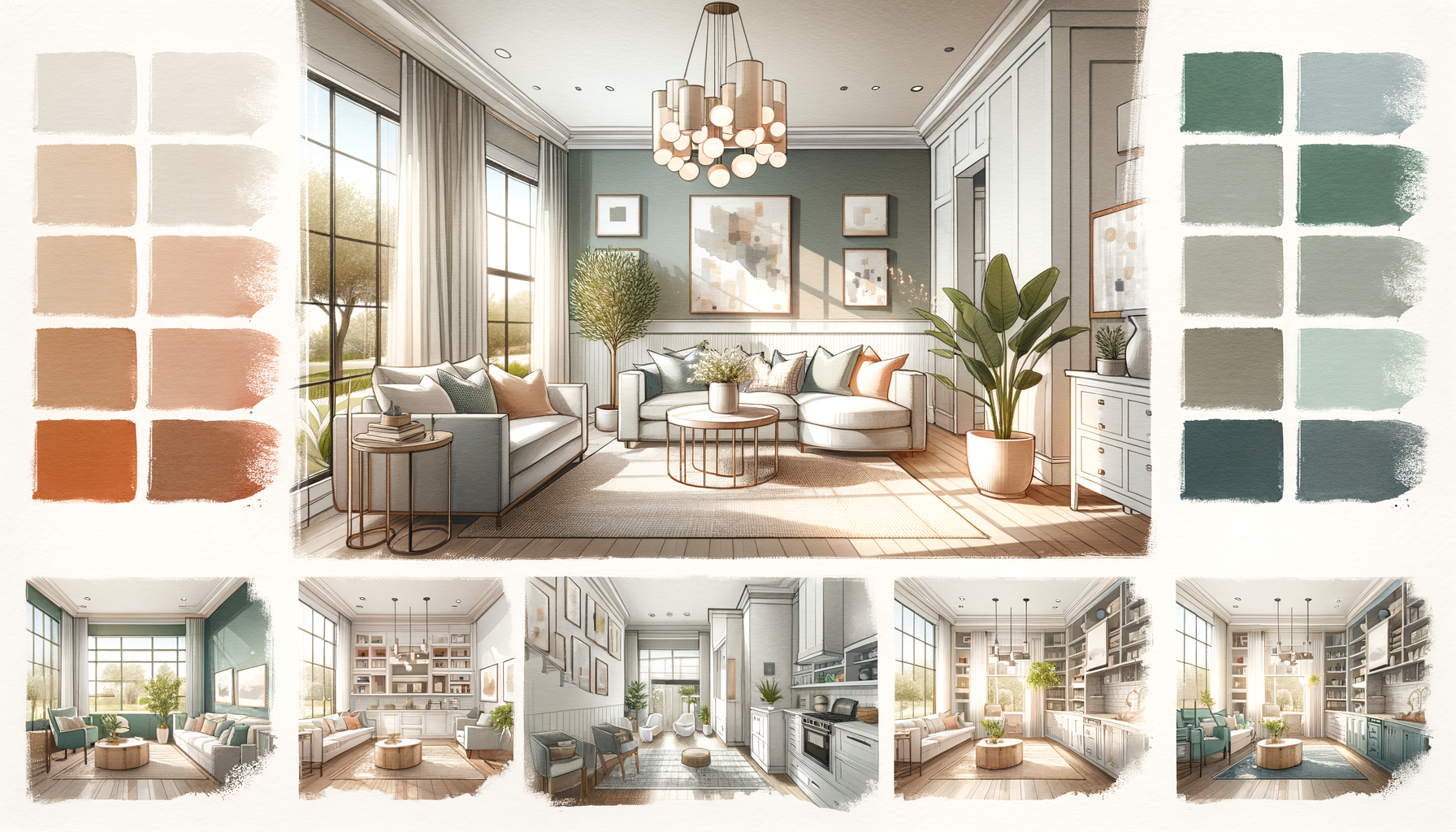
Paint is one of the fastest, most budget-friendly ways to change how a home feels—without remodeling. In Texas, where sunlight can be intense, open-concept layouts are common, and resale value matters, choosing the right interior paint colors for homes is both a design decision and a practical one. The colors you choose can make rooms feel calmer, brighter, bigger, or more inviting—and they can help a property show better when it’s time to sell.
This guide breaks down the best paint colors for every room, with simple tips you can use whether you’re refreshing a longtime home or picking paint colors for new home buyers moving into a Texas resale or new build. Along the way, we’ll connect paint color psychology (how color influences mood) with real-world decisions like natural light, room size, and what tends to appeal to buyers.
How to Choose the Right Paint: A Simple Texas-Friendly Framework
Step 1: Start with your light (and the direction of your windows)
Natural light is the “secret ingredient” that changes paint the most. In much of Texas, strong afternoon sun can warm colors quickly—especially in west-facing rooms—while north-facing rooms may read cooler and slightly dimmer.
- Lots of warm, direct sun: Consider cooler-leaning neutrals to balance the heat and glare.
- Low or cool light: Choose warmer whites and soft warm neutrals to prevent a space from feeling flat.
- Mixed lighting (open layouts): Stick with a consistent undertone (warm or cool) so rooms flow together.
Step 2: Match color to how the room is used
This is where paint color psychology helps. Energizing colors can be great in kitchens and creative spaces, while calmer hues support rest in bedrooms and relaxation in bathrooms. The goal isn’t to follow strict rules—it’s to choose paint colors for each room that support the way you live.
Step 3: Choose a “whole-home neutral” for cohesion
If you want an easy, timeless look (and fewer decision headaches), pick one neutral for main living areas and hallways, then layer accents room-by-room. Neutral paint colors for homes also make decorating easier, because furniture, rugs, and art can do more of the personality work.
Step 4: Use the right finish for Texas living
- Flat/Matte: Great for ceilings and low-traffic adult bedrooms; hides wall flaws.
- Eggshell/Satin: The go-to for living rooms, hallways, and bedrooms; washable without too much shine.
- Semigloss: Best for trim, doors, and many bathrooms; handles moisture and cleaning.
Colors That Feel Timeless (and Tend to Show Well in Texas)
If your goal includes paint colors that improve home value, prioritize shades that feel clean, current, and flexible. In many Texas markets—Dallas–Fort Worth, Austin, Houston, San Antonio, and fast-growing suburbs—buyers often prefer light neutrals that look bright in listing photos and let them imagine their own style.
- Warm whites: Soft, welcoming, less stark in strong sun.
- Greige (gray-beige blends): Works with common Texas floors like warm wood tones and many tile colors.
- Soft taupes: Cozy but still neutral; helpful in rooms with cooler light.
- Muted greens and blue-grays: Popular “soft color” neutrals that feel calm and upscale.
Tip for new builds and open-concept layouts: avoid choosing a different neutral in every room. Too many undertones can clash, especially with Texas’ bright daylight and large windows.
Living Room: Comfortable, Bright, and Easy to Personalize
The living room sets the tone for the entire home—especially in Texas homes where living spaces often connect directly to the kitchen and dining area. The best paint colors for every room start here because the living room is usually your most visible “anchor” space.
Recommended colors and the mood they create
- Warm white: Airy, clean, and welcoming; great for showcasing art and furniture.
- Soft greige: Balanced and timeless; helps blend warm floors with cooler stone or metal finishes.
- Muted sage green: Calm and grounded; pairs beautifully with wood beams and natural textures.
- Light blue-gray: Relaxed and fresh; a good fit for rooms that get strong warm sunlight.
Practical tips for living rooms
- To make the room feel bigger: Use a light neutral on walls and a slightly brighter white on trim to create clean edges. This is one of the simplest paint colors that make rooms look bigger.
- For open layouts: Keep the living room color consistent with adjacent spaces for a smooth flow.
- Red flag: Ultra-dark accent walls can shrink the space and dominate listing photos unless the room is large and well-lit.
Kitchen: Clean, Fresh, and Energizing Without Feeling Loud
Kitchens in Texas are often busy gathering spaces, and they’re high-impact for resale. When choosing interior paint colors for homes, kitchen color should support cleanliness, warmth, and everyday function—while working with cabinets, countertops, and backsplash materials.
Recommended colors and the mood they create
- Crisp warm white: Bright and hygienic; timeless with white, wood, or painted cabinets.
- Soft greige: Cozy and upscale; helps bridge modern and traditional finishes.
- Muted blue (dusty or slate): Calm but still fresh; popular for kitchen islands or breakfast nooks.
- Soft green (sage or olive-leaning): Natural and inviting; complements many stone countertops.
Practical tips for kitchens
- Coordinate undertones: If your countertops lean warm (cream, beige, gold veining), choose warm-leaning neutrals. Cool countertops (bright white with gray veining) often look best with cooler neutrals.
- Use washable finishes: Satin or scrubbable eggshell helps with splatters and fingerprints.
- Green flag for resale: Light neutrals that make the kitchen feel bright and clean tend to photograph well and appeal to more buyers—key when thinking about paint colors that improve home value.
Bedrooms: Calm, Restful, and Personal (Without Overcommitting)
Bedrooms are where paint color psychology really shines. The right palette can signal “rest” the moment you walk in. For paint colors for new home buyers, bedroom paint is also a chance to personalize without changing major finishes.
Primary bedroom (main suite) colors
- Soft warm greige: Cozy, calming, and versatile with most bedding and furniture.
- Muted blue-gray: Serene and hotel-like; works especially well in bright Texas sun.
- Dusty green: Grounded and restful; a great alternative to gray.
Kids’ bedrooms and guest rooms
- Warm off-white: Flexible for changing décor; ideal for guest rooms that need broad appeal.
- Pale blue: Calm and classic; can grow with a child’s style.
- Soft lavender-gray: Gentle and soothing without feeling overly themed.
Practical tips for bedrooms
- To make a small bedroom look bigger: Use light-to-mid tones with low contrast between walls and trim, plus a lighter ceiling. This reduces visual “breaks” and is one of the most reliable paint colors that make rooms look bigger.
- Don’t skip samples: Bedrooms often have mixed lighting (lamps + daylight). Test large swatches and check them morning, afternoon, and night.
- Resale-minded approach: Keep bold color to décor or a single wall if you’re concerned about broad buyer appeal.
Bathrooms: Spa-Like, Bright, and Clean (Even With Limited Light)
Many bathrooms have smaller footprints and less natural light, especially in older Texas homes. The goal is to keep the space feeling fresh and open—while choosing a finish that can handle humidity.
Recommended colors and the mood they create
- Soft white: Clean and timeless; works with nearly any tile and fixture finish.
- Pale blue-green: Spa-like and relaxing; a classic nod to water and wellness.
- Light greige: Warm and upscale; pairs well with stone-look tile and brushed nickel.
Practical tips for bathrooms
- Use moisture-friendly paint: Satin or semigloss is easier to wipe down and less likely to show water marks.
- Watch undertones near tile: A neutral can look pink, yellow, or green depending on surrounding materials. Compare paint samples next to tile and vanity tops.
- Green flag: Bright, light bathrooms often feel more updated, which can support paint colors that improve home value without a full remodel.
Home Office: Focused, Comfortable, and Video-Call Friendly
With more Texans working hybrid schedules, the home office has become a major lifestyle feature. The best paint colors for every room should include a smart office choice that supports focus, reduces eye strain, and looks good on camera.
Recommended colors and the mood they create
- Soft greige: Professional and neutral; easy backdrop for shelves and art.
- Muted navy or deep blue: Focused and confident; great for a statement office if the room has decent light.
- Sage green: Calm and steady; an excellent “soft color neutral” for productivity.
- Warm white: Bright and simple; helps smaller offices feel open.
Practical tips for home offices
- For video calls: Mid-tone colors (soft greige, sage, muted blue) often look better than stark white, which can cause glare and wash out your background.
- To make a small office feel larger: Paint built-in shelves the same color as the walls to reduce contrast and visual clutter—another smart way to use paint colors that make rooms look bigger.
- Red flag: Extremely saturated reds or bright yellows can feel energizing at first but distracting over time.
Entryway and Hallways: A Warm Welcome (and Better Flow)
Entryways and hallways are transition spaces, but they do a lot of heavy lifting—especially in Texas homes where front doors may open into a long hallway or directly into an open living area. A cohesive, welcoming color here helps the whole home feel intentional.
Recommended colors and the mood they create
- Warm white: Bright, clean, and classic; helps tight hallways feel wider.
- Light greige: Polished and forgiving; hides scuffs better than pure white.
- Soft taupe: Cozy and inviting; great if your entry gets limited natural light.
Practical tips for entryways
- Prioritize durability: Use eggshell or satin for wipeability in high-traffic zones.
- Keep trim consistent: Consistent trim color throughout the home makes it feel more upscale and cohesive.
- Green flag: Neutral paint colors for homes in the entry create a “blank canvas” that helps buyers connect emotionally during showings.
Dining Room: Cozy Conversation or Bright Everyday Eating
Many Texas dining rooms are flexible—formal dinners during the holidays and everyday meals the rest of the year. The right paint color can support either a more intimate feel or a bright, casual vibe.
Recommended colors and the mood they create
- Warm greige or taupe: Cozy and flattering under warm chandelier light.
- Muted green: Relaxed and natural; pairs well with wood tables and woven textures.
- Soft white: Bright and versatile, especially for open dining areas.
Practical tips for dining rooms
- Consider evening lighting: Dining spaces are often used at night; test paint under the light fixture you’ll actually use.
- Want drama without a full commitment? Paint the dining room a deeper shade than adjacent spaces but keep the same undertone for flow.
Paint Color Psychology: What Common Color Families Tend to Do
Paint color psychology isn’t about rigid rules—it’s about patterns in how many people experience color. Here’s a simple cheat sheet you can keep in mind while choosing paint colors for each room:
- Whites and off-whites: Clean, open, and flexible; great for showcasing architecture and maximizing light.
- Greige, taupe, and warm neutrals: Cozy, grounded, and timeless; often a safe bet for paint colors that improve home value.
- Blues: Calm, focused, and restful; popular in bedrooms and offices.
- Greens: Balanced, natural, and soothing; works well across many rooms.
- Deep colors (navy, charcoal, forest): Dramatic and sophisticated; best in well-lit rooms or as accents.
Tips for Making Rooms Look Bigger With Paint
If you’re working with smaller spaces—common in older Texas neighborhoods or townhome layouts—strategic color choices can help. These paint colors that make rooms look bigger aren’t “magic,” but they can noticeably change the feel of a space.
- Use lighter colors with soft contrast: Light walls, light trim, and a light ceiling reduce visual breaks.
- Pick colors with gentle undertones: Very stark cool whites can feel harsh; a soft white often feels more expansive and comfortable.
- Paint trim a consistent color throughout the home: This creates continuity and helps spaces feel connected.
- Consider a slightly lighter ceiling: A ceiling that’s a shade or two lighter than the walls can make it feel higher.
Choosing Paint for Resale: What Texas Buyers Commonly Prefer
While every neighborhood and price point is different, many buyers respond well to simple, cohesive interior paint colors for homes that feel bright and move-in ready. If you’re preparing to list, paint is often one of the highest return-on-effort updates—especially when walls are heavily scuffed or colors are very personalized.
Resale-friendly “green flags”
- Consistent neutrals in main areas: A whole-home neutral makes the home feel larger and more unified.
- Clean whites in kitchens and baths: Signals freshness and cleanliness.
- Modern, muted accent colors: If you add color, keep it soft and current (sage, dusty blue, blue-gray).
Common resale “red flags” to avoid
- Too many different neutrals: Undertone clashes can make a home feel disjointed.
- Very bold theme rooms: Bright red dining rooms or neon accent walls can turn buyers into “painters” who mentally subtract cost and effort.
- Ignoring shine and wear: Flat paint in high-traffic hallways shows fingerprints and scuffs quickly.
Bottom line: paint colors that improve home value are usually the ones that make a home feel brighter, cleaner, and easier to move into—without demanding a buyer share your exact taste.
A Simple Room-by-Room Game Plan (Especially Helpful for New Home Buyers)
If you’re overwhelmed, use this easy sequence. It works well for paint colors for new home buyers who want quick wins after closing, and it also helps homeowners plan a refresh without repainting everything at once.
Step-by-step plan
- Step 1: Choose a whole-home neutral for connected living spaces and hallways.
- Step 2: Paint high-impact rooms next (living room, kitchen, primary bedroom).
- Step 3: Refresh bathrooms with bright, clean tones and the right finish.
- Step 4: Add personality in offices, dining rooms, or guest rooms with muted color.
- Step 5: Reevaluate trim and doors—fresh, consistent trim color can make the entire home look newer.
Final Takeaway: Thoughtful Paint Makes Daily Life Better (and Supports Long-Term Value)
Choosing the best paint colors for every room is about more than style. The right color can help a kitchen feel brighter, a bedroom feel calmer, and a home office feel more focused. It can also create a cohesive look that many Texas buyers appreciate—especially when you lean into neutral paint colors for homes and add personality through décor.
Whether you’re updating a few rooms or planning a whole-home refresh, keep your light, undertones, and room function in mind. With a little planning and a few well-tested samples, you can pick paint colors for each room that feel welcoming now and smart for the future.