Why Downsizing Matters in Austin Right Now
For many longtime homeowners, downsizing in Austin isn’t just a real estate decision—it’s a lifestyle shift. Austin has changed quickly over the last decade, with rising home values, increased traffic in key corridors, and more choices than ever for low-maintenance living. For empty nesters and older adults, moving to a smaller home in Austin can unlock equity, reduce upkeep, and put you closer to the places you actually use day-to-day—parks, healthcare, culture, and your favorite restaurants.
At the same time, Austin’s market still tends to follow familiar seasonal patterns: spring and early summer usually bring the most listings and buyer activity, while late fall and winter can be quieter (and sometimes more negotiable). Planning your timeline around these rhythms can make the transition smoother, especially if you’re coordinating a home sale and purchase.
Start With the “Why”: Emotional and Practical Reasons to Downsize
The emotional side: simplifying without feeling like you’re giving up
For many homeowners, especially those exploring Austin real estate for empty nesters, the biggest hurdle is emotional. The family home can hold decades of memories. Downsizing can feel like closing a chapter, even when it’s the right move. A helpful reframe is to focus on what you’re gaining: time, freedom, and a home that fits your current life.
- Green flag: You’re excited about fewer chores and more flexibility.
- Red flag: You feel pressured to move before you’re ready or without a clear plan for your next lifestyle.
The practical side: costs, maintenance, and future planning
The practical reasons often come down to comfort and predictability. A smaller home typically means fewer repairs, lower utility bills, and a layout that’s easier to navigate. For homeowners thinking ahead, single-story living, fewer stairs, and proximity to medical care can become major priorities—especially when comparing standard homes to retirement homes in Austin TX or age-friendly communities.
Downsizing Benefits Austin Homeowners Often See
The downsizing benefits Austin homeowners enjoy can be significant, but they vary depending on where you move and what you buy. Here are the advantages that come up most often for Austin empty nesters homes and seniors:
- Lower maintenance: Smaller yards, fewer exterior repairs, and less day-to-day upkeep—especially with condos or townhomes.
- Potentially lower monthly costs: Lower utilities and insurance can help, though note that HOA dues or higher property taxes in central Austin can offset savings.
- Better location options: Downsizing can open the door to walkable areas or “lock-and-leave” living closer to amenities.
- Equity flexibility: Selling a larger home may free up funds for travel, healthcare, or supporting family.
- Safer, easier layouts: Single-story homes and accessible features can be a long-term win.
One important Texas-specific note: property taxes can change meaningfully when you move. If you currently benefit from exemptions (like homestead or over-65), you’ll want to understand how those apply to your next property and how your new assessed value may affect the bill.
Key Financial Considerations (Austin-Specific)
Property taxes and exemptions
Property taxes are a major line item in Central Texas. If you’re moving to a smaller home in Austin, don’t assume your tax bill will automatically drop. A smaller home in a more expensive area can still carry a higher taxable value. Review homestead and age-based exemptions and confirm what transfers, what needs re-filing, and what timelines apply.
HOA dues: what they cover (and what they don’t)
Many condos for downsizing Austin buyers consider come with HOA dues. These can be a great trade-off if they cover exterior maintenance, landscaping, insurance for common areas, and amenities. But dues vary widely, and special assessments can happen when big projects arise (roof replacement, plumbing upgrades, elevator work).
- Green flag: Strong reserve funds, clear meeting minutes, and a realistic maintenance plan.
- Red flag: Low reserves, frequent special assessments, or unclear rules on rentals, renovations, and parking.
Cost-to-move reality check
Downsizing sometimes involves upfront costs: repairs to sell your current home, moving services, storage, new furniture that fits, and potential updates for accessibility. Build a “transition budget” so you’re not surprised mid-move.
Choosing the Right Property Type for Your Next Chapter
One of the most important downsizing tips for seniors is to match the property type to your lifestyle—not just your square footage. In Austin, downsizers commonly consider condos, townhomes, smaller single-family homes, and age-restricted communities.
Condos for downsizing Austin: convenience with shared governance
Condos can be ideal if you want low exterior maintenance and a more walkable lifestyle. They can also be attractive for part-time travelers who want “lock-and-leave” living. The trade-offs: HOA rules, shared walls, and sometimes limited storage.
- Pros: Low maintenance, amenities, security, often close to dining and culture.
- Cons: HOA dues, rules/limitations, potential noise, special assessments.
Townhomes and patio homes: a middle ground
Townhomes and patio homes can offer a smaller footprint while still feeling more “house-like.” Some include small yards or private courtyards, which many Austin empty nesters homes buyers appreciate for pets or gardening without the workload of a large lot.
Smaller single-family homes: privacy and flexibility
If you’re not ready for shared walls, a smaller single-family home may be the best fit. Look for one-story floorplans, manageable landscaping, and a layout that supports aging in place (wider hallways, minimal steps, reachable storage).
55+ communities Austin: built for ease and social connection
For some homeowners, 55+ communities Austin offers are appealing because they combine low-maintenance living with social activities, fitness options, and neighbor connections. These communities can also be a strong fit if you want a predictable environment and amenities geared toward older adults.
- Pros: Community feel, amenities, often designed for accessibility, maintenance support.
- Cons: HOA/POA fees, rules, location may be farther from central Austin depending on the community.
Best Neighborhoods for Downsizing Austin Buyers Often Consider
The best neighborhoods for downsizing Austin homeowners choose depend on your priorities: walkability, medical access, quiet streets, or being near family. Inventory also matters—some areas skew toward condos, others toward smaller homes or townhomes.
Central Austin: convenience and culture
Central neighborhoods can be attractive if you want shorter drives, more dining options, and easier access to events. However, central locations often come with higher price-per-square-foot and tighter parking. Condos and smaller townhome-style properties are common options here for downsizers who prioritize location over space.
Northwest and West Austin: established communities and quieter pockets
Many downsizers look in Northwest and West Austin for mature trees, established neighborhoods, and proximity to shopping and healthcare. You may find a mix of smaller single-family homes and “patio home” communities, though prices can still be premium depending on the exact area and school zones.
South and Southwest Austin: lifestyle and outdoor access
South Austin appeals to buyers who want parks, trails, and a more laid-back pace while staying within city access. Housing options can range from smaller single-family homes to newer attached products, depending on the pocket. For active adults, trail access and nearby recreation can be a major quality-of-life upgrade.
Suburban edge options: more space for the money
Some homeowners who start by searching for retirement homes in Austin TX ultimately expand their search just outside the urban core to get newer construction, single-story layouts, and community amenities. This can be a smart fit if you’re okay with more driving but want a modern, accessible home and a quieter setting.
Tip: When comparing neighborhoods, test-drive your routine—grocery store, pharmacy, medical offices, and your favorite weekend spots—at the times you actually go.
A Step-by-Step Plan to Downsize Without the Stress
Downsizing goes best when you treat it like a project with phases. Here’s a simple approach that works well for Austin homeowners balancing a home sale and purchase.
Step 1: Define your must-haves (and nice-to-haves)
Write down what truly matters now: single story, fewer steps, walkability, a garage, guest space, or a dedicated office. This helps you avoid buying a smaller home that still doesn’t fit your lifestyle.
Step 2: Get a realistic home value and net proceeds estimate
Before shopping, understand what your current home might sell for in today’s Austin market and what you may net after commissions, repairs, and closing costs. This shapes your purchase budget and reduces uncertainty.
Step 3: Explore financing early (even if you plan to pay cash)
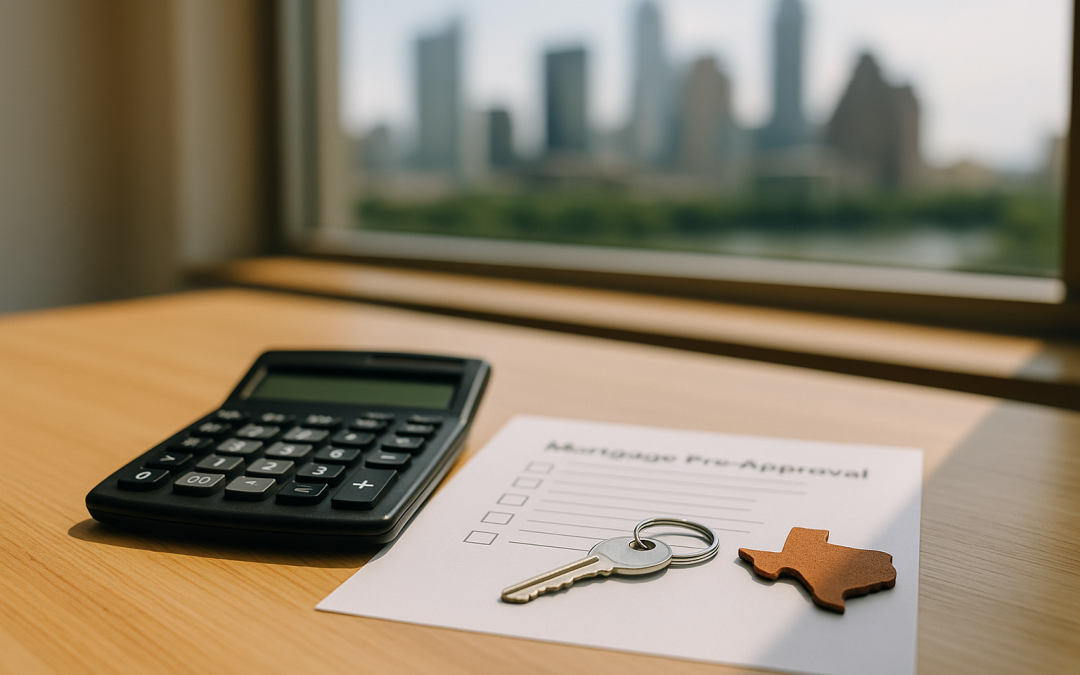
Even many well-qualified buyers benefit from speaking with a lender early. Pre-approval clarifies your true budget and timeline, and it can strengthen your offer if you’re competing for a well-priced listing. If you’re planning to buy before you sell, ask about options that bridge timing gaps.
Step 4: Declutter with a system (not a sprint)
One of the most useful downsizing tips for seniors is to start earlier than you think. Try a room-by-room approach:
- Sort items into keep, donate, gift, sell, and discard.
- Measure key furniture pieces and confirm what fits your next home.
- Prioritize safety and accessibility—avoid bringing bulky items that create tight walkways.
Step 5: Time the sale and purchase strategically
In Austin, spring and early summer often provide more listing choices and strong buyer activity, while late-year timing can be calmer. Your best strategy depends on whether you need to sell first, prefer a rent-back, or want temporary housing between homes. A clear timeline reduces pressure and helps you negotiate confidently.
Inspections, Negotiations, and Closing: What Downsizers Should Watch For
Inspections: focus on big-ticket items and accessibility
Even if the next home is smaller, inspections matter just as much. Pay close attention to the roof, foundation, HVAC, plumbing, and drainage—issues that can be common pain points in Central Texas due to soil conditions and weather swings. Also consider “livability” factors like stair height, bathroom layout, and lighting.
- Green flag: Clear repair history and maintenance records; reasonable findings for the home’s age.
- Red flag: Repeated moisture issues, significant foundation movement without documentation, or deferred maintenance that suggests bigger surprises ahead.
Negotiations: price is only one lever
In Austin real estate for empty nesters, negotiating isn’t just about getting the lowest price. You can also negotiate:
- Seller-paid closing costs
- Repair credits after inspection
- A longer closing timeline to coordinate your move
- Inclusions like appliances, window coverings, or patio furniture
Closing: plan for the practical details
Downsizing often involves coordinating movers, donations, family pickups, and possibly a short-term stay. Build in extra time for utility transfers, HOA document review (if applicable), and a final walk-through focused on agreed repairs and the condition of major systems.
Common Mistakes to Avoid When Downsizing in Austin
- Underestimating total monthly costs: HOA dues, taxes, insurance, and utilities can change in unexpected ways.
- Buying based on aesthetics, not layout: A beautiful home with stairs or a tight bathroom can become frustrating over time.
- Ignoring storage needs: Seasonal items, tools, and keepsakes still need a plan.
- Waiting too long to declutter: Last-minute sorting adds stress and can lead to paying for unnecessary moving/storage.
- Overlooking neighborhood daily life: Visit at different times of day to understand traffic, noise, and parking.
Making the Transition Smoother: Practical Strategies That Help
Downsizing is easier when you plan for both logistics and emotions. A few strategies that consistently help Austin homeowners:
- Create a “memory plan”: Photograph meaningful spaces and items before letting them go, and keep a small curated set of heirlooms.
- Talk through the guest plan: If family visits often, decide whether you need a second bedroom, a flex space, or nearby short-term lodging options.
- Prioritize comfort on move-in day: Set up the bedroom and bathroom first, then the kitchen, before tackling décor.
- Choose a home that supports independence: Good lighting, minimal steps, and easy parking can matter more than extra square footage.
Whether you’re focusing on condos for downsizing Austin buyers love, exploring 55+ communities Austin residents recommend, or simply seeking a smaller single-family home, the goal is the same: a home that fits your life now and supports the years ahead.
Conclusion: Right-Sizing Your Lifestyle in a Fast-Changing City
Downsizing in Austin can be a smart, empowering move for empty nesters and older adults—especially when it’s guided by clear priorities and a realistic budget. Austin’s mix of neighborhoods, condo communities, and age-friendly options makes it possible to trade square footage for convenience, comfort, and time. With thoughtful planning, the right property type, and a step-by-step approach, moving to a smaller home Austin homeowners choose can feel less like a loss and more like a fresh start.