Buying a home with children in mind is different from shopping as a couple or a single buyer. For parents of toddlers and elementary-age kids, the “right” house isn’t just about curb appeal—it’s about daily routines, safety, and the kind of layout that makes it easier to keep an eye on little ones. In Texas, it also means thinking about heat, storms, busy roads, and how quickly neighborhoods can change as new developments open up.
This guide breaks down the top home features for families with small kids, from the best home layout for families to storage, flooring, and outdoor space. Whether you’re upsizing, relocating, or buying your first place, these family home must-haves can help you compare properties confidently and spot true family-friendly homes.
Start With Safety: The Non-Negotiables for Young Kids
When people talk about “safe neighborhoods,” they often mean low crime and good lighting. For parents, safety also includes everyday, in-the-home details that reduce falls, burns, and other common hazards. These safe home features for young children can be the difference between a house that looks great and a house that truly works.
Safe home features for young children to prioritize
- Stairs and railings: Sturdy handrails, consistent stair heights, and landing space. Homes with steep or open-tread stairs can be stressful with toddlers.
- Window placement and locks: Windows not too low to the floor (especially upstairs), with functional locks and screens.
- Kitchen layout: A kitchen where hot surfaces are set back from main walkways and where you can see the living area helps reduce accidents.
- Pool and water safety: In many Texas metros, backyard pools are common. Look for proper fencing, self-closing gates, and clear sightlines from the house. If a home has a pool without a secure barrier, plan and budget for upgrades immediately.
- Low-traffic street location: A quiet interior street or cul-de-sac often feels safer than a home that backs to a major road. Also consider visibility near driveways and parked cars.
- Smoke/CO detectors and updated electrical: Ask about detector placement and panel updates, especially in older Texas neighborhoods where renovations may be piecemeal.
Texas-specific safety notes
In many parts of Texas, weather is part of safety planning. Ask about drainage and grading (to reduce pooling after heavy rain), and check whether the property sits in a flood-prone area. Even when a home isn’t in a high-risk zone, heavy storms can expose drainage issues that matter when kids play outside.
The Best Home Layout for Families: Sightlines, Flow, and Flexibility
Layout is one of the biggest “quality of life” factors in real estate for families. Parents often want a home that feels connected—without being chaotic. The best homes for families usually offer a practical balance: open enough for supervision, but with a few zones to reduce noise and clutter.
Open floor plan for families: pros and cons
An open floor plan for families is popular across Texas, especially in newer construction. It can be ideal when you’re cooking while kids play nearby.
- Pros: Better sightlines, easier entertaining, natural gathering space, flexible furniture arrangements.
- Cons: Noise travels, mess is visible, fewer walls for storage and furniture, and it can be harder to create a quiet homework or nap zone.
Layouts that work well with small children
- Primary bedroom location: Many families with infants and toddlers prefer the primary bedroom near secondary bedrooms (often upstairs together or on the same level) for easier nighttime routines.
- Dedicated play space: A flex room, loft, or second living area can keep toys out of the main living room—one of the most overlooked kid-friendly house features.
- Entry “drop zone”: A defined entry area for shoes, backpacks, and strollers reduces clutter and helps with day-to-day organization.
- Bathroom access: A half bath near living areas is a practical family home must-have, especially during potty-training years.
Storage Solutions for Family Homes: Where Real Life Actually Goes
Storage is one of the first things parents notice in a showing—and one of the first things they regret ignoring. Kids come with gear: car seats, strollers, sports equipment, seasonal clothing, and the never-ending stream of toys and school projects. Strong storage solutions for family homes help a house stay livable long after move-in day.
High-impact storage features to look for
- Closet space in the right places: Entry closets, linen closets, pantry storage, and a place for bulk items (common with Texas warehouse-style shopping trips).
- Kitchen pantry capacity: A walk-in pantry or well-designed cabinet system makes everyday cooking faster and keeps snacks contained.
- Utility room layout: A laundry room with room for baskets, hooks, and a folding surface is more functional than a pass-through hallway laundry.
- Garage storage potential: Many Texas families use the garage as a storage hub. Look for space beyond just parking and consider ceiling height for overhead racks.
- Bedroom closet sizing: Kids’ closets fill up quickly. A slightly larger closet can prevent bedrooms from becoming storage rooms.
Common mistake: overvaluing square footage and undervaluing storage
A larger home with limited closets can feel cramped. Meanwhile, a slightly smaller house with smart storage and a workable layout can function like a bigger property. When comparing family-friendly homes, weigh practical storage at least as heavily as total square footage.
Durable, Low-Stress Finishes: Flooring, Paint, and Surfaces
Kids are tough on homes. Spills, scratches, and high foot traffic can wear down finishes quickly. Choosing durable materials is part of finding the best homes for families—especially if you want fewer repairs and less stress during the first few years of ownership.
Durable flooring for kids: what performs well in Texas homes
Durable flooring for kids is a high priority because it affects cleaning time, comfort, and long-term maintenance.
- Luxury vinyl plank (LVP): Popular for families because it’s water-resistant, easy to clean, and holds up well to scratches.
- Tile: Common in Texas due to heat and easy cleaning, but it can be hard on little knees. Area rugs can help in play zones.
- Engineered wood: Can offer a warmer look than tile with better stability than solid hardwood, but still needs protection from moisture and heavy wear.
- Carpet (select areas): Comfortable for playrooms and bedrooms, but look for stain-resistant options and evaluate replacement costs.
Other kid-friendly finish considerations
- Washable paint: Satin or semi-gloss in hallways and kids’ rooms can make cleanup easier.
- Rounded corners and wider hallways: Not always available, but they reduce bumps and improve stroller movement.
- Countertops: Quartz tends to be lower maintenance than natural stone for busy families.
Outdoor Space: The Value of a Fenced Yard for Kids
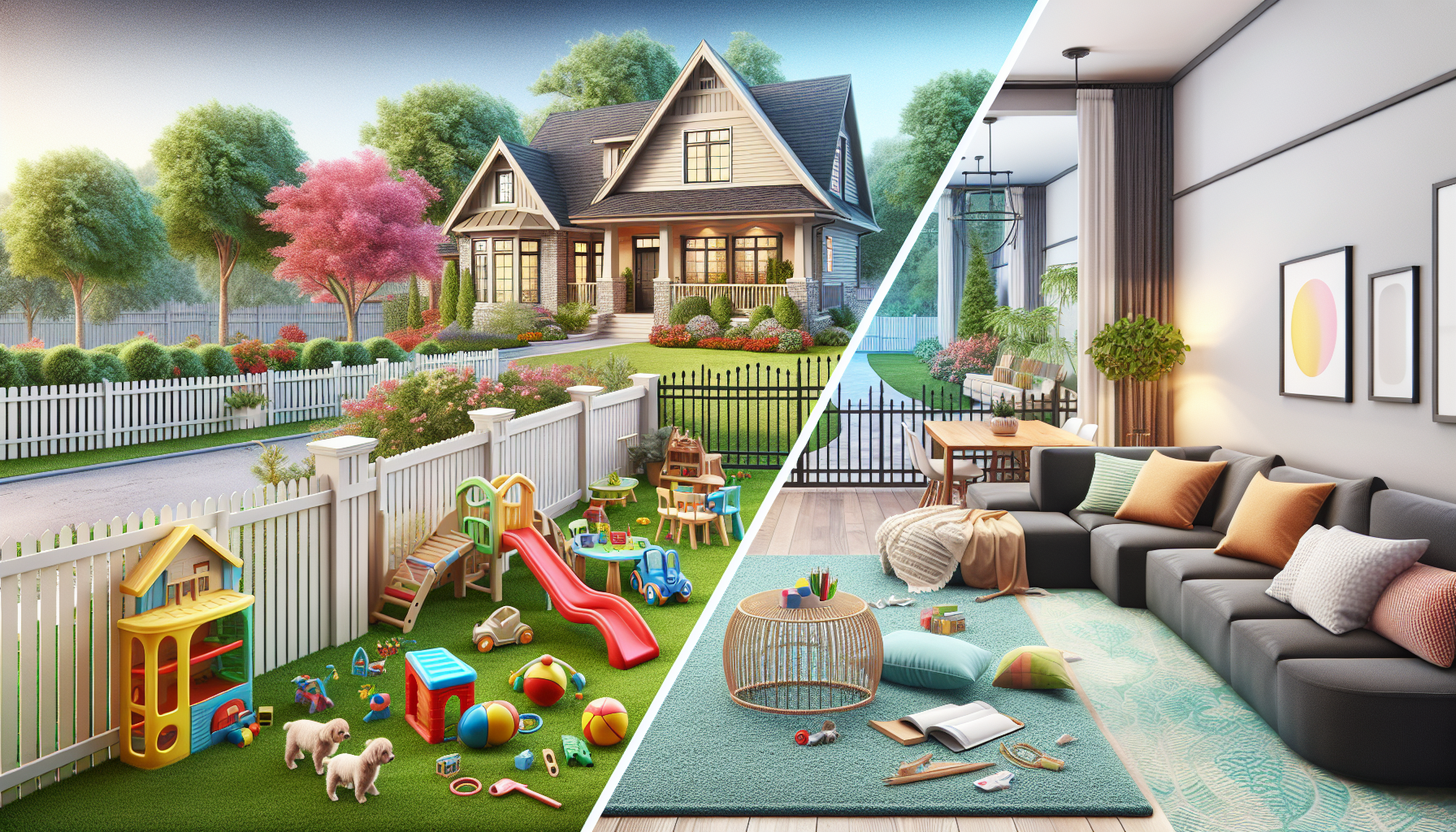
In many Texas markets, outdoor space is a major reason people buy rather than rent. A fenced yard for kids is often at the top of the wish list because it creates a safe place to play, reduces screen time battles, and makes pet ownership easier.
What to look for in a fenced yard
- Secure fencing: Check for gaps, leaning posts, and gate latches that a child can’t easily open.
- Shade and heat management: Texas summers can be intense. Trees, covered patios, and shaded play areas matter for comfort and safety.
- Flat, usable space: A steep slope or heavy landscaping can limit play. Also check drainage after rainfall.
- Distance from traffic: Backyards that border busy roads can be noisy and feel less safe, even with fencing.
Green flags and red flags in outdoor areas
- Green flags: Visible play zones from main living spaces, intact fencing, covered patio, and a safe path from back door to yard.
- Red flags: Unfenced pools, unstable decks, standing water, or damaged fencing that suggests deferred maintenance.
Homes Near Good Schools: Understanding What “Good” Means in Practice
Even if your children are not school-aged yet, homes near good schools tend to stay in demand. For many buyers, school considerations are a major driver of resale value and neighborhood stability. When you’re buying a home with children, it’s smart to think a few years ahead.
How families evaluate school-related location
- Commute and drop-off logistics: In major Texas metros, school traffic can add significant time. Test the drive at peak hours.
- Sidewalks and safe routes: Sidewalk networks, crosswalks, and street lighting make walking and biking more realistic.
- Access to parks and libraries: These are everyday quality-of-life boosts that many families use weekly.
- Future zoning and growth: Fast-growing suburbs may see boundary shifts or crowded campuses. Ask what’s planned nearby.
“Homes near good schools” can mean different things to different families—academic performance, specialized programs, or simply a campus that’s convenient and feels like a strong fit. The key is aligning the home’s location with your day-to-day needs, not just a single metric.
Community and Neighborhood Features That Matter for Young Families
Real estate for families isn’t just about the house. The neighborhood can make parenting easier—or harder. Across Texas, planned communities often appeal to families because they include sidewalks, playgrounds, and community pools (with the important caveat of water safety). Older neighborhoods may offer mature trees and larger lots, but can vary more in layout and upkeep.
Top neighborhood “family-friendly” signals
- Traffic calming: Speed bumps, narrower streets, and clear signage can reduce speeding.
- Nearby essentials: Grocery stores, pediatric clinics, and daycare options within a short drive can be a major lifestyle advantage.
- Parks and play areas: Easy access to parks is one of the most consistently valued home features for kids.
- Sidewalks and street lighting: These support safe stroller walks and evening play.
Step-by-Step: How to Tour Homes With Small Children in Mind
It’s easy to fall in love with a beautifully staged home. A more helpful approach is a structured walk-through focused on the kid-friendly house features that support your real routines.
Step 1: Check the “supervision map”
Stand in the kitchen and look toward the main living area and backyard. Can you see where kids would play? Strong sightlines are a hallmark of the best home layout for families.
Step 2: Test storage in person
Open closets and pantry doors. Picture backpacks, shoes, diaper bags, and sports gear. Great storage solutions for family homes are noticeable when you imagine everyday clutter.
Step 3: Walk the floors like a parent
Look for slippery transitions, uneven thresholds, and easily damaged surfaces. Durable flooring for kids can save you money and stress, especially in entryways and kitchens.
Step 4: Evaluate the outdoor setup
Confirm whether the yard is fully enclosed and whether gates latch securely. A fenced yard for kids is most valuable when it’s truly safe and usable.
Step 5: Consider noise and nap-time reality
Listen for road noise, barking dogs, or echo in open spaces. An open floor plan for families can be great, but it’s not always quiet. Identify where naps and bedtime would happen.
Negotiation and Inspection Tips for Family-Friendly Homes in Texas
Once you find a good match, inspections and negotiations help protect your budget and timeline. This is where many first-time buyers can feel overwhelmed, so keep it simple and focused on risk.
Inspection items parents should pay attention to
- Roof and drainage: Important for storm seasons and preventing interior leaks.
- HVAC performance: Texas heat makes reliable air conditioning a comfort and safety priority for young children.
- Foundation signs: Cracks, sticking doors, or uneven floors can indicate movement. Foundation concerns are common discussion points in parts of Texas due to soil conditions.
- Fence condition: If a fenced yard for kids is part of your plan, make sure the fence is structurally sound.
- Pool safety and equipment: If applicable, ask for specialized evaluation and factor upgrades into your budget.
Negotiation approach: focus on safety and function
Cosmetic issues are often less urgent than safety and systems. When requesting repairs or credits, prioritize items that affect safe home features for young children (like handrails, fencing, electrical issues, and water safety) and big-ticket systems (roof, HVAC, foundation).
Putting It All Together: A Quick Checklist of Family Home Must-Haves
The best homes for families aren’t identical, but the strongest candidates usually share the same fundamentals: safety, layout, durability, storage, and location. Use this checklist as a quick filter when comparing options.
- Safe home features for young children: secure stairs/railings, functional locks, safe outdoor setup, updated detectors
- Best home layout for families: good sightlines, practical bedroom placement, flexible play space
- Home features for kids: nearby parks, playroom/flex space, kid-friendly surfaces
- Storage solutions for family homes: pantry, linen closets, entry drop zone, garage potential
- Durable flooring for kids: easy-clean, scratch-resistant options in high-traffic zones
- Homes near good schools: workable commute, safe routes, neighborhood growth considerations
- Outdoor priority: fenced yard for kids with shade and good drainage
Ultimately, family-friendly homes are the ones that make everyday life smoother: fewer hazards, less clutter, and spaces that grow with your kids. If you focus on these top home features for families with small kids, you’ll be in a strong position to choose a home that feels good now—and still makes sense when your children are bigger and your routines change.