If you’re buying or selling a home in Texas this year, you may notice something different: the real estate closing timeline 2026 often feels longer than what friends remember from a few years ago. In many markets—from Dallas-Fort Worth and Houston to Austin, San Antonio, and fast-growing Hill Country towns—closings are taking more time because lenders, title companies, and agents are doing more verification, more documentation, and more compliance checks than before.
That can sound frustrating, especially when you’re juggling a lease ending, a moving truck, or school enrollment. But in 2026, “slower” often means “safer.” The Texas real estate process changes we’re seeing are designed to reduce last-minute surprises, prevent costly mistakes, and protect everyone at the table—buyers, sellers, agents, lenders, and title companies. The end goal is a cleaner, smoother closing, even if it requires more patience upfront.
Why closings take longer in Texas in 2026
When people ask “why closings take longer Texas,” the answer is usually not one single issue. It’s a stack of small time-adders: stricter lending conditions, more detailed underwriting, tighter fraud prevention, and more contract-to-close coordination among multiple parties. Texas is also a high-growth state, and market volume in major metros can add pressure to appraisers, inspectors, surveyors, and title teams—especially during spring and early summer.
In practical terms, the Texas home buying process timeline is still recognizable: contract, option period, financing, appraisal, title work, and closing. What’s changed is the depth of documentation and the number of “double checks” required to move from one step to the next.
More rules, more documentation, more verification
Real estate compliance Texas has always mattered, but compliance expectations have grown. Lenders and settlement providers are paying closer attention to identity verification, source of funds, occupancy intent, and document consistency. Even straightforward W-2 borrowers can be asked for updated paystubs, clarification letters, and refreshed bank statements if dates or deposits don’t line up perfectly.
For buyers, this can feel like extra hoops. For the industry, it’s a reaction to higher scrutiny and risk management. The goal is fewer post-closing issues and fewer transactions falling apart at the finish line.
Seasonal Texas factors can stretch timelines
Texas real estate trends 2026 still follow familiar seasonality. Spring and early summer are busy, and that affects scheduling for inspections, appraisals, surveys, and even repair contractors. In coastal or storm-prone areas like Houston and parts of the Gulf region, weather events can slow inspections and insurance binding. In Central Texas, tight inventory pockets can increase competition and speed up contract acceptance, but not necessarily the back-end timeline.
So if you’re wondering why home closing is slower in 2026, part of the answer is the new diligence—and part is that Texas is still moving fast in population growth, even when closings themselves feel more measured.
Mortgage approval delays in 2026: what’s really happening in underwriting
One of the most common sources of mortgage approval delays 2026 is underwriting. Underwriting delays mortgage aren’t always about a buyer being “unqualified.” More often, they come from lenders applying stricter verification standards and requiring more documentation to satisfy internal and investor guidelines.
In Texas, where buyers often combine different income types (salary plus bonuses, commission, oil and gas royalties, self-employment, or multiple jobs), underwriting can take longer simply because there’s more to validate. The smoother your documentation, the faster the file moves—but in 2026, “fast” still may look slower than it did in earlier years.
Common underwriting friction points in Texas
These are some of the most frequent reasons buyers experience underwriting delays mortgage in 2026, especially in large Texas metros:
- Income calculation: commission, bonuses, overtime, self-employment, or recent job changes require deeper review.
- Bank statement questions: large cash deposits, transfers between accounts, or unclear payment sources may need paper trails.
- Credit inquiries: opening new accounts, financing furniture, or even a new car can trigger re-checks.
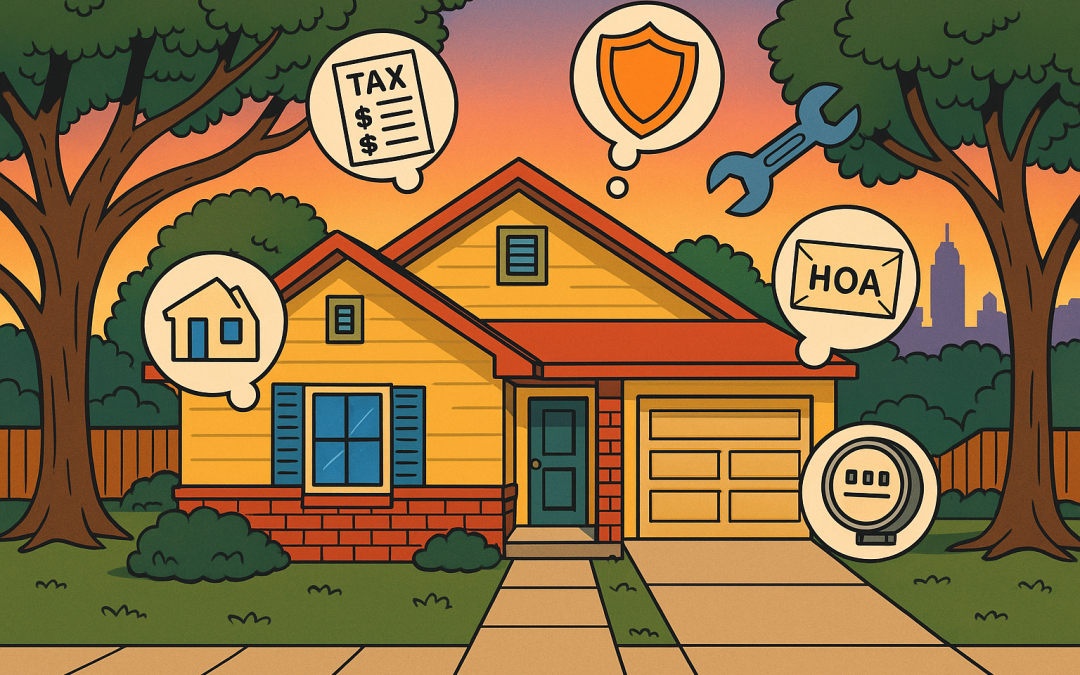
- Insurance and HOA documentation: proof of coverage, condo master policies, or HOA details sometimes arrive late.
- Property condition flags: appraisal or inspection items that require repairs before funding (common with certain loan types).
The best way to view this is simple: lenders are trying to confirm the story your file tells. If anything doesn’t match—dates, addresses, deposits, employment history—underwriting pauses to clarify it. That pause is a big reason the real estate closing timeline 2026 feels longer.
Appraisal and value checks can take more time
In many Texas neighborhoods, pricing has stabilized compared to the frenzy of earlier years, but micro-markets can still be uneven. In Austin’s suburban ring, parts of DFW, and pockets of Houston, appraisers may need extra time to find clean comparable sales, especially when a neighborhood has a mix of renovated homes and original-condition homes.
Appraisal turn times can also stretch during peak season. If the appraisal comes in with conditions—repairs, reinspection, or missing information—it adds days. This doesn’t mean the deal is doomed; it means the process is more thorough and sometimes more conservative.
Texas real estate process changes: contracts, compliance, and coordination
Even when financing is smooth, the real estate transaction steps Texas include multiple moving parts that must align: the contract, option period deadlines, survey, title commitment, lender conditions, insurance, and final closing documents. In 2026, there’s more emphasis on clean files and documented decisions, which can extend timelines but reduces chaos at the end.
From a practical standpoint, “professionalism over speed” shows up in how contracts are executed and how issues are handled. Instead of rushing to “figure it out at closing,” more teams are pushing to resolve questions earlier—during the option period, during title review, or during underwriting.
Title work, surveys, and the details that matter
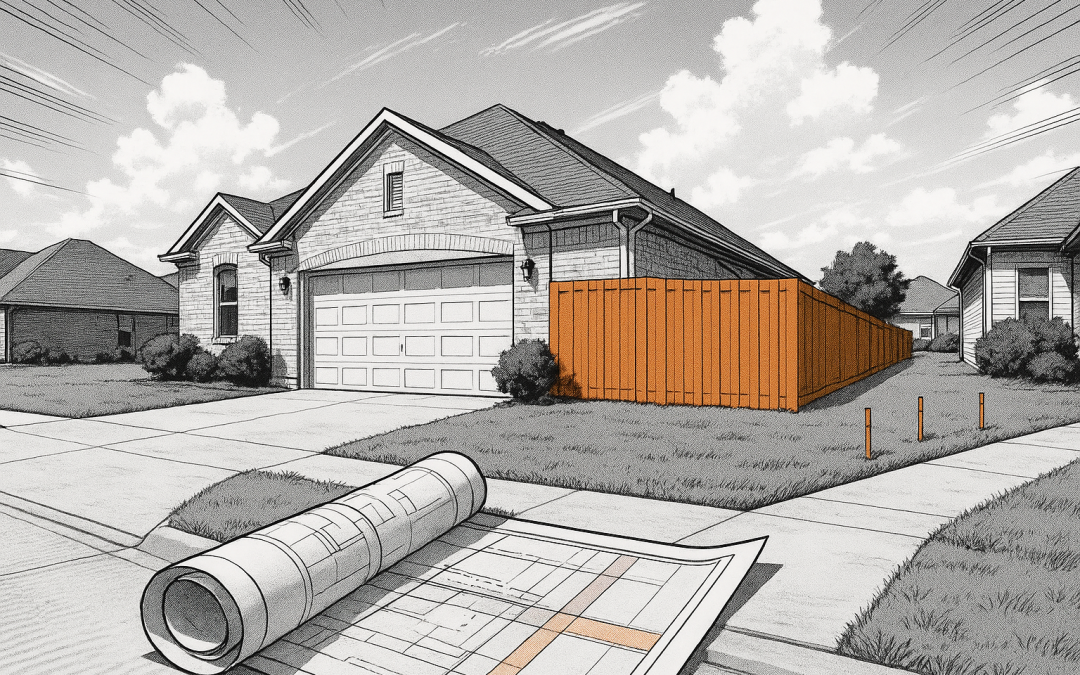
Title and survey items are a classic reason closings slow down in Texas. Many Texas properties have unique quirks: long-standing utility easements, older legal descriptions, prior boundary adjustments, or improvements (like fences, sheds, pools, or patios) that may cross easement lines.
When a title commitment reveals an issue—an unreleased lien, an estate matter, a name mismatch, or a boundary question—it can take time to clear. Survey scheduling can also be tight in busy markets. None of this is new, but in 2026 the expectation is to document solutions carefully and confirm compliance before proceeding.
Stricter timelines around disclosures and repairs
Texas contracts have deadlines for a reason. Buyers need time to inspect, negotiate repairs, and make informed decisions while they still have leverage. Sellers need clarity on what they’re agreeing to fix and when. In 2026, repair negotiations often come with more documentation: invoices, paid receipts, photos, and in some cases reinspection reports.
This can add days, but it also prevents the most stressful scenario in a transaction: arriving at final walk-through and discovering the repair was incomplete, unpermitted, or not done to the agreed standard.
Longer closing times benefits: why “slower” can mean fewer surprises
It’s fair to ask: if the why home closing is slower story is increased scrutiny, who does that help? The answer is: everyone—when it’s handled well. The longer closing times benefits show up in fewer last-minute lender conditions, fewer title surprises, and fewer “we can’t close today” emergencies.
In a state as large and fast-moving as Texas, a clean, well-documented transaction is a competitive advantage. It protects consumers financially and protects agents professionally.
How buyers benefit from a more thorough closing
For buyers, a longer timeline often means more chances to catch problems early. That’s especially important for first-time buyers learning the home buying process explained Texas style—where inspections, surveys, and title review can reveal issues you wouldn’t spot during a showing.
- Clearer affordability picture: full documentation reduces the risk of last-minute loan changes.
- Fewer surprises on condition: inspection follow-ups and repair proof help you know what you’re getting.
- Cleaner title and boundary clarity: survey and title review reduce future headaches when you sell or refinance.
In other words, the “extra steps” are often the steps that keep a buyer from inheriting someone else’s problem.
How sellers benefit (even when it feels inconvenient)
Sellers often feel the impact through buyer requests: more paperwork, more verification, and sometimes longer financing periods. But a more professional process lowers the risk of a failed closing, which is one of the most expensive outcomes for a seller. A deal that falls apart can mean re-listing, stigma, price reductions, and carrying costs.
When the lender is thorough early and the buyer is well-documented, sellers are more likely to reach the finish line on schedule—even if the overall schedule is a few days longer than in past years.
How agents benefit: fewer fires, stronger reputations
For agents, longer doesn’t have to mean harder. The shift is toward proactive file management: verifying deadlines, documenting changes, and staying ahead of lender and title requirements. In 2026, the agents who shine are the ones who treat each transaction like a project with milestones, not a sprint to the signature.
This also supports professionalism across the industry. When expectations are clearer and documentation is cleaner, clients feel more confident—and fewer deals unravel due to preventable miscommunication.
What to expect: a realistic Texas home buying process timeline in 2026
Every transaction is different, but buyers and sellers both benefit from a realistic view of the real estate closing timeline 2026. The goal is not to assume delays—it’s to build in enough time so that normal verification, underwriting, and title work don’t become emergencies.
In Texas, many closings still land around 30–45 days, but it’s increasingly common to see 35–50 days depending on loan type, appraisal timing, title complexity, and repair negotiations. The real shift is that “tight” timelines require more upfront preparation than they used to.
Real estate transaction steps in Texas (what happens and when)
Here’s a practical, plain-English view of the real estate transaction steps Texas buyers and sellers typically experience after going under contract:
- Days 1–3: Earnest money delivered, title opened, option period begins (if negotiated), lender receives contract.
- Days 3–10: Inspections, repair negotiations begin, lender disclosures and document collection ramps up.
- Days 7–21: Appraisal ordered and completed (timing varies by market), underwriting review starts.
- Days 14–30+: Title commitment review, survey review, HOA/condo docs (if applicable), insurance finalized, lender conditions cleared.
- Final week: Closing disclosure, final underwriting approval, final walk-through, signing and funding.
This is the “home buying process explained Texas” in a way that matches what many people experience on the ground. The key is that several steps run in parallel, and a delay in one lane (like appraisal or a title requirement) can slow the whole file.
Practical guidance for buyers: how to prevent avoidable delays
Buyers can’t control every part of the process, but they can control how clean their documentation is and how quickly they respond. In 2026, speed comes from preparation, not rushing.
- Don’t change your financial profile mid-transaction: avoid new credit cards, new loans, or large unexplained deposits.
- Respond to lender requests fast: even a 24-hour delay can push underwriting decisions back.
- Get insurance quotes early: in Texas, wind/hail and flood considerations can take time to finalize.
- Read the title commitment and survey: ask questions early if an easement or boundary looks concerning.
- Plan your move with buffer: if possible, avoid scheduling movers for the morning after closing.
If you’re worried about mortgage approval delays 2026, the simplest strategy is to treat your lender’s document checklist as time-sensitive. In a stricter environment, “we’ll get it later” can turn into “we can’t close yet.”
Practical guidance for sellers: smoother closings start before you list
Sellers can help prevent delays by anticipating buyer and lender questions. This is especially true in older Texas neighborhoods, rural properties, or homes with additions and major upgrades.
- Gather key paperwork: past permits (if available), warranty info, roof age, HVAC service records, and any paid-off lien releases.
- Be ready for repair documentation: paid invoices and photos help everyone feel confident the job is complete.
- Consider a pre-listing inspection: it can reduce renegotiation and help you price accurately.
- Stay flexible on closing dates: allowing a reasonable financing window can reduce the odds of a failed contract.
This is where the longer closing times benefits become tangible: fewer disputes, fewer re-trades, and less “closing week drama.”
Practical guidance for agents: professionalism that keeps files moving
Agents are often the glue holding timelines together. In 2026, the strongest approach is proactive coordination—especially when the file touches multiple vendors and tight deadlines.
- Set expectations on day one: explain that the real estate closing timeline 2026 may include additional lender and compliance steps.
- Run a deadline calendar: option period, financing approval, appraisal, and title deadlines should be visible to everyone.
- Push for early title and survey review: many “mystery delays” are title issues discovered too late.
- Document contract changes cleanly: amendments should be clear, signed promptly, and distributed to lender and title immediately.
- Encourage early repair decisions: waiting until the final week increases the risk of funding delays.
These habits support real estate compliance Texas expectations and reduce last-minute friction with underwriting and settlement. More importantly, they help clients feel guided instead of overwhelmed.
Ultimately, the question isn’t just why closings take longer Texas in 2026—it’s what we get in return. A slower, more professional closing process is built to protect consumers, reduce preventable errors, and deliver the kind of closing day everyone wants: calm, predictable, and on time.