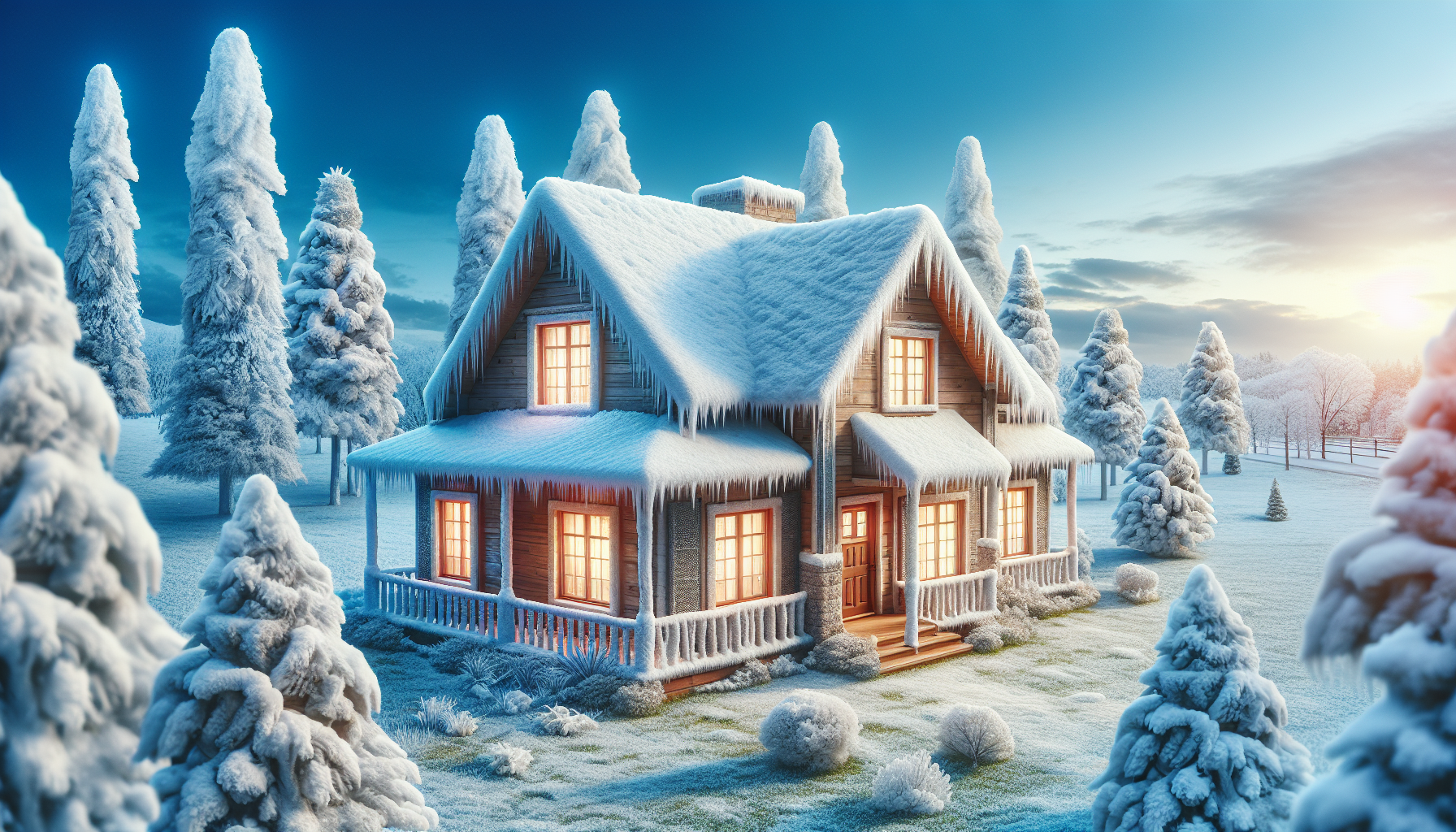
Texas winters can be unpredictable. One week may feel like spring, and the next can bring a hard freeze, sleet, or an ice storm that stresses roads, homes, and the electric grid. For homeowners, that volatility isn’t just inconvenient—it can lead to costly property damage, uncomfortable living conditions, and complicated insurance claims. The good news is that smart, practical Texas winter preparation can reduce risk and help your home stay safe, efficient, and livable when temperatures drop.
This guide focuses on winter home maintenance Texas homeowners can tackle before the first serious cold front. We’ll cover how to prepare for Texas freeze conditions, how to protect pipes freezing Texas homes are vulnerable to, what to know about HVAC winter maintenance Texas service calls, and realistic Texas power outage tips—especially important when the Texas power grid overload becomes more likely during extreme cold.
Why Winter Prep Matters in Texas (Even If You’re Not in the Panhandle)
Texas spans multiple climate zones, and winter impacts vary by region. North Texas and the Panhandle typically see more frequent freezes, while Central Texas and the Hill Country may see fewer events but can still get damaging ice. Along the Gulf Coast, pipes and plants can be especially vulnerable because homes and landscaping may be less accustomed to sustained cold.
Many Texas homes are built for heat management, not prolonged freezing temperatures. That’s why Texas homeowner winter tips often focus on the basics: insulation, sealing air leaks, protecting plumbing in exterior walls, and ensuring reliable heat. It’s also why Texas ice storm preparation matters statewide—ice can knock out power lines, make roads dangerous, and slow emergency response times.
Texas Winter Preparation Timeline: What to Do and When
Early Fall (September–October): Get Ahead of Repairs
- Schedule HVAC winter maintenance Texas service before contractor calendars fill up.
- Inspect attic insulation, weatherstripping, and window/door seals.
- Locate your water shutoff valve and test that it turns smoothly.
- Trim trees near rooflines and power lines (use a certified arborist when needed).
Late Fall (November): Stock and Stage
- Purchase faucet covers, pipe insulation sleeves, and heat tape (if appropriate).
- Confirm your home has working smoke detectors and carbon monoxide detectors.
- Review your homeowner’s insurance deductible and freeze coverage basics.
- Plan for emergency backup power Texas options if outages are a concern in your area.
When a Hard Freeze Is Forecast: Execute Your Checklist
- Wrap exposed pipes, cover exterior faucets, and open sink cabinets on exterior walls.
- Set thermostats to a steady temperature and avoid “setback” extremes.
- Charge devices, fuel vehicles, and stage flashlights and batteries.
- Know how you’ll safely heat your home if power goes out.
Step-by-Step: How to Protect Pipes During a Texas Freeze
If you’re searching for how to protect pipes freezing Texas winters can cause, start here. Frozen pipes can burst, and the real damage often happens when they thaw and leak—sometimes inside walls or under slabs.
Step 1: Identify Vulnerable Plumbing
- Exterior hose bibs and outdoor faucets
- Pipes in unheated garages, attics, and crawlspaces
- Pipes in exterior walls (common behind kitchen sinks)
- Irrigation backflow preventers and exposed sprinkler components
Step 2: Insulate the Right Way
- Install foam pipe sleeves on exposed pipes and secure seams with tape.
- Use insulated faucet covers on outdoor spigots.
- For very exposed areas, consider heat tape listed for plumbing use and follow manufacturer instructions carefully.
Step 3: Prepare to Drip (When Conditions Justify It)
During severe freezes, letting faucets drip can relieve pressure and help prevent a burst. Focus on fixtures farthest from the water main and those on exterior walls. A slow, steady drip is typically enough. In multi-story homes, include a faucet on an upper floor if those lines are vulnerable.
Step 4: Know the Emergency Shutoff Plan
Find your home’s main water shutoff valve now—not during an emergency. If a pipe bursts, turning off water quickly can dramatically reduce damage. If you have an automatic shutoff device, confirm it’s powered, connected, and functioning.
Red Flags and Green Flags
- Red flag: Very low water pressure during a freeze (a sign a pipe may be freezing).
- Red flag: Frost on a pipe segment or a bulge in the pipe sleeve area.
- Green flag: Warm air circulation to plumbing areas (open cabinets, improved insulation).
- Green flag: A labeled shutoff valve and a household plan for who turns it off.
HVAC Winter Maintenance Texas Homeowners Shouldn’t Skip
Your heating system is your first line of defense in a freeze, and it also helps protect your plumbing by keeping the home’s interior temperature stable. HVAC winter maintenance Texas service is especially important because many systems run hard in summer and then sit before the first cold snap.
Step-by-Step HVAC Checklist
- Step 1: Change filters. A clean filter improves airflow and efficiency and reduces strain on the system.
- Step 2: Test heat early. Turn on heat before the first deep cold to catch issues when technicians are more available.
- Step 3: Inspect vents and returns. Make sure they’re not blocked by furniture or rugs.
- Step 4: Consider a tune-up. A professional check can identify worn igniters, leaks, or airflow issues.
- Step 5: Verify thermostat settings. A programmable thermostat can help manage comfort and cost, but during extreme cold, steady temps are often safer for pipes.
Heat Pump Notes (Common in Many Texas Markets)
Heat pumps are efficient in mild winters but may rely on auxiliary heat during colder events. If your system switches to emergency heat frequently, expect higher electric use—one reason Texas power grid overload concerns spike during widespread cold snaps.
Texas Ice Storm Preparation: Protecting the Property Outside
Ice is a different challenge than simple cold. It can accumulate on trees and power lines, leading to broken limbs and outages, and it can also damage roofs and gutters when drainage patterns change.
Roof, Gutters, and Drainage
- Clear gutters and downspouts so water can flow away from the foundation.
- Check for loose shingles and flashing before winter storms arrive.
- Make sure downspouts discharge away from the home to reduce slab and foundation moisture issues.
Trees, Fences, and Outdoor Items
- Trim dead branches and limbs overhanging the roof or driveway.
- Secure patio furniture and remove hazards that could become projectiles in high winds.
- Inspect fences for loose posts; saturated soil plus freeze-thaw cycles can worsen leaning.
Garage and Exterior Doors
- Replace worn door seals to reduce drafts and protect any plumbing in the garage.
- Check the garage door’s bottom seal and weatherstripping.
Texas Power Outage Tips: Keeping Your Home Safe During an Outage
Power outages can happen in any season, but winter outages are particularly stressful because heating, cooking, and water systems may depend on electricity. Outages can also coincide with hazardous road conditions, delaying repairs. Practical Texas power outage tips focus on safety first, then comfort, then protecting the building.
Step-by-Step: What to Do When the Power Goes Out
- Step 1: Confirm the outage. Check your breaker panel for tripped breakers and look for neighborhood outages.
- Step 2: Preserve heat. Close blinds and curtains at night, block drafts with towels, and consolidate into one or two rooms.
- Step 3: Prevent pipe freezing. If the outage occurs during a hard freeze, insulate exposed areas, open cabinets on exterior walls, and consider dripping faucets as conditions warrant.
- Step 4: Use safe lighting. Prefer flashlights or lanterns over candles, especially in homes with kids or pets.
- Step 5: Protect food. Keep refrigerator and freezer doors closed; an unopened freezer can hold temperature longer than a fridge.
Generator and Heater Safety Basics
- Never run a generator in a garage, carport, or near open windows. Carbon monoxide can build quickly.
- Only use indoor-safe heating devices as labeled, and keep clearance from flammable items.
- Install and test carbon monoxide detectors—especially if you use gas appliances, fireplaces, or backup heat sources.
Emergency Backup Power Texas Options: Pros and Cons
When outages are a recurring concern, emergency backup power Texas homeowners choose typically falls into a few categories. The right fit depends on your budget, how long outages typically last in your area, and whether you need to power medical devices, well pumps, or just essential outlets.
Portable Generator
- Pros: Lower upfront cost; flexible; can power essentials with proper sizing.
- Cons: Requires safe outdoor operation; needs fuel storage; manual setup; may require a transfer switch for safer integration.
Standby (Whole-Home) Generator
- Pros: Automatic start; can power more of the home; convenient for frequent outages.
- Cons: Higher upfront cost; permits and installation required; ongoing maintenance.
Battery Backup / Home Energy Storage
- Pros: Quiet; no fuel; can run essential circuits; pairs well with solar when available.
- Cons: Limited runtime depending on load; higher cost; may not support large heating loads for long.
Practical Tip for Texas Homes
During extreme cold, electric resistance heat and auxiliary heat can draw significant power. If your goal is to keep a home warm during a long outage, consider a plan that prioritizes one heated “safe room,” plus essentials like refrigeration, phone charging, and limited lighting.
Understanding Texas Power Grid Overload (and What You Can Control)
When temperatures plunge across large portions of the state at the same time, demand rises as households heat their homes, and supply can be constrained if generation or fuel delivery is disrupted. That’s when Texas power grid overload becomes a widely discussed risk factor. While homeowners can’t control grid operations, you can control your home’s efficiency and your personal readiness.
Home Efficiency Moves That Help
- Seal air leaks around doors, windows, and attic penetrations.
- Add or improve attic insulation where feasible; it’s one of the best comfort-per-dollar upgrades.
- Use ceiling fans on low, clockwise rotation in winter to circulate warm air.
- Service HVAC and keep filters clean to reduce energy waste.
Household Load Management During Peaks
- Avoid running large appliances simultaneously during peak cold hours when possible.
- Pre-heat the home slightly before the coldest overnight window (without overheating).
- Keep space heaters limited and used only per manufacturer guidance.
Winter Home Maintenance Texas Checklist for Buyers, Sellers, and Long-Term Owners
Whether you’re settling in for the season, preparing to list, or buying a home, winter home maintenance Texas routines can protect value and reduce surprises. Winter is also a time when deferred maintenance shows up clearly—drafts, uneven heating, and drainage problems become harder to ignore.
For Current Homeowners
- Test GFCI outlets in kitchens, baths, and exterior locations.
- Check weatherstripping and replace worn door sweeps.
- Flush or service the water heater if recommended for your unit.
- Check fireplace and chimney condition before use (and ensure proper ventilation).
- Keep an emergency kit: blankets, batteries, flashlights, basic first aid, and bottled water.
For Sellers: Small Steps That Reduce Buyer Concerns
- Provide receipts for recent HVAC winter maintenance Texas tune-ups.
- Show that exterior faucets are protected and pipes are insulated where visible.
- Repair obvious drafts (a loose door or cracked weatherstripping can feel like a big issue during a showing).
- Disclose known past freeze-related repairs honestly and keep documentation.
For Buyers: What to Look For During Showings and Inspections
- Green flag: Updated insulation, sealed attic penetrations, and tight windows/doors.
- Green flag: Clearly labeled shutoff valves and accessible plumbing.
- Red flag: Past water stains on ceilings/walls near exterior plumbing runs.
- Red flag: HVAC that struggles to maintain temperature or has inconsistent airflow room-to-room.
Common Mistakes Texas Homeowners Make Before a Freeze
- Waiting too long to service the heater. The first cold snap is when demand spikes for repairs.
- Forgetting outdoor plumbing. A single unprotected hose bib can lead to expensive damage.
- Over-relying on one tactic. Dripping faucets helps, but it’s not a substitute for insulation and steady indoor heat.
- Using unsafe heating methods. Indoor generator use or unapproved heaters can be deadly.
- Not knowing where shutoffs are. Minutes matter when a pipe bursts.
Putting It All Together: A Practical “Prepare for Texas Freeze” Plan
If you want a simple, repeatable approach to prepare for Texas freeze events, focus on three pillars: protect the plumbing, stabilize the indoor temperature, and plan for outages. That means insulating vulnerable pipes, completing HVAC winter maintenance Texas service early, sealing drafts, and staging supplies for Texas ice storm preparation. Then add realistic emergency backup power Texas solutions—whether that’s a portable generator, battery backup, or simply a well-practiced plan for keeping one room warm safely.
Texas homeowner winter tips aren’t about panic—they’re about being ready. A few weekends of preparation can protect your home’s condition, reduce utility surprises, and help you ride out winter weather with more confidence, even if the forecast changes fast.