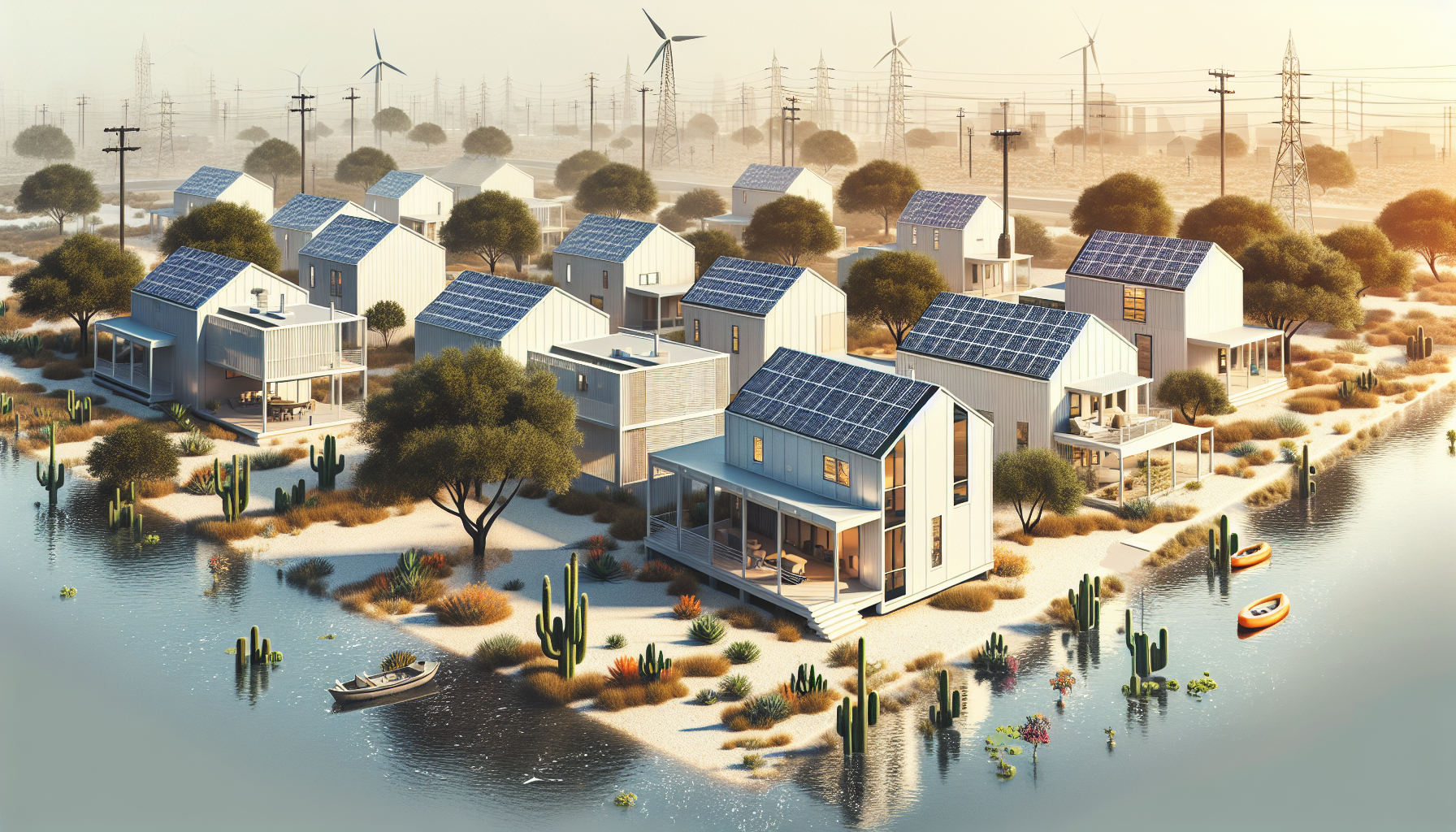
Texas has always been a state of big weather—from Gulf Coast hurricanes to Hill Country flash floods and West Texas drought. What’s changing in 2025 is how directly those conditions are showing up in real estate decisions. Buyers are asking more questions about flood history and energy bills. Sellers are learning that a roof age or elevation certificate can matter as much as new countertops. Investors are underwriting properties with a closer eye on insurance, maintenance, and downtime risk.
This article breaks down the most important Texas real estate climate risks and how they’re influencing pricing, negotiations, and long-term value. If you’re buying a house in Texas climate risks are now part of the standard checklist—right alongside school zones, commute times, and property taxes.
Why climate risk is now a “market factor” in Texas
Real estate values reflect both lifestyle and risk. In Texas, climate risk is increasingly tied to day-to-day costs (utilities and insurance), repair and maintenance cycles (roofs, HVAC, foundations), and even financing requirements (flood insurance in certain areas). That’s why climate change and real estate TX is no longer a theoretical conversation—it’s shaping what homes sell, how quickly they sell, and what buyers demand in disclosures and inspections.
In many metro areas, seasonality matters too. Spring storms can highlight drainage issues. Late-summer heat exposes insulation and HVAC shortcomings. Hurricane season can change buyers’ comfort levels along the coast, especially after an active year. In short, Texas weather and property values are increasingly connected through measurable ownership costs and perceived resilience.
Flooding: the risk buyers ask about first
Flooding is one of the most visible and financially disruptive hazards in the state. It’s also one of the most localized. Two homes a few streets apart can face very different flood exposure depending on elevation, drainage infrastructure, and watershed patterns. That’s why the topic of flooding and Texas housing market trends often comes down to neighborhood-by-neighborhood data rather than broad statewide headlines.
Flood zones in Texas: what they mean (and what they don’t)
When people talk about flood zones Texas, they’re usually referring to FEMA flood maps used for insurance and lending. These zones matter, but they’re not the whole story:
- High-risk flood zones (often SFHAs) may trigger lender-required flood insurance for a mortgage.
- Moderate-to-low risk zones may not require insurance, but flooding can still happen—especially with intense rainfall and drainage constraints.
- Map updates lag reality in fast-growing areas where development changes runoff patterns over time.
Practical takeaway: treat FEMA zones as a starting point, not a final answer. Buyers should also review the home’s flood loss history (when available), neighborhood drainage, and local stormwater improvements.
Step-by-step: how to evaluate flood risk before you buy
Here’s a simple process for evaluating flood exposure in a way that fits real-world Texas transactions:
- Step 1: Check the flood map location. Confirm whether the property is in or near a mapped floodplain and note the zone.
- Step 2: Ask for flood history. Request seller disclosures, prior insurance claims (if available), and any remediation documentation.
- Step 3: Review the site itself. Look for grading toward the home, low points in the yard, nearby creeks, undersized culverts, or older storm drains.
- Step 4: Inspect for past water intrusion. During inspections, look for water staining, replaced baseboards, musty odors, and inconsistent flooring repairs.
- Step 5: Price the insurance. Get flood insurance quotes early—ideally during the option period—so you understand the total monthly cost.
Green flags: elevated finished floor, documented drainage improvements, consistent maintenance records, and no signs of prior intrusion. Red flags: fresh paint only along lower walls, repeated foundation repairs without clear cause, and neighbors reporting street flooding after “normal” storms.
Hurricane risk along the Gulf Coast: more than just wind
Hurricane risk Texas homes is often discussed as a coastal issue, but the impacts can extend inland through wind, tornado activity, and widespread outages. Along the Gulf Coast—especially in areas around Houston, Galveston, Corpus Christi, and the Coastal Bend—hurricane considerations affect both construction choices and insurance premiums.
What coastal buyers should look for
- Windstorm standards and roof systems: Ask about roof age, shingle rating, roof deck attachment, and secondary water barriers.
- Openings protection: Impact-rated windows/doors or practical shutter solutions can reduce damage risk.
- Elevation and drainage: Storm surge and heavy rain can combine—evaluate both wind and water exposure.
- Backup power readiness: Generator hookups, panel capacity, and safe ventilation planning can be meaningful quality-of-life upgrades.
For sellers, hurricane-aware improvements can also simplify negotiations. A newer roof with documentation and a clear insurance profile can reduce buyer uncertainty and last-minute quote surprises.
Extreme heat: the hidden cost driver in many Texas markets
Heat is a statewide issue, but it hits hardest in long summers across North Texas, Central Texas, the I-35 corridor, and much of South and West Texas. Extreme heat is increasingly shaping buyer preferences because it affects comfort, utility bills, and the lifespan of major systems.
Energy efficiency is moving from “nice-to-have” to “must-understand”
In 2025, more buyers are asking about insulation, windows, and HVAC sizing because high summer bills can change affordability. As a result, climate resilient homes Texas often have a practical, measurable edge: they cost less to operate and may feel more comfortable during peak demand periods.
- Attic insulation and ventilation: Critical in older homes and many tract builds where attic heat can overwhelm HVAC.
- High-performance windows and shading: Especially helpful for west-facing exposures that bake in the afternoon.
- Efficient HVAC and ductwork: Proper sizing and sealed ducts matter as much as the brand on the unit.
- Smart thermostats and zoning: Not a cure-all, but often a low-cost improvement with real impact.
Heat also affects exterior materials and maintenance cycles. Decking, fencing, caulking, and roof components can degrade faster under intense sun. Buyers should budget for more frequent upkeep in the hottest microclimates.
Drought and water constraints: an emerging underwriting question
The drought impact Texas housing is showing up in both suburban sprawl and rural properties. Drought can strain municipal water supplies, drive restrictions on outdoor use, and stress landscaping that sellers depend on for curb appeal. In some areas, drought also contributes to soil movement, which can affect foundations—especially where expansive clay soils are common.
What buyers should check in drought-prone areas
- Water source and reliability: For rural homes, understand well depth, well yield history, and any shared water agreements.
- HOA and city watering rules: These can change seasonally and impact landscaping expectations and costs.
- Foundation and drainage management: Look for gutters, downspouts, and grading that move water away from the slab while still supporting consistent moisture management in clay-heavy soils.
For investors, water constraints can influence tenant satisfaction and turnover. A home that’s expensive to keep comfortable—or that has recurring foundation maintenance—can look “cash-flow positive” on paper while underperforming in reality.
Rising insurance costs: the budget line buyers can’t ignore
Texas home insurance costs have become a major affordability factor, particularly where hail, wind, flooding, and hurricane exposure raise claim frequency. While premiums vary widely by location, roof type, and loss history, the trend is clear: insurance is taking a bigger slice of the monthly payment, and buyers are increasingly shocked when the quote arrives late in the process.
Step-by-step: how to avoid insurance surprises during a Texas purchase
- Step 1: Quote early. Get an initial homeowners quote as soon as you have an address—ideally before you’re deep into negotiations.
- Step 2: Verify roof age and materials. Many insurers price heavily based on roof condition and may require replacement if the roof is near end-of-life.
- Step 3: Ask about deductibles. Wind/hail deductibles can be percentage-based, which changes your real out-of-pocket exposure.
- Step 4: Check flood requirements separately. Flood insurance is typically distinct from homeowners coverage, and lender rules may apply in mapped zones.
- Step 5: Re-quote after inspections. If inspections reveal electrical, plumbing, or roof issues, update the insurer assumptions.
Common mistake: approving a budget based on a generic premium estimate rather than property-specific quotes. In high-risk areas, insurance can be the difference between a comfortable payment and a strained one.
How climate risk is changing negotiations, disclosures, and due diligence
Across the state, buyers are treating climate risk more like a standard due diligence category—similar to foundation condition or neighborhood comparables. This shift is part of the broader story of Texas real estate climate risks becoming “priced in” through concessions, repair requests, and contingency planning.
Inspections are evolving: what to add to your checklist
A traditional Texas inspection remains essential, but climate-aware buyers often go further:
- Drainage evaluation: Walk the property after rain when possible, or look for water pathways, swales, and downspout discharge points.
- Roof and attic focus: Heat and storms make roof condition and attic performance especially important.
- HVAC performance: Ask for service records and consider a specialist evaluation for older systems.
- Foundation observations: Look for cracking patterns and evidence of repeated repairs; consider an engineer if warranted.
Green flag: sellers who can provide receipts, permits (when applicable), and clear documentation of improvements. Red flag: vague explanations for repeated “mystery leaks,” or repairs without detail.
Negotiations: where climate risk shows up in pricing
In 2025, it’s common to see negotiations hinge on:
- Roof replacement credits when insurance pricing is sensitive to age or condition.
- Drainage fixes such as regrading, French drains, or gutter/downspout improvements.
- Resiliency upgrades like attic insulation, radiant barriers, storm shutters, or impact-rated openings in higher wind areas.
For sellers, addressing these items pre-list can reduce buyer objections and help your home stand out—especially in neighborhoods where buyers are comparing similar floor plans and choosing the one that feels “lower risk.”
Building standards and local resilience: why “where” matters as much as “what”
Texas doesn’t have one uniform rulebook for every city and county. Local code adoption, drainage standards, and permitting practices vary. That variation matters because the long-term performance of a home depends not only on construction quality, but also on the infrastructure around it—stormwater capacity, road drainage, and power reliability.
What to ask about local building and mitigation practices
- Is the neighborhood newer or rapidly developing? New development can mean newer construction standards, but it can also change runoff patterns and expose weak drainage planning.
- Are there known flood mitigation projects? Some areas invest heavily in channels, detention basins, and drainage upgrades; others lag behind growth.
- Does the home have permits for major work? Roof, electrical, or structural changes should be properly documented when required.
For buyers comparing two similar homes, the one in an area with strong drainage planning and reliable infrastructure can be the safer long-term bet—even if the purchase price is slightly higher.
Climate resiliency as a value signal in 2025
Resilience isn’t just about surviving a major storm. It’s also about reducing disruption, controlling ownership costs, and protecting resale appeal. That’s why the market is increasingly rewarding climate resilient homes Texas—homes that are designed or upgraded to handle water, wind, and heat more effectively.
Resiliency features buyers notice (and often pay for)
- Documented drainage improvements and water intrusion prevention measures.
- Newer, impact-resistant roofing in hail-prone regions of North and Central Texas.
- High-efficiency HVAC, insulation, and air sealing for heat management.
- Elevated construction or design choices that reduce flood exposure where relevant.
- Backup power readiness (transfer switch, panel capacity) for outage-prone areas.
These features can influence Texas weather and property values by improving buyer confidence. They don’t eliminate risk, but they can reduce uncertainty—which often makes transactions smoother and valuations more defensible.
Guidance for buyers, sellers, and investors
For buyers: how to shop smart in a climate-aware market
- Budget for insurance early and treat the quote as part of affordability, not an afterthought.
- Prioritize homes with documentation—roof receipts, mitigation work, service records, and permits when applicable.
- Use the option period wisely to investigate flood exposure, drainage, and system performance.
- Don’t confuse “not in a flood zone” with “no flood risk.” Local conditions and extreme rainfall still matter.
For sellers: how to reduce buyer hesitation
- Get ahead of the roof question. If the roof is older, consider an inspection and be ready with repair history or replacement options.
- Make drainage visible. Clean gutters, extend downspouts, and address obvious grading issues before listing.
- Showcase efficiency. Utility bill history (when available), insulation upgrades, and HVAC service records help buyers feel confident.
- Price with total cost in mind. In higher-risk areas, buyers compare payment plus insurance, not just the sales price.
For investors: underwriting beyond the rent estimate
- Stress-test operating expenses. Model higher Texas home insurance costs, increased maintenance, and vacancy risk after major weather events.
- Evaluate tenant comfort. Homes with poor insulation or aging HVAC can see higher turnover and repair calls during heat waves.
- Favor resilient locations and construction. Consistent drainage performance and solid building quality often outperform in the long run.
Outlook: what “climate-informed” Texas real estate looks like going forward
In 2025, climate change and real estate TX is increasingly about practical decision-making. Expect more buyers to request flood and insurance details earlier, more sellers to market efficiency and resiliency, and more investors to price risk into returns. None of this means Texas stops growing—demand drivers like jobs, migration, and business expansion still matter. But climate exposure is becoming a clearer part of the conversation, and in some neighborhoods it will influence appreciation and liquidity more than it did a decade ago.
The best approach is simple: evaluate the home you want, in the exact location you want, with a clear-eyed view of weather exposure and ownership costs. With the right due diligence, buying a house in Texas climate risks can be manageable—and in many cases, a home’s resiliency features can become a long-term advantage.