by Micaela Gonzalez | Jan 9, 2026 | News Feed
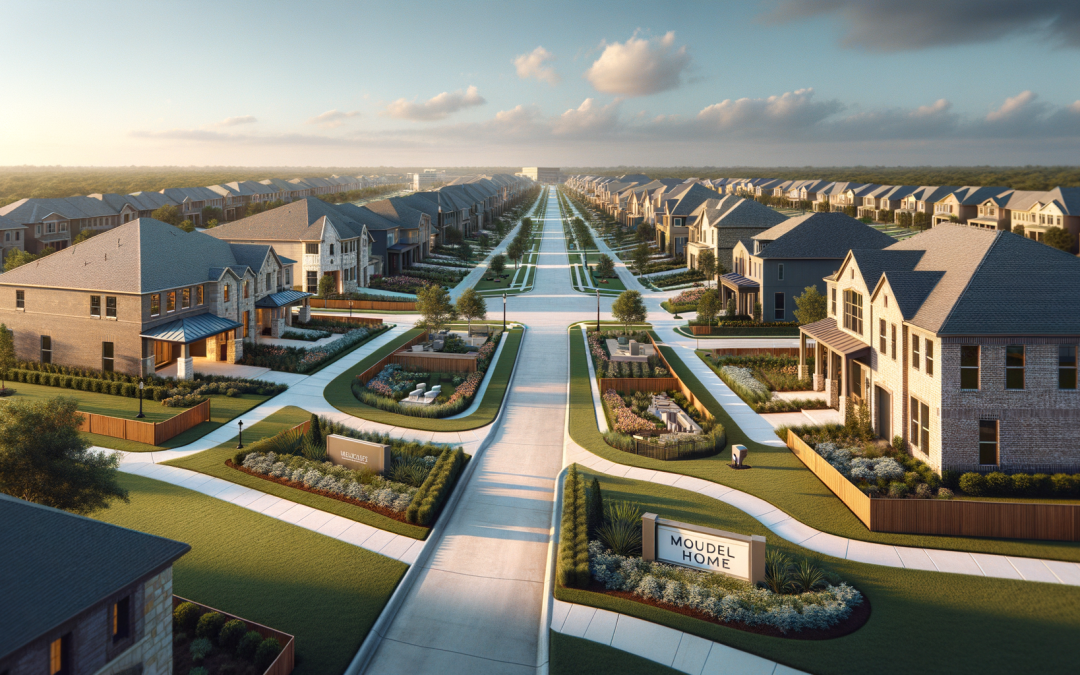
The Future of New Construction in Texas: What Buyers Can Expect in 2026
Texas has long been a magnet for new residents, job growth, and relocation buyers—and that momentum continues to shape the outlook for new build homes in Texas. As we look toward Texas real estate market 2026 conditions, buyers are asking practical questions: Will prices come down? Will builders keep offering incentives? Which metro areas will have the best selection? And how do you decide between a brand-new home and a resale?
This guide breaks down what to expect for Texas new construction homes 2026, including buyer demand, Texas housing inventory 2026, pricing trends, and the most common Texas home builder incentives 2026 (including the popular Texas builder rate buy down). You’ll also find a clear checklist of what to look for when buying new construction in Texas, plus a straightforward new construction vs resale Texas comparison.
Texas Housing Trends 2026: The Big Picture for New Construction
When people talk about Texas housing trends 2026, the key story is balance. Many Texas markets have shifted away from the frenzied, low-inventory environment of earlier years. New construction is playing a bigger role in that shift—especially in fast-growing suburbs where builders can add supply faster than established neighborhoods can.
For 2026, expect a market that feels more “normal” than the peak years: buyers are more payment-sensitive, builders are more flexible, and inventory is healthier in many areas. That doesn’t automatically mean homes are cheap or that prices will fall everywhere—it means negotiation and options are more likely than they were at the height of the cycle.
What’s driving demand for new build homes in Texas?
- Migration and job growth: Continued corporate investment and in-migration support baseline housing demand in major metros.
- Affordability math: Buyers often shop monthly payment first. If builders can reduce the payment via incentives, new construction becomes more competitive.
- Design and energy expectations: Many buyers prefer newer layouts, higher ceilings, dedicated home office space, and energy-efficient features that are harder to find in older resale stock.
- Inventory choice: In several suburbs, new communities represent a large share of available listings, giving buyers more floor plans and move-in timelines.
What could slow demand?
- Interest-rate sensitivity: If mortgage rates remain elevated, shoppers may pause or downshift in price.
- Insurance and taxes: Property taxes are a major factor in Texas, and homeowners insurance costs can be volatile—both affect affordability even when base prices stabilize.
- Commute and infrastructure: Some far-suburban growth can strain roads, schools, and utilities. Savvy buyers weigh lifestyle and resale value, not just price per square foot.
Texas Housing Inventory 2026: Supply, Starts, and What It Means for Buyers
Texas housing inventory 2026 is likely to remain uneven by region. In practical terms, that means some metro areas and price points will feel well-supplied (especially entry-level and mid-range new builds in the suburbs), while others—like close-in neighborhoods with limited land—may still feel tight.
New construction inventory typically shows up in two ways:
- To-be-built homes: You choose a lot and a plan, then wait through construction.
- Spec or “inventory” homes: Homes that are already under construction or completed. These are often where incentives and faster move-in options appear.
Why new construction inventory matters in 2026
More builder inventory generally creates:
- More negotiating room: Especially on move-in-ready homes where builders want to reduce standing inventory.
- More incentive offers: Rate buydowns, closing cost credits, and design upgrades are often used to help homes sell without cutting base price.
- More realistic timelines: In a more balanced market, buyers can compare communities, schools, and commute patterns rather than rushing.
Pricing Trends for Texas New Construction Homes 2026
Pricing for Texas new construction homes 2026 will likely be shaped by three forces: interest rates (and the monthly payment they produce), construction costs, and local competition between builders and resale listings.
Rather than focusing only on “price up” or “price down,” many buyers will experience pricing through:
- Base price adjustments: Some communities may reduce base prices, especially if competing nearby builders do the same.
- Incentive-heavy pricing: Builders may hold the sticker price but offer significant credits or rate buydowns.
- Lot premiums and upgrade packages: The final cost often comes from lot size/location and option selections, not just the advertised base price.
What to watch: “All-in” pricing
In 2026, smart shoppers focus on the true monthly payment and total cash needed at closing. Two homes with identical base prices can have very different affordability depending on:
- Property tax rate and projected escrow payment
- Homeowners insurance quote and wind/hail considerations
- HOA dues and community assessments
- Builder incentives tied to using a preferred lender
- Upgrade selections and change orders
Texas Home Builder Incentives 2026: What’s Most Common (and How to Compare)
Texas home builder incentives 2026 are expected to remain a major part of the new construction landscape, especially in competitive suburban corridors. Builders tend to use incentives to protect neighborhood pricing and appraisals while still making the deal attractive to payment-focused buyers.
Common incentives buyers may see in 2026
- Closing cost credits: Builder pays a portion of title fees, lender fees, or prepaid items when buyers use the preferred lender and title company.
- Design center or upgrade allowances: Credits toward flooring, countertops, appliances, or blinds.
- Price reductions on inventory homes: Especially on completed or near-complete homes.
- HOA or appliance packages: Sometimes offered as “move-in ready” bundles.
Texas builder rate buy down: how it works (step-by-step)
A Texas builder rate buy down is one of the most powerful tools for affordability because it targets the monthly payment. Here’s the simple version of how it typically works:
- Step 1: Builder offers a credit that can be used to reduce the interest rate for a period of time (temporary buydown) or for the life of the loan (permanent buydown), depending on program options.
- Step 2: Buyer applies with the builder’s preferred lender to access the advertised incentive terms.
- Step 3: Lender shows the rate/payment scenario with and without the buydown so you can compare savings.
- Step 4: Buyer reviews the full deal, including the home price, any lender fees, and whether the incentive changes other terms.
- Step 5: Buyer locks the rate according to the lender’s lock policy and the home’s completion timeline.
How to compare incentives (green flags and red flags)
Green flags:
- Clear written breakdown showing how the incentive is applied (closing costs vs. rate buydown vs. upgrades)
- Loan estimate comparisons from at least one outside lender and the preferred lender
- Reasonable timelines for completion and rate lock options
Red flags:
- Incentives that sound large but come with inflated lender fees or less competitive pricing
- Vague “starting at” payment ads without taxes/insurance/HOA included
- Pressure to waive inspections or skip contract review
Regional Outlook: Where New Construction Is Heading in 2026
Texas is not one market—it’s many. The experience of shopping new build homes in Texas depends heavily on the metro area and suburb. Below is a practical outlook for the biggest new construction hubs buyers ask about.
DFW new construction: choices, competition, and payment-focused deals
DFW new construction is likely to remain one of the most active scenes in the country thanks to land availability, strong job growth, and deep builder presence. In 2026, buyers should expect:
- Strong inventory in outer-ring suburbs and master-planned communities
- Frequent incentives on inventory homes, especially during slower seasonal periods
- Wide variation in property tax rates between cities and counties—an important payment driver
In DFW, it’s common to compare multiple communities in the same day. Buyers often get the best leverage when they’re flexible on floor plan colors/finishes and can consider a home that’s already under construction.
Houston new construction communities: master plans and insurance awareness
Houston new construction communities continue to expand across several corridors, giving buyers a broad range of price points and lifestyle amenities. For 2026, watch for:
- More move-in-ready options and builder promotions when standing inventory rises
- Strong emphasis on community amenities (pools, trails, recreation centers)
- Increased attention to flood risk, drainage, and insurance costs in location decisions
For Houston-area buyers, it’s wise to ask direct questions about drainage design, elevation, and prior flooding in the broader area. New doesn’t automatically mean risk-free.
Austin new builds 2026: selective growth and value comparisons
Austin new builds 2026 may feel more selective than other metros because land constraints and entitlement processes can limit where large-scale building happens. Still, new construction remains a meaningful option, particularly in suburban areas where builders can deliver more attainable price points than close-in resales.
- Expect buyers to compare new construction deals directly with resale price reductions
- Incentives may be targeted—larger on inventory homes, lighter on high-demand plans/lots
- Commute patterns and school zoning will remain major decision points
San Antonio new construction homes: steady demand and family-friendly communities
San Antonio new construction homes often appeal to buyers looking for value, newer infrastructure, and family-friendly neighborhoods. In 2026, you can expect:
- Strong community development on the metro’s growth edges
- Continued incentives, especially when multiple builders compete nearby
- A focus on affordability and payments—tax rates and insurance quotes matter here, too
Best Texas Suburbs for New Construction: What “Best” Really Means in 2026
Searches for the best Texas suburbs for new construction tend to assume there’s one perfect list. In reality, “best” depends on budget, commute, schools, and how you value community amenities versus a larger lot or mature neighborhood trees.
In 2026, the strongest new construction suburbs often share a few traits:
- Multiple builders competing (more leverage for buyers)
- Strong school and infrastructure planning
- Retail and services nearby so the area feels livable, not just “new”
- Stable resale demand so future flexibility is better if you move
How to evaluate a suburb or community (quick checklist)
- Drive the commute at the times you’ll actually travel
- Check property tax rates by address (not just by city name)
- Ask about planned road expansions and school capacity
- Review HOA rules for parking, rentals, and exterior changes
- Look at nearby phases: future construction can mean noise and trucks for years
Buying New Construction in Texas: A Step-by-Step Roadmap for 2026
Buying new construction in Texas is different from buying a resale, mainly because the builder’s contract and timeline are designed to protect the builder. The good news: when you know the steps, the process is straightforward and often less stressful than competing for a resale listing.
Step 1: Get fully pre-approved (not just pre-qualified)
Because builders may tie incentives to financing, start with a solid pre-approval and then compare it to the builder’s preferred lender offer.
- Green flag: Your lender explains payment scenarios including taxes, insurance, and HOA.
- Common mistake: Shopping based only on rate, then getting surprised by fees or escrow changes.
Step 2: Bring representation early
If you plan to use an agent, bring them on the first visit to the model home and make sure they’re listed on the guest card. Many builders have rules that limit representation if the buyer visits unaccompanied first.
Step 3: Compare “all-in” costs across communities
Ask each builder for a written worksheet that includes:
- Base price and lot premium (if any)
- Estimated upgrades and design selections
- Closing cost credits and rate buydown details
- HOA dues and any special assessments
- Estimated property taxes (and whether the community is in a MUD/PID where applicable)
Step 4: Review the builder contract carefully
Builder contracts often differ from the Texas resale forms buyers may be used to. Pay attention to:
- Construction completion timelines and extension language
- Deposit structure and refundability
- How change orders are priced and when they’re due
- Warranty coverage details and exclusions
Step 5: Schedule inspections (yes, even for new homes)
A new home can still have issues—think grading, drainage, HVAC performance, or missed details in installation. A smart approach is:
- Pre-drywall inspection: Checks framing, plumbing, electrical, and mechanical rough-ins before walls go up.
- Final inspection: Identifies incomplete items and safety concerns before closing.
- 11-month warranty inspection: Catches items to repair while the builder warranty is still active.
Red flag: Any pressure to skip inspections or accept “it’s new, you don’t need that.”
Step 6: Do a thorough final walk-through and confirm punch-list items
Before closing, walk the home with the builder and document:
- Touch-up paint, drywall repairs, and trim gaps
- Appliance installation and function checks
- Water heater, HVAC, and thermostat operation
- Grading away from the foundation and drainage paths
New Construction vs Resale Texas: A Practical Comparison for 2026
The new construction vs resale Texas decision often comes down to priorities: timeline, condition, negotiation style, and location. Here’s a clear side-by-side view.
Buying new construction (pros and cons)
- Pros: Modern layouts, energy efficiency, builder warranties, less immediate maintenance, and potential incentives like closing cost credits or a Texas builder rate buy down.
- Cons: Builder contracts favor the builder, upgrades add up quickly, landscaping/fencing may be extra, and communities may be under construction for years.
Buying resale (pros and cons)
- Pros: Established neighborhoods, mature trees, closer-in locations, and often more transparent pricing on “what you see is what you get.”
- Cons: Potential for deferred maintenance, older systems (roof/HVAC), fewer incentives, and more competition in highly desirable areas with limited supply.
Which is likely to be the better value in 2026?
In many Texas suburbs, new construction may look like the better monthly-payment value when incentives are strong. In close-in areas, resale may still win on location and long-term desirability. The best approach is to compare both using the same framework: total monthly payment, cash to close, and expected maintenance over the next 3–5 years.
What Buyers Should Look For in a New Build in 2026
Beyond incentives and shiny finishes, quality and livability are what matter most. Here’s what to prioritize when shopping Texas new construction homes 2026.
Construction quality and warranty clarity
- Ask what the warranty covers (workmanship, systems, structural) and for how long
- Find out the process for submitting warranty claims and typical response times
- Review the builder’s reputation locally (service after closing matters)
Lot, drainage, and long-term function
- Look for positive drainage away from the foundation
- Understand easements, retaining walls, and any shared drainage features
- Check backyard usability and sun exposure (important in Texas heat)
Energy efficiency and comfort
- Insulation levels, window quality, and HVAC sizing affect comfort and bills
- Ask about ventilation and humidity control (especially in humid regions)
- Confirm whether smart thermostats or efficiency features are standard or upgrades
Community costs: taxes, HOA, and insurance
Texas affordability often hinges on the monthly escrow payment, not just the sales price. Request realistic estimates early and compare homes by total monthly cost.
Seasonal Patterns in Texas: When Buyers May Find the Best Builder Deals
Texas has fairly consistent seasonal rhythms. While every community is different, incentives often get more aggressive when traffic slows or when builders are trying to hit quarterly or year-end goals.
- Late summer into early fall: Family moves taper after the school-year start, sometimes increasing negotiating room.
- End of year: Some builders push hard to close inventory homes before year-end reporting periods.
- Early spring: More buyers return to the market, and the best lots/plans can go quickly.
In 2026, if Texas housing inventory 2026 remains healthy in your area, timing matters a bit less than it used to—because selection can stay decent beyond the traditional “spring rush.”
What to Expect in the Texas Real Estate Market 2026: Scenarios, Not Guarantees
No one can promise exactly where rates, prices, or inventory will land. But buyers can prepare for likely scenarios in the Texas real estate market 2026:
- Scenario A: Rates ease modestly: Demand could pick up, reducing negotiating leverage on the most popular floor plans and locations.
- Scenario B: Rates stay elevated: Incentives and buydowns remain a key tool, and buyers who shop carefully may find solid payment-focused deals.
- Scenario C: Local supply surges in certain suburbs: Builders may compete more aggressively on inventory homes, creating opportunities for buyers who can move quickly.
Across scenarios, the most consistent advantage comes from preparation: strong pre-approval, clear monthly budget, and a willingness to compare communities on total costs—not just base price.
Bottom Line: How Buyers Can Win with New Construction in 2026
The future of Texas new construction homes 2026 looks buyer-friendly compared to the peak frenzy years, especially in suburban markets with multiple builders and higher supply. Incentives—particularly Texas home builder incentives 2026 like closing cost credits and the Texas builder rate buy down—are likely to stay central to affordability.
If you’re considering buying new construction in Texas, focus on three things: the all-in monthly payment, the builder’s quality and warranty process, and the long-term livability of the location. Compare new builds with resale options using the same math, and you’ll be able to make a confident choice—whether you’re shopping DFW new construction, exploring Houston new construction communities, touring Austin new builds 2026, or narrowing down San Antonio new construction homes.

by Micaela Gonzalez | Dec 8, 2025 | News Feed
Texas Waterfront and Lakefront Properties: Demand Trends in 2026
Why waterfront demand matters in Texas in 2026
In a state where summer heat is a fact of life and outdoor living is a year-round priority, the draw of a shoreline view, a private dock, or quick access to boating and fishing remains powerful. In 2026, demand for waterfront homes isn’t just about status—it’s also about lifestyle, short-term “escape” potential, and long-term value in desirable school zones and master-planned lake communities.
This article breaks down what’s driving Texas waterfront homes 2026 demand, where buyers are focusing, and how pricing and inventory are shifting across key lake regions. We’ll also cover practical, Texas-specific guidance—what to check before you buy, what can derail a deal, and how to think about a waterfront purchase whether it’s a primary residence, a getaway, or one of the lakefront investment properties Texas buyers are increasingly considering.
Big-picture market context: the lakefront real estate market Texas buyers are navigating
The broader Texas housing market in 2026 is characterized by more normal seasonality than the “anything goes” years earlier in the decade. Most metro areas continue to see spring and early-summer activity peaks, with a second bump in early fall. Interest rates, insurance costs, and property taxes remain top-of-mind, and buyers are generally more selective—especially on condition, location, and monthly carrying costs.
Within that backdrop, the lakefront real estate market Texas segment continues to behave differently than typical suburban housing because supply is structurally limited. You can build more houses, but you can’t build more shoreline in the right spots. That scarcity keeps premium properties resilient, even when the wider market cools.
What “demand” looks like in 2026
When we talk about Texas lakefront property demand in 2026, it’s showing up in several ways:
- Faster decisions on well-located properties: Homes with usable shoreline, good water access, and updated systems still move quickly compared with the broader market.
- Stronger negotiation on drawbacks: Shallow water, shared docks, deferred maintenance, or major insurance/HOA constraints tend to invite price negotiations.
- Higher standards for “turnkey”: Buyers paying a premium increasingly expect updated roofs, HVAC, windows, docks, and erosion control.
Why waterfront and lakefront properties remain popular in 2026
Texas buyers aren’t just shopping for a view—they’re buying into a way of life. In 2026, the lifestyle appeal is closely tied to comfort, recreation, and flexibility.
1) Lifestyle and “resort-style” daily living
The pull of Texas resort-style living is especially strong around the Hill Country and the Piney Woods. Features like outdoor kitchens, shaded patios, pools, boat slips, and community amenities (marinas, trails, clubhouses) have become central to the value proposition. Many homeowners want a place that feels like a weekend getaway even on a Tuesday.
2) Second-home demand and the weekend radius
The Texas second-home market remains a major driver in 2026. Buyers often focus on a two- to three-hour drive from major job centers like Austin, Houston, Dallas–Fort Worth, and San Antonio. That’s why lakes with easy highway access—paired with strong dining, medical access, and reliable internet—continue to outperform more remote areas.
This trend overlaps heavily with Texas vacation homes 2026, as buyers look for properties that can serve multiple purposes: family retreat, future retirement home, and (where allowed) occasional rental.
3) Outdoor recreation communities keep growing
Lakes in Texas often function as year-round “activity hubs” rather than seasonal destinations. Many communities emphasize kayaking, paddleboarding, wake sports, hiking, and golf nearby. These Texas water recreation communities tend to attract buyers who value an active social environment, not just solitude.
4) Luxury demand is steady—even when rates fluctuate
High-end waterfront remains its own category. Texas luxury lake homes are typically less rate-sensitive because buyers often bring larger down payments, have equity from prior homes, or pay cash. In 2026, luxury buyers still prioritize privacy, protected views, quality construction, and strong indoor-outdoor design—while also scrutinizing insurance and maintenance costs more carefully than before.
Waterfront property trends Texas buyers are seeing in 2026
Across major lake markets, several patterns are showing up repeatedly in 2026.
Inventory: improving in some pockets, tight in premium shoreline
Overall inventory is generally healthier than in the most competitive periods earlier in the decade, but “good” waterfront listings remain limited. In practice, 2026 inventory depends heavily on the definition of waterfront:
- True waterfront with a dock and dependable access is still scarce.
- Water-view or limited-access properties (across a road, HOA-controlled access, seasonal water) are more available and more negotiable.
- Fixer waterfront can sit longer, mainly due to renovation costs, contractor timelines, and insurance considerations.
Pricing: more segmented than ever
Pricing in 2026 is less “one size fits all.” Instead, it’s highly segmented based on shoreline quality, water depth, restrictions, and the home’s condition. In many areas, sellers can still command a premium for:
- Protected coves with calmer water and better dock placement
- Long views and west-facing sunsets (with heat-mitigation design)
- Updated major systems (roof, HVAC, septic where applicable)
- Modern layouts designed for entertaining and multigenerational stays
Meanwhile, homes with erosion issues, aging bulkheads, outdated interiors, or uncertain water access may need price adjustments to meet the market.
Seasonal dynamics: spring listings, summer urgency, fall negotiations
Texas lake markets often follow a predictable rhythm. Sellers tend to list in spring to capture peak showing season. Buyers shopping close to summer may feel urgency to lock in a place for boating season, while late summer and early fall can create more negotiating leverage—especially for properties that missed the prime window. Winter activity varies by lake but is generally slower, with serious buyers focusing on value and inspection results.
Best lakes to buy a home in Texas: where buyers are focusing in 2026
When readers ask about the best lakes to buy a home in Texas, the right answer depends on budget, commute tolerance, water recreation priorities, and whether the home is a primary residence or a getaway. Here are the regions attracting notable attention in 2026.
Lake Travis real estate 2026: the marquee market near Austin
Lake Travis real estate 2026 continues to draw high-income primary residents and second-home buyers who want proximity to Austin’s job base, airport access, and Hill Country amenities. Waterfront inventory is limited, and pricing often reflects both the lake lifestyle and the broader desirability of the Austin metro.
Key buyer considerations on Lake Travis:
- Shoreline characteristics and access: Some homes have significant stairs or distance to the water—important for daily usability.
- Dock rights and permits: Confirm what conveys, what must be permitted, and what the HOA or local authority requires.
- Micro-location matters: Protected coves can offer different experiences than open-water frontage.
Lake Conroe homes for sale trends: Houston’s favorite lake lifestyle
Lake Conroe homes for sale trends in 2026 reflect steady interest from Houston-area buyers seeking a weekend escape or a full-time move with a water-centric lifestyle. Communities around Montgomery and Willis remain popular for their mix of gated neighborhoods, golf, marinas, and dining.
What’s shaping the market:
- Strong demand for “move-in ready” homes with updated kitchens, outdoor living, and functional dock setups.
- More scrutiny of HOA rules around boats, rentals, and exterior changes.
- Insurance and storm readiness are increasingly part of buyer decision-making.
Canyon Lake housing market: Hill Country value with San Antonio access
The Canyon Lake housing market remains a standout for buyers who want Hill Country scenery and relatively accessible pricing compared with some luxury-heavy lakes. Its location between San Antonio and Austin supports both primary and second-home demand.
What buyers like in 2026:
- Outdoor recreation culture with boating, hiking, and nearby rivers
- Neighborhood variety from established communities to newer builds
- “Lock-and-leave” potential for some buyers, depending on HOA and property setup
What to watch:
- Septic and well considerations in certain areas
- Short-term rental restrictions can vary by neighborhood and local rules
North Texas and East Texas lakes: second-home strength and family recreation
While the Hill Country gets a lot of headlines, North Texas and East Texas lake markets continue to attract families and second-home buyers who want weekend access from Dallas–Fort Worth and surrounding areas. These regions often appeal to buyers who prioritize fishing, quieter settings, and larger lots.
In 2026, demand tends to concentrate around:
- Full-time livability: reliable services, medical access, and internet
- Community infrastructure: marinas, boat ramps, and maintained roads
- Property type variety: from modest cabins to high-end lake estates
Pricing, inventory, and negotiation: what’s changed recently
From a practical standpoint, the biggest shift in 2026 is that buyers feel more empowered to negotiate—just not on the best properties. Sellers can still achieve strong outcomes when they price correctly and present a well-maintained waterfront home.
Where buyers still pay a premium
- True waterfront with a functional dock and straightforward access
- Updated homes that minimize immediate repairs
- Homes in strong communities with clear HOA rules and good upkeep
- Properties with good “lake usability” (space for guests, parking, storage for water toys)
Where buyers negotiate hardest
- Deferred maintenance: old roofs, aged HVAC, rotting decks, outdated electrical panels
- Erosion and shoreline issues: failing bulkheads, unstable slopes, runoff damage
- Unclear waterfront rights: access disputes, dock questions, easements
- High fixed costs: insurance premiums, HOA dues, or tax burdens that stretch affordability
Texas real estate forecast 2026: scenarios for waterfront and lakefront homes
The Texas real estate forecast 2026 for waterfront properties is best described as “stable-to-selectively-strong,” depending on location and property quality. Here are reasonable scenarios many local professionals are watching:
- Base-case scenario: Steady demand for well-located waterfront; moderate appreciation potential in top neighborhoods; longer market times for homes needing major updates.
- Upside scenario: Improved affordability or stronger household formation pushes more buyers into second-home purchases, boosting competition for entry-level waterfront and mid-market lake homes.
- Downside scenario: If carrying costs rise (insurance, taxes, maintenance) or economic uncertainty grows, discretionary second-home demand could soften, especially for properties with weaker rental viability or high ongoing costs.
In all scenarios, scarcity of premium shoreline helps support values over time—particularly for homes with dependable access, good build quality, and strong community infrastructure.
What buyers should know before purchasing a waterfront home in Texas
Waterfront buying is rewarding, but it’s not the same as buying in a typical subdivision. Here’s a step-by-step guide to help you avoid common surprises.
Step 1: Clarify how you’ll use the home
Start with lifestyle priorities. Will this be a primary residence, a weekend place, or part of your plan for Texas vacation homes 2026? Your answer affects the right lake, the right neighborhood, and the right property type.
- Green flag: You can describe your “ideal weekend” at the property and match it to the lake’s vibe.
- Red flag: Buying for a single purpose (like rentals) without confirming rules, seasonality, and carrying costs.
Step 2: Understand waterfront type and access
Not all “waterfront” listings are equal. In the waterfront property trends Texas buyers follow, the biggest value differences often come down to access:
- True lakefront: Direct access to the shoreline from your property.
- Water view: You see the lake, but you may not have direct access.
- Community access: The neighborhood provides a ramp or marina, but your lot isn’t on the water.
Ask for clarity early, and confirm boundaries through surveys and title work.
Step 3: Get pre-approved with waterfront costs in mind
Pre-approval is more than a purchase price. For waterfront homes, buyers should budget for:
- Insurance: premiums can vary widely by location, construction, and claim history
- Taxes and HOA: some lake communities have higher dues for amenities and security
- Maintenance: docks, bulkheads, decks, and exterior materials face more wear
A smart move in 2026 is to have your lender estimate a payment using realistic insurance and tax figures, not just a generic placeholder.
Step 4: Make inspections waterfront-specific
A standard home inspection is necessary, but waterfront homes benefit from additional eyes. Consider adding:
- Septic inspection (where applicable) and well testing if not on municipal water
- Foundation and drainage evaluation for slope stability and runoff patterns
- Dock inspection for structural integrity, electrical safety, and permitted status
- Shoreline/bulkhead review to identify erosion risk and future repair costs
Green flag: Seller has documentation of dock permits, maintenance history, and recent repairs.
Red flag: Unpermitted electrical work at the dock or obvious shoreline failures without a repair plan.
Step 5: Review restrictions—especially rentals, boats, and exterior changes
Many buyers interested in lakefront investment properties Texas are surprised by how restrictive some communities can be. Before you get too far:
- Confirm HOA and POA rules on short-term rentals, parking, and boat storage.
- Check local ordinances that may affect noise, occupancy, and rental permitting.
- Ask about architectural controls for docks, lifts, fencing, and exterior materials.
Step 6: Negotiate with facts, not feelings
In 2026, strong waterfront homes can still sell quickly, but buyers often have room to negotiate when inspection findings or high carrying costs are documented. Good negotiation targets include:
- Repair credits for safety-related dock electrical, roof life, or drainage issues
- Price adjustments for unaddressed erosion or end-of-life systems
- Seller-paid warranties for major systems (helpful for second-home owners)
What usually doesn’t work: asking for large discounts on a rare, turnkey waterfront home that has multiple interested buyers.
Step 7: Plan for closing and ownership like a long-term operator
Waterfront ownership is closer to “property stewardship” than set-it-and-forget-it housing. Before closing, build a simple annual plan for:
- Exterior maintenance (paint, stain, corrosion control)
- Dock upkeep and safety checks
- Landscape and drainage to reduce erosion and runoff damage
- Pest control (especially in wooded or humid lake environments)
Luxury and second-home insights: what’s driving Texas luxury lake homes in 2026
Luxury lake purchases in 2026 often blend lifestyle and legacy. Buyers may be upgrading from a city home, consolidating family gathering space, or purchasing a property designed for entertaining. Many of today’s Texas luxury lake homes emphasize:
- High-performance building materials suited for heat and humidity
- Large covered outdoor areas to extend living space
- Guest flexibility (bunk rooms, casitas, second kitchens)
- Privacy and views with thoughtful site planning
At the same time, luxury buyers are paying closer attention to operating costs than in prior years. Even at the high end, the monthly “all-in” cost matters—especially for second homes.
Practical checklist: quick questions to ask before you fall in love with a listing
- Is it true waterfront, and do you have direct shoreline access?
- What exactly conveys? Dock, boat lift, kayaks, outdoor furniture, smart-home systems.
- Are there permits for dock work and shoreline structures?
- What are the HOA rules on rentals, boats, and parking?
- What are estimated annual costs? Taxes, insurance, HOA, dock maintenance, landscaping.
- How is the home built for Texas heat? Shade, insulation, HVAC sizing, window orientation.
Bottom line: what Texas waterfront homes 2026 demand is telling us
In 2026, lakefront demand in Texas remains strong where the fundamentals are strong: usable access, good community infrastructure, manageable carrying costs, and homes that are updated enough to enjoy right away. Markets like Lake Travis real estate 2026, Lake Conroe homes for sale trends, and the Canyon Lake housing market highlight how location, convenience, and lifestyle amenities keep buyers engaged—even as the broader market feels more balanced.
For shoppers weighing a move, a weekend place, or a long-term hold, the smartest approach is to match the lake to your lifestyle, verify waterfront rights early, and budget realistically for ownership. Done carefully, a Texas lakefront home can deliver what many buyers want most in 2026: space to breathe, room to gather, and a built-in reason to unplug.

by Micaela Gonzalez | Dec 2, 2025 | News Feed
Why Out-of-State Relocation to Texas Remains Strong in 2026
In 2026, the story of moving to Texas is still front and center for buyers, employers, and local communities. Even after several years of headline-making in-migration, Texas migration patterns continue to favor the Lone Star State—especially for households looking to stretch their budget, shorten commutes, or trade high-cost metros for more space.
For the real estate market, this matters because out-of-state demand influences everything from home prices and inventory to new construction and the growth of suburbs. If you’re planning a move—or you’re a Texas seller wondering where your next buyer may come from—understanding Texas relocation trends 2026 can help you make more confident decisions.
Texas Relocation Trends 2026: What’s Driving the Momentum?
Texas population growth remains supported by a combination of domestic migration (people relocating from other states) and job creation across several major regions. In practical terms, that means many Texas markets continue to see steady interest from out-of-state homebuyers Texas—including first-time buyers, move-up households, and retirees.
While every move is personal, the “big reasons” show up repeatedly in relocation conversations: affordability, career opportunity, tax advantages, and lifestyle. Here’s a closer look at why people are moving to Texas in 2026—and how those motivations intersect with the Texas real estate market 2026.
1) Affordable Texas Housing (Compared to Many Coastal Markets)
One of the most consistent answers to why people are moving to Texas is cost. Even with higher mortgage rates than the ultra-low era, many buyers still find affordable Texas housing when they compare it to pricing in parts of California, the Northeast, and the Pacific Northwest.
Why affordability still resonates in 2026
- More home for the money: Buyers often gain square footage, a yard, or a newer build compared to what the same budget buys in pricier states.
- New construction options: Texas continues to add housing through new communities, which can create alternatives when resale inventory is tight.
- Relative value in suburbs and mid-sized cities: Buyers willing to live outside core urban areas often find the best blend of price, schools, and commute options.
Important reality check: “Affordable” doesn’t mean “cheap everywhere.” Many Texas neighborhoods have appreciated significantly over the past several years, and property taxes can be substantial. Still, for many relocating households, the overall cost-to-space ratio remains compelling—especially when paired with job income.
2) Texas Job Growth and Diverse Career Hubs
Texas job growth is another pillar supporting ongoing relocation. Major metros such as Dallas–Fort Worth, Houston, Austin, and San Antonio continue to draw corporate expansions and new residents, while mid-sized cities benefit from spillover growth and local development.
What out-of-state buyers often look for
- Stable employment sectors: Energy, healthcare, manufacturing, logistics, education, and technology all contribute to a diversified job base in many regions.
- Hybrid and remote work flexibility: Some movers choose Texas for lifestyle and housing, keeping an out-of-state employer while enjoying a lower cost structure.
- Business-friendly environment: Many relocating professionals cite the state’s pro-growth reputation as a factor in long-term career confidence.
This employment backdrop supports household formation and homebuying demand, which is why Texas relocation trends 2026 remain closely tied to the strength of local labor markets.
3) Tax Advantages: A Key Piece of the Budget Puzzle
Taxes aren’t the only factor, but they are a major reason many households consider relocating—especially higher-income earners and retirees. Texas has no state income tax, and that is often a deciding point for people comparing multiple destinations.
How tax differences show up in real life
- Paycheck planning: Some households can redirect “state tax savings” toward housing, savings, or childcare.
- Retirement budgeting: Retirees may find Texas favorable for predictable budgeting, especially if they’re leaving a high-tax state.
- Business owners and investors: Entrepreneurs often consider Texas when evaluating long-term operating costs and personal tax planning.
One important nuance for newcomers: while there’s no state income tax, Texas often carries higher property tax burdens than many states. The best approach is to compare the full monthly picture—mortgage, taxes, insurance, utilities, commuting, and lifestyle costs—before deciding what’s “more affordable.”
4) Texas Lifestyle Benefits: Space, Amenities, and Year-Round Activity
Beyond dollars and jobs, Texas lifestyle benefits continue to attract people who want more space and a different pace—without giving up modern amenities. For many households, the “daily life upgrade” is a big driver of moving to Texas in 2026.
What buyers say they want
- Room to live: Larger homes, bigger lots, and newer neighborhoods with community amenities.
- Outdoor living: Parks, trails, lakes, and weekend road trips across diverse regions—from Hill Country to the Gulf Coast.
- Food and culture: Texas metros offer major-league dining scenes and strong local identities.
- Family-focused neighborhoods: Many relocators prioritize schools, kid-friendly amenities, and shorter commutes.
Seasonal note: Texas summers are hot, and newcomers are wise to consider energy costs, shade/landscaping, and HVAC age when house hunting. Those practical choices can materially affect comfort and monthly expenses.
5) Growth in Texas Suburbs 2026: The “Next Ring” Keeps Expanding
A defining feature of Texas suburbs 2026 is how many relocating households choose suburban communities for value, schools, and newer housing stock. Suburban growth is also fueled by new road projects, employer campuses, and master-planned communities that offer amenities like pools, trails, and recreation centers.
Why suburbs remain relocation magnets
- More inventory choices: Suburbs often have a higher share of new construction, giving buyers more floorplans and move-in-ready options.
- Commute tradeoffs: Many buyers accept a longer commute to gain a larger home and neighborhood amenities.
- Community design: Parks, sidewalks, and neighborhood events are common draws for families and newcomers.
For buyers, the key is to evaluate the full cost of suburban living: property taxes (including MUD/PID or other local assessments where applicable), homeowners association fees, and commuting costs. These line items can change what “affordable” really means.
6) Mid-Sized Cities Step into the Spotlight
Alongside big-metro moves, more buyers are also exploring mid-sized markets when searching for the best cities in Texas to relocate. Many of these areas combine job access, quality-of-life perks, and comparatively attainable price points.
What makes mid-sized Texas markets appealing
- Less congestion: Some buyers prefer fewer traffic bottlenecks and a shorter “errand time” lifestyle.
- Strong local economies: Medical centers, universities, military bases, ports, and manufacturing hubs can provide stability.
- Neighborhood variety: Buyers can often choose between historic areas, newer subdivisions, and semi-rural properties.
Because local conditions vary widely, relocation buyers should focus less on hype and more on fundamentals: employment diversity, new-home pipeline, school options, and long-term infrastructure investment.
Relocating From California to Texas: Why It’s Still Common in 2026
Relocating from California to Texas remains a familiar path for households seeking a different cost structure and lifestyle. The most common themes include housing value, tax planning, and the ability to buy a home that better fits long-term needs—like an extra bedroom for remote work or multigenerational living.
Common motivations for California-to-Texas movers
- Home buying power: Many buyers find they can transition from renting or condo living to a single-family home.
- Business and career mobility: Some relocations follow employer moves, expansions, or a desire to launch a company.
- Space-driven lifestyle goals: A yard, a garage, and proximity to growing job corridors frequently top the list.
Practical tip: California buyers should be ready for Texas-specific transaction details, including property tax planning, insurance considerations, and neighborhood-by-neighborhood differences in deed restrictions or HOA rules.
Relocating From New York to Texas: A Different Set of Priorities
Relocating from New York to Texas often comes down to a mix of affordability, job opportunity, and lifestyle change. Buyers leaving dense urban areas frequently prioritize space, parking, and proximity to airports—especially if they travel for work or want easier visits back to family.
What New York-to-Texas movers commonly notice
- Space and privacy: Single-family living is more attainable in many Texas markets.
- Car-centric planning: Commutes, toll roads, and school drop-offs can reshape how buyers evaluate location.
- Property taxes and insurance: Monthly housing costs can shift from rent-heavy to tax-and-insurance heavy, so budgeting matters.
Green flag: Buyers who spend time learning local commute patterns and school boundaries typically feel more satisfied with their final neighborhood choice.
How Out-of-State Homebuyers Texas Can Succeed: A Simple Step-by-Step Game Plan
Relocation buyers often face a faster timeline, less local knowledge, and more pressure to “get it right.” Here’s a straightforward process that works well in the Texas real estate market 2026.
Step 1: Get a Texas-savvy pre-approval
- Ask your lender for a fully underwritten pre-approval when possible, not just a quick pre-qualification.
- Confirm how property taxes and insurance affect your monthly payment estimate.
Step 2: Choose target areas based on commute and daily life
- Map your must-haves: office location, airport access, schools, healthcare, and weekend routines.
- Compare neighborhoods, not just cities—micro-markets in Texas can vary dramatically.
Step 3: Decide between resale and new construction
- Resale pros: Mature trees, established neighborhoods, and potentially larger lots.
- Resale cons: More maintenance unknowns and older systems.
- New-build pros: Modern layouts, energy efficiency, and builder warranties.
- New-build cons: HOA rules, smaller lots, and timelines that can slip.
Step 4: Don’t shortcut inspections
- General inspection is a baseline; consider sewer scope, foundation evaluation, and HVAC review when appropriate.
- In many Texas areas, soil movement and drainage patterns matter—pay close attention to grading and water flow.
Step 5: Negotiate with local norms in mind
- Ask your agent what concessions are common in your target area—rate buydowns, repair credits, or closing cost help can vary by submarket.
- Be realistic about competition: some pockets move fast, while others offer more leverage.
Step 6: Plan for closing logistics early
- Budget for escrow, title, and prepaid items.
- If you’re buying from out of state, coordinate remote signing options and verify closing timelines with your title company.
Red Flags and Green Flags in 2026 Relocation Shopping
Red flags to watch
- Payment shock: Falling in love with a home before understanding taxes, insurance, and HOA/MUD fees.
- Rushed neighborhood choice: Picking a suburb without test-driving the commute at peak hours.
- Skipping due diligence: Waiving inspections or ignoring drainage/foundation concerns to “win” the deal.
Green flags to look for
- Transparent cost breakdown: A lender or agent who shows realistic monthly payments with taxes and insurance.
- Comparable-based pricing: Homes that are supported by recent neighborhood sales, not just list-price momentum.
- Well-maintained systems: Roof age, HVAC service history, and drainage improvements that reduce surprise expenses.
Texas Housing Forecast: What to Expect as Relocation Continues
Any Texas housing forecast for 2026 should be treated as a range of scenarios, not a promise. In general, when Texas population growth remains positive and Texas job growth continues, housing demand tends to stay resilient—even if affordability pressures ebb and flow with mortgage rates and inventory levels.
Reasonable 2026 scenarios to keep in mind
- Steady demand in job-rich corridors: Areas with strong employment and new infrastructure may keep attracting relocators.
- More normal seasonality: Spring and early summer often bring the most listings and competition; late summer into winter can offer more negotiating room.
- Submarket divergence: Some neighborhoods may cool while others stay competitive based on schools, commute routes, and new-home supply.
The most useful takeaway for buyers and sellers is local: the Texas real estate market 2026 is not one market. Austin behaves differently than Houston, and suburban micro-markets can differ street by street. That’s why working with local comps, local tax estimates, and local inspection priorities matters.
Bottom Line: Why People Are Moving to Texas in 2026
In 2026, the fundamentals behind Texas relocation trends 2026 remain intact: relative affordability, broad job opportunity, tax advantages, and lifestyle upgrades—plus ongoing growth in suburbs and mid-sized cities. Whether you’re relocating from California to Texas, relocating from New York to Texas, or arriving from anywhere else, the best outcomes come from pairing excitement with a clear plan, realistic monthly budgeting, and careful neighborhood selection.
If you’re evaluating the best cities in Texas to relocate, start with your daily-life priorities and work outward—commute, schools, budget, and housing type. With the right prep, out-of-state buyers can navigate Texas migration patterns confidently and land in a home that fits both today and the years ahead.

by Micaela Gonzalez | Nov 26, 2025 | News Feed
The Rise of Suburban Living in Texas: What’s Driving the Shift in 2026
Across the Texas real estate market 2026, one storyline keeps showing up in listing data, builder activity, and buyer conversations: more Texans are choosing suburban addresses over major-city cores. From first-time buyers stretching their budgets to move-up households seeking space, suburban living in Texas is shaping where demand is strongest and which communities are adding the most new rooftops.
This shift matters because it influences pricing, commute patterns, school enrollment, infrastructure planning, and even what kind of homes get built. If you’re buying, selling, or simply tracking Texas housing trends, understanding what’s driving Texas suburban growth can help you set realistic expectations and make smarter decisions in 2026.
Texas Real Estate Market 2026: The Big Picture Behind the Suburban Shift
The Texas real estate market 2026 is best described as “rebalancing”—not a single, uniform story statewide. Some neighborhoods are still competitive, while others are seeing more normalized conditions compared with the peak frenzy of the early 2020s. In many metros, the mix of elevated home prices (relative to pre-2020 levels), selective buyer demand, and continued job growth has pushed more shoppers to look outward.
Three broad indicators explain why suburbs are winning attention:
- Affordability gaps between central neighborhoods and suburban ZIP codes remain meaningful for many households.
- Inventory and new construction are more available on the edges of metros, where land and zoning allow growth.
- Preference shifts toward space, flexibility, and community amenities continue to favor suburban products.
These factors don’t mean downtown living is disappearing. Instead, Texas homebuyer demand is spreading across metro rings—often prioritizing value, commute flexibility, and quality-of-life features that suburban communities can deliver.
Affordability: Why “More House for the Money” Still Wins in 2026
Ask buyers why they’re moving to Texas suburbs, and the answer often starts with monthly payment math. Even when interest rates fluctuate, the price-per-square-foot difference between urban cores and nearby suburbs can be substantial. That gap is a major driver of the search for affordable homes in Texas 2026.
What affordability looks like in real life
In many Texas metros, buyers comparing a smaller home (or condo) closer to the city versus a larger home in a suburb frequently find that suburban options:
- Offer a newer build or updated systems (roof, HVAC, plumbing), lowering surprise maintenance costs.
- Provide more square footage for similar payments.
- Include a yard, garage, and home office space—features that can be expensive to replicate in urban neighborhoods.
Hidden costs to factor in (suburbs vs. city)
Suburban affordability isn’t just about the list price. Smart buyers compare the full monthly “carrying cost,” including:
- Property taxes: Texas has no state income tax, and local property taxes can be significant. Rates vary by county, city, and special districts.
- HOA fees: Many master-planned communities have HOAs that support amenities but add monthly costs.
- Insurance: Premiums vary based on home age, materials, and regional risks. Newer homes can sometimes be less expensive to insure, but it’s not guaranteed.
- Transportation: Longer commutes can mean higher fuel and vehicle costs.
A common mistake in 2026 is assuming a “cheaper” suburban home automatically fits the budget. A good lender and a good agent will help you compare apples-to-apples using a realistic monthly payment estimate.
Lifestyle Preferences: Space, Schools, and Everyday Convenience
Beyond affordability, Texas housing trends in 2026 show buyers prioritizing how a home supports their daily routines. Suburbs are meeting that demand with floor plans, community design, and amenities that align with today’s lifestyles.
More space and flexible floor plans
Hybrid work hasn’t vanished, even as many employers increase in-office time. Buyers still want:
- A dedicated home office (or at least a flex room).
- Separate living areas for multi-generational households.
- Storage and garages that support Texas lifestyles (sports gear, tools, outdoor equipment).
Schools and family-focused amenities
School quality and stability remain key for many households. While every district has nuance, the suburban model—larger developments feeding into growing school systems—continues to attract families who want parks, trails, and kid-friendly amenities nearby.
Green flags buyers mention frequently in strong suburban neighborhoods include well-maintained common areas, active community associations, and easy access to shopping and medical care.
Safety perceptions and “quieter living”
For some, suburban living in Texas offers peace of mind: less congestion, lower noise, and a neighborhood feel that’s harder to replicate in dense urban corridors. This is especially true in master-planned communities designed around walkable pockets, community events, and shared amenities.
Texas Migration Trends: Who’s Moving, and Why Suburbs Fit the Moment
Texas migration trends continue to influence housing demand. Even as the pace of relocation can vary year to year, Texas remains a magnet for job seekers, business expansion, and households looking for a different cost-of-living equation.
Suburbs often become the landing spot for newcomers because they provide:
- More predictable home options, including Texas new construction homes with modern layouts.
- Access to major job hubs without paying the highest central-city price points.
- Neighborhoods that feel “move-in ready” for people unfamiliar with local micro-markets.
In 2026, it’s common to see suburban communities competing not only with nearby city neighborhoods, but also with other Texas metros. A buyer relocating for work may compare suburbs across Dallas–Fort Worth, Austin, Houston, and San Antonio before choosing a home.
New Construction and Master-Planned Communities: A Major Engine of Texas Suburban Growth
Texas suburban growth is closely tied to construction. Land availability at the metro edges makes it easier for builders to deliver the kinds of homes buyers want—often at price points that would be difficult to achieve closer to downtown.
Why buyers are choosing Texas new construction homes
Texas new construction homes can be attractive in 2026 for a few practical reasons:
- Modern systems and energy efficiency that can help with comfort and potentially lower utility usage.
- Builder incentives that may help with closing costs or rate buydowns (terms vary widely).
- Customization options in early build stages (floor plan, finishes, upgrades).
Pros and cons of new construction in the suburbs
- Pros: predictable maintenance early on, modern layouts, community amenities, potential incentives.
- Cons: HOA rules, smaller lots in some communities, construction noise, and timelines that can shift due to supply or labor.
A common red flag: buyers skipping inspections on a new build. Even brand-new homes should be inspected—ideally once before drywall and again before closing—so any issues can be addressed while the builder is still responsible.
Regional Spotlights: Where Suburban Demand Is Growing Fastest
The Texas suburban real estate market isn’t one-size-fits-all. Here’s how the suburban shift shows up in the state’s biggest metro areas, along with examples of communities frequently associated with growth and new housing supply.
Austin suburbs real estate: Growth beyond the core
Austin suburbs real estate continues to draw buyers priced out of close-in neighborhoods or looking for more space. Popular growth corridors often include:
- Round Rock and Pflugerville: established suburban infrastructure with access to major employers.
- Leander and Cedar Park: strong demand for newer housing, commuter options, and suburban amenities.
- Georgetown: a mix of master-planned communities and established neighborhoods, often appealing to families and retirees.
- Dripping Springs and Kyle/Buda: Hill Country lifestyle and south corridor growth, with varying price points.
What buyers should watch: commute realism on I-35 and key arterials, plus property tax differences between counties and MUD/PIO districts in newer developments.
Dallas–Fort Worth suburban housing: A broad map of options
Dallas–Fort Worth suburban housing remains one of the clearest examples of suburban expansion at scale. The Metroplex offers a wide range of suburban submarkets—some more established, others rapidly adding rooftops.
- Frisco, Prosper, and Celina: strong school-driven demand and significant new construction activity.
- McKinney and Allen: a blend of mature neighborhoods and newer developments with strong resale activity.
- Forney, Fate, and Rockwall (east): affordability-driven demand and growing inventory.
- North Fort Worth, Haslet, and Argyle (northwest): newer communities and access to major employment corridors.
In the Metroplex, a green flag is matching your commute to the right ring road access (Dallas North Tollway, SH-121, I-35, I-30). A common mistake is buying “farther out” for price, then underestimating time costs.
Houston suburban communities: Space, master plans, and multiple job nodes
Houston suburban communities benefit from a multi-node job landscape (Energy Corridor, The Woodlands area, the Medical Center region, and more). That job distribution makes suburban living workable for many households.
- Katy: known for master-planned neighborhoods, schools, and strong retail corridors.
- Cypress: large inventory and a wide price spectrum of suburban options.
- Sugar Land and Missouri City: established suburbs with amenities and access to southwest employment centers.
- The Woodlands and Spring: suburban lifestyle with major employers nearby and a strong community identity.
Houston-area buyers should pay close attention to flood risk, drainage, and insurance quotes. A key green flag is a thorough review of the property’s disclosures and flood history, along with appropriate inspections.
San Antonio and Central Texas suburbs: Value and steady growth
San Antonio’s suburban market remains attractive for buyers seeking relative value compared to some other large metros, with growth in areas such as:
- Schertz, Cibolo, and Selma: northeast corridor growth with suburban convenience.
- New Braunfels: positioned between San Antonio and Austin, appealing to commuters and lifestyle buyers.
- Boerne: Hill Country appeal and higher-end suburban options.
As always, “best” depends on budget, work locations, and lifestyle goals—so treat these as starting points when exploring the best Texas suburbs to buy a home.
Seasonal Patterns in 2026: When Suburban Markets Heat Up
Seasonality still matters in Texas. While every metro has its quirks, many suburban areas follow a familiar rhythm:
- Spring to early summer: typically the busiest period for listings and buyer activity, especially for families planning around the school calendar.
- Late summer: activity can remain strong, but buyers may become more price-sensitive as inventory builds.
- Fall: fewer listings, often more serious buyers; negotiation can be more balanced.
- Winter: lighter volume overall, but motivated sellers and occasional builder incentives can create opportunities.
In 2026, many buyers also time their search around new construction releases. Builders may open new phases in waves, so staying in touch with local inventory updates can matter as much as the season.
What Buyers Should Know: A Simple Step-by-Step Game Plan
Suburban shopping can feel easier because there’s more inventory, but the process still rewards preparation. Here’s a straightforward approach that fits today’s Texas homebuyer demand environment.
Step 1: Get pre-approved (not just pre-qualified)
A pre-approval is a lender’s deeper review of your finances and is more persuasive to sellers than a casual estimate. It also helps you shop confidently among affordable homes in Texas 2026 without guessing your ceiling.
- Green flag: a lender who explains rate options, points, and closing costs in plain language.
- Red flag: shopping solely by “maximum approval amount” without discussing monthly comfort.
Step 2: Compare neighborhoods by total monthly cost
When deciding among the best Texas suburbs to buy a home, ask for a side-by-side estimate that includes taxes, HOA, and insurance. In Texas, these line items can change the “best deal” quickly.
Step 3: Decide resale vs. new construction early
Resale homes may offer mature landscaping and established commute patterns. New construction may offer modern layouts and incentives. Your agent can help you evaluate trade-offs in the Texas suburban real estate market.
Step 4: Inspect thoroughly (yes, even new builds)
Schedule a professional inspection for resale, and consider phase inspections for new construction. Also consider specialized inspections when appropriate (foundation, sewer scope, roof), especially in older suburban neighborhoods.
Step 5: Negotiate with local context
Negotiation in 2026 often centers on:
- Price adjustments based on comparable sales and days on market
- Seller concessions for closing costs or rate buydowns
- Repair credits after inspection
A common mistake is focusing only on headline price while ignoring concessions that could improve your monthly payment or reduce cash needed at closing.
What Sellers Should Know: How to Win Suburban Buyers in 2026
If you’re selling in a suburb, today’s buyers are typically more analytical than they were during peak bidding-war years. To stand out:
Price to the neighborhood, not the news
Buyers are watching price reductions and recent comparable sales closely. A well-priced home in the suburbs can still move quickly, while an overpriced listing may sit and require multiple reductions.
Fix the “inspection magnets” before listing
- HVAC servicing and clean filters
- Roof condition and visible leaks
- Foundation-related cracks or sticking doors (get a professional opinion)
- Plumbing leaks and water heater age
Green flags for buyers include clear maintenance records and a home that feels cared for. In many suburban markets, that translates into better offers and smoother negotiations.
Texas Real Estate Forecast 2026: What to Expect (Scenarios, Not Guarantees)
The Texas real estate forecast 2026 depends on the usual big levers: mortgage rates, job growth, consumer confidence, and how much inventory comes to market (especially new construction). Rather than predicting a single outcome, here are reasonable scenarios buyers and sellers are planning around:
- Base case: steady demand in well-located suburbs, with more balanced negotiations where inventory is higher.
- Upside scenario: if borrowing costs ease, more buyers re-enter the market, and competitive pockets in top school zones tighten again.
- Downside scenario: if affordability pressures increase or local job growth slows, price growth may flatten and days on market may rise, especially in areas with heavy new construction supply.
What seems most consistent in 2026 is that the suburbs remain central to Texas housing activity. Whether you’re buying a first home, upsizing, or relocating, understanding suburban dynamics helps you navigate the market with fewer surprises.
Bottom Line: Why Suburban Living Is Rising in Texas in 2026
The rise of suburban living in Texas is being driven by a clear mix of affordability math, lifestyle priorities, and continued suburban building. Add in ongoing Texas migration trends and flexible work patterns, and it’s easy to see why buyers are widening their search beyond city centers.
If you’re considering moving to Texas suburbs, focus on total monthly cost, commute reality, and long-term neighborhood fit. If you’re selling, pricing and presentation matter more than ever. Either way, the suburban story is one of the defining Texas housing trends shaping the year ahead.

by Micaela Gonzalez | Oct 24, 2025 | News Feed
Beyond the Hype: 5 Core Tech Trends Real Estate Agents Can’t Ignore by 2026
By 2026, technology stops being a nice-to-have and becomes the deciding factor between agents who win listings and agents who watch them go elsewhere. The reason is simple: consumer expectations are rising, transaction timelines are tightening, and investors and iBuyers-like models continue to pressure margins. In Texas markets especially—where growth, new construction, and relocation demand collide with higher insurance costs, shifting interest rates, and variable inventory—agents need tools that create speed, clarity, and trust.
This isn’t about chasing shiny gadgets. The most important PropTech Trends are the ones that directly improve lead conversion, client experience, pricing accuracy, risk management, and deal certainty. Below are five trends that will define AI in Real Estate 2026 and reshape the Future of Real Estate Agent—with clear definitions, real-world impacts, and practical steps you can take now.
1) Agentic AI: From “Assistant” to Autonomous Execution
The Technology
Agentic AI refers to AI systems that don’t just generate content or answer questions—they can plan multi-step tasks and carry them out across tools. Think of it as an “operator” that can follow a goal (like “prepare a listing launch”) and execute steps: drafting copy, selecting photo priorities, scheduling posts, queuing email campaigns, building a showing schedule, and prompting you for approvals along the way.
The Impact
Agentic workflows shift your day from reactive busywork to proactive deal strategy. In practice, this trend will:
- Reduce time spent on repetitive tasks like follow-ups, scheduling, and first-draft marketing content.
- Standardize your operations so every listing and buyer journey gets a consistent, high-quality experience.
- Improve responsiveness—critical in fast-moving Texas submarkets where the best homes still go quickly when priced right.
The agents who benefit most won’t be the ones who “use AI sometimes.” They’ll be the ones who build repeatable systems: intake, nurturing, listing prep, showing coordination, and post-contract checklists—powered by Agentic AI with human approvals at key risk points.
The Actionable Step
Start building an “AI-ready” operating playbook.
- Write down your repeatable processes: new lead intake, buyer consult, listing consult, weekly seller updates, offer strategy, option-period coordination, and closing timeline.
- Turn each process into a checklist with decision points (what triggers a call, what requires a client approval, what requires broker/legal review).
- Choose one workflow to automate first—like lead follow-up within five minutes—and measure results (response rate, appointment set rate, time saved).
2) Predictive Analytics: Pricing, Prospecting, and Timing with Data
The Technology
Predictive Analytics for Agents uses historical and real-time data to forecast likely outcomes—such as which homeowners may list soon, which leads are most likely to convert, which price bands are most competitive, or how long a property may take to sell under certain conditions. These tools typically combine MLS trends, search behavior, CRM activity, demographic movement, and local economic signals.
The Impact
Texas is a “neighborhood-by-neighborhood” market. Austin’s cycle can look different from San Antonio’s, and even within DFW or Houston, one ZIP code may be tightening while another is softening. Predictive analytics helps you:
- Price more confidently by spotting micro-trends in days on market, price reductions, and absorption.
- Prospect more efficiently by focusing on households showing likely move signals (life stage changes, equity position, tenure length, listing patterns).
- Advise buyers on timing and leverage—especially during seasonal shifts (spring surge, summer family moves, fall normalization, and winter slowdowns).
The biggest shift: you stop relying on “gut feel” as your primary tool. Your conversations become evidence-led, which builds trust—particularly with analytical clients relocating to Texas for work.
The Actionable Step
Build a “weekly market intelligence” routine and make it client-facing.
- Pick 3–5 key indicators you’ll track weekly for your core areas: new listings, pending sales, median days on market, list-to-sale ratio, and price reductions.
- Create a simple one-page update for clients and your database (what changed, why it matters, what to do next).
- Use your CRM to score leads based on engagement and timing signals, then prioritize your outreach list every Monday.
3) Virtual Reality Home Tours: Immersive Showings That Shorten the Path to “Yes”
The Technology
Virtual Reality Home Tours are immersive, 3D experiences—often built from 3D scans or high-resolution 360 media—that allow a buyer to “walk” a property remotely. Unlike basic video walkthroughs, VR tours provide spatial understanding: room flow, scale, and layout relationships. They can be viewed on a phone, desktop, or with a headset for full immersion.
The Impact
VR tours are no longer just a luxury marketing add-on. They’re becoming a filtering and conversion tool—especially in Texas, where:
- Relocation buyers often need to narrow choices before flying in.
- Large metro areas create long drive times between showings.
- New construction and master-planned communities compete heavily on presentation and convenience.
For listing agents, VR tours can reduce unqualified showings and improve the quality of buyer interest. For buyer’s agents, VR tools help you run “pre-showing strategy sessions” so in-person tours are more focused—and more likely to result in an offer.
The Actionable Step
Create a “VR-first” listing and buyer workflow.
- For listings above your market’s median price point (or any home with unique layout), package a 3D tour as a standard service—not an upsell.
- For buyers, require a VR shortlist step: 8 homes in VR becomes 4 in-person showings, followed by 1–2 top contenders.
- Pair VR with strong disclosure discipline: highlight known property constraints clearly so the immersive experience builds trust rather than disappointment.
4) Blockchain: Higher-Trust, Lower-Friction Transactions
The Technology
Blockchain Real Estate Transactions use distributed ledger technology to create tamper-resistant records of ownership, transfer events, identity verification, and—in some emerging use cases—automated execution of contract steps via smart contracts. The key idea isn’t hype; it’s auditability and integrity: fewer discrepancies, clearer provenance, and more secure data sharing.
The Impact
Most Texas transactions today still involve multiple systems, manual checks, and document re-uploads. That leaves room for delays and errors, particularly around identity verification, wire fraud prevention, and document version control. As blockchain-backed tools mature, agents can expect:
- More secure identity and authorization flows, reducing fraud risk at closing.
- Cleaner audit trails for transaction documents and key milestones.
- Potentially faster verification steps (where adopted by title/settlement partners and platforms).
This won’t replace Texas title companies overnight. But it will influence how earnest money, disclosures, and settlement documentation are tracked and validated. The agents who understand the basics will be better positioned to reassure clients, coordinate smoother closings, and avoid preventable errors.
The Actionable Step
Upgrade your transaction security and documentation standards now.
- Implement a wire fraud prevention script: verify wiring instructions by phone using known numbers, and repeat the protocol with every client.
- Use a transaction management system with strong permission controls and clear version histories.
- Ask your title partners what they’re adopting around digital identity, tamper-evident records, and secure document exchange—and align your process accordingly.
5) Automated Compliance and Risk Tools: Fewer Mistakes, Cleaner Deals
The Technology
Automated compliance tools use rules-based systems and AI-powered document review to catch missing fields, inconsistent dates, incomplete addenda, and timeline risks. In practice, these platforms function like a transaction “spell-check” for contracts, disclosures, and workflow steps—flagging issues before they become costly problems.
The Impact
Texas contracts move fast, and the option period is unforgiving if deadlines are missed. Small mistakes can create big consequences: delayed financing, renegotiations, or unhappy clients. Compliance automation helps agents:
- Reduce preventable contract errors and missing documentation.
- Track timelines more reliably (option period, financing approval, appraisal, HOA docs, survey, insurance, and closing).
- Provide clearer communication to clients—especially first-time buyers—about what happens next and when.
As consumer expectations climb toward “Amazon-level” transparency, the agents who deliver a clean, predictable process will stand out. This is one of the most underrated PropTech Trends because it isn’t flashy—but it directly protects your reputation.
The Actionable Step
Standardize your contract-to-close checklist and integrate it into every deal.
- Create a master timeline template for Texas transactions (contract date, option end, financing milestones, HOA delivery, survey review, appraisal, repair negotiations, final walk-through, closing).
- Adopt a transaction platform that can auto-remind clients and vendors, and that flags missing items before submission.
- Run a “pre-submission audit” on every offer: client names, property address, legal description, addenda, special provisions, deadlines, and proof of funds or pre-approval.
What This Means for the Future of the Real Estate Agent
The direction is clear: by AI in Real Estate 2026, consumers will have more access to information, faster ways to tour homes, and more automated transaction pathways. That doesn’t reduce your value—it changes it.
Your role shifts from being an information gatekeeper to being a Strategic Advisor and Negotiator. Technology will handle more of the “what” and “when.” You will win on the “why,” the “how,” and the “what-if”:
- Strategic pricing informed by micro-market data, not headlines.
- Negotiation leverage built from clean process, strong timelines, and risk-aware terms.
- Client confidence earned through clarity, responsiveness, and mistake-free execution.
The agents who thrive won’t be the ones who chase every app. They’ll be the ones who operationalize these five trends—Agentic AI, Predictive Analytics for Agents, Virtual Reality Home Tours, Blockchain Real Estate Transactions, and compliance automation—into a tighter, safer, faster client experience. That is the competitive necessity of 2026.
