
by Latham Jenkins | Jun 27, 2025 | Industry, News Feed
 Since the NAR commission suit settlement, buyer agents have faced new rules, new documents and a new normal. This month, Inman drills down on Today’s Buyers Agent with the fresh marketing strategies, skills and tools buyer agents are using to prosper in changing times.
Selling real estate — especially high-end, luxury real estate — demands more than just showcasing a beautiful home; it requires an unforgettable storytelling narrative. I have mastered the art of transforming property showings into immersive, lifestyle-driven experiences that have captivated some of my wealthiest buyers.
TAKE THE INMAN INTEL INDEX SURVEY FOR JUNE
But storytelling isn’t just for luxury sales; it’s a strategy any agent can use to create stronger, more compelling sales experiences.
Curate an experience, not just a tour
Luxury buyers aren’t just purchasing a home; they’re investing in a lifestyle. Instead of a standard walk-through, put together moments that highlight the unique qualities of the property. For example, I’ve set up a cocktail bar in the wilderness during a sunset showing, allowing potential buyers to witness a stunning display of wildlife, which helped me craft an emotional connection to the land.
Tip: Identify a property’s most compelling features — sunset views, cozy fireplaces, a spacious backyard — and structure your showing to highlight those aspects. For a starter home, consider staging an inviting breakfast nook or a special room or outdoor space that highlights the property.
Master the art of storytelling
There’s a story behind every property. As an agent, you must take the time to understand, articulate, and even do your own research on the history, features, and places surrounding the environment that will add value to the potential buyer beyond the square footage and amenities. Wealthy buyers often have an appreciation for heritage, exclusivity, and uniqueness.
Tip: Research a property’s past and its surrounding area. Highlight elements that make it one-of-a-kind, whether it’s historical significance, architectural craftsmanship, or a rare natural setting. Share stories about the neighborhood’s history, or even local shops or places that will help potential buyers envision their lives beyond just the four walls of a house.

Timing is everything
In my experience, luxury showings must align with nature, weather, and the season. A property might have breathtaking views at sunset, but those same views could be underwhelming on a cloudy day. I’ve carefully planned showings around the property’s most picturesque moments, from watching elk bugle at dusk to snowmobiling into a winter retreat.
Tip: Scout the property at different times of day and seasons to determine the best viewing experience. Consider sunrise for dramatic lighting, fall for vibrant foliage, or winter for cozy, fireside settings. For an open house, plan showings during the best natural light hours—typically mid-morning or golden hour in the evening. If a property shines in the spring, showcase it then, rather than in the dead of winter when the yard looks dull.

Transform showings into exclusive adventures
For high-net-worth buyers, exclusivity is superior. A showing should feel like an invitation into a world few have access to. I have taken buyers on snowmobile rides to remote properties, arranged fireside chats with ranch managers and even rowed clients across rivers to reach secluded estates.
Tip: Consider what unique activities can be incorporated into the showing. Could it be a private chef-prepared meal on the property? A horseback ride to a scenic overlook? The goal is to immerse buyers in the lifestyle they’d experience if they owned the property.
You don’t need a private ranch to create an experience. Consider hosting a neighborhood walking tour for potential buyers, providing a guide to local amenities, or setting up a coffee bar at your next open house.
Be prepared for the unexpected
Flexibility is key, especially with luxury showings. I’ve encountered unexpected challenges — from avalanche-blocked paths to unpredictable wildlife — but by being an expert in my area and having experience in crafting different solutions, I’ve ensured those kinds of experiences remain seamless and positive for my clients.
Tip: Have contingency plans for weather, transportation, and logistics. Luxury buyers expect perfection, so be able to pivot quickly. If a storm rolls in during a showing, have an umbrella ready. If a buyer is concerned about traffic noise, schedule their visit at a quieter time of day. Being prepared for small details builds trust with your clients.
Balance marketing with authenticity
At the core of luxury real estate sales is authenticity. Buyers at this level can recognize sales tactics instantly, so the experience must feel genuine rather than contrived. I always focus on allowing clients to naturally experience a property rather than delivering a hard sell. I’ve stopped trying to just get the sale and put emphasis on the storytelling.
Tip: Whether you’re selling a $20 million estate or a $250,000 starter home, let buyers explore freely. Offer insights and highlight key features, but don’t overwhelm them with sales pitches. Ask them questions about their lifestyle and help them see how the home fits into their future.
Selling high-end, luxury real estate is more than transactions—it’s about creating unforgettable moments that allow buyers to envision their lives in the property. By curating experiences, mastering storytelling, and delivering exclusivity, agents can elevate their approach and resonate with their clientele.
For real estate professionals at any level, the key is simple: Don’t just sell houses. Sell experiences. Whether you’re working with first-time homebuyers or seasoned investors, storytelling helps build emotional connections, create lasting impressions, and ultimately, close deals.
by Latham Jenkins | Sep 6, 2024 | Industry, News Feed
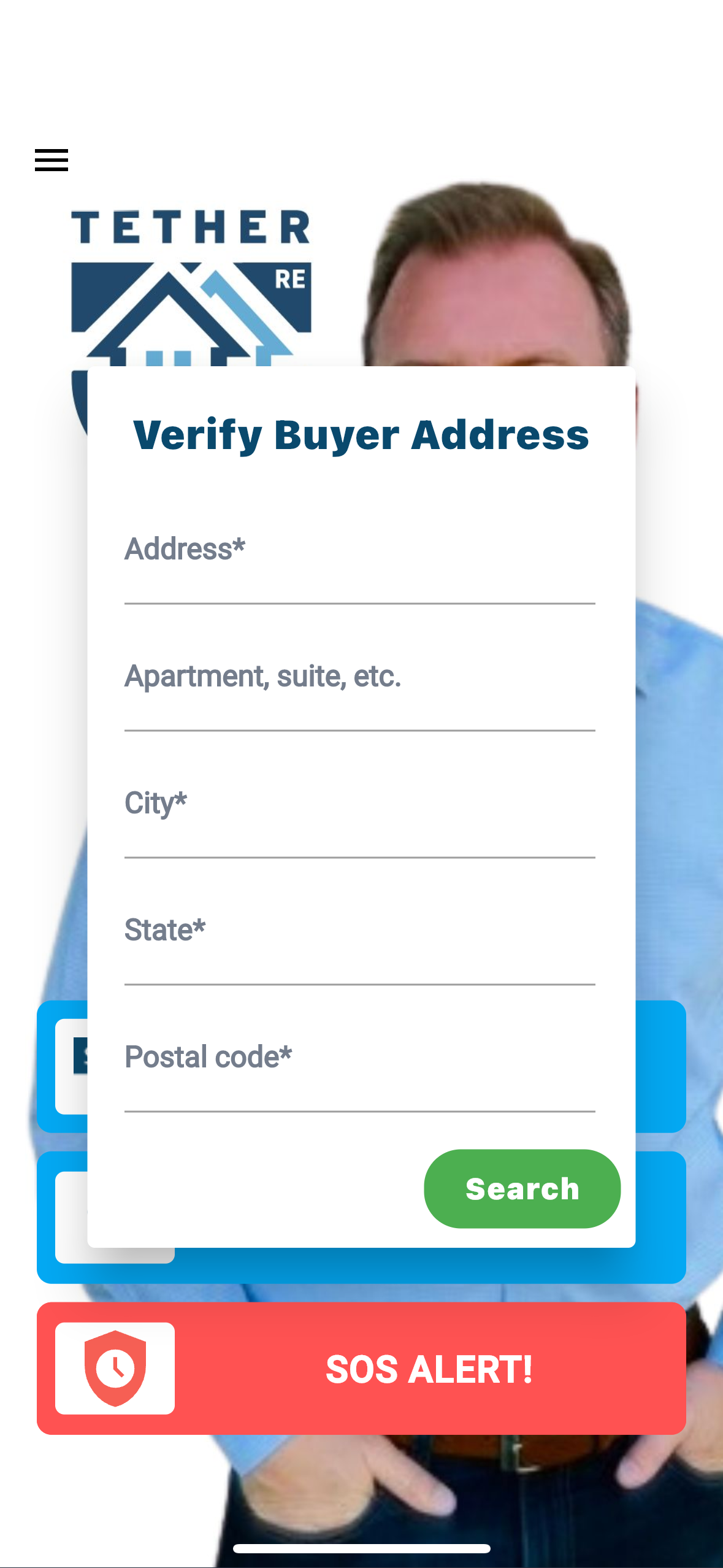
Tether RE is a mobile app for helping real estate agents stay safe conducting showings, open houses and other activities with strangers.
Whether it’s refining your business model, mastering new technologies, or discovering strategies to capitalize on the next market surge, Inman Connect New York will prepare you to take bold steps forward. The Next Chapter is about to begin. Be part of it. Join us and thousands of real estate leaders Jan. 22-24, 2025.
Tether RE is a safety app for agents.
Platforms: Mobile
Ideal for: All agents
Top selling points:
- Redundancy: four lines of defense
- Uses vetted call centers
- Buyer-client authentication
- Struggle detection
Top concerns:
I’m anxious about the app’s developers weighing down the value proposition with ancillary features.
What you should know
Tether RE is another option for mobile phone-based agent safety. It has a number of smart features that are simple to activate, redundant and marry the software with native features of most mobile phones, such as their GPS chips and accelerometers. Its feature set is easy to set up and activate to ensure a user is fumbling around with it before a showing starts.
Tether RE offers four tiers of protection, the first being verification of the person being met at the property.

It can identify pre-paid phones and does a reverse lookup to match the number with the person or business, connect them with any recent market activity to help ensure they’re a true lead and also verify the property’s ownership history. While tax records and other public records access providers can do that, it makes very good sense to have it part of the safety process to avoid skipping what could be a crucial verifier. This can all be done before you ever leave the office.
The second form of protection is a simple panic button that boldly sits ready to go on the phone’s screen. Activating it will alert pre-connected emergency contacts and a 24-hour call center that can dispatch local authorities.
Tether RE also deploys activity timers that require a pin to cancel, with reminders to do so prior to the countdown ending. Should it culminate without the pin, the call center is alerted. There’s also a second type of pin, one that would signal the user is under duress, a sort of clever way to hide from an assailant that you’ve called for help. Nice touch.

The app also integrates with the same onboard features most phones today use to detect any immediate physical action that could be characteristic of a fall or struggle. Should the app think you’ve been hit or suffered sudden impact, it’ll notify the call center.
Another unique component of the software is its ability to “tether” a buyer to an agent when visiting a property without them. This allows a connected agent to physically monitor their client while looking at homes on their own, enabling real-time messaging and feedback, too. This can also be used when buyers are following their agent in their own car during a tour or need to find them later in the day.

Where Tether RE lost a little of my attention — great intentions notwithstanding — is when it tries to emulate more business-critical mobile applications with showing scheduling, mileage and expense tracking, and its Zapier-linked CRM integrations.
I don’t think any agent expects their safety app to also excel at keeping in touch with clients after a showing, so I wasn’t sure why Tether RE didn’t peruse the market on what already exists in this category, such as Lofty’s Closely, Cloze and Follow Up Boss, for starters.
Instead of trying to match what these notable players already do, make those apps onboard Tether RE’s functionality; put the onus of safety on the software companies helping agents get showings. Make safety intrinsic to lead generation.
Why try to dislodge that cornerstone of the market? Instead, use it to anchor your application.
There aren’t too many mobile applications out there to help agents stay safe in the field. The very nature of the industry’s overly competitive, “get business at all costs” structure is largely to blame.
Agents have been victims far too many times in open houses, vacant homes, shady land deals and crumbling apartment buildings. It’s all too easy for bad apples to prey on colleagues, friends and family members, and not nearly enough attention is paid to the risk because, dammit, the commission matters.
Here are some recent stats, and they’re pretty surprising.
If this app isn’t the one for you, then please consider either another piece of technology or some other form of reliable personal protection. The good news is that you already own your best safety device, and it’s always going to tell you the right thing to do, so go with your gut.
If it doesn’t feel right, it isn’t. The commission can wait.
Have a technology product you would like to discuss? Email Craig Rowe
Craig C. Rowe started in commercial real estate at the dawn of the dot-com boom, helping an array of commercial real estate companies fortify their online presence and analyze internal software decisions. He now helps agents and proptechs with technology and partnership decisions and lends his expertise to Inman to review and report on the people and products inciting industry change.
by Latham Jenkins | Sep 4, 2024 | Industry, News Feed
Weekly sessions that will take place on Fireside will provide established and aspiring real estate pros access to Umansky’s mentorship and coaching with a focus on entrepreneurship and sales
Whether it’s refining your business model, mastering new technologies, or discovering strategies to capitalize on the next market surge, Inman Connect New York will prepare you to take bold steps forward. The Next Chapter is about to begin. Be part of it. Join us and thousands of real estate leaders Jan. 22-24, 2025.
The Agency’s Mauricio Umansky is launching a new endeavor on Sept. 16: a live coaching network for real estate professionals called The Mauricio Umansky Network that will be powered by Mark Cuban’s Fireside interactive streaming platform, The Agency announced on Wednesday.
The network will provide established and aspiring real estate professionals access to Umansky’s and his team’s mentorship, coaching and guidance with a focus on real estate, entrepreneurship and sales.
The Umansky Team includes the elder Umansky, and his daughters, Farrah Brittany, Alexia Umansky and Sophia Umansky, as well as agents Andrew Botto, Madison Bufffardi and Leila Mohmed.
“Mauricio Umansky and The Agency are truly unrivaled in luxury real estate and being able to connect with them directly through their new Fireside network is an unmatched opportunity to gain incredible expertise,” Fireside CEO Falon Fatemi said in a statement.
“Mauricio has shared his unparalleled knowledge through his company and on his successful show, Buying Beverly Hills, and we are thrilled to be a part of this first-of-its-kind network to now help Mauricio and his team empower the next generation of real estate and business leaders through interactive coaching.”
Members who subscribe to The Mauricio Umansky Network for a monthly fee of $30 per month (or $20 per month, if billed annually) will gain access to weekly conversations and Q&As on different topics with his team centered around skills for real estate professionals, weekly interactive group coaching sessions, monthly live industry conversations with Umansky and guest speakers, and special giveaways, including tickets to live events or workshops and free products.
The first special guest on the show will be real estate coaching giant Tom Ferry, Umansky told Inman.
The drive to create the network came from Umansky’s desire to help improve the industry, Umansky said.
“I really want to make real estate better as a whole … This is an opportunity for me to give back a little bit to everybody and to help improve the business.”
Although Umansky is a luxury specialist, he said the network will not solely focus on the luxury sector, but will be largely centered around sales techniques, negotiation and how to build a business. In the wake of the NAR settlement and industry changes that have taken effect, Umansky said that coaching is imperative for agents today.
“It’s really going to be geared for me to share my insights and my coaching,” he said. “I think right now, it’s more important than ever. It’s needed, particularly with all the changes that are happening in the real estate industry, and in order to survive, you’re going to have to be an incredible negotiator and know how to deal with different things. So this is a network that gives people opportunity to tune in every week and not only listen to something that I’ll teach on a weekly basis, but then actually interact with me and ask me specific questions.”
Individuals who are interested in learning more about The Mauricio Umansky Network can visit the website at www.maunetwork.com.
Umansky published a memoir/business tutorial book in the spring of 2023 called The Dealmaker: How to Succeed in Business and Life Through Dedication, Determination and Disruption. The book revealed a number of entertaining anecdotes from Umansky’s life, as well as lessons in business that he’s learned along the way.
He also starred in Season 32 of Dancing With the Stars, and was the sixth contestant to be voted out of the competition during the show’s Halloween-themed episode. Umansky’s Netflix real estate reality TV show, Buying Beverly Hills, which features agents from The Agency navigating LA’s luxury market, was recently bypassed for renewal for a third season by the streaming giant.
On top of his media endeavors, the CEO, in partnership with Compass’ Jason Haber, has also been working to build out an alternative to the National Association of Realtors. The group, the American Real Estate Association, launched a membership program last month offering two membership tiers: a $20 membership that lasts through 2025 and a $1,500 “founding membership” that cover dues over the next 10 years.
Get Inman’s Luxury Lens Newsletter delivered right to your inbox. A weekly deep dive into the biggest news in the world of high-end real estate delivered every Friday. Click here to subscribe.
Email Lillian Dickerson
by Latham Jenkins | Sep 3, 2024 | Industry, News Feed
Pre-sale renovation services company Revive has made its artificial intelligence-backed property valuation product, Revive Vision AI, free to all real estate consumers.
Inman Connect is moving from Las Vegas to San Diego in 2025 and it’ll be bigger, better, and bolder than ever before. Join us for Inman Connect San Diego on July 30-Aug. 1, 2025 with the brightest minds in real estate to shape the future of the industry. Reserve your spot today for an exclusive discount.
Presale renovation services company Revive has made its artificial intelligence-backed property valuation product, Revive Vision AI, free to all real estate consumers, Inman has learned exclusively.
The company said in a press release that now anyone can use its dynamic pricing predictor to determine “the maximum potential value of your home if it were updated to be in optimal market-ready condition.”
The company’s own vision is that its product reaches “Zestimate” status within the real estate zeitgeist, referring to Zillow’s free home value estimation tool.
“Making Revive Vision AI available to anyone marks a new era in property valuation, where agents and consumers alike can access real-time, data-driven insights to make informed decisions to maximize the value of a home,” said Dalip Jaggi, co-founder and COO of Revive, in the press release.
Part of Revive Vision is its May 2024-launched Neighborhood Report, which scores each home it finds using an ascending 1 to 5 scale, on which it considers overall interior condition, exterior presentation, bathrooms, kitchen design and finishes, and other core living areas. Each home’s score is then measured against the subject, and a Neighborhood Condition Score is generated on a letter-grade scale, A to F, taking into account overall sales activity, too.
Revive Vision AI initially rolled out a year ago in September 2023.
The company said then that its tool “analyzes property photos to assess a property’s current value and renovation potential, utilizing Revive’s renovation recommendation engine to provide estimates backed by local contractors that maximize listing values.”
Computer vision is a form of AI that provides deep insights by scanning and learning from still images and is rapidly supporting a number of products in the real estate software milieu. It was largely introduced to agents by a Barcelona, Spain-headquartered company called Restb.ai that started analyzing photos for multiple listing services here and abroad and moved into integrating with other third-party software companies, such as Revive.
In an interview with Inman Intel, Restb.ai’s Chief Product Officer Nathan Brannen said that the traditional real estate transaction’s dependence on photography and visual content led the company’s focus.
“If you look at e-commerce, there are a lot of photos, but it’s not as impactful as buying a home,” he told Intel. “There are about a million photos uploaded every day in the U.S. just in MLSs, and then if you look at photos uploaded in property insurance and appraisals, that number multiplies. You’re making the biggest decision of your life on these photos. Someone may buy a home without seeing it, but no one buys a home without seeing a photo of it. They contain so much information.”
Revive can provide consumers with the same sort of tool set typically reserved for licensed agents, such as regional sales activity, comparable homes and granular renovation ROI data to help potential sellers know where to focus on a home and buyers to understand how to position an offer.
Inman reviewed Revive’s solution in 2022, prior to it launching its AI-laced features. The software uses different user views and tools for sellers, agents and contractors.
At that time, renovation plans were assembled by Revive staff who use localized market data and previous projects to arrive at estimates and work with contractors. While it’s possible, Revive isn’t about managing large, multi-month home renovations. These are meant to be smaller in scope, high-quality turnarounds that are proven to maximize return in most cases.
Now, AI can power a lot of its pre-sale, post-renovation valuation features, which may become necessary as more consumers explore the free offering.
“With our AI tool, there are zero humans,” Jaggi told Inman in an email. “The renovation estimate and ARV value/potential is all driven through our Computer Vision tech. But they are still estimates … before Revive does a project we have [a] human sign-off.”
Have a technology product you would like to discuss? Email Craig Rowe
Craig C. Rowe started in commercial real estate at the dawn of the dot-com boom, helping an array of commercial real estate companies fortify their online presence and analyze internal software decisions. He now helps agents with technology decisions and marketing through reviewing software and tech for Inman.
by Latham Jenkins | Aug 22, 2024 | Industry, News Feed
Existing-home sales tallied a 1.3 percent uptick in July following four months of declines, according to NAR data released Thursday. However, market headwinds have kept sales sluggish compared to 2023.
Whether it’s refining your business model, mastering new technologies, or discovering strategies to capitalize on the next market surge, Inman Connect New York will prepare you to take bold steps forward. The Next Chapter is about to begin. Be part of it. Join us and thousands of real estate leaders Jan. 22-24, 2025.
Existing-home sales rose 1.3 percent month over month in July, breaking a four-month streak of monthly declines, according to data released Thursday by the National Association of Realtors.
Transactions for single-family homes, townhomes, condominiums and co-ops reached a seasonally adjusted annual rate of 3.95 million as moderating mortgage rates encouraged more homesellers and buyers to enter the market.
TAKE THE INMAN INTEL INDEX SURVEY FOR AUGUST
Despite the monthly gain, National Association of Realtors Chief Economist Lawrence Yun said the market is still lagging, as evidenced by the 2.5 decline compared to July 2023.

Lawrence Yun
“Despite the modest gain, home sales are still sluggish,” Yun said. “But consumers are definitely seeing more choices, and affordability is improving due to lower interest rates.”
Total housing inventory reached 1.33 million units by the end of July, a 0.8 percent increase from June and a 19.8 percent increase from the previous year. Unsold inventory reached 4.0 months of supply at the current sales pace, down from 4.1 months in June but up from 3.3 months in July 2023.
The inventory boost had little effect on price trends, with annual growth accelerating from 4.1 percent in June to 4.2 percent in July. The median existing-home price for all housing types reached $422,600, with all four U.S. regions posting price gains.
The median existing single-family home price rose 4.2 percent year over year to $428,500 in July, while the median existing condo price rose 2.7 percent year over year to $367,500. Despite the relative affordability of condos, existing condominium and co-op sales are declining (-11.6 percent) at a faster rate than existing single-family sales (-1.4 percent).
“The median home price of condominiums is cheaper, yet the condominium market is underperforming compared to the single-family market,” Yun said. “Rising maintenance and insurance costs have lessened the appeal for condominiums.”

Danielle Hale
Although a softening market has yet to yield sales increases, Realtor.com Chief Economist Danielle Hale said recent economic and housing trends have set the stage for a potentially robust fall homebuying season.
“Mortgage rates have moved in a buyer-friendly direction after playing the foe for much of the peak homebuying season,” she said in an emailed statement. “The rate for a 30-year fixed mortgage topped out at 7.22 percent in early May and remained near 7 percent for the better part of June–when many July homebuyers would have locked in a mortgage rate.”
“Easing inflation helped accelerate the decline in mortgage rates in mid-July and rates currently hover near 15-month lows,” she added. “This is likely to bode well for buyers in the fall–a typically advantageous season for home shoppers. In fact, the updated 2024 Realtor.com Housing Forecast expects mortgage rates to fall to 6.3 percent by the end of the year, which could mean a hotter fall season than is typical.”
Email Marian McPherson



