Five years ago, Timothy C. Acena was living – and sleeping – in his wheelchair behind a busy fast-food restaurant. At night, he’d park himself on a fresh piece of cardboard near the restaurant’s dumpster and clip together a makeshift awning of eight umbrellas to protect him and the five backpacks full of his belongings from the elements.
During the day, he’d sit in front of the restaurant and ask customers to buy him a meal, which they always did, he says. He used the restaurant’s bathrooms and traveled for showers and laundry. All the while, he waited for an affordable apartment to open up.
Today, Acena, 52, has his own bed and a roof over his head. The former construction worker, who lost the ability to walk when he was 40, lives in a studio apartment in West Seattle in a building that provides affordable, stable housing and mental health and addiction treatment services to him and 65 other people who had been sleeping in shelters or out in the cold.
In the building’s lobby, letters cut from beige construction paper hang over the mail slots on the wall, spelling out the season’s message: “Be thankful.” Acena says he lives those words every day. He knows he would probably be dead or still homeless had other people not cared enough to build and manage a place where he could afford to live – and where he could very well spend the rest of his life.
More than a half a million Americans were homeless in 2017, a number that increased for the first time since 2010, according to a one-night count by the U.S. Department of Housing and Urban Development. Experts agree the count doesn’t capture all the people sleeping outside and say the number is likely to be much higher.
In some cities, homelessness has reached crisis levels as the economy continues to expand and people flock to urban areas for jobs, driving up rents that were once affordable for people earning low and middle incomes.
Many people are one emergency away from a missed rent payment. Today, only 52 percent of renters say they would be able to cover an unexpected expense of $1,000 if they had to, according to the Zillow Group Consumer Housing Trends Report 2018. Gen X renters, who are between the ages of 39 and 53, are the most vulnerable: Only 44 percent say they could weather a $1,000 hit to their budget.
In some cities, the share of median income spent on rent exceeds 40 percent, according to Zillow economists, whose research also ties rent increases to moves and even homelessness. In Los Angeles, for instance, a 5 percent increase in rent would add 1,993 people to the ranks of the homeless.
Colin Maloney, project manager for Cottage Grove Commons, the Downtown Emergency Services Center building where Acena lives in West Seattle, said homelessness affects a broad swath of humanity: families, people with advanced degrees, people with mental and physical disabilities, and people with job skills no longer in demand.
Some residents of the Grove apartments grew up in homelessness or bounced through the foster care system only to end up alone when they turned 18. Others, like Acena, have struggled with addictions or remain yoked to criminal records that keep them from jobs and homes. At times, it’s hard to for them to see a path back to home, Maloney says.
But, he adds, “We have to believe that a better future is possible.”
Acena is proof of that. Before he became homeless, he lived in a $60 a night motel room, paid for with a combination of his Social Security disability check and funds from a church youth group. When the group’s subsidy stopped, Acena made a temporary home behind the restaurant rather than return to shelter living.
Acena smiles recalling the day he moved into his current home. He could finally sleep lying down. “It was like somebody took a Tyrannosaurus rex off my shoulders,” he says.
His apartment costs him $215 a month, about 30 percent of his $720 monthly Social Security income. He spends his days there building plastic models, watching TV, indulging in pancakes with peanut butter and staying healthy.
“I don’t think it’s unsolvable,” he says of homelessness. “It’s just difficult. Anything difficult has got to have something good in the end if you go through it.”
This holiday season, you can help these organizations that are working to bring housing security to communities across the country. Their success brings hope to all of us.
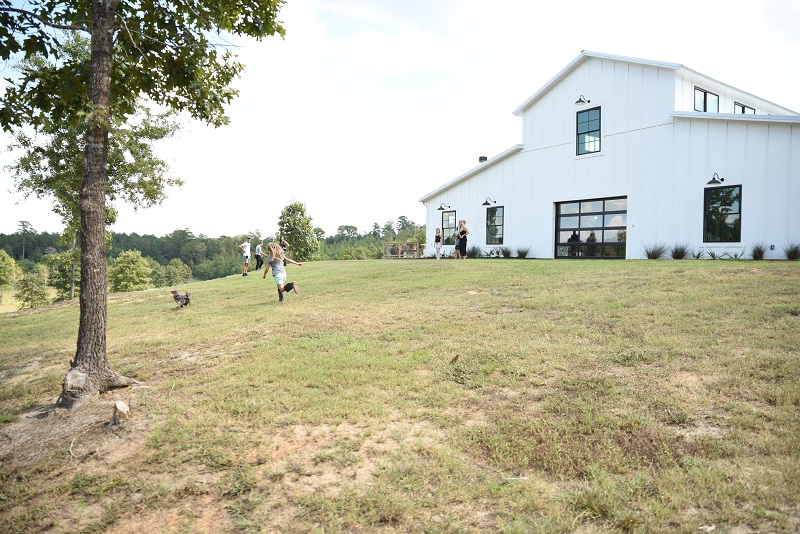
Like many married couples, the Clarks have a lot in common: a last name, a first name (they’re both Kelly) and an affinity for wide-open spaces – which inspired them to build a 10,000-square-foot barn-style home on 30 acres of land in West Monroe, Louisiana.
But let’s back up. Kelly Clark (that’s him) and Kelly Moore-Clark (that’s her) wanted a change of scenery for their family. So when a friend put some land up for sale, they decided to make a move.
“We pretty much bought the property sight unseen because you couldn’t walk through it,” Moore-Clark says, referring to the thicket of overgrown trees and plants that carpeted the ground. “We bought the land and then crossed our fingers that, when we cleared it, we would find a spot to build the home.”
Spoiler alert: They found that spot. The perfect location sat at the back of the property on a hilltop, far from the main road.
They immediately began working with a team of designers to create a plan for their space. The blueprints were beautiful, but something didn’t feel quite right.
“We just couldn’t pull the trigger on it. … It was just a gut feeling,” Moore-Clark says. “I [felt] like whatever [was] supposed to be out here [was] supposed to be special.”
Then, Moore-Clark’s mother had an idea: Why not build a home that looked like a barn?
“I remember [my mom] specifically saying, ‘You could roll the doors up and drive through the house,'” Moore-Clark says.
And that’s when it all clicked. With the help of Moore-Clark’s father, a former army draftsman, they made a new plan, hired a team of subcontractors and watched their home begin to take shape.
“It was a very organic [building] process,” Moore-Clark says. “As the framers started framing it up, we would come into the room, and I would try to envision what our life [would look] like.”
Moore-Clark doesn’t have to use her imagination anymore. Today the couple, their three daughters, a dog, an old pony and 80 free-range chickens roam about the 10,000-square-foot home. And although they spend most of their time in a small fraction of the space, there’s plenty of room to grow. Three main areas, to be exact.
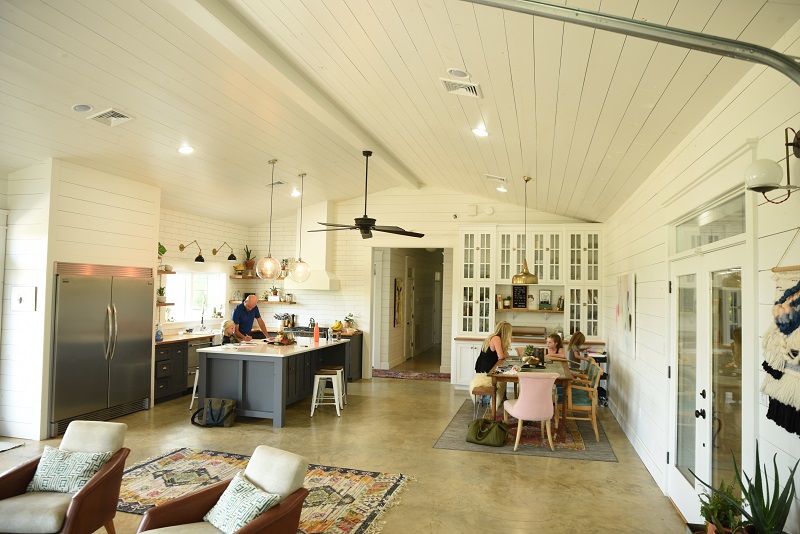
At approximately 2,250 square feet, the east side of the home is where you can usually find the family. This area includes the bedrooms, the living room/kitchen area and the bathroom.
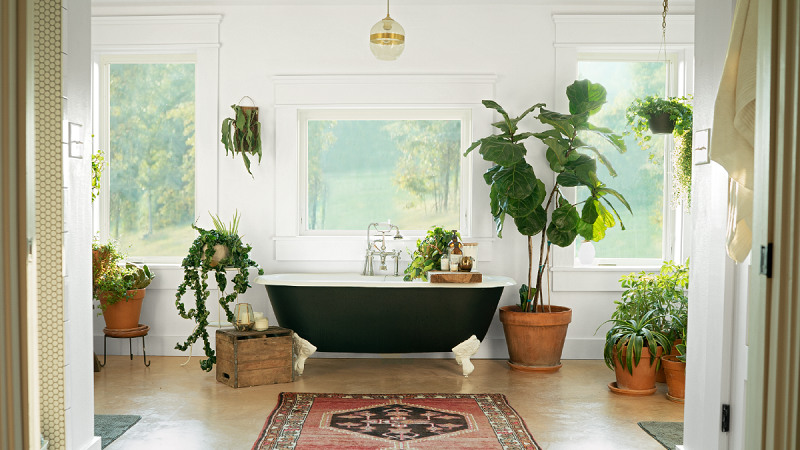
Speaking of that bathroom: “I wanted it to be like a little greenhouse,” Moore-Clark says. Her vision for the bathroom predates the actual bathroom itself – she bought the tub before they started building.
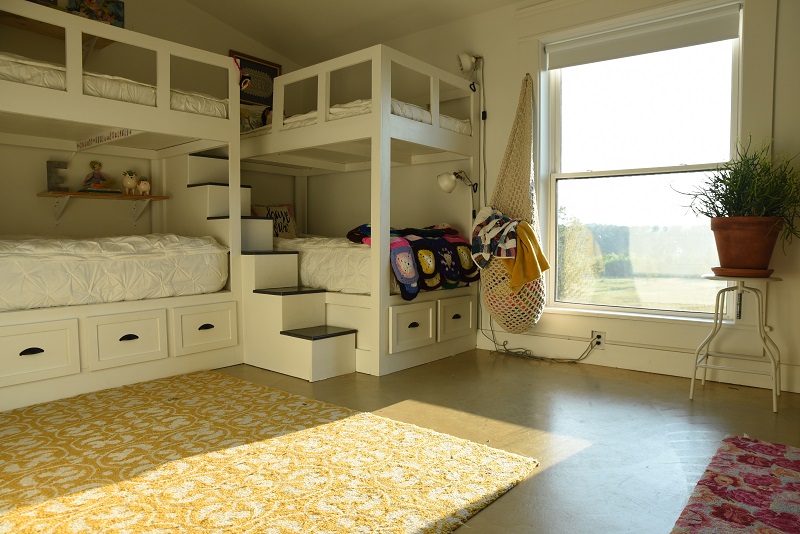
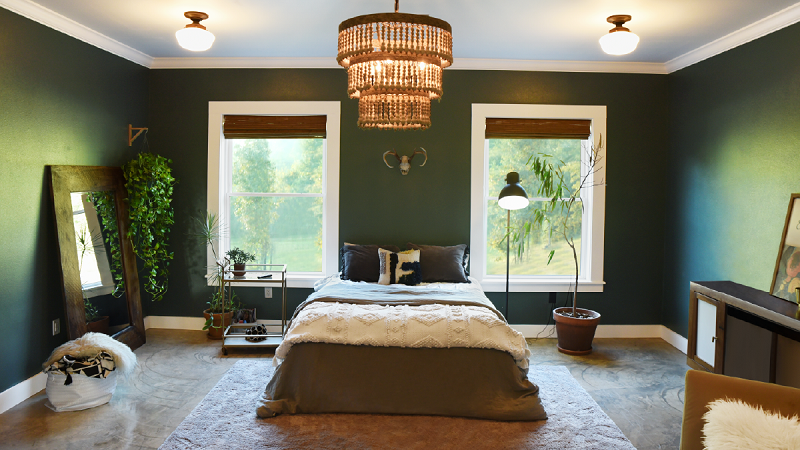
Even though there’s room for dozens of bedrooms, the girls share one room, complete with custom-designed bunk beds.
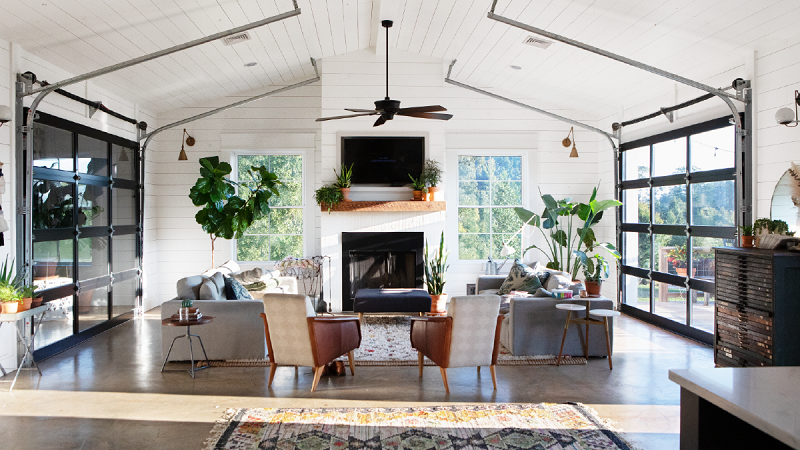
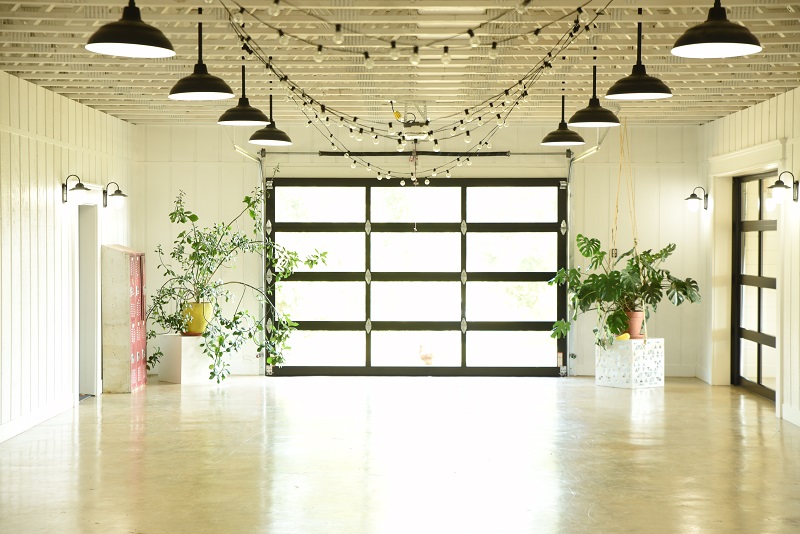
And then there’s the breezeway. This is the second section of the home, and it’s around 2,000 square feet. The breezeway is an indoor porch area with roll-up doors and plenty of living space.
“Lots of playing happens in the breezeway,” Moore-Clark says. “[The girls] ride their bikes through it, put on musical events with their friends – ballets, plays, lots of things.”
Finally, there’s the west side, which contains an office space, a home gym, a shop, and a guest bedroom and bathroom.
“When people stay … they really have their own space,” Moore-Clark says. “You don’t even hear each other. It’s good for a little retreat.”
The home is good for a lot of activities that fall outside the ordinary – it’s hosted live music recordings, floral workshops and even a Christmas Eve church service.
So what compelled Clark and Moore-Clark to create a space so vast and so intimate at the same time? They’re not really sure. Yet.
“We feel like, one day, it’s going to be used for something interesting. … [It’s] a gut feeling.” Moore-Clark says. “We don’t know exactly why we built this place the way it is. But we knew it was right.”
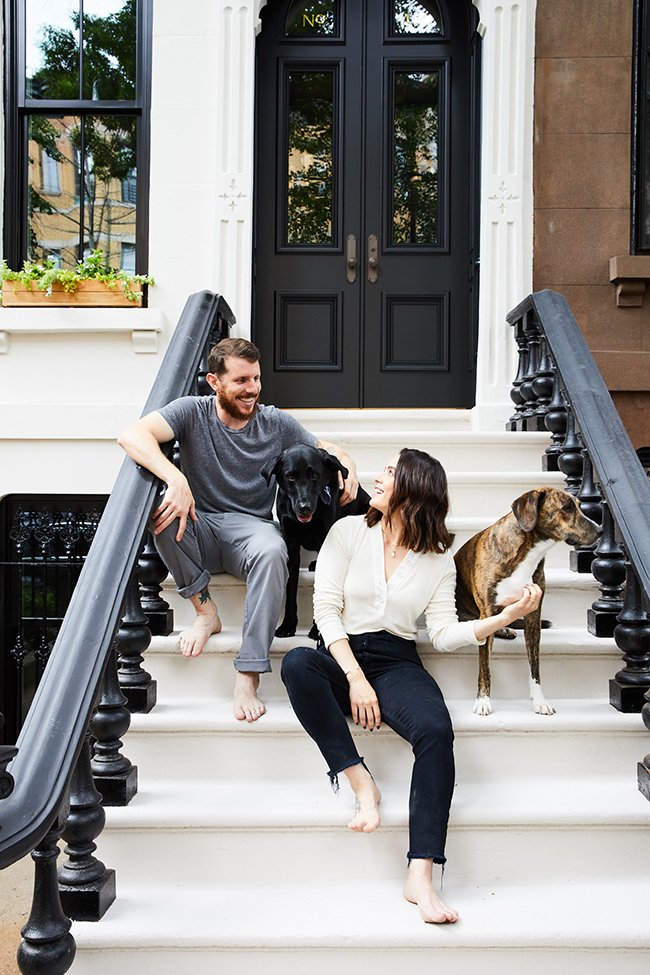
Very few would have considered purchasing a crumbling and decrepit 1890 Victorian townhome. But Lindsey Branca and her partner (both in business and in life), Mike Grosshandler, saw what most didn’t: opportunity.
After a sweeping renovation that included collapsing plaster and a complete layout change, this townhome – located in trendy Park Slope, Brooklyn – went from a deteriorated state to downright stately.
“When we purchased the home, we were on the hunt for a ‘mess’ that would provide the most opportunity,” says Branca.
The opportunity they saw in this home was a “hidden” second floor not visible from the street – a very rare find in the New York City real estate scene. This hidden second floor brought a whole treasure trove of extra square footage, including an extra floor of bedrooms.
Although the renovation was a complete overhaul, which involved removing a bedroom downstairs, taking out a bathroom, and removing an extra kitchen from its days of multifamily use, the project only took Branca’s restoration company, Branca & Co., around nine months to complete.
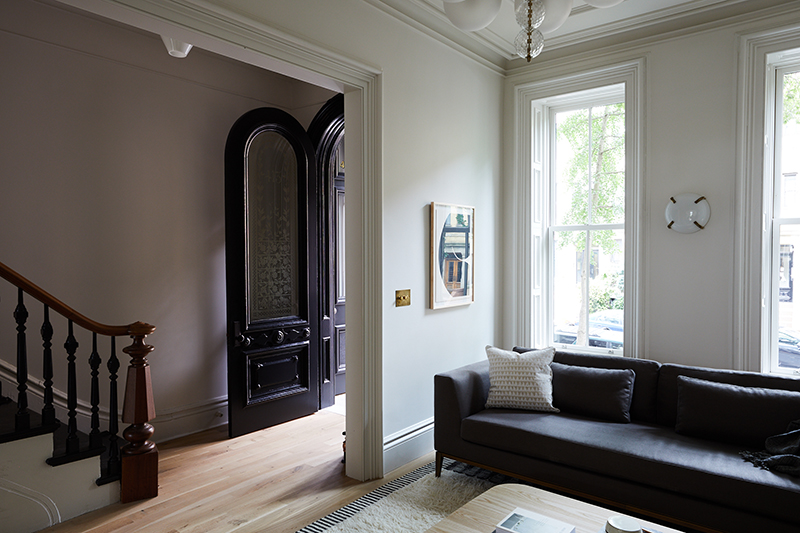
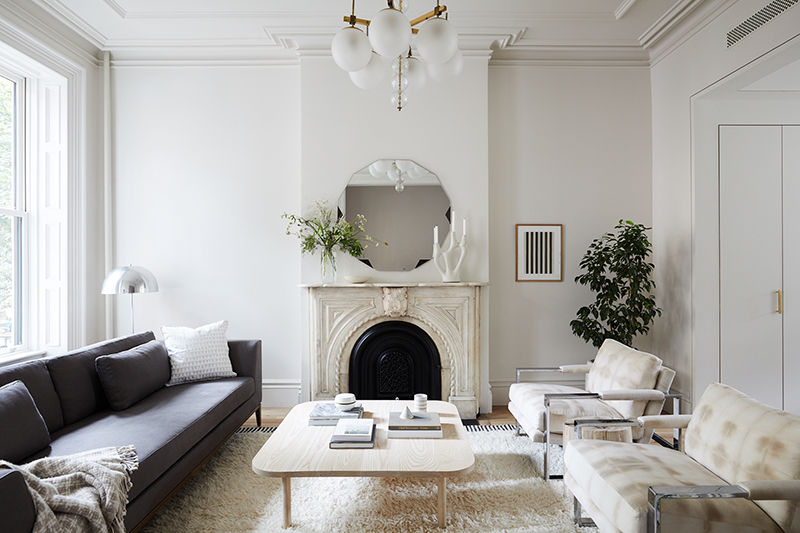
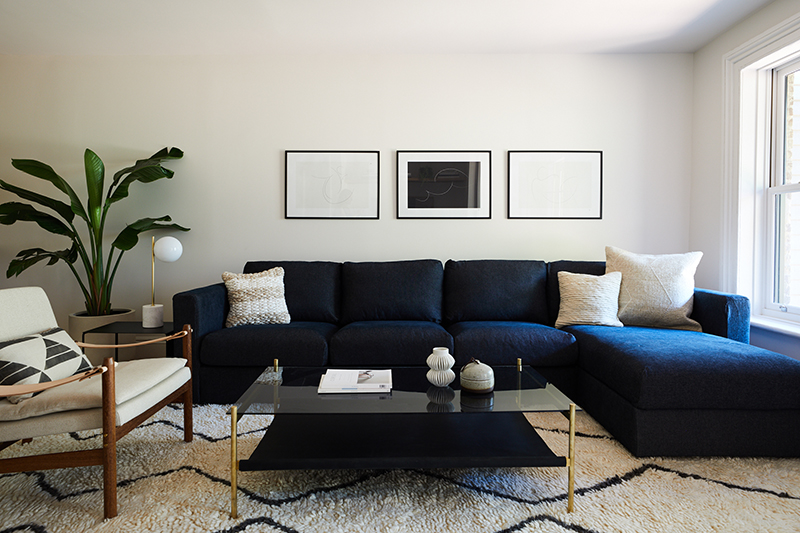
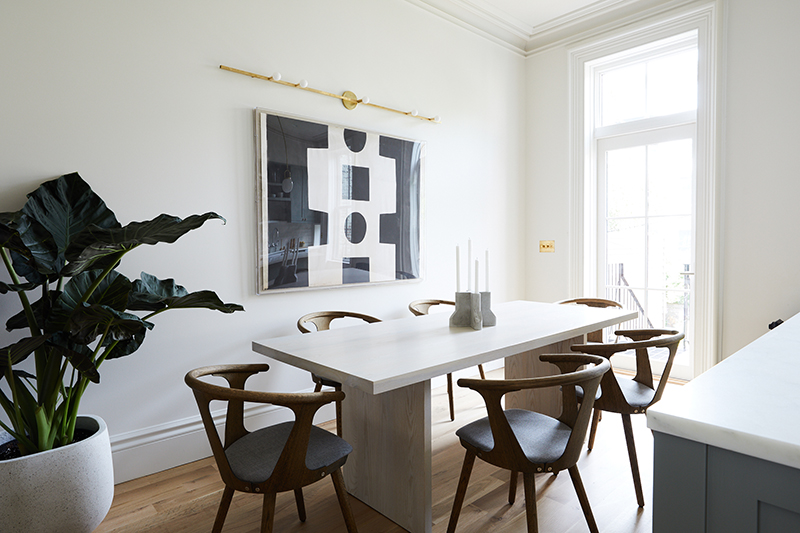
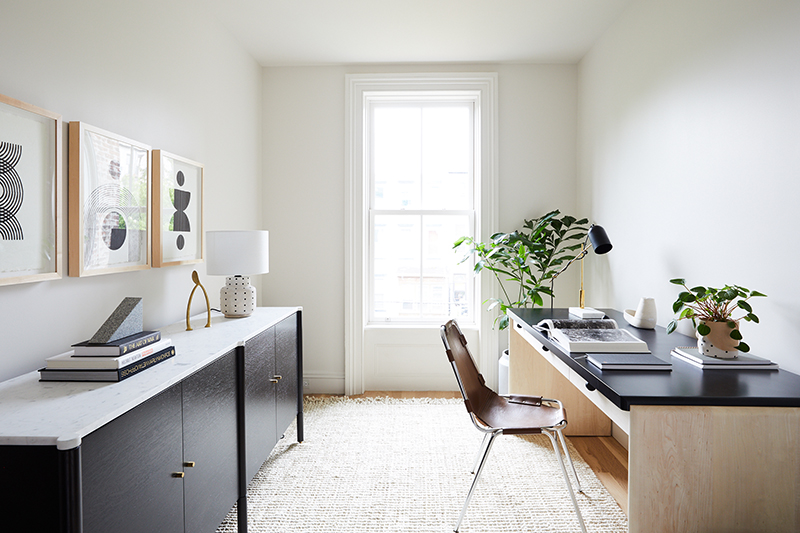
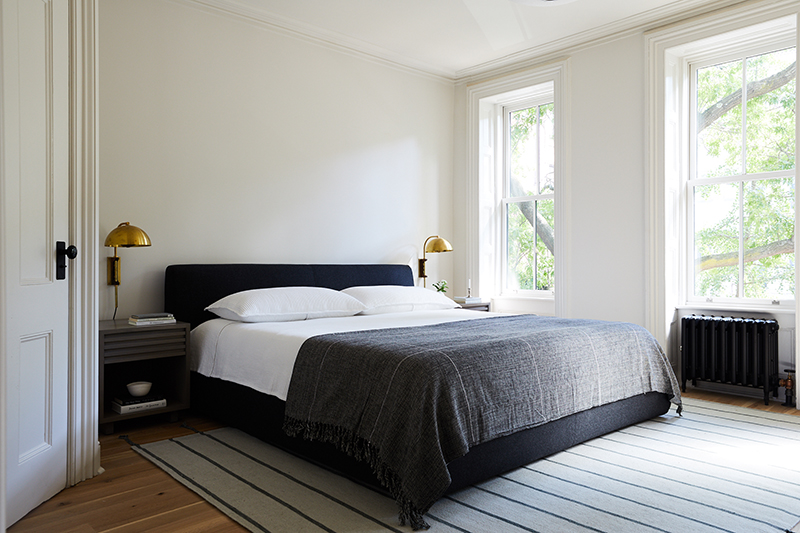
Inside, they transformed damaged carpets and worn-out walls into a sleek and contemporary single-family home.
They kept as much original detail as they could, such as the painstakingly stripped marble mantles, and what they weren’t able to salvage (like the damaged plaster molding), they restored to fit the original design.
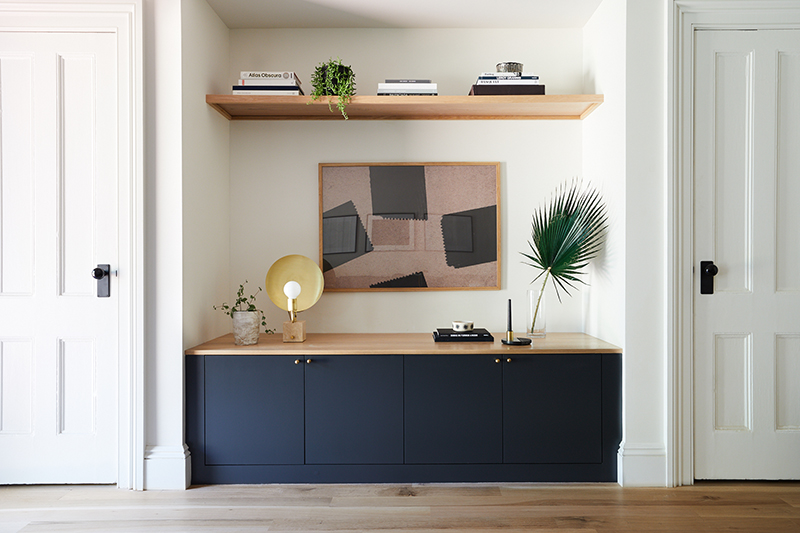
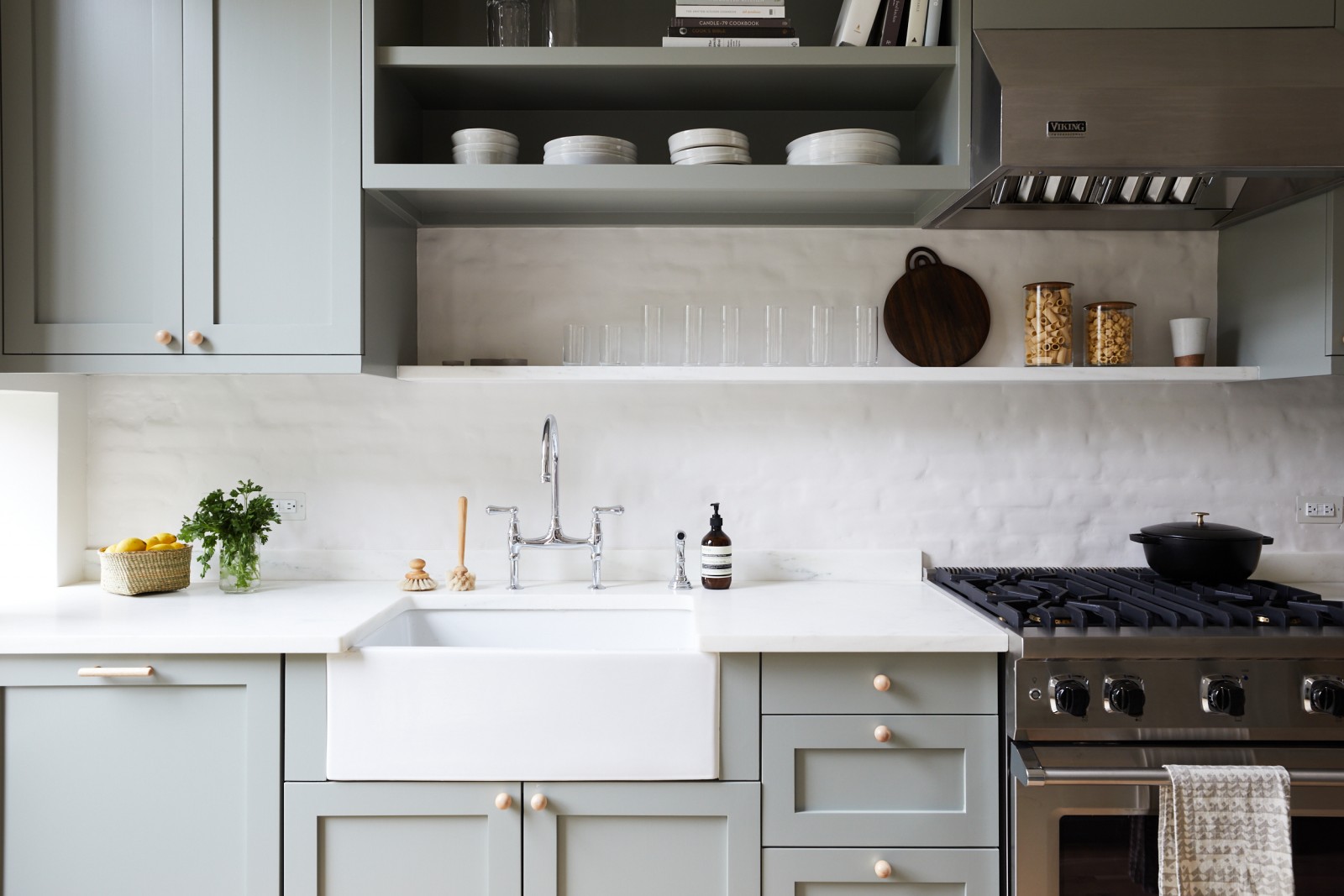
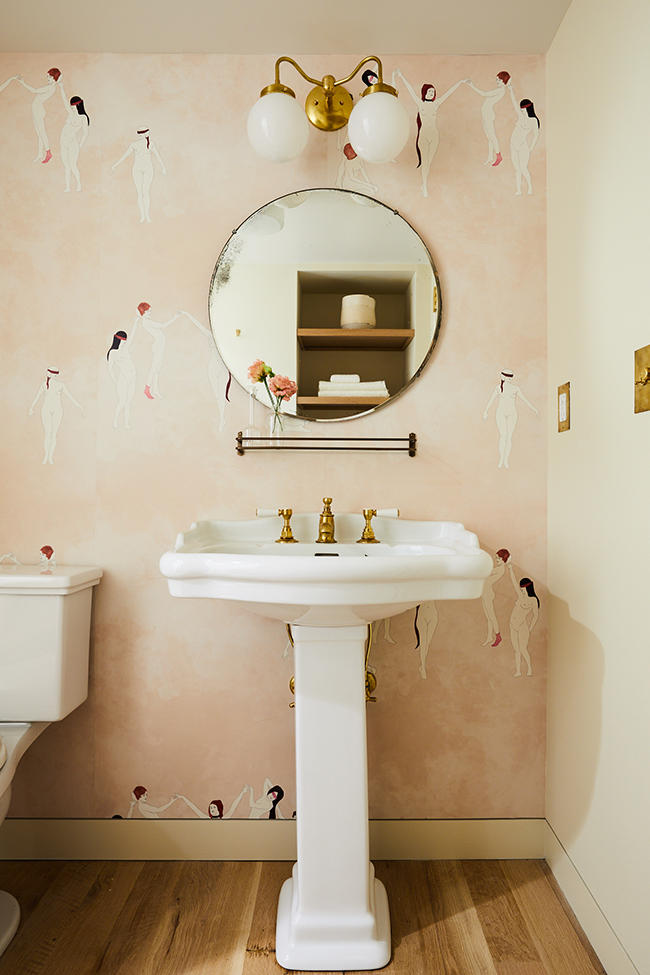
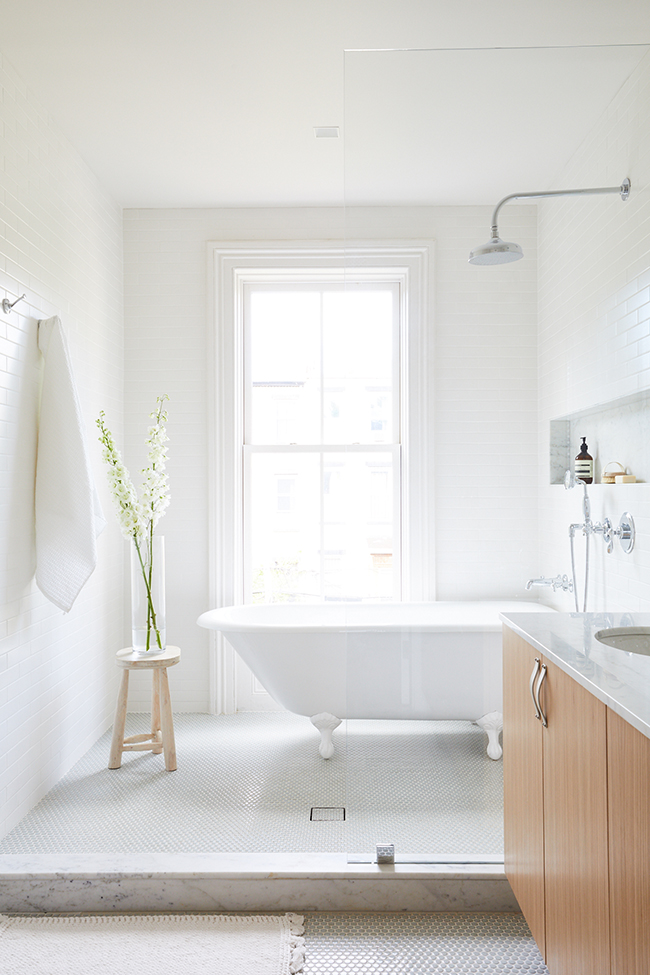
The modern details they added, like white oak plank flooring and an open-concept kitchen with a large island and open shelving, play nicely with traditional details, such as a clawfoot tub and trace ceilings.
“I’m very happy with the results. We stuck to a very strict budget (one my architect was skeptical we could hit), yet we were still able to produce a really beautiful, thoughtful product,” says Branca.