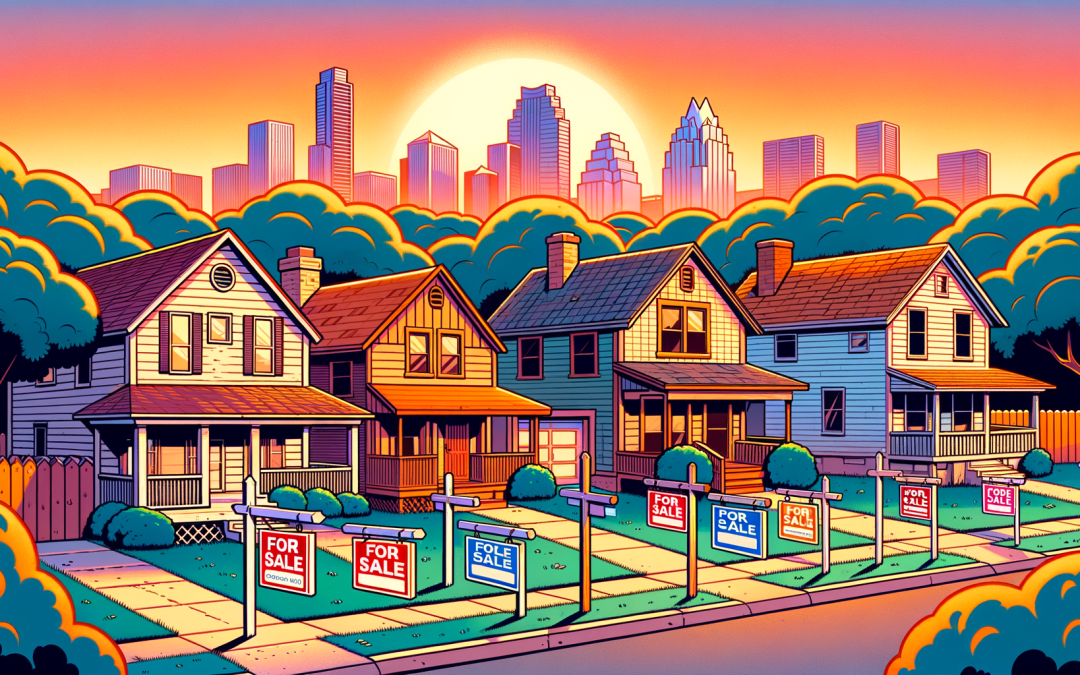
Austin’s housing story has shifted from “how fast can you buy?” to “how long will it take to save?” Recent analysis shows the typical Austin household now needs more than eight years to save for a down payment on a median-priced home. That’s longer than the national average and a clear signal that Austin housing affordability remains strained—even as prices have cooled slightly from the market’s peak.
For first-time buyers, that eight-year timeline isn’t just a statistic. It affects when (or whether) someone can become a homeowner, how much risk they take on, and what compromises they make on location, home type, or commute. Below is a Texas-specific breakdown of what’s driving the challenge, what it means for buyers and sellers, and practical ways to shorten the down payment savings runway without setting yourself up for payment shock.
How “8+ Years to Save” Is Typically Calculated
When analysts estimate how long it takes to build a down payment, they generally use a straightforward formula:
- Target down payment: Often 10% or 20% of the median home price (assumptions vary by study).
- Annual savings capacity: A percentage of household income after typical expenses and taxes, sometimes based on average savings rates.
- Time to goal: Target down payment divided by estimated annual savings.
The takeaway is less about the exact month count and more about direction: in Austin, home prices rose faster than incomes for years, while the cost of living increased enough to limit how much many households can realistically set aside.
Why it matters for real life budgeting
Saving for a down payment isn’t happening in a vacuum. Households are also juggling rent, transportation, childcare, student loans, and rising insurance costs. If your monthly surplus is thin, even “moderate” price growth can extend the timeline significantly.
What’s Driving Austin’s Down Payment Savings Challenge
1) Home prices are still high, even after a slight cooldown
Austin has seen some price softening compared to the frenetic period of 2021–2022. More listings, longer days on market, and more common price reductions have helped cool the market. But “cooling” doesn’t automatically mean “affordable.” The median home price remains high relative to local incomes, so the down payment target is still a tall order.
In practical terms: even a modest decline from peak pricing can still leave buyers facing a down payment that takes years to assemble—especially if they’re also trying to keep an emergency fund intact.
2) Income growth hasn’t fully kept pace
Austin’s job market has attracted new residents for years, including higher-earning households that can bid more aggressively. While wages have grown in many sectors, income gains haven’t uniformly matched housing cost increases. This imbalance shows up in affordability metrics and translates directly into longer down payment savings timelines.
For first-time buyers, the problem is often the “middle”: earning too much to qualify for some assistance programs, but not enough to comfortably save a large down payment while paying Austin-area rents.
3) The cost of living reduces monthly savings capacity
Housing affordability isn’t just the home price—it’s your ability to save while living in the market you’re trying to buy into. Austin’s cost of living has climbed alongside population growth and demand for services. Common pressure points include:
- Rent: Even with some easing, rent can consume the very dollars that would otherwise go to savings.
- Transportation: Commuting costs can rise if buyers move farther out to find lower prices.
- Utilities and everyday expenses: Groceries, childcare, and other essentials limit how quickly cash can accumulate.
Bottom line: if households can only save a small percentage of income after expenses, the down payment timeline stretches.
4) Inventory is improving, but not evenly across price points
One of the most important Texas real estate trends in recent years has been a gradual shift toward better inventory conditions compared to the ultra-tight market of the early 2020s. In Austin, inventory has improved, which can reduce bidding wars and give buyers negotiation leverage.
However, the supply of homes that are truly entry-level (especially single-family homes close to major job centers) is still limited. When more affordable homes are scarce, they attract more competition, and prices can stay sticky even as the broader market cools.
5) Higher interest rates changed the math
Even though the “eight-year” estimate focuses on saving the down payment, interest rates matter because they change what buyers can afford monthly. When rates rise, a buyer who could previously qualify for a larger loan may need to target a lower price point. That can help reduce the down payment target—unless lower-priced inventory is scarce, in which case the search becomes harder and longer.
This is a key point for homebuyer challenges in Austin: saving takes time, but affordability at purchase time can also shift while you’re saving.
What This Means for First-Time Buyers in Austin
An 8+ year savings horizon can make buyers feel like homeownership is out of reach. But it also encourages a more strategic approach. Here are the most common ways this challenge shows up for first-time buyers—and how to respond.
Pressure to use low-down-payment loans (and what to watch for)
Many first-time buyers consider FHA, VA, or conventional loans with lower down payments. This can shorten the savings timeline dramatically, but it’s important to understand the tradeoffs.
- Pros: Buy sooner; keep more cash for reserves; potentially start building equity earlier.
- Cons: Mortgage insurance (FHA and some conventional loans); potentially higher monthly payment; competitive situations may still favor stronger offers.
Green flag: You can afford the monthly payment comfortably, including insurance and taxes, and still have savings left over.
Red flag: You’re stretching to qualify and would have little cash after closing.
More interest in condos, townhomes, and farther-out suburbs
As single-family home prices stay elevated, many buyers pivot to condos, townhomes, or communities outside central Austin. This can be a smart move, but it should be evaluated as a long-term lifestyle decision, not just a price decision.
- Condo/townhome considerations: HOA dues, reserve funding, and rules can impact affordability.
- Location tradeoffs: A longer commute may raise transportation costs, offsetting some savings.
Delaying purchase can be costly—yet buying too soon can be risky
Waiting can help you save more, but it also exposes you to rent increases and the possibility that market conditions change while you’re on the sidelines. On the other hand, buying before you’re financially ready can lead to “house poor” stress. The goal is balance: buy when the payment fits your budget, your job situation is stable, and you have a cushion for surprises.
Austin Market Dynamics: Seasonal Patterns and Negotiation Leverage
Austin, like many Texas metros, tends to see seasonal activity. Spring and early summer often bring more listings and more buyer competition, while late fall and winter can be quieter—sometimes creating better negotiation opportunities for prepared buyers.
What a cooler market can mean for down payment strategy
When inventory is healthier and bidding wars are less common, buyers may be able to:
- Negotiate price reductions that lower the down payment target.
- Ask for seller concessions to cover closing costs (freeing up cash reserves).
- Request repairs or credits after inspection.
These aren’t guaranteed outcomes, but they’re more realistic in a balanced market than in a frenzy.
Step-by-Step: Practical Ways to Shorten the Down Payment Timeline
Step 1: Get pre-approved early (not just pre-qualified)
A pre-approval gives you a lender-reviewed estimate of what you can borrow and what your payment might look like. This helps you set a realistic down payment goal and price range.
- Bring: pay stubs, W-2s, tax returns (if needed), bank statements, and ID.
- Ask for: a payment estimate that includes taxes and insurance—not just principal and interest.
Common mistake: Shopping based on an online calculator alone and ignoring taxes, homeowners insurance, and HOA dues.
Step 2: Choose a down payment target that matches your loan plan
In Austin, many buyers assume they must save 20%. That’s a great goal for avoiding private mortgage insurance (PMI) on many conventional loans, but it’s not the only path. A smaller down payment can be reasonable if your budget supports the monthly payment and you keep adequate reserves.
- Green flag: You can still keep 3–6 months of expenses saved after closing.
- Red flag: You’re draining retirement accounts or leaving yourself with no emergency fund.
Step 3: Build a “total cash to close” plan, not just a down payment plan
Cash to close often includes the down payment, closing costs, prepaid items, and sometimes appraisal gap coverage (in competitive situations). In Texas, buyers also need to plan for ongoing costs like property taxes and insurance, which can be significant.
Tip: Ask your lender for a sample Loan Estimate-style breakdown early so you can create a realistic savings timeline.
Step 4: Use market conditions to your advantage
In a market with improving inventory, consider strategies that preserve your savings:
- Request seller concessions: This can reduce the upfront cash you need for closing costs.
- Consider rate buydowns: Seller-paid buydowns may lower initial payments, depending on lender options and pricing.
- Expand your search thoughtfully: Compare total monthly cost (including commute and HOA), not just the list price.
Step 5: Treat inspections and negotiations as financial protection
A thorough inspection helps you avoid surprise expenses right after move-in—expenses that can wipe out the savings you worked years to build.
- Inspection green flags: Seller provides documentation of past repairs; major systems show signs of maintenance; few safety issues.
- Inspection red flags: Foundation movement beyond typical wear, roof nearing end-of-life, repeated water intrusion, or deferred maintenance that suggests bigger hidden problems.
Negotiation isn’t about “winning.” It’s about aligning the purchase price and repair responsibilities with the home’s condition and the current market.
Implications for Sellers: Affordability Affects Demand
When it takes more than eight years to save a typical down payment, the buyer pool can shrink—especially among first-time buyers. For sellers, this means pricing strategy and home presentation matter more than they did during the peak frenzy.
Seller strategies that can help in an affordability-tight market
- Price to the market: Overpricing can lead to longer days on market and larger reductions later.
- Offer concessions strategically: Helping with closing costs can make a home more accessible without a big headline price cut.
- Prioritize repairs that impact financing: Address issues that could complicate appraisal or underwriting, especially for FHA and VA buyers.
This is where understanding Texas real estate trends locally matters: Austin’s market can change quickly depending on mortgage rates, tech hiring, and the pace of new listings.
Outlook: What Could Change the Savings Timeline (and What Might Not)
The eight-year savings challenge could ease under certain scenarios, but it’s best viewed as an estimate, not a guarantee. Here are the forces that typically move the needle:
- If home prices stabilize or soften further: The down payment target may shrink, especially for buyers who remain disciplined with savings.
- If incomes rise faster than housing costs: Savings capacity can improve, shortening the timeline.
- If inventory continues to normalize: Buyers may gain leverage, reducing the likelihood of overbidding and helping prices align more closely with fundamentals.
- If rates decline meaningfully: Monthly affordability may improve, but lower rates can also increase competition, which may support prices.
In other words, there isn’t one single lever. Austin housing affordability is shaped by jobs, supply, migration, financing conditions, and everyday household expenses.
Bottom Line: Planning Beats Guessing
More than eight years to save for a down payment is a real hurdle, and it helps explain why homebuyer challenges in Austin feel so persistent. But buyers aren’t powerless. The best approach is to combine a realistic loan plan, a full “cash to close” budget, and a strategy that accounts for Austin’s inventory and seasonal patterns.
If you’re serious about buying in the next 12–24 months, focus on the controllables: tighten your savings plan, get pre-approved, watch total monthly costs, and use negotiations wisely. In a market that’s no longer defined by constant bidding wars, preparation can translate into both savings and confidence.