Bigger. Better. Bolder. Inman Connect is heading to San Diego. Join thousands of real estate pros, connect with the Inman Community, and gain insights from hundreds of leading minds shaping the industry. If you’re ready to grow your business and invest in yourself, this is where you need to be. Go BIG in San Diego!
The standard for real estate marketing can feel like déjà vu.
The same flyers, “just listed” templates and social posts — it feels like everyone has been doing the same thing in graphic design for real estate since 2016.
If you are “stuck in the same old strategy loop,” it’s time to shake things up — and rewrite the “rules” of real estate marketing and make your life easier.
Canva, aka the solution to Microsoft Publisher, has been on the design scene for quite some time, but it is easy to get stuck in a rut when using the tool that has become a standard go-to for many agents daily.
Social media advertising has changed and is becoming more organic. Fewer graphics and more natural-looking content are not only easier to produce, but they also look less cluttered to potential clients.
5 ways to rewrite the rules
Here are five ways to rewrite your old-school marketing playbook and use Canva and AI to save time and increase engagement with your audience.
1. Ditch or scale back the graphics
When it comes to content creation, a picture is worth a thousand words, and loading a beautiful photo with text, logos and tons of information creates a cluttered visual for your potential customers.
Not every piece of content needs to be branded with your face and phone number. This is a personal choice; just make sure your contact information is easy to find within the post’s caption.
How to do it:
Use Canva’s blank templates to resize photography to fit the social media platform it will host
Make sure to save the photography on your mobile phone’s camera roll for quick stories or posts on the fly
Create a template with your contact information and branding for end screens on Reels or the last “post” on an Instagram carousel. Let the rest of the content speak for itself
Example: Build a carousel of photos for a Facebook and Instagram post for a new listing. Use the caption for the call to action and your contact information. Mix up the use and order of the photos each time so that the audience may see different images each time you post about the listing.
Pro tip: Use ChatGPT to help you write a caption for each social media platform. Here is an example of a prompt that I like to use. Copy and paste the listing information from an MLS syndicated platform, and then add this prompt:
Write an SEO-optimized caption for [List your platform] for agent [who you are and your brokerage] with [contact and disclosure information]. Make it a “just listed” announcement and make sure to call attention to all the special features of the home. Find relevant hashtags, and keep this fun and light.
Pro tip: Invest in Canva Pro and build your brand inside Canva. Upload colors, logos and other elements you use all the time so they are there and ready to go. You should not be uploading this each time.
2. Make market updates fun and beautiful
Everyone wants to understand the market, but nobody wants to read a novel to get the information. Make a quick 30-second video where you explain the highlights, or go around your target market and take some great seasonal photos about your community.
All my favorite social media folks, like Katie Lance and Jimmy Burgess, will tell you (and show you) that video will get you great results, but if you are too camera-shy, use photography to your advantage.
How to do it:
Use Canva’s infographic or chart templates. Search “market update” or “infographic”
Add your MLS stats, or leverage a resource like your brokerage reports, and use this as one of your end screens or as a buried post in your carousel post
Copy and paste the data into ChatGPT and again give it the prompt to make you an SEO-optimized caption for the social media platform on which it will be featured
Pro tip: Create an SEO-optimized post on LinkedIn to provide a market report for the month and highlight your recent sales. This is a great way to track your portfolio and successes and show your audience that you are a professional salesperson who’s always ready to do business.
3. Make a simple flyer template with no photos
Years ago, when I began showing Canva to real estate agents in a marketing and design class, one gentleman stood up in front of the class, trying to vouch for me and my expertise, saying that I was “really good at making colored prints.”
This statement haunts me to this day. Agents, you are more than just the flyers. You are so much more.
Canva
The time agents, admins and assistants spend making flyers, hanging flyers and running them out to the property is just a time-waster, a tree-killer and a stress-booster.
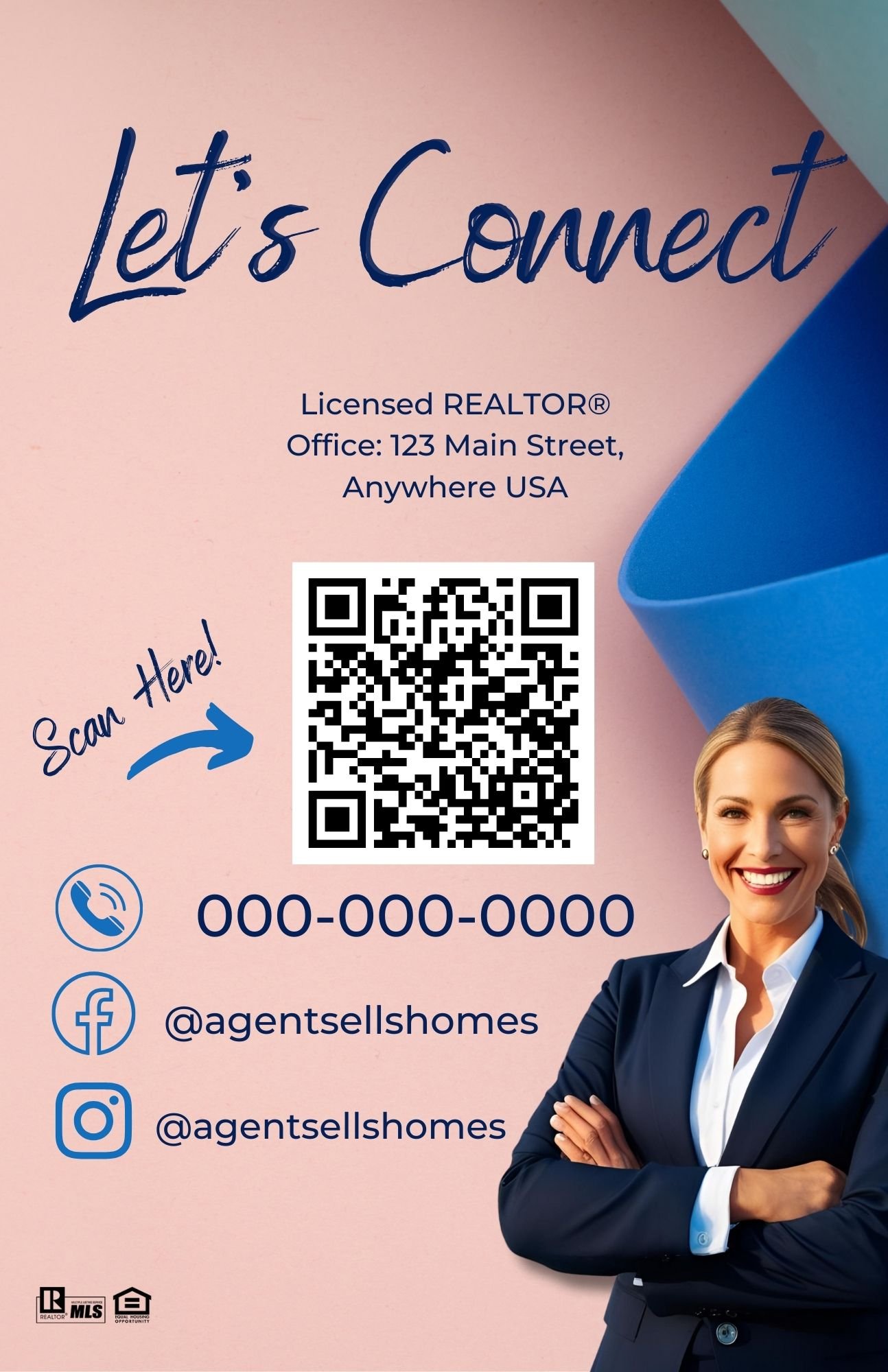
Now, I recommend creating a simple flyer template using one QR code that goes to a live website with real-time updates, a full gallery, video and contact information for the agent.
It’s practical, it’s easy to generate if you need to make it before the photos are ready, and you can drop the code on stickers, business cards and other items that you have invested in and let them work instead of you working trying to size the photos into the right template and still having your client tell you they do not like the colors.
Pick a simple template (a postcard size is great), drop the code, the property address, your contact information, required disclosures, and rock and roll.
Use this template for all your listings, and keep things moving quickly.
Pro tip: Use this for quick direct mail to the neighborhood before an open house. The neighbors can hopefully send a few more folks your way, or they may see your great marketing and want to list with you as well.
4. Capture moments from your day, and turn them into a letter or a blog
One of the things I love about Canva is that it has some great ready-to-use templates for blog graphics or even a personal letter or postcard to your audience.
Don’t try to recreate the wheel. Use these templates to create meaningful and straightforward storytelling moments for your audience.
Blog post idea: Use Canva to make a graphic for your blog or even your LinkedIn article, and write about something that is not only an educational moment but also a milestone in your career. Try to keep it at around 250 words.
Direct mail letter: You can create your own stationery on Canva and then use it to send out a monthly letter to your sphere of influence. Make sure to sign a wet signature at the end of the letter if you can. A simple one-page letter can go a long way. Ditch the “just sold” postcards, and take a moment to make a meaningful connection with your audience. You can also turn this into a JPEG and post it on your social media as well, ensuring that the size is correct.
Canva
5. Make a 1-page business contact handout for each phase of the transaction
You must hustle, grind and work 24/7 to be the best real estate agent. This is one of the “oldest” rules in real estate, but honestly, it’s impossible to uphold, and it may be one of the biggest reasons we have such a high turnover rate in our industry.
Many phone calls, text messages and emails agents receive are from customers, other agents and vendors looking for information or instructions on the next steps.
Canva
You’re more than a salesperson — you’re a community guide, a trend spotter and a resource. A mini-mag shows your value, builds your brand and nurtures your list like no drip campaign can.
How to do it:
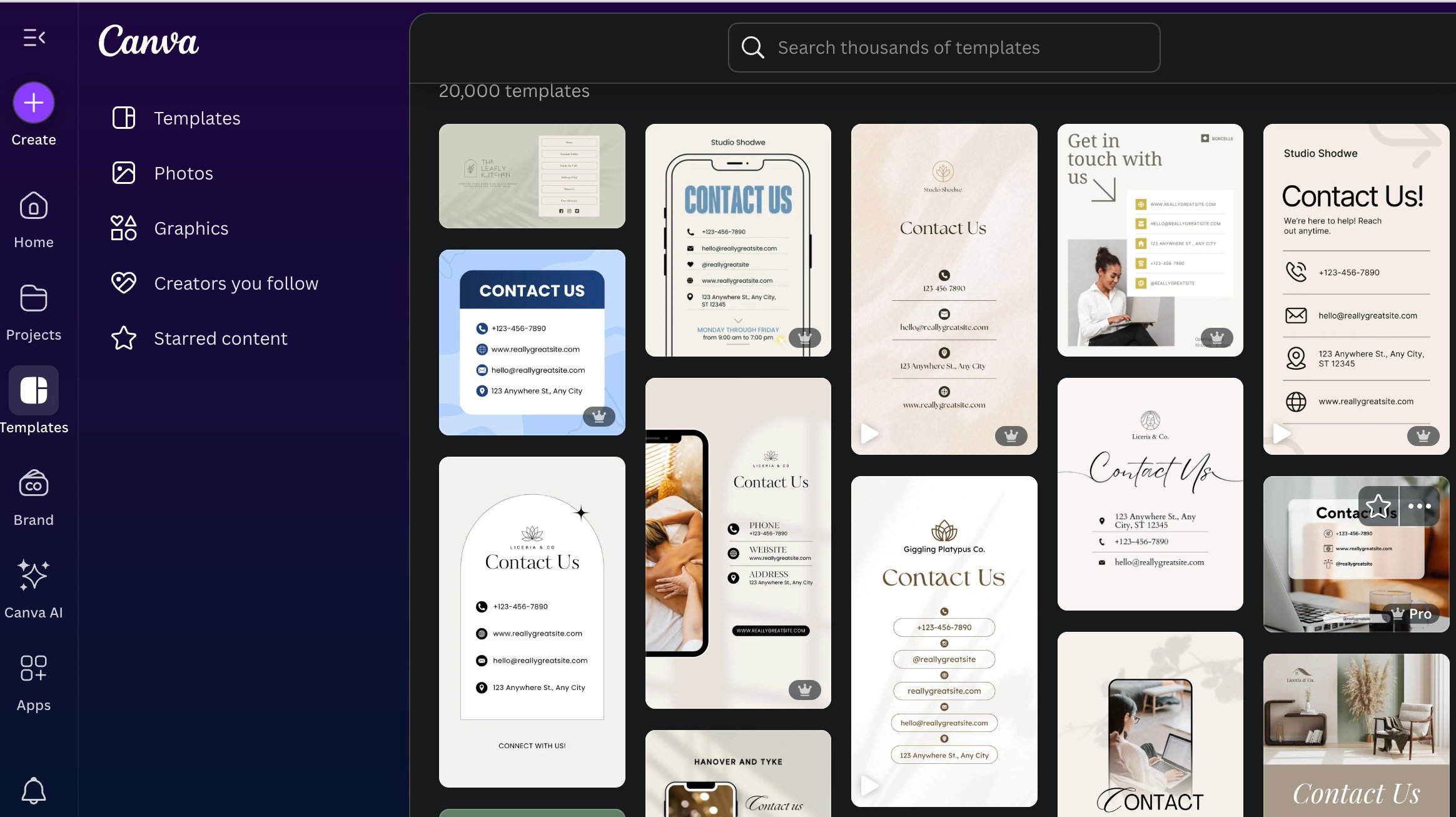
Create your guide and make sure it has your business hours, mailing address, preferred contact information, information on who to contact in an emergency and the contact information of all your favorite vendors you may recommend during the process. Also, on this flyer, list the “steps” to closing, so everyone can follow along. You will give this to your clients and the agents on the other side of the deal. They will use it, and you will get much use out of it, especially when you are working with new-to-real-estate clients or newbie agents.
Make a who-to-contact after-closing guide featuring information on utilities, local vendors, handymen, warranty information, etc. Give this out a week before closing. It will be a lifesaver in many cases.
Breaking the rules
You don’t need a marketing team, a graphic design degree, or hours and hours of graphic design each week for social media content and branding. You don’t have to do the same thing everyone else is doing. You don’t need to make extra work that is lost in seconds with the consumer.
Currently, scheduling the content is more important than pushing out over-polished, over-embellished content in the algorithm when considering ROI.
I would rather see agents push out a few personalized, natural-looking content posts than flood the feeds with graphic after graphic of announcements.
You need the right tools and the confidence to try something new and ignore the crowd. Canva gives you creative control and lets you express your brand personality, but it’s a tool to use, not a place to spend valuable hours that you could be spending with your loved ones and prospecting for new business.
Remember: This isn’t about being perfect — it’s about being consistent, memorable and creating content that works for you rather than you working to generate content constantly.
Rachael Hite is a seasoned housing counselor and thought leader in the real estate industry. Connect with her on Instagram and LinkedIn.
Bigger. Better. Bolder. Inman Connect is heading to San Diego. Join thousands of real estate pros, connect with the power of the Inman Community, and gain insights from hundreds of leading minds shaping the industry. If you’re ready to grow your business and invest in yourself, this is where you need to be. Go BIG in San Diego!
Tool Kit is a recurring column on Inman that pulls together resources for agents who want to dive deeper on specific subjects or team leaders and brokers looking for educational content on timely topics for trainings.
The U.S. Census Bureau reported in 2023 that almost 40 percent of Americans 18 or older are “single,” which means that there is a chance that if you are in the real estate business, you are trying to figure out how to make a single unpredictable income work in an economy that demands at least two incomes to live “comfortably” by social norms.
Throw in tariffs, high interest rates and an unpredictable new presidential administration. If you find yourself on this side of the fence, you are probably about to hit the panic button.
In this Tool Kit, we are going to explore what it means to be single and a single parent trying to make things work via a commission-heavy income and offer sanity-saving tips and, most of all, tips to streamline your budget into ramen mode so that you can ride out the hard times and still be ready to level up if lady luck decides to rain her favors down upon you.
Single parents have significant problems
The U.S. Census Bureau also reported in 2022 that single parents head many American households. You may feel “singled” out while grinding out parenting, working and keeping your head above water, but you are not alone.
Total one-parent households: 10.9 million one-parent family groups with children under 18
Single mothers:80 percent were headed by a mother.
Single fathers: 20 percent were headed by a father.
Children in single-parent households: 24 million children live with a single parent, mostly single moms.
Many are trying to stretch their income to support more than themselves. Strategy is essential for survival, and strategy calls for predictability. Single parents working in the housing industry know that they need to embrace financial education to know where their next deals and meals are coming from for their family.
Single most prominent problem for Americans? Income
Bankrate broke down updated stats about paycheck income from 2024 in February, showing very little progress from 2023, but with the recent developments in our economy, these numbers will likely increase in 2025.
In other words, the gap will increase for more households earning under $100,000 a year. This means that even though adults in the household are employed, they have little to no money left after paying bills from their paycheck and will need another paycheck to survive.
More than 1 in 3 workers (34 percent) lives paycheck to paycheck.
The average household needs to earn over $186,000 to live comfortably and without financial strain.
The latest figures from the U.S. Census Bureau show that the national median household income is $74,580.
Singles, in general, struggle with housing
If you or your clients are single, they encounter many financial hurdles and struggle to afford housing and rentals. In February, Redfin released data showing that nearly 70 percent of single, divorced or separated people struggle to afford their regular rent or mortgage payments. It’s also just slightly ironic that many single people working in the real estate industry are likely unable to purchase homes because of income restrictions.
Compared to 52 percent of married people, more than three-quarters, 76 percent, of respondents who live with their partner but aren’t married struggle with housing payments. This makes them the group most likely to struggle with establishing housing and even more impossible to save to level up.
So what’s a single but fabulous real estate agent to do to find any light at the end of the tunnel of a down or depressed market? You have to get comfortable with getting uncomfortable and with outside-of-the-box thinking.
The pep talk
First, take a deep breath and know you are smart, savvy and resourceful, or you wouldn’t have attempted this career. Second, stop listening to any coach, guru, cold plunger, etc., who is telling you that you cannot have other sources of income or people will not take you seriously.
The current system is set up not to support you but to bog you down with nonsense so you can’t even hear yourself think. Get a steady full-time or part-time job to supplement your income, have access to insurance and ensure that you don’t set yourself up for bankruptcy instead of success.
Remember that your household has nothing to do with the rest of the world, but it has everything to do with the happiness, health and well-being of you and those for whom you are responsible.
As an elder millennial who has already weathered several unprecedented times, I can tell you that the scarcity mindset will change how you sell, how you talk to customers, and how you view and interact with your leadership.
In this situation, you cannot be a team player first; you need to put your oxygen mask on first, and when you are out of survival mode, you can jump into the “team” mindset. You need to be sure that every hour that you spend investing in work has an appropriate return, and no freebies can fit into your schedule.
Bare bones survival articles to get lean and mean:
There is still time in 2025 to save your business
I know the recession talk is scary, especially since you are already very tight on funds. When I talk about my experience as a newly minted agent in 2007, I always say that learning to sell in a down market was the best real estate training I ever received.
While difficult and humbling, it made me a better sales professional than many of my peers who had been selling for 20-plus years. Look for cheap or free marketing opportunities on social media, and use your phone to craft simple and effective marketing.
Get a good tripod and a decent mic, and have at it. There are so many cheap and affordable tools to help you push your business forward; you do not need expensive platforms to help you stay organized. If you have a phone, you have a way to do business.
If you cannot afford a Mac, I recommend something pretty radical, but it will serve you well — an affordable gaming PC option. These are built to be workhorses and to withstand anything you throw at them.
While not sexy, it will help you power up your business quickly and will last you through the next couple of years when electronics may be more expensive. This is one of my favorites; it has taken more abuse than you can imagine.
Cut the junk, and streamline your business
Franchise fees, branded swag, leads vendors that don’t perform, and luxury coaching services are for when markets are good and you have time and energy to actually use those services to learn or grow your career.
Selling while single means you must ensure your emergency fund is plush in case three closings fall apart at once and still pay for the kiddo’s dental expenses. This means that you need to examine every dollar and ensure it works just as hard as you do to earn it.
Choose a brokerage or team with affordable or low fees. You are the brand. If you will spend cash on branding, invest in your brand, not generic brokerage marketing.
You must know the market like the back of your hand; you need to bring the market to your clients. Preview listings every chance you get. It’s great networking, and it is the fastest way to learn about a neighborhood and how to do CMA adjustments.
Strategically network. You don’t talk with every agent; you network with the top agents in your area. Typically, it is a pool of about 30 to 40 folks. They should be in your CRM just as much as your prospects and clients.
Once you figure out where to land, these checklists will ensure that your business budget does not keep you up at night.
I’m all for healthy dieting, but your business budget may still need to lose some fluff to get you through this summer. Try my 30-day detox to see how low you can go.
Don’t get it twisted. Your situation may not be as bad as it seems, or it could be worse because you do not have the data. Try this audit to ensure you have a handle on your current business footprint.
Caregiving and time management
Childcare or caregiving tasks for seniors will be your biggest hurdle because the real estate business happens around the clock, and finding affordable care is like discovering a needle in a haystack. My son is getting ready to graduate high school, and I’m still making payments on a line of credit I took out to finance summer camps, dental bills and after-school care camps that I stacked up years ago trying to make things work.
The price of quality child care and summer camps is very high and disproportionate to the cost of living in the United States. You will likely have to go into debt to make it work, but it can happen. Don’t beat yourself up over it. There will never be enough of you to go around, and you will always be tired, but it will get better.
Try to find other parent agents (even loan officers or title friends) who are in the same boat and, as Dwight Schrute said, “Form an alliance” to help with childcare. If you have a village willing to help, lean into them.
Don’t be afraid to ask for help, and don’t be so proud to prove a point that you can do it all that you harm yourself. There is no award for the most burnt-out, exhausted parent on the planet; you just end up with physical and mental health issues.
For example, set up a showing schedule and a tag team to accomplish it. You show homes on Tuesdays, Thursdays and Saturdays, and your alliance watches the kiddos. Then, you make yourself available on Mondays, Wednesdays and Sundays to return the favor.
Your most valuable asset will be time. Here are three fantastic resources for managing your time and sanity against a hectic and demanding real estate career.
Steak and spaghetti
Vacations are out; staycations are in. Try not to eat as much meat, try not to purchase prepackaged drinks, and don’t be afraid to check out coupons and no-name brands to see if you can substitute or discover a new thing to love.
Give up drinking and smoking; it’s killing you, and it’s killing your budget.
The three P’s will keep you and yours full: pasta, peanut butter and potatoes. Frozen veggies and fruit are more affordable and last longer if you buy in bulk. Dairy items can get expensive, so buy them in bulk or at discount stores. Look for meals with dairy alternatives to help save on expenses.
Bulk buy essentials when you can, if there are sales, and try to ditch disposables if you have some help with the dishes. If you don’t have help with the dishes and can afford paper plates, it will save your sanity some days when you are tired.
Pack a cooler and extra clothes in your car. Get a car that can handle high mileage. Parts and tires are affordable. Please keep it clean and well-maintained. Flashy, temperamental cars will bust your current and future budget in a heartbeat.
Eating out is a treat; look for free and affordable local entertainment options, and make marketing content out of it when you go. Change your attitude to “We have food at home or in the car cooler,” and move on. When you struggle to keep the lights on, you eat for fuel and health. Keep utilities as low as possible.
Do an energy audit on your residence to ensure there are no vampires. YouTube will teach you how to do almost any home repair or maintenance task and has many ideas for free and affordable entertainment with kids and family. Don’t forget your public library; they are a wealth of entertainment and fun.
Don’t be afraid to go live with family or take on roommates to save money. There is no shame in this; if it helps you put some money aside and take some pressure off you so that you don’t have to work three jobs, it’s well worth the compromise.
Survival mode activated
I’m not going to sugarcoat this. It’s tough, and you will often feel very isolated because if someone has never gone through this, they cannot relate to you.
Your broker or manager may not understand, and you need to find one who does. They cannot train you like they train other agents. Your needs are different. Don’t let anyone make you feel less because you cannot go full-time or stay full-time. That’s just their privilege speaking, and they do not have to live your life.
Selling single will make you one of the best agents in the business if you can hang with it. Take good care of yourself. Prioritize your budget and savings first, and remember: Recessions and downturns don’t last forever, but your heart and passion for living life will.
In other words, don’t let this economy get you down; resist, and you will be standing and know when to level up when things turn right.
Rachael Hite is a seasoned housing counselor and thought leader in the real estate industry. Connect with her on Instagram and LinkedIn.
April is NAR’s National Fair Housing Month, so this is a great time to step up your open house game and build more opportunities, Darryl Davis writes.
Bigger. Better. Bolder. Inman Connect is heading to San Diego. Join thousands of real estate pros, connect with the power of the Inman Community, and gain insights from hundreds of leading minds shaping the industry. If you’re ready to grow your business and invest in yourself, this is where you need to be. Go BIG in San Diego!
Listen, gang — despite what some “civilians” (non-real-estate agents) believe, open houses aren’t all blowing up balloons and putting out cookies (as you know). They’re prime opportunities for you to meet prospects, generate leads and position yourself as the neighborhood’s go-to agent.
Plus, they’re your chance to get out there and get to know the people in the neighborhoods you want to serve and brand yourself. Eager to turn your open houses into must-see events?
April is NAR’s NationalFair Housing Month, and this is a great time to step up your open house game and build more opportunities for a broader audience to get involved in real estate in your local market.
Here are 7 fresh, fabulous strategies to get you there
1. Treat it like a Broadway audition (without the singing — please)
When hosting an open house, you’re stepping into the spotlight. Think of yourself as the star of your own real estate show. Smile, engage, charm and build rapport. You’re not just selling this home; you’re selling you. Every visitor, neighbor and curious passerby is an opportunity for future business — make each interaction memorable and fun.
2. Dare to be different with scheduling
Listen, Sunday afternoons? Been there, done that. Switch it up by holding open houses during offbeat times like Thursday evenings, Saturday brunch hours or even a weekday lunch break and whatever hours are “normal” for your market – switch it up.
Start earlier or stay later or even both. You’ll attract a different set of buyers who might not normally make it, plus you’ll stand out from the competition.
3. Turn vacant listings into your pop-up office
Got a vacant listing gathering dust? Perfect! Set yourself up with signage, banners, balloons and a table, and make that property your office for the day. Not only will it attract attention from passersby, but you’ll also be visibly active in your farm area — establishing yourself as the agent who’s always on the scene.
4. Go beyond the listing sheet: Tell a story
Instead of just handing out property fact sheets, create a compelling story around the home. Highlight the lifestyle, neighborhood gems and why this home is special — like how close it is to the best schools, favorite coffee spots or parks. People don’t just buy homes; they buy the story that goes with them. Be the agent who makes that story irresistible.
5. Get neighborly — partner up locally
Partner with a beloved neighborhood bakery, café, or florist to supply refreshments, snacks, or beautiful flower arrangements. Make your open house a community event. Neighbors love supporting local businesses, and they’ll love you for showcasing them. Plus, who doesn’t love free snacks?
6. Up your game with marketing materials
Say goodbye to blurry, flimsy flyers. Invest in professionally printed brochures, glossy postcards and bold signage that scream, “This agent means business!” Quality marketing materials show your professionalism and leave visitors with a lasting impression.
7. Swag it up!
Everyone loves a freebie. Hand out branded takeaways like water bottles, fridge magnets, tote bags, or even fun little stress balls shaped like houses. Not only are these conversation starters, but they’ll also keep you top-of-mind long after the open house ends.
Spring up strategies for your next open
This spring, turn your open houses from ordinary to extraordinary by embracing fresh strategies and thinking outside the box. Remember, open houses aren’t just about showing homes — they’re your chance to showcase your expertise, build relationships and become the neighborhood’s agent of choice. So, step up, stand out and make this your most successful open house season yet.
Commit to your franchise’s brand standards while keeping your own individual identity to build a real estate business that resonates both locally and globally, The Agency’sTara Scholl-Gettles writes.
Whether it’s refining your business model, mastering new technologies, or discovering strategies to capitalize on the next market surge, Inman Connect New York will prepare you to take bold steps forward. The Next Chapter is about to begin. Be part of it. Join us and thousands of real estate leaders Jan. 22-24, 2025.
When it comes to franchising, striking the right balance between autonomy and brand consistency is crucial. For real estate professionals, this balance can determine whether their business thrives under a global brand or gets lost in the noise.
When executed thoughtfully, maintaining this equilibrium allows franchisees to leverage the established strengths of their brand while injecting their unique local insights and personal touch.
Franchise brands, particularly in the real estate sector, often operate on a global scale. By joining a franchise, you are not just adopting a name; you’re becoming part of a larger, well-oiled machine. This affiliation offers numerous advantages:
Global reach: A franchise brand provides instant recognition and credibility, connecting you to a broader network of potential clients and partners.
Turnkey operations: Much of the heavy lifting—like market research, branding, and operational systems—has already been done for you. This allows you to focus on what you do best without reinventing the wheel.
Increased opportunities: The franchise network’s established reputation and resources can significantly boost your reach and business production. Harnessing this power can lead to increased opportunities and a broader client base.
The value of personal vision
While the benefits of franchise affiliation are compelling, it’s equally important to infuse your individual vision into your operations. Your local knowledge and personal touch are valuable assets, including understanding your market’s nuances, needs and preferences better than anyone.
This insight can help you connect with clients in a more meaningful way. In a sea of franchisees, your unique approach can set you apart and create a memorable impression. This differentiation can be a key driver of word-of-mouth referrals and repeat business.
By adding your personal flavor to marketing efforts, you build stronger relationships with clients and create a brand that resonates on a local level.
Why adherence to brand standards matters
It’s essential to ask yourself: Why would you want to dilute a brand that already has significant recognition and respect? Diluting the brand undermines the very benefits that attracted you to the franchise in the first place.
Adhering to brand standards ensures consistency and maintains the strength of the brand’s global identity. It’s about enhancing, not diminishing, the brand’s value.
Refreshing the existing brand
Even well-established brands benefit from occasional refreshes to stay relevant. Consider Instagram, for example. Initially known for its Polaroid-style icon, Instagram evolved its branding to reflect its expanded capabilities beyond mere photo sharing. This rebrand showcased a broader range of offerings while retaining its core identity.
Similarly, you can refresh your personal branding to align with your franchise’s global image while highlighting new services or strengths. This approach allows you to maintain the franchise’s integrity and showcase your unique contributions effectively.
Creating a balanced brand strategy
To successfully balance brand consistency with personal autonomy, start by developing or refreshing your brand strategy:
Define your brand statement: Clearly articulate how your personal brand aligns with the franchise’s core values and mission. This statement should capture both the global identity and your local vision.
Identify your target customer: Focus on the local market. Understanding the demographics, needs, and preferences of your target audience will help you tailor your approach.
Assess customer needs: Determine what functional and emotional benefits you can provide. Your expertise combined with franchise resources offers unique advantages.
Leverage your competitive advantage: Highlight what sets you apart based on your skills, experience, and franchise support. This competitive edge should be evident in all your branding efforts.
Aligning with franchise resources
Once your brand strategy is in place, collaborate with the franchise’s marketing department to create a personal logo and brand elements that complement the franchise’s established identity. This collaboration ensures that while you maintain authenticity, you also enhance the overall brand image.
Balancing autonomy with brand consistency in franchise operations is an art.
By committing to your franchise’s brand standards while infusing your individual vision, you can build a business that resonates on a local level while leveraging global strengths. Embrace both aspects to maximize your success and stand out in the competitive real estate landscape.
Tara Scholl-Gettles joined The Agency in August 2020 as SVP of Franchise Operations. Connect with her on Instagram and Linkedin.
Whether it’s refining your business model, mastering new technologies, or discovering strategies to capitalize on the next market surge, Inman Connect New York will prepare you to take bold steps forward. The Next Chapter is about to begin. Be part of it. Join us and thousands of real estate leaders Jan. 22-24, 2025.
Cardone Capital CEO Grant Cardone slammed Vice President Kamala Harris’ housing policies in two Fox Business interviews over the past week, calling the Democratic presidential nominee “financially illiterate” for proposing $25,000 in down payment assistance for first-generation homebuyers and a $10,000 tax credit for first-time homebuyers.
“[Vice President] Kamala Harris is either financially illiterate, or she believes her audience is,” Cardone said during an interview on Monday, the first day of the Democratic National Convention. “This is called come-on marketing. The $25,000 credit is a come-on; it will not happen. The $6,000 child credit requires you to have two kids in the same year, that’s a come-on.”
[Editor’s note: Harris’ proposed change to the Child Tax Credit does not require households to have two children in the same year; parents will get the $6,000 credit for the year their child is born. The current CTC is $2,000 per child.]
“It’s typically used as a bait-and-switch, some kind of offer that exaggerates, that has hidden costs, exaggerated claims,” he added. “And she is, Kamala Harris is the come-on queen now, that should be her new title. What’s required for a first-time homeowner? I know you told our producers earlier that it takes a lot more than $25,000.”
Cardone said the typical homebuyer’s down payment is $35,000 — $10,000 short of what Harris is proposing. Once rising home insurance, homeowners association and property tax costs are figured in, he said, Harris’ down payment assistance program will barely make a dent in the pockets of homebuyers. He also noted homebuilders are already giving sizeable credits to homebuyers, making government assistance unnecessary.
“Yeah, look, $25,000 credits are already being delivered by builders, by the way,” he said. “So the government doesn’t need to do this; the builder is willing to do it today.”
“Well, all we know is that she will continue to do what she’s done her entire career, which is more regulations, higher taxes, and allow property owners to be coalesced with a new property, and those that use the property continue to have more and more flexibility with whether they pay their rent or not,” he said.
Cardone predicted corporations and high-wealth Americans would run to Texas, Florida and other tax-friendly, Republican-led states if Harris is elected.
“If you go to Florida or Texas, those are going to be beneficiaries of a Harris win. If she wins, they will be massive beneficiaries,” he said. “Arizona, Florida, for sure Texas [and] the Carolinas will be beneficiaries because they protect the property owner.”
“If Donald Trump wins, it will be a beneficiary,” he added. “Everybody that owns property around the country will benefit because he’ll loosen the regulations, lower the taxes, and put some predictability in there for property owners.”
Housing policies have taken center stage at Harris and Trump’s latest round of campaign and rally appearances. In a recent National Association of Home Builders survey, 77 percent of respondents said the U.S. is in the midst of a worsening affordability crisis. Eighty percent of respondents said their local officials need to do more to fix the issue, while 51 percent said the federal government needs to enact more national-level housing affordability measures.
Inman published an explainer on Harris, Trump and Robert F. Kennedy Jr.’s housing policies, which includes information on Harris’ $25,000 down payment assistance plan and $40 billion innovation fund, Trump’s vision of building freedom cities and relocating unhoused Americans into tent cities, and RFK Jr.’s plan to restrict institutional homebuyers and offer 3 percent mortgage rates through government-backed bonds.
Election years often yield increased conversations from voters about moving to another country or a state that aligns with their political leanings, and Redfin’s latest election-focused research shows 2024 will be no different.
California lost a net 341,866 residents to other states in 2022, with a sizeable chunk deciding to relocate to Nevada (48,836) and Arizona (74,157). Since that migration wave, Nevada and Arizona, have seen the number of registered Independents and Republicans rise. On the other hand, increased migration from Washington, D.C., and New York likely flipped Georgia blue in 2020.
“Four years ago, the pandemic supercharged a trend that has reshaped the national housing market: People have been leaving expensive, coastal, liberal places like New York and California for affordable, inland, politically moderate places like Arizona and Nevada,” Redfin Senior Economist Elijah de la Campa said.
“While a lot of people were simply moving to where they could afford a home, some sought a place where they fit in better politically. While this self-sorting can help explain the voter registration trends, it’s more likely that a lot of Arizonans and Nevadans have been feeling very disillusioned by their political choices.”