by Jonathan Pressman | Jun 11, 2025 | Industry, News Feed
Bigger. Better. Bolder. Inman Connect is heading to San Diego. Join thousands of real estate pros, connect with the Inman Community, and gain insights from hundreds of leading minds shaping the industry. If you’re ready to grow your business and invest in yourself, this is where you need to be. Go BIG in San Diego!
When you’re getting ready to list a house, you know the quality of the bathrooms can make or break a buyer’s offer. Updating a bathroom is one of the top renovations that increase home value, but with so many options to choose from, where should you start? Here are 25 popular bathroom remodel ideas for 2025.
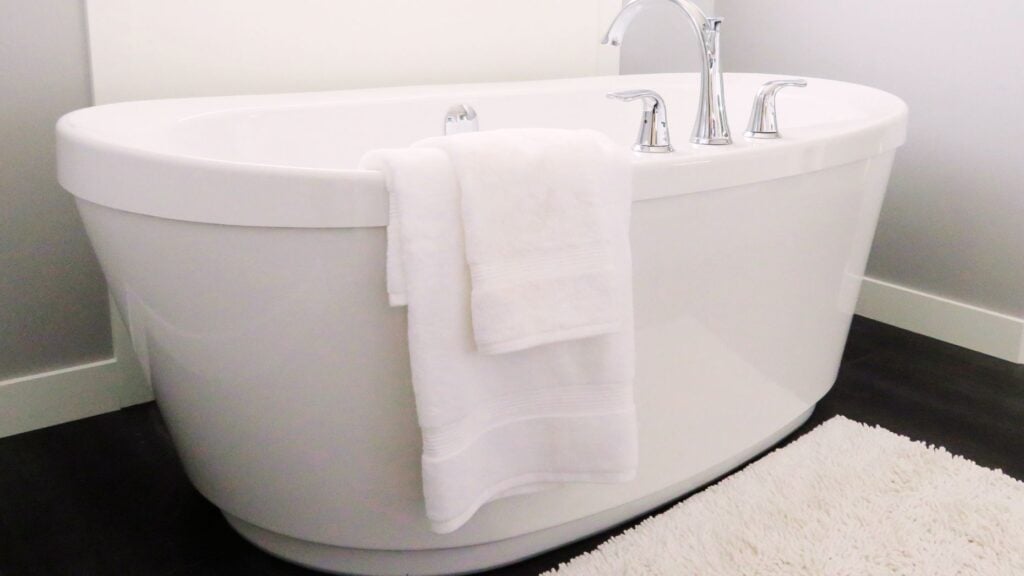
1. Add a freestanding tub
Freestanding tubs are a flexible option when you want to express yourself with a unique look. Unlike traditional bathtubs that fit into a corner, freestanding tubs come in a variety of different shapes, styles and sizes.
2. Introduce bold colors
For many years, preference and popularity went to neutral paint colors that made bathrooms look sterile and spacious. But in 2025, bold colors are booming, with owners choosing hues that inspire a more luxurious look.
3. Install a floating vanity
Why take up floor space when you can mount a vanity on the wall for a sleek, modern look? Floating vanities are trending now, and they come with the added bonus of easier cleaning.
4. Choose spa-like amenities
In-home saunas, steam showers, body jets and other spa-like upgrades are becoming increasingly common as homeowners seek a more relaxed experience that they can enjoy without leaving the house.
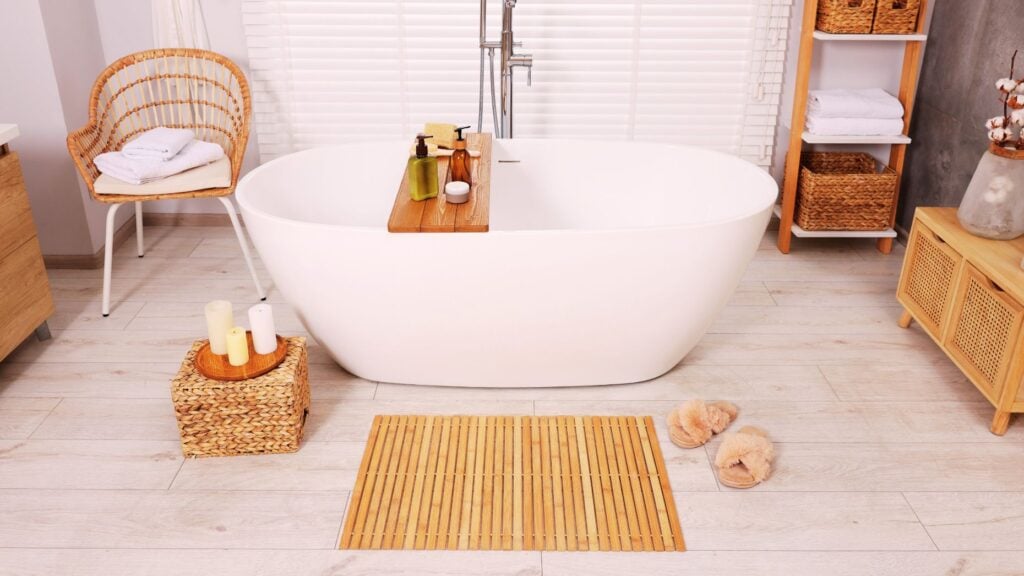
5. Swap in natural and sustainable materials
Vinyl and other plastics are affordable, durable and easy to install — but they’re among the least sustainable bathroom materials and definitely won’t help you in pursuit of that spa-like experience. For your next bathroom remodel, think about how you can utilize sustainable materials, like natural stone and bamboo.
Courtesy of Canva
6. Give your bathroom an IQ boost
With technology, you can make just about any part of your bathroom more intelligent. Voice-activated features, smart controls and touchless sensors are just a few ways you can bring your bathroom into the modern age and enjoy added conveniences.
7. Mix and match metals
There’s nothing wrong with matching your metals, but in 2025, many homeowners are going against the grain and mixing hardware finishes. Try combining silver and gold or black and bronze to create a luxe look that stands out.
8. Install a glass shower enclosure
Glass shower enclosures can give a bathroom a more open feel than tiled shower walls, creating a sleeker, more modern look. Though you may have to compromise on privacy (there are ways around that, too, such as frosted glass), cleaning a glass shower is quicker and easier than dealing with tiles and grout.
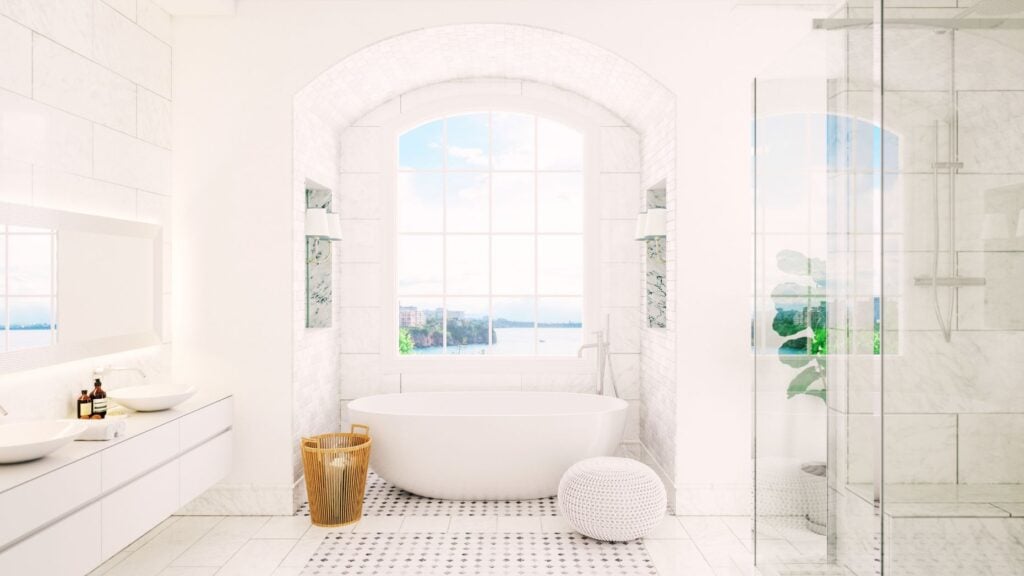
9. Add a window
Adding a window to a bathroom can instantly transform drab into fab. Besides the increased aesthetic appeal, you’ll also benefit from improved ventilation and air quality. While adding a window isn’t a quick or cheap fix, it’s often a worthwhile expense that can completely change a bathroom’s look and feel.
Courtesy of Canva
10. Customize storage solutions
Hanging shower caddies and personal effects strewn across vanity countertops scream dorm living and are definitely out of style in 2025. Instead, choose built-in storage options — such as drawers, recessed niche shelving and linen closets — that keep your bathroom organized and clutter-free.
11. Add a personal touch
More homeowners are opting to personalize their bathrooms with area rugs, artwork, aromatherapy and more. Adding personal touches to your bathroom can make it feel more like a room in your home and less like a place that’s reserved strictly for business.
12. Hang wallpaper in place of paint
Wallpaper gives you the power to put any design or color on your bathroom walls — and at a fraction of the cost of tile. Wallpaper today is also more durable, easier to apply, and, unlike 19th-century Victorian wallpaper, free of arsenic.
13. Go minimalist
A minimalist bathroom is timeless, easy to clean and focused on function over form. Think straight lines, neutral colors and open floor space. You can never really go wrong with a minimalist bathroom, which is why they’ll always be in style.
14. Go maximalist
The Gilded Age might feel like ancient history, but to those who love an over-the-top look, the maximalist makeover might be a perfect fit. The beauty of a maximalist bathroom is the freedom to choose. Utilizing all available spaces to layer, add variety and create a dramatic effect make each maximalist bathroom one of a kind.
15. Go modern
While modern bathrooms typically include many of the same design principles as minimalist bathrooms, they often feature more diverse or complex finishes. A modern bathroom makeover might call for integrating technology into the design, layering to create depth and mixing and matching a wider range of materials.
16. Pick patterned or geometric tiles
While simple subway tiles will always have a place in our hearts, patterned and geometric tiles create a visual curiosity that’s sure to please. Why settle for ordinary tiles when you can pick from thousands of shapes, patterns and styles?
17. Embrace biophilic design
Biophilic designs can help bring the beauty of the outdoors into homes, reducing stress and helping homeowners connect with nature. Planters, living walls and plenty of natural light can give your bathroom the look of an outdoor oasis.
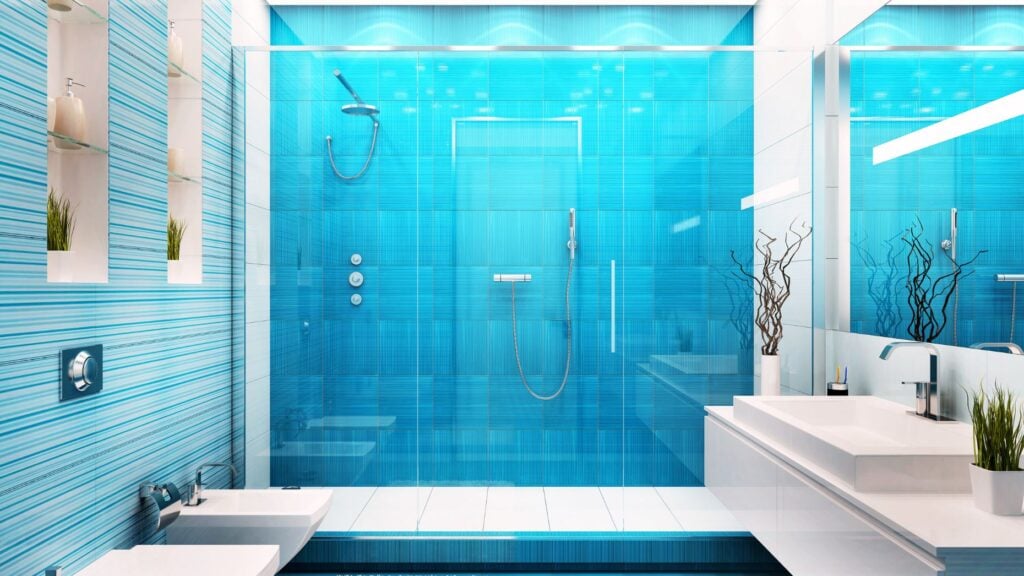
18. Choose earthy and ocean tones
Browns, blues and greens can evoke a sense of calmness and warmth, blending with biophilic designs to make your bathroom feel like a natural paradise. You can add earthy and ocean tones just about anywhere in your bathroom, from paint and accessories to vanities and tiles.
Courtesy of Canva
19. Get cozy with heated floors and towel warmers
When warm colors aren’t quite enough for you to feel cozy, heated floors and towel warmers can add a spa-like element to any bathroom, along with the benefits of improved hygiene.
20. Say it loud with a statement piece
Statement pieces of all kinds are now finding their way into bathrooms, offering another opportunity to personalize your space. Benches, sconces, side tables and funky fixtures allow homeowners to express their individuality and enhance aesthetics and functionality.
21. Integrate lighting
Integrating water-resistant LED lighting can breathe new life into your bathroom, saving space and simplifying grooming and cleaning. Today, it’s easier and more affordable to integrate LED lighting into any part of your bathroom, from backlit mirrors and vanities to uplights and recessed fixtures.
22. Seek out sustainability features
As sustainability comes into focus, upgrading bathrooms with more eco-friendly solutions can not only help support the planet but also lower your utility bills. Look for energy-efficient lighting, along with toilets, faucets and showerheads bearing the WaterSense label.
23. Introduce soft textiles
Soft textiles, such as linen, cotton, chenille and bamboo, are excellent additions to any bathroom. Plush towels, curtains, rugs and bath mats — particularly those in warm tones — can help promote a luxurious look and feel.
24. Reclaim and recycle
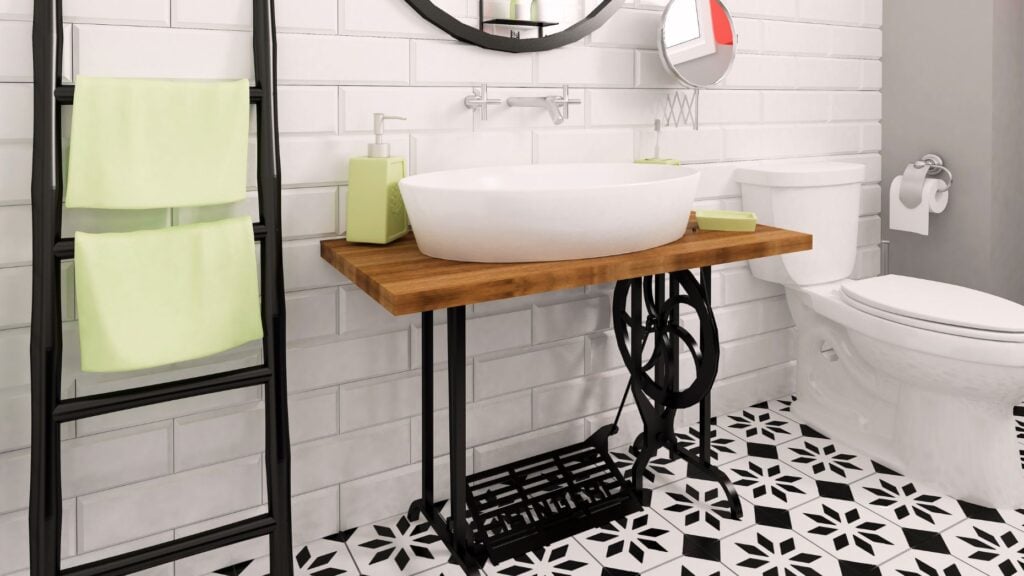
We’ve all complained that things are made like they used to be, which is why many homeowners today are incorporating reclaimed vanities, mirrors, tiles and wood into their bathrooms. In addition to avoiding waste, recycling old or vintage materials can offer an affordable way to make your bathroom stand out.
Courtesy of Canva
25. Buck the trend!
Following the trend is fun, but do you know what’s better? Bucking the trend, blazing your own trail and choosing any bathroom finishes you love. Take any of the design elements and styles you like, and combine them to make your dream bathroom.
Jonathan Pressman is a Realtor who writes on a wide range of financial topics. Connect with him on LinkedIn and Instagram.
by Jonathan Pressman | Apr 14, 2025 | Industry, News Feed
Jonathan Pressman offers real-world examples of the way buyer love letters can violate fair housing, along with fixes to help your clients write right.
Bigger. Better. Bolder. Inman Connect is heading to San Diego. Join thousands of real estate pros, connect with the power of the Inman Community, and gain insights from hundreds of leading minds shaping the industry. If you’re ready to grow your business and invest in yourself, this is where you need to be. Go BIG in San Diego!
Love ‘em or hate ‘em, buyer love letters are still a thing, especially in competitive housing markets. While many people believe love letters give buyers an edge, they could put you at risk of inadvertently violating the Fair Housing Act.
The Fair Housing Act prohibits discrimination against seven protected classes: race, color, religion, sex, national origin, familial status, and disability. So how might a buyer love letter violate the Fair Housing Act? Here are three everyday examples:
Violation No. 1: Familial status
Writing something like, “This is the perfect place to raise our family,” or worse, a buyer including a photo of their family in a love letter, could result in potential discrimination that violates the Fair Housing Act. Sellers should evaluate offers based on terms, and are prohibited from choosing a buyer because they’re married, single, have children or are expecting a child.
If a seller decides to research potential buyers and make a decision that’s influenced by the buyer’s familial status, that’s on the seller and their agent. But as the buyer’s agent, you can make sure your clients don’t make the mistake of revealing any details about their familial status before closing.
Violation No. 2: Religion
For many buyers, proximity to houses of worship is a key consideration. A buyer might think it’s OK to share that they love the house because it’s close to their church, mosque or synagogue; however, divulging their religion might cause the seller to accept or decline their offer on the basis of that affiliation, which would constitute a violation of the Fair Housing Act.
Violation No. 3: National origin
A buyer might share how much they appreciate the local cuisine or cultural offerings in a certain area, but if they mention their own national origin along the way, it could lead to discrimination on the basis of national origin.
For example, let’s say a buyer writes a letter to the seller that highlights how much they want to be near Chinatown, since it reminds them of their hometown. They talk about how they’d like to enjoy the Chinese restaurants and speak their native language with neighbors and local business owners.
If the seller uses that information to determine which offer to choose — whether it benefits the buyer or not — they’d violate the Fair Housing Act in the process.
The fix: What to do instead
Fix No. 1: Avoid buyer love letters altogether
For some buyer agents, the easiest way to avoid liabilities from buyer love letters is to advise clients not to write them at all. Though they might offer some benefits, the risks could outweigh any potential reward, which has led many Realtor associations to discourage buyer love letters altogether.
The State of Oregon took an even stronger position against love letters in July 2021 when it passed a law banning them to prevent seller discrimination. (The law was later blocked by a federal judge, who deemed it unconstitutional.)
Fix No. 2: Educate buyers and encourage them to focus on objective facts
If your buyers are determined to write a love letter, you can help by educating them about fair housing laws and encouraging them to stick to objective facts about the home and the neighborhood.
If a buyer is excited about raising their children somewhere, they can talk about how much they love the spacious yard, local parks and highly rated school district (without ever mentioning kids).
Suppose a buyer with a physical disability is interested in a ranch house with accessible bathrooms. In that case, they don’t have to mention their disability and can instead share how much they like the home’s layout.
Jonathan Pressman is a Realtor who writes on a wide range of financial topics. Connect with him on LinkedIn and Instagram.
This post was originally published on this site
by Jonathan Pressman | Aug 24, 2024 | Industry, News Feed
Trainer Rachael Hite breaks down the latest viral TikTok trend and gives guidance on whether real estate agents should hop on the bandwagon.
Whether it’s refining your business model, mastering new technologies, or discovering strategies to capitalize on the next market surge, Inman Connect New York will prepare you to take bold steps forward. The Next Chapter is about to begin. Be part of it. Join us and thousands of real estate leaders Jan. 22-24, 2025.
Have you noticed how “demure” everyone is these days? Everyone’s recording themselves being low-key cool, calm, collected, and, of course, stylishly modest while talking about being “very demure,” “very mindful,” “very cutesy.”
It’s the latest social media microtrend. Celebrities like RuPaul, Jennifer Lopez, Lance Bass, and Jamie Lee Curtis and Lindsay Lohan have posted demure videos, and even Vice President Kamala Harris and Merriam-Webster can’t seem to resist it.
TAKE THE INMAN INTEL INDEX SURVEY FOR AUGUST
You might be asking yourself: Why is this a trend right now? What is a microtrend? Should I be doing this on my social media?
For agents trying to stay in front of their audience in a fun and meaningful way — dissecting TikTok trends can be complicated. Let’s get into what micro-trends are, how this trend started and my three golden rules for deciding whether a trend is worth incorporating into your marketing strategy.
Background and context
A micro-trend is typically when something beauty or fashion-related picks up momentum on social media. The trend emerges fast and usually leaves just as quickly, and the next microtrend emerges.
The “demure” trend began with trans TikTok influencer Jools Lebron making a series of videos about how they stay “demure” and professional in the workplace.
Lebron emphasizes in a “cutesy” way that you have to bypass authenticity and adapt to your surroundings to avoid calling unnecessary attention to yourself.
It’s also important to understand the context of where the influencer is coming from. For example, Lebron created this trend as a nod to the internet dolls in the trans community, who are constantly up against social and political pressures.
This trend is not like the “Hawk-Tua” trend, which isn’t demure, elegant, mindful or very respectful.
It’s the ultimate “be vanilla” to show that you’ve got it together — because who could have an issue with someone who is low-key trying to have an organized, professional, mindful existence and appearance?
But in true Gen Z and Gen Alpha fashion, this trend turned toward sarcasm and satire, calling out both the ridiculousness of having to be demure and also saying that those who are just too loud or trying too hard should be demure.
Define it: Demure, an adjective that means reserved, modest, or serious.
So far, we are seeing agents jump on this trend to describe how they run their businesses and call out other agents who are not prepared and create chaos in transactions. Workarounds on commissions? Not very demure or mindful.
Fail-safe system for evaluating trends
Like any microtrend, you need to weigh the pros and cons of being associated with it. I have been coaching and teaching about social media trends for real estate agents since 2012, and there are three golden rules I follow when it comes to trends:
- Research and understand the trend to make sure you understand the context.
- Weigh the pros and cons of the trend against the mission of the brand. Ask yourself: What is the mission of the “trendy” post, and is it beneficial to the goal? Is this worth being attached to my personal digital footprint forever?
- Can you explain the trend to your grandma without being embarrassed. (You should have seen me explaining the Hawk-Tua trend to my grandma.)
As far as trends go, this one is pretty tame, and since it hints about professionalism, it could be a fun space to add a little humor into your marketing if that is part of your brand.
Parting thoughts and wisdom
What are we, as a culture, saying at this moment? That if you want to be taken seriously, you have to pull yourself together, but also, is it really essential to be taken seriously? I’ve written numerous articles about what one should or should not wear, and if it’s even ethical to ask someone to change who they are “sell” to the right client.
If you are on a mission to get things done at work with the least amount of friction and frustration, you may have to give in and be demure, mindful and modest. I work with seniors, and my clients get excited when I wear a nice pair of pleated slacks and pearls.
I’ve been dress-coded several times in life, since I was 16. Even most recently, there have been discussions about toning it down, staying modest, being professional.
Bright colors, animal prints, plaid pants, how I style my hair, if I wear comfortable shoes, the length of my skirt are all topics of discussion and a “problem” to solve.
Throw in your current weight and how much makeup you have on (too much you look like a clown, not enough you look tired or sick), and you have a typical day just interacting with the public at large. This is the joy of being a woman in corporate workspaces; everything is up for public commentary.
So go ahead, try and be demure or not demure. The next micro-trend will be here before you know it.
Rachael Hite is a business development specialist, fair housing advocate, copy editor, and former agent. Rachael is currently perfecting her long game selling forever homes in a retirement community in Northern Virginia. You can connect with her about life, marketing and business on Instagram.
by Jonathan Pressman | Aug 22, 2024 | Industry, News Feed
An entity tied to Musk has filed a notice of default on the property, which Wilder’s nephew purchased from Musk with the assistance of a loan from the Tesla CEO in 2020.
Whether it’s refining your business model, mastering new technologies, or discovering strategies to capitalize on the next market surge, Inman Connect New York will prepare you to take bold steps forward. The Next Chapter is about to begin. Be part of it. Join us and thousands of real estate leaders Jan. 22-24, 2025.
The former home of late actor Gene Wilder, which now belongs to his filmmaker nephew, Jordan Walker-Pearlman, is under threat of foreclosure at the hands of tech entrepreneur Elon Musk.
Musk owned the home, located in LA’s Bel Air neighborhood, in 2020 and agreed to sell it to Walker-Pearlman and his wife, Elizabeth Hunter, for $7 million with the added assistance of a loan from Musk himself.
TAKE THE INMAN INTEL INDEX SURVEY FOR AUGUST
Now, however, an entity tied to Musk has filed a notice of default on the home, which is the first step to foreclosure, The Wall Street Journal reported on Tuesday.
Walker-Pearlman, who spent a great deal of his childhood in the home, expressed gratitude to Musk as late as 2022 for his role in helping the couple obtain the home.
“He could have sold it for so much more,” Walker-Pearlman told The WSJ in 2022. “His sensitivity to me can’t be overstated.”
According to the default paperwork, Walker-Pearlman and Hunter are nearly $7 million behind on payments. Ninety days after filing a notice of default, the lender can force a sale of the property.
In the meantime, the couple has put the home on the market for $12.95 million with Drew Meyers of Westside Estate Agency.
Walker-Pearlman has shown a willingness to work with Musk and does not seem bitter about the tight spot he’s in now.
“There’s no tragedy here,” he told The WSJ. “Elon gave us a magical opportunity. I have no complaints.”
He added that Musk has not been “adversarial or mean.”
Walker-Pearlman said that the writers’ and actors’ strikes that crippled the entertainment industry last year over the course of several months contributed to his financial challenges. He said that Hunter also did not like the idea of continuing to be in debt to Musk.
“She did not want to continue morally owing Elon anymore,” Walker-Pearlman told The WSJ. “We already owe him such a spiritual debt.”
When Walker-Pearlman was a child, he reportedly saw the stars come and go from his uncle’s house, where Wilder on Sundays would host get-togethers for script reading and music playing. Walker-Pearlman split his time growing up between Wilder’s home in LA and his grandmother’s home in Harlem.
“That was my home schooling,” Walker-Pearlman said of his time spent around Hollywood creatives at his uncle’s.
Wilder purchased the 1951-built home in 1976 for $300,000 after creating the hit Young Frankenstein. The actor lived in the home until 2007 when he sold it for $2.72 million.
The nearly 3,000-square-foot home has four bedrooms and four bathrooms and is located above the Bel Air Country Club. It features original wood-beamed ceilings, fireplaces and a circular bar area.
Musk purchased the home in 2013 for $6.75 million when it was located across the street from his then-primary residence. When Musk decided to sell in 2020, he opted to work with Walker-Pearlman and Hunter to help them buy the home, even though the initial asking price of $9.5 million was more than they could afford.
Walker-Pearlman seems to have made peace with the prospect of parting ways with the home.
“This is likely the closing of a very unicorn and beautiful chapter of our lives,” he told The WSJ. “I’m not disgruntled at all.”
Get Inman’s Luxury Lens Newsletter delivered right to your inbox. A weekly deep dive into the biggest news in the world of high-end real estate delivered every Friday. Click here to subscribe.
Email Lillian Dickerson
by Jonathan Pressman | Aug 20, 2024 | Industry, News Feed
As the industry grapples with best practices on how to deliver and execute new settlement-required buyer agency forms, one independent has already made it part of its in-house software features.
Whether it’s refining your business model, mastering new technologies, or discovering strategies to capitalize on the next market surge, Inman Connect New York will prepare you to take bold steps forward. The Next Chapter is about to begin. Be part of it. Join us and thousands of real estate leaders Jan. 22-24, 2025.
Chicago’s Dream Town Real Estate, a 450-agent, six-office independent, has answered the call of industry change by integrating new required buyer representation forms into its automated content distribution solution, a part of its in-house CRM called Client Connect, Inman has learned.
The intent is to make the new agreement process less burdensome on the agent to execute and easier for buyers to understand, as any digital workflow tends to do. Real estate documentation is often associated with being clinical and easily refused by prospective clients, whereas a web-based, auto-populated document helps the relationship coalesce in less time.
“This tool allows their brokers to more easily adapt to the industry changes required to administer buyer-broker agreements to all buyers who seek representation, as required by the National Association of Realtors (NAR) legal settlement,” an Aug. 15 press release said.
Client Connect is the company’s customer relationship management software, and its mobile iteration furthers the pace of the agreement’s delivery and electronic signature, according to the company. Brokers then approve the document and allow the agents to move forward in accordance with NAR’s agreement.
Efficient methods to execute formal buyer agency — the new national standard for buyer representation brought on by a legal settlement between the National Association of Realtors and a class of consumers regarding how commissions are paid — are moving quickly into the market to help agents, brokers and consumers move forward in business. Buyer agency agreements were already standard practice in many markets, though not required in some, but the new rules remain vague to much of the industry.
Inman reported that on Aug. 6, NAR updated its FAQ to specify that an MLS participant working with a buyer can enter into the written agreement with the buyer “at any point but must do so by no later than prior to the buyer ‘touring a home,’ unless state law requires a written buyer agreement earlier in time.”
Under the settlement terms, just marketing services to a buyer or just talking to a buyer on the seller’s behalf — for instance, at an open house or showing a client’s listing to an unrepresented buyer — does not mean you are “working with” a buyer, according to NAR’s FAQ.
However, providing actual brokerage services to a buyer, i.e. identifying potential homes, arranging a showing with the listing agent, negotiating for the buyer, presenting the buyer’s offers or performing other services for the buyer, are “working with” a buyer, the trade group said.
“Buyers agency is very dynamic, and with this new settlement requirement, we needed to create a tool that would enable our brokers to generate buyer-broker agreements on the fly,” said Yuval Degani, founder and CEO of Dream Town, in the press release. “The simplicity of just texting a link makes the conversation simple. It helps to administer the required contract with a multitude of buyers easily.”
Degani has also launched a training series for agents to better understand how to move forward with leads and clients in light of the changes.
Dream Town opened in 1998.
Email Craig Rowe