
by Christine Cruz | Feb 13, 2026 | News Feed
Interior And Exterior Architecture Designs That Are All The Rave In 2026
In 2026, the biggest design story in Texas homes isn’t a single style—it’s the way interior and exterior spaces are being planned as one cohesive, livable environment. Across Austin, Dallas-Fort Worth, Houston, San Antonio, and the Hill Country, buyers are gravitating toward architectural designs that feel modern, peaceful, and calming, while still standing up to Texas heat, sudden storms, and real family life.
What’s driving the shift now? A mix of lifestyle changes (more time at home), energy-awareness (higher utility costs and more efficient building systems), and a stronger desire for homes that connect to nature without sacrificing comfort. The newest designs blur boundaries with biophilic design principles, open air layouts, retractable walls, inside-outside pools, and materials chosen for long-term sustainable performance.
What interior architectural designs feel “modern” and livable in 2026?
Texas buyers still love clean lines and uncluttered spaces, but in 2026, “modern” is softer and more human. Instead of sharp minimalism, the most popular interior architectural designs focus on comfort, curves, and flexible rooms that work for families—think homework zones, quiet corners, and kitchens that can handle both weeknight chaos and weekend entertaining.
Designers are leaning into warm modern: lighter woods, textured walls, and layered lighting that makes rooms feel peaceful rather than sterile. In Texas, where bright sun can wash out a space, interiors are also being tuned for glare control and better indoor comfort with window placement, solar shades, and smart glass options.
Organic shapes and curves are replacing hard edges
Curved architecture is showing up everywhere—from arched doorways and radius drywall corners to rounded kitchen islands and built-in banquettes. These organic forms make rooms feel calming, and they also create better flow in open layouts (especially helpful in narrower urban homes around Central Austin or in townhome-heavy pockets of Dallas).
Look for these curve-forward details in 2026 builds and renovations:
- Arched interior openings and cased passages
- Barrel-vault or subtly curved ceilings in entryways and hallways
- Rounded plaster or limewash fireplaces as living room anchors
- Curved cabinetry ends and furniture-like vanities
“Quiet luxury” finishes that hold up to real family use
Texas buyers are increasingly asking for premium materials that don’t feel precious. That means fewer glossy surfaces that show fingerprints and more honed, brushed, or textured finishes that age gracefully. You’ll see durable wide-plank engineered wood, dense porcelain slabs (popular for heat resistance), and stain-resistant performance fabrics for family rooms.
Another practical shift: more storage integrated into the architecture. Mudrooms, drop zones, and pantry walls aren’t just add-ons—they’re being designed as core parts of the interior plan, especially in suburban markets like Katy, Frisco, and New Braunfels where buyers expect everyday functionality.
Flexible rooms and “micro-zones” inside open plans
Open concepts aren’t disappearing in 2026—they’re evolving. Homeowners want openness, but they also want places to focus, rest, or take a call. The newest modern layouts create micro-zones using ceiling changes, partial walls, slatted wood dividers, built-ins, and lighting to define spaces without closing them off.
Common 2026 interior planning moves include:
- Kitchen + dining + living in one connected great room, but with distinct lighting zones
- Small “library walls” or study nooks off main living spaces
- Pocket offices near the kitchen for parents managing schedules
- Multi-purpose flex rooms with upgraded sound insulation
How are exterior architecture designs changing across Texas in 2026?
On the exterior, the trend is clear: homes are being designed to look lighter, more natural, and more integrated with the landscape. In Texas, that also means exteriors that can handle UV exposure, humidity swings (especially along the Gulf Coast), and wind-driven rain without constant maintenance.
While modern farmhouses are still present, 2026 is leaning into regional modernism—Hill Country contemporary, desert-inspired forms in West Texas, and Gulf-friendly designs near Houston and Galveston that emphasize shade, airflow, and resilient materials.
Modern exteriors with warmth: wood tones, stone, and shaded depth
Flat, one-note facades are out. The most popular exterior architectural designs use contrast and depth: deep overhangs, layered materials, and shadows that make the home feel grounded. You’ll see smooth stucco paired with limestone, warm-toned wood accents (often engineered for durability), and dark bronze or black window frames that read modern without feeling harsh.
Practical Texas-specific detail: shade is a design feature, not an afterthought. Covered porches, recessed patios, and pergola structures are being built into the home’s form to reduce heat gain and expand outdoor living for more months of the year.
Curves and organic massing on the exterior
That interior love for curves is extending outdoors. Rounded entry walls, curved courtyard edges, and softly arched patio openings are increasingly common—especially in custom homes throughout the Hill Country and luxury pockets of North Dallas and West Houston. These shapes can make a large home feel more approachable and peaceful from the street.
At the neighborhood level, it’s also a response to “box fatigue.” In fast-growing suburbs, buyers want a home that stands out subtly through craftsmanship and form, not just louder finishes.
Outdoor rooms that function like real rooms
In 2026, the outdoor space isn’t just a patio—it’s a furnished, wired, and weather-considered extension of the interior. Many new builds are including outdoor kitchens, dining zones, and lounge areas designed around ceiling fans, heaters, and lighting that feels like indoor ambient light.
For families, the priority is usability: outdoor storage for pool gear, a bathroom with easy backyard access, durable surfaces that don’t become slippery in humid weather, and sightlines that let parents keep an eye on play areas.
How do biophilic design principles blur the line between interior and exterior?
Biophilic design principles are a major force behind 2026’s most desirable homes because they deliver something buyers instantly feel: a calming, restorative atmosphere. In Texas, where life can be fast-paced and weather extremes are real, that connection to nature—light, air, greenery, natural materials—can make a home feel like a retreat without leaving the city.
Biophilic design isn’t just “add plants.” It’s designing the interior and exterior together so the home supports well-being, comfort, and daily rhythms. Done right, it also supports resale value because it reads as intentional, high-quality architecture rather than a passing decor trend.
Daylight, views, and ventilation as first-class features
Expect to see more emphasis on window placement for usable daylight (not glare), and more intentional framing of views—courtyards, oaks, native landscaping, or water features. In Texas, north- and east-facing glass is often prized for softer light, while south- and west-facing exposures benefit from overhangs, shaded courtyards, or high-performance glazing.
Natural ventilation is also back in focus. While air conditioning is essential, many homeowners still want the option of fresh air during shoulder seasons—especially in Central Texas and North Texas when evenings cool down. Transom windows, operable clerestories, and screened openings help create airflow without inviting every bug in the county.
Natural textures that feel modern, not rustic
Biophilic interiors in 2026 use materials that feel tactile and authentic: plaster, limewash, clay-toned paints, rift-sawn oak, and stone with movement. The effect is peaceful and grounded, especially when paired with modern lines and clean detailing.
For Texas homes, homeowners are also prioritizing low-VOC paints, formaldehyde-free cabinetry options, and flooring choices that reduce dust and allergens—small decisions that can make a big difference in comfort.
Courtyards and “protected nature” outdoors
One of the most Texas-friendly biophilic moves is the courtyard: a private, wind-buffered outdoor space that brings light and greenery into the center of the home. Courtyards work particularly well in hot regions because they can be shaded, irrigated efficiently, and enjoyed even when the broader yard is baking in late summer.
Common courtyard features in 2026 include:
- Native plant palettes (better water efficiency and easier maintenance)
- Rain gardens or permeable hardscapes for stormwater management
- Small fountains or water walls for cooling ambiance and sound control
- Outdoor fireplaces designed for shoulder-season evenings
What “open air” living features are most popular in 2026 (and what should buyers watch for)?
The biggest crowd-pleaser in 2026 is open air living that feels seamless—wide openings, consistent flooring transitions, and outdoor zones that truly act like extensions of the interior. In Texas, this is more than a style choice. It’s a lifestyle upgrade that can add year-round value when it’s designed for heat, humidity, and sudden weather shifts.
The trick is doing it in a way that’s cohesive and buildable. Not every dramatic rendering translates well to Texas wind loads, water intrusion risks, or long-term maintenance. Buyers should look for thoughtful detailing and reputable construction methods, especially around large openings and complex water features.
Retractable walls and big sliders: the new indoor-outdoor “hinge”
Multi-panel sliders, pocketing glass walls, and folding doors are popular because they create that “resort at home” feeling. In cities like Austin and Dallas, they’re often used to open a living room to a covered patio; in the Hill Country, they frame views and connect to decks and outdoor kitchens.
Green flags to look for when touring homes with retractable systems:
- High-quality door hardware that glides smoothly and locks securely
- Proper thresholds and drainage detailing to manage wind-driven rain
- Compatible HVAC zoning so the home doesn’t struggle to keep up after openings are used
- Insect screening solutions if the space will be used frequently
Red flags include sticking panels, visible water staining near the track, or exterior patios that slope toward the house. Those can signal future headaches in heavy storms.
Inside-outside swimming pools and “spillover” water features
Inside-outside swimming pools—where a pool connects through a wall opening or glass separation—are among the most talked-about luxury features in 2026. You’ll also see negative-edge spas, courtyard plunge pools, and long, narrow lap pools designed for smaller lots.
For Texas buyers, the conversation should include practical considerations:
- Evaporation and water management in hot months
- Energy-efficient pumps, variable-speed systems, and smart controls
- Slip resistance on surrounding decking and steps
- Humidity control if water features are close to interior openings
When done right, these water-focused architectural designs can create a calming focal point and a true indoor-outdoor experience. When done poorly, they can lead to moisture problems and higher maintenance than buyers expect.
Cohesive material palettes that tie interior and exterior together
A hallmark of 2026 design is continuity: the home reads as one connected environment, not a set of mismatched rooms and add-ons. The most cohesive homes repeat materials and shapes from inside to out—stone that appears on the fireplace and the exterior wall, wood tones that echo from kitchen cabinetry to outdoor ceiling slats, or lighting styles that feel consistent across thresholds.
Flooring transitions are a big part of this. While using the exact same material inside and out isn’t always practical, designers are choosing complementary finishes so the eye moves smoothly—especially when large openings are used to connect spaces.
What makes 2026 architecture more sustainable in Texas (without sacrificing style)?
Sustainable design in 2026 is less about trendy labels and more about performance you can feel: lower bills, steadier indoor temperatures, and materials that last. In Texas, where cooling costs can be a major part of the monthly budget, sustainability also translates to comfort and resilience.
Many buyers—especially families planning to stay put—are asking for homes that balance beauty with long-term practicality. That includes energy efficiency, smart water use, and durable exterior assemblies that reduce maintenance over time.
High-performance building envelopes and heat-smart planning
A strong building envelope is the foundation of modern sustainable homes: better insulation, tighter air sealing, and windows chosen for the right exposures. This matters in Texas because it helps homes handle triple-digit days without constant HVAC strain.
Common sustainability upgrades buyers are noticing in 2026:
- High-efficiency heat pumps and variable-speed HVAC systems
- Spray foam or advanced insulation packages (used appropriately for the climate zone)
- ENERGY STAR-rated windows and doors with improved solar performance
- Smart thermostats and zoning for multi-story comfort
Water-wise landscapes and outdoor living that doesn’t waste resources
Texas homeowners are becoming more intentional about water use, especially in drought-prone regions. Sustainable landscaping in 2026 often means native and adapted plants, drip irrigation, smart controllers, and mulch strategies that reduce evaporation.
Outdoor spaces are also being designed for shade and airflow so they’re usable without excessive misting systems or constant cooling. A well-placed pergola, a deep covered patio, or a shaded courtyard can make outdoor living feel calming even during warm seasons.
Healthy-home details that support peaceful, everyday living
One reason these design trends are “all the rave” is that they don’t just look good—they support how people want to feel at home. Better filtration, low-VOC materials, and thoughtful acoustics can make a house feel noticeably more peaceful, especially for busy families.
Buyers touring 2026-style homes often appreciate small quality markers: quiet-closing cabinetry, layered lighting, dedicated storage, and outdoor connections that create a daily sense of ease. Those features may not show up on a listing headline, but they often influence which home feels right.
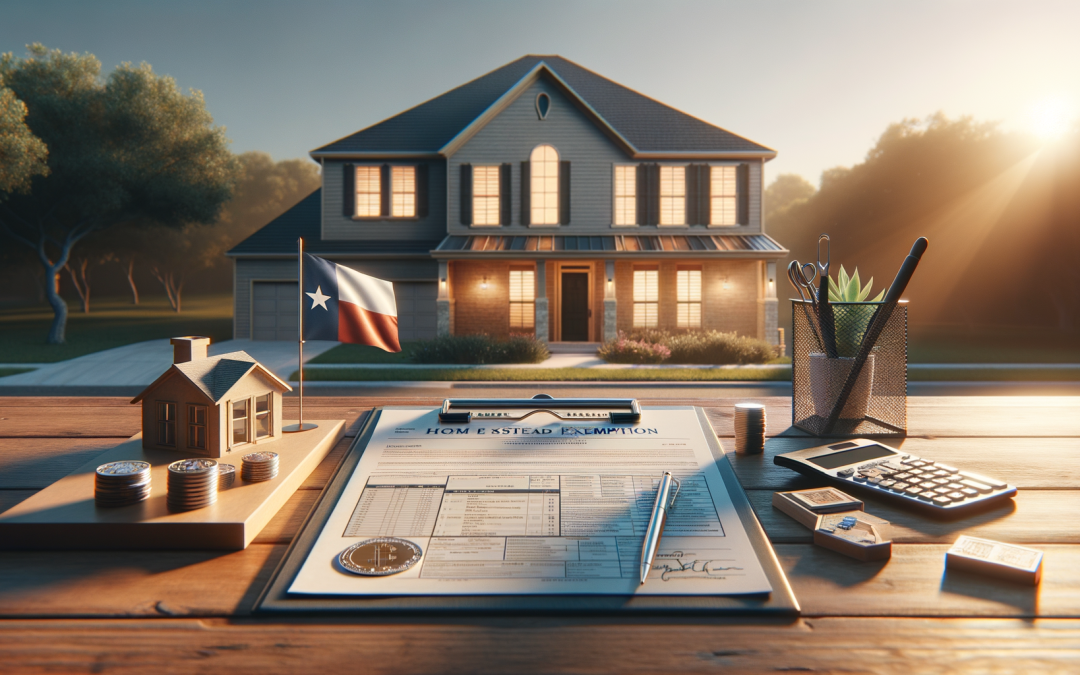
by Christine Cruz | Jan 30, 2026 | News Feed
What Types Of Tax Breaks & Excemptions Can A New Or Existing Home Owner Qualify For?
Why Texas Homeowners Should Pay Attention to 2025 Tax Breaks
In Texas, property taxes are often the biggest ongoing cost of homeownership—sometimes even more noticeable than mortgage interest once you settle in. That’s why understanding 2025 tax breaks and exemptions matters whether you’re buying your first place, moving into a new home, staying put in an existing home, or planning home remodeling.
Texas doesn’t have a state income tax, so cities, counties, school districts, and special districts rely heavily on property taxes. The good news: Texas also offers some of the most meaningful exemptions and valuation “caps” in the country—if you apply for them on time and keep your paperwork clean.
This guide breaks down the most common homeowner tax breaks and exemptions Texans may qualify for in 2025, how they work, typical income requirements where applicable, and step-by-step instructions to claim them.
Quick Texas Tax Basics (So the Rest Makes Sense)
Property taxes vs. federal tax breaks
Most homeowner “tax breaks” fall into two buckets:
- Texas property tax exemptions and appraisal limits (reduce the taxable value of your home for local taxes).
- Federal income tax benefits (like mortgage interest deductions and some energy credits), which can help at filing time.
This article focuses primarily on Texas property tax savings—where the dollars can really add up—while also covering major federal items that commonly apply to Texas homeowners in 2025.
Homestead is the foundation
If your home is your primary residence, the Texas homestead exemption is usually the single biggest lever for lowering your property tax bill. It can also unlock appraisal caps and added protections. If you take nothing else away, remember this: homestead is not automatic in Texas—you generally must apply.
2025 Texas Property Tax Exemptions for Homeowners
1) General Residence Homestead Exemption (Primary Residence)
For most Texans, the starting point is the residence homestead exemption. It reduces the taxable value of your primary residence for certain taxing units (especially school districts). The exact dollar amount can vary by jurisdiction and the exemptions in effect.
Who it’s for: Owners who occupy the property as their principal residence.
- Works for: new homes (once you occupy it), and existing home purchases.
- Applies to: Typically school district taxes first; other local taxing units may offer additional homestead amounts.
Key point for 2025 tax breaks: The value of the exemption and related rules can change based on state law and local adoption. Always verify what your county appraisal district lists for your address.
2) 10% Homestead Appraisal Cap (Value Growth Limit)
Texas also limits how fast your home’s appraised value can increase for tax purposes if it’s your homestead. The cap is generally set at 10% per year on the appraised value increase, plus the value of new improvements.
Why it matters: In fast-moving Texas markets—think North Texas suburbs, parts of Central Texas, and high-growth pockets around Houston—this cap can soften the impact of rising values over time.
- Green flag: If you’ve owned for a few years, your “capped” value may be noticeably lower than market value.
- Red flag: Major home remodeling can increase the value of improvements and may raise your taxable value even with the cap.
3) Age 65 or Older Exemption
Texas homeowners age 65+ may qualify for additional exemptions and, in many areas, school district tax limitations commonly referred to as a “tax ceiling.” Rules vary by district, so it’s smart to confirm locally.
Who it’s for: Homeowners who are 65+ and occupy the home as a homestead.
- Income requirements: Typically no income requirements for the standard over-65 exemption itself, though certain deferrals or relief programs may involve financial eligibility.
- Good to know: Turning 65 often triggers eligibility, but you still generally must apply.
4) Disabled Person Exemption
Homeowners who meet the state’s disability standards may qualify for additional property tax relief. Like the over-65 exemption, this is tied to occupying the home as your primary residence.
- Income requirements: Commonly no income requirements for the base exemption, but confirm if you’re applying for additional relief programs or deferrals.
- Common mistake: Assuming disability benefits automatically notify your appraisal district—applications and documentation are usually required.
5) Disabled Veteran and Surviving Spouse Exemptions
Texas provides meaningful property tax exemptions for qualifying disabled veterans, and in some cases, surviving spouses. The benefit often depends on disability rating and other eligibility factors.
Why it’s a big deal: For certain highly rated disabled veterans, the exemption can significantly reduce—sometimes nearly eliminate—property taxes on a homestead. Eligibility details and documentation requirements matter here.
- Income requirements: Typically not income-based; qualification is based on service-connected disability and related criteria.
- Timing tip: Apply as soon as you qualify or buy—waiting can mean missing savings for that tax year.
6) Agricultural (Ag) Valuation and Open-Space Valuation (Special Use Valuations)
If you own rural property, you may have heard about “ag exemptions.” In practice, Texas generally offers special valuations that tax land based on its agricultural productivity value rather than market value—often a major reduction.
Who it’s for: Qualifying properties used for agriculture, ranching, wildlife management, or timber (rules differ by type).
- Works for: Buyers of acreage, especially outside city limits in regions like the Hill Country, Brazos Valley, the Piney Woods, and West Texas.
- Red flag: If you buy land that previously had ag valuation and change the use (for example, build a subdivision-style residential site), you may face rollback taxes for prior years.
Income requirements: Usually not income-based. It’s use-based, with documentation and compliance requirements.
7) Property Tax Deferral Options (Over 65, Disabled, and Some Veterans)
Some homeowners can legally defer (postpone) paying certain property taxes, often for a residence homestead, with taxes becoming due later (commonly when the home is sold or the owner no longer qualifies). This can help cash flow, but it’s not “free money”—it’s a timing tool.
- Best for: House-rich, cash-flow-tight homeowners who want to stay put.
- Red flag: Deferrals can affect estate planning and the net proceeds of a future sale.
- Income requirements: Eligibility typically hinges on age/disability status rather than income, but confirm details for your situation.
Step-by-Step: How to Claim Texas Homestead and Other Exemptions in 2025
Step 1: Confirm your primary residence and ownership
You generally must own and occupy the home as your principal residence to qualify for the homestead exemption. For a new home, that usually means you’ve moved in—not just closed.
Step 2: Update your ID and records
Many appraisal districts expect your driver’s license or state ID address to match the homestead property address. If you recently moved, update it promptly to avoid delays.
Step 3: Apply through your county appraisal district
Texas exemptions are generally handled by the county appraisal district (CAD). You’ll submit the appropriate application(s) and supporting documents.
Step 4: Watch deadlines and confirmation
Deadlines can vary depending on exemption type and your circumstances. Don’t assume it went through—keep confirmation, track your account online if available, and verify the exemption appears on your property record.
Step 5: Re-check after major life or property changes
If you refinance, remodel, inherit, transfer into a trust, or change occupancy, confirm your exemptions remain properly applied. Paperwork mismatches are a common reason exemptions get delayed or questioned.
2025 Tax Breaks for New Homes vs. Existing Homes (What’s Different?)
New homes: expect a “catch-up” tax bill if you’re not prepared
With new homes, buyers can be surprised by property taxes that jump after closing. Builders may market an estimated tax payment based on an unimproved lot or a partial-year value. Once the home is fully assessed, the tax bill can increase.
- Green flag: Your lender or closing agent provides a realistic tax estimate based on neighboring completed homes.
- Red flag: The monthly payment is calculated using lot-only taxes or without homestead applied.
Practical tip: Ask for a “fully assessed” scenario and then apply your homestead as soon as eligible to reduce the taxable value for school and possibly other taxing units.
Existing homes: verify exemptions don’t transfer automatically
When you buy an existing home, the seller’s homestead exemption typically does not automatically carry over to you. Your first year can be especially important if the prior owner had a capped value far below market value—your taxable value may reset closer to the purchase price or market value.
- Common mistake: Budgeting based on the seller’s tax bill.
- Better approach: Use a conservative estimate based on purchase price and local tax rates, then factor in your expected exemptions.
Home Remodeling and Texas Property Taxes: When Improvements Help (and When They Raise Your Bill)
Home remodeling can be a smart investment in comfort and resale value, but it often increases appraised value—especially for additions, major kitchen upgrades, pools, and significant structural work.
Improvements that commonly increase appraised value
- Square footage additions and garage conversions
- Pool installations
- Major kitchen and bath remodels
- High-end landscaping and hardscaping
- Accessory dwelling units (where permitted)
Repairs vs. improvements (important distinction)
Routine repairs (like replacing a roof after storm damage or fixing plumbing issues) may not raise value the way expansions do, but documentation matters. Keep receipts, contractor scopes, and before/after photos. If you ever protest an appraisal, evidence of what was maintenance versus added value can help.
Energy upgrades can create different kinds of tax breaks
Some energy-related upgrades may not reduce Texas property taxes automatically, but they can qualify for federal credits or other programs. If your remodeling includes insulation improvements, efficient HVAC, windows, solar, or other upgrades, you may be stacking multiple benefits: a more comfortable home, potential utility savings, and potential tax credits.
Federal Homeowner Tax Breaks Texans Often Use in 2025 (High-Level Overview)
Even though Texas doesn’t have a state income tax, homeowners may still benefit on their federal return. These are not Texas exemptions, but they often come up in budgeting conversations—especially for first-time buyers.
Mortgage interest deduction (when itemizing makes sense)
Homeowners who itemize deductions may be able to deduct mortgage interest, subject to IRS rules and limits. Whether this helps depends on your total itemized deductions compared with the standard deduction.
- Who benefits most: Buyers with larger loan balances and higher interest paid, especially early in the loan term.
- Reality check: Many households take the standard deduction, so the benefit isn’t universal.
Income requirements: The mortgage interest deduction is not typically described as income-based, but your overall tax situation and filing status influence the final benefit.
Property tax deduction (SALT cap considerations)
Federal rules limit how much state and local taxes (including property taxes) you can deduct if you itemize. In Texas, where property taxes can be significant, this cap is a frequent pain point for higher-tax areas and higher-priced homes.
Practical takeaway: This federal limitation is one reason Texas homeowners often focus more on local exemptions (homestead, over-65, disabled veteran) to reduce the bill upfront rather than hoping for a big federal deduction.
Energy-efficient home improvement credits
Many homeowners explore federal credits for eligible energy improvements. If you’re planning home remodeling in 2025, ask your tax professional which upgrades may qualify and what documentation you should keep.
- Green flag: Manufacturer certifications and itemized invoices that clearly list eligible equipment.
- Red flag: Assuming labor or the entire project cost qualifies without checking the rules.
Income Requirements: When They Matter (and When They Don’t) in Texas
A common question is whether Texas exemptions have income requirements. For the most widely used exemptions, the answer is usually: not really. Texas homestead, over-65, disabled person, and many veteran-related exemptions are primarily eligibility-based (occupancy, age, disability status, veteran status), not income-tested.
Where income requirements may come into play is with certain local assistance programs, payment plans, deferrals, or niche relief initiatives that aren’t universal statewide. Because these can vary by county and taxing unit, treat income-based programs as “check locally” items.
Seasonal and Regional Texas Tips That Can Save You Money
Spring and summer: home buying season can create tax estimate surprises
Texas sees heavy transaction volume in spring and summer. That’s also when buyers are most likely to underestimate property taxes—especially on new construction or when moving from a lower-tax area to a higher-tax school district. If you’re buying during peak season, build a tax cushion into your monthly budget until the first full assessment comes through.
Fast-growth metros: appraisal protests are common
In areas like DFW, Austin-area suburbs, San Antonio growth corridors, and parts of Houston, rising values can lead to higher appraisals. Many homeowners review their notices closely and consider a protest if the appraisal seems out of step with comparable sales or the condition of the home.
Coastal and storm-prone regions: document condition issues
Along the Gulf Coast and other storm-impacted areas, property condition can change quickly. If your home has damage, deferred maintenance, or functional obsolescence, keep documentation. It can support a more accurate appraisal value and help you avoid overpaying in property taxes.
Common Mistakes (and Easy Fixes) for New and Existing Homeowners
Mistake: Assuming the seller’s tax bill will be your tax bill
Fix: Recalculate taxes using your expected assessed value and current local tax rates, then subtract the exemptions you expect to qualify for once you apply.
Mistake: Missing the homestead application window
Fix: Apply promptly after you move in and have your documents aligned. If you’re unsure, call your county appraisal district and ask what they require for a clean approval.
Mistake: Remodeling without considering future tax impact
Fix: Before major home remodeling, ask your agent or a local tax professional how improvements typically affect appraisal values in your neighborhood. Keep repair vs. improvement documentation.
Mistake: Not checking exemption status every year
Fix: Verify your exemptions on your CAD property record. If something looks off—wrong mailing address, missing exemption, incorrect ownership—address it early.
Practical Pros and Cons: Choosing Your Next Move With Taxes in Mind
Buying a new home
- Pros: Modern systems, energy efficiency, fewer near-term repairs, potentially lower maintenance.
- Cons: Property tax payments may rise after full assessment; exemptions may not be in place immediately; estimates at closing can be optimistic.
Buying an existing home
- Pros: Established neighborhoods, mature landscaping, more predictable utility performance, sometimes more negotiating room.
- Cons: Taxable value may reset upward after purchase; prior owner’s cap/exemptions typically don’t transfer.
Remodeling instead of moving
- Pros: Keep your location and potentially a favorable capped value; customize the home to your needs.
- Cons: Improvements may increase appraised value; projects can run over budget; permits and documentation matter for future appraisal accuracy.
A Simple 2025 Checklist for Texas Homeowner Tax Savings
- Confirm your homestead eligibility and apply through your county appraisal district.
- If eligible, apply for over-65, disabled person, disabled veteran, or surviving spouse exemptions.
- For rural land, verify whether ag/open-space valuation applies and understand rollback tax risk before changing land use.
- Budget for realistic property taxes—especially for new construction and first-year ownership.
- Keep records of repairs and remodeling projects; separate maintenance from value-adding improvements.
- Review your annual appraisal notice and consider a protest if the value seems inaccurate.
Final Thoughts: Turning 2025 Tax Breaks Into Real Savings
Whether you’re moving into a new home, buying an existing home, or planning home remodeling, the best tax outcomes usually come from a few simple habits: apply for the right exemptions, keep clean documentation, and plan for realistic tax bills. Texas homeowners have strong tools—especially the homestead exemption and appraisal cap—but you only benefit if you take action and stay organized.
If you’re unsure which exemptions apply to your situation, start with your county appraisal district’s requirements and then talk with a tax professional for guidance on federal items and any programs with income requirements.

by Christine Cruz | Jan 30, 2026 | News Feed
What Types Of Tax Breaks & Excemptions Can A New Or Existing Home Owner Qualify For?
In Texas, property taxes are often the biggest line item in a homeowner’s budget—sometimes larger than homeowners insurance, and in many counties, larger than state income tax would be (if Texas had one). That’s why understanding 2025 tax breaks and exemptions matters whether you just bought, you’ve owned for years, you’re moving into a new home, or you’re improving an existing home with home remodeling. The right exemption can lower your taxable value for years, while the wrong assumption (like thinking it applies automatically) can cost you real money.
Below is a Texas-first guide to the most common homeowner tax breaks and exemptions, how they work in 2025, and the practical steps to claim them. We’ll also cover typical income requirements where they come up (often for special local programs, not for the standard Texas exemptions), plus green flags, red flags, and common mistakes to avoid.
First, a quick Texas tax reality check (why exemptions matter so much)
Texas doesn’t have a state personal income tax, so local property taxes help fund schools, cities, counties, and special districts. Your bill is generally based on:
- Market value (what the appraisal district believes your home would sell for as of January 1)
- Taxable value (market value minus exemptions and other adjustments)
- Tax rates set by local taxing units
Exemptions reduce your taxable value, which can reduce your annual tax bill. Some exemptions also create or strengthen a tax ceiling (a cap on school district taxes for certain homeowners), which can be a big deal in fast-appreciating metro areas like Austin, Dallas-Fort Worth, Houston, and San Antonio.
2025 tax breaks homeowners ask about most in Texas
1) Homestead exemption (the cornerstone for most Texas homeowners)
The Texas homestead exemption applies to your primary residence—not a rental, not a second home, and not a property you primarily use for business. It’s often the largest and most reliable way to reduce taxable value.
Why it matters in 2025: In many Texas markets, values have stayed elevated even when sales slow seasonally (often late fall and winter). A homestead exemption helps soften that impact by lowering the taxable value used for the bill.
Key points:
- It typically includes a school district exemption amount and may include additional exemptions from the city, county, or special districts depending on local rules.
- It can also trigger or support limits on how fast the appraised value for tax purposes can rise year over year on a homestead (often called a “cap”).
- Income requirements: Standard Texas homestead exemptions generally do not have income requirements. If you see income requirements, you’re usually looking at a separate local relief program—not the basic homestead itself.
Step-by-step: how to claim the homestead exemption (new or existing homeowner)
- Step 1: Confirm it’s your primary residence. You should live there as your main home.
- Step 2: Update your driver’s license/ID address to the property address (this is a common requirement when applying).
- Step 3: Apply through your county appraisal district. This is separate from your mortgage company and separate from your county tax office.
- Step 4: Watch your appraisal notice and tax bill. Confirm the exemption appears and the taxable value reflects it.
Common mistake: Assuming your title company, Realtor, or lender “automatically files it.” In Texas, the homeowner usually must apply.
Green flag: You receive written confirmation from the appraisal district showing the exemption on your account.
2) Over-65 (Age 65+) exemption and school tax ceiling
Texas offers additional benefits for homeowners age 65 or older, including additional exemptions and often a school district tax ceiling that can limit increases in school taxes on the homestead.
How it helps:
- Additional exemption amounts may reduce taxable value further.
- A school tax ceiling can create long-term predictability, especially useful in high-growth counties where values and rates can shift.
Step-by-step:
- Step 1: Confirm the home is your homestead.
- Step 2: Apply for the over-65 exemption with the appraisal district.
- Step 3: Verify whether your school district taxes show a ceiling effect after approval.
Income requirements: The over-65 exemption is age-based, not income-based. However, some local or charitable programs aimed at seniors may include income requirements.
3) Disabled persons exemption
Homeowners who qualify as disabled may be eligible for additional property tax exemptions and, in some cases, a school tax ceiling similar to the over-65 provision.
Practical note: Documentation requirements can be strict. If you’re unsure, call your county appraisal district and ask what proof they need before you submit.
4) Disabled veteran (and surviving spouse) exemptions
Texas is known for strong benefits for disabled veterans, which can include partial or, in certain qualifying cases, full exemptions on a homestead. Surviving spouses may also qualify under specific rules.
Why it matters for 2025: In many Texas counties, property tax bills can be a meaningful barrier to homeownership even when mortgage rates stabilize. Veteran-related exemptions can materially improve affordability and long-term carrying costs.
Red flag: Paying a third-party “consultant” a fee to file basic exemption paperwork. The appraisal district process is designed for homeowners, and your county can typically confirm forms and steps at no cost.
2025 tax breaks for new homes (including new construction and newly purchased properties)
New homes: what changes when you buy new construction?
Buying a new home—especially a newly built home in a master-planned community around Houston, Dallas-Fort Worth, Austin, San Antonio, or the Hill Country—often comes with a tax surprise if you’re not prepared.
Two common new-construction tax patterns:
- “Lot-only” tax bills early on: Some buyers see lower taxes in the construction year because the appraisal initially reflects mostly land value. Once the home is on the roll, the bill increases.
- Escrow shortages: If your lender escrowed taxes based on an early, lower assessed value, your payment can jump when the full value hits.
How exemptions help: The homestead exemption and any additional exemptions you qualify for reduce taxable value once in place, but you still need to plan for the home’s full assessed value.
Step-by-step: smart tax planning when closing on a new home
- Step 1: Ask for a realistic tax estimate based on the home’s expected full value, not just the lot.
- Step 2: Confirm which tax jurisdictions apply (school district, MUD, city, county, special districts). Newer communities often have multiple taxing entities.
- Step 3: File your homestead exemption as soon as you’re eligible.
- Step 4: Review your lender escrow analysis after the first full tax year to avoid shock.
2025 tax breaks for existing home owners (longtime owners, resale buyers, and move-up/downsize buyers)
Resale homes: check the exemption status after closing
If you buy an existing home, the seller’s exemptions do not automatically transfer to you. You generally need to apply in your name, even if the property already had a homestead exemption under the prior owner.
Checklist for resale buyers:
- Confirm the prior owner’s exemptions are removed after the sale (this is normal).
- Submit your homestead application promptly once you occupy the home.
- Make sure your mailing address and ownership details match county records.
Longtime owners: watch for value notices and protest deadlines
Even with exemptions, your market value may rise or fall, and local tax rates can shift. Texas has a defined protest season, and many homeowners review appraisal notices in the spring.
Green flag: You compare your home’s appraised value to recent neighborhood sales and similar properties.
Red flag: You ignore the notice until the tax bill arrives—at that point, your options are usually more limited.
Home remodeling and property taxes in Texas (what improves value vs. what may qualify for relief)
Home remodeling is one of the most confusing areas for homeowners because it can both increase value and, in certain situations, reduce taxes through specialized relief.
When remodeling can raise your property taxes
Many improvements can increase market value and therefore taxable value over time. Examples include:
- Adding square footage (room additions, garage conversions done to code)
- Major kitchen remodels, layout changes, high-end finish upgrades
- Adding a pool (common in warmer Texas regions)
Practical tip: If you’re remodeling, keep good records of what you did and when. It helps you explain changes if the appraisal district’s data is inaccurate or overstates the scope/quality of work.
When remodeling may support a tax break: repairs vs. improvements
Routine maintenance and repairs (like replacing a roof with similar materials, repairing siding, or fixing HVAC) typically preserve value rather than dramatically increasing it. That doesn’t always mean taxes go down, but it can help you push back if an appraisal assumes an “upgrade” that didn’t happen.
Energy-efficient and resilience upgrades: potential 2025 tax breaks to ask about
Some homeowners pursue upgrades like solar, insulation improvements, energy-efficient windows, or storm-hardening features. Whether these translate into a Texas property tax exemption depends on the type of improvement and local implementation. In practice, homeowners often benefit more from:
- Utility savings (lower monthly bills in hot Texas summers)
- Insurance impact (in some cases, mitigation features may help)
- Resale appeal in competitive neighborhoods
That said, it’s worth calling your appraisal district before a major project and asking: “Are there any property tax exemptions or special valuations in 2025 that apply to this type of improvement?”
Special valuations and exemptions beyond the basics (Texas-specific categories)
Agricultural (Ag) valuation and open-space valuation (common outside city cores)
In many parts of Texas—especially exurban and rural areas outside fast-growing metros—properties may qualify for agricultural or open-space valuation (often called “ag exemption,” though it’s technically a valuation method). This can drastically reduce taxable value compared to market value.
Important: Ag/open-space rules can be strict. They typically relate to land use, degree of intensity, and history of qualifying use. If you’re buying acreage, ask early whether the current valuation is in place and what it takes to maintain it after closing.
Red flag: A listing implies “ag exempt” without explaining requirements or potential rollback taxes if the use changes.
Wildlife management valuation
Some landowners may maintain a special valuation through wildlife management practices. This is Texas-specific and often relevant for larger tracts. Documentation and ongoing practices matter, so it’s not a “set it and forget it” benefit.
Do Texas property tax exemptions have income requirements?
This is one of the most searched questions, and it’s where homeowners often get mixed messages. For most mainstream homeowner exemptions in Texas, income requirements are not the deciding factor. Eligibility is usually based on:
- Primary residence (homestead)
- Age (65+)
- Disability status
- Veteran disability rating (for certain exemptions)
Where income requirements can show up in 2025:
- Local relief programs offered by certain cities, counties, or nonprofits (often limited funding)
- Payment plans or deferrals that consider household finances in practical underwriting, even if not legally required
- Assistance programs tied to home repairs (weatherization, accessibility upgrades) that can indirectly support affordability
If you’re asked for income documentation, clarify whether you’re applying for a standard exemption (usually no income requirements) or a separate local program (often has income requirements).
How to apply, verify, and keep your exemptions (simple 2025 checklist)
Step 1: Identify what you qualify for
- Homestead (primary residence)
- Over-65 or disabled persons
- Disabled veteran / surviving spouse
- Any local optional exemptions (city/county/special district)
Step 2: Gather documents before you apply
- Government-issued ID showing the property address (commonly requested)
- Proof of disability or veteran status if applicable
- Closing documents if you recently purchased (helpful for ownership questions)
Step 3: Apply with the county appraisal district (not your lender)
Your mortgage company may escrow taxes, but exemptions are typically handled through the appraisal district. If you’re unsure where to file, search your county’s appraisal district name and look for “exemptions” or “homestead.”
Step 4: Review your appraisal notice and tax bill
After approval, confirm the exemption shows up on your property account and that your taxable value reflects it. If something looks off, call promptly—small record errors can become expensive if they linger.
Step 5: Keep your exemption valid year after year
Most homeowners keep their homestead exemption as long as the home remains their primary residence. Common events that can trigger issues include moving out, converting the home to a rental, certain title changes, or failing to respond to appraisal district requests for confirmation.
Buying or selling in 2025? How exemptions affect negotiations and budgeting
For buyers: don’t use the seller’s tax bill as your final number
Sellers may have exemptions you won’t have (or vice versa), and their taxable value may be capped from years of ownership. Your first full year may be based on a higher value. When you’re budgeting, ask for:
- A tax estimate based on today’s market value
- A scenario with and without the homestead exemption
- A note about new construction timing if buying a new home
For sellers: be ready to explain your tax situation clearly
In Texas, savvy buyers ask questions about taxes early. If you have a low tax bill because of long-term ownership, a homestead cap, or a special valuation, set expectations: the buyer’s bill may differ after the sale.
Pros and cons: common 2025 tax break strategies in Texas
Homestead exemption
- Pros: Widely available; lowers taxable value; may limit annual increases on taxable value
- Cons: Must be your primary residence; you typically need to apply; doesn’t automatically transfer after a sale
Over-65 / disabled exemptions
- Pros: Additional reduction; may create school tax ceiling; helpful for fixed-income planning even without income requirements
- Cons: Documentation and timing matter; you still owe taxes to other entities that may not be capped the same way
Ag/open-space valuation (where applicable)
- Pros: Can significantly reduce taxable value on qualifying acreage
- Cons: Must meet use and intensity requirements; changing use can trigger rollback taxes; not typically relevant for suburban lots
Common mistakes to avoid (and quick fixes)
- Mistake: Waiting too long to apply for homestead after moving in. Fix: Put a reminder on your calendar tied to move-in and ID update.
- Mistake: Assuming a new home’s first-year taxes are the “real” taxes. Fix: Request a full-value estimate and plan for escrow adjustment.
- Mistake: Not checking that exemptions are actually listed on the appraisal district account. Fix: Verify online or by phone and keep confirmation.
- Mistake: Confusing income requirements from local assistance programs with standard exemptions. Fix: Ask, “Is this a standard appraisal district exemption or a separate relief program?”
- Mistake: Remodeling without understanding potential value impact. Fix: Keep receipts and permits, and be ready to clarify the scope of work if the appraisal jumps.
2025 outlook: what homeowners should watch in Texas
Looking ahead, Texas homeowners should expect property taxes to remain a major affordability factor, even when home prices or mortgage rates move seasonally. In many areas, spring and early summer bring more listings and more closed sales data—often influencing appraisal comparisons. In slower seasons, value trends may cool, but tax rates and local budget needs still play a role.
Rather than trying to predict exact tax bills, the most reliable approach is to control what you can: claim every exemption you qualify for, understand how a new home’s valuation will change, and keep documentation for any home remodeling that affects condition or features.
Final takeaway: the best tax break is the one you actually claim
For most Texans, the homestead exemption is the starting point, with additional 2025 tax breaks available for over-65 homeowners, disabled persons, disabled veterans, and certain rural land uses. Whether you’re buying new homes, purchasing an existing home, or planning home remodeling, a little paperwork and proactive planning can translate into meaningful long-term savings—and fewer surprises when the bill arrives.

by Christine Cruz | Jan 19, 2026 | News Feed
3D Printed New Contruction Smart Homes of the Future – Pro’s & Con’s & Design Concepts
Why Texas Buyers and Sellers Are Paying Attention
Texas has long been a testing ground for new homebuilding ideas—thanks to fast-growing metro areas, steady relocation demand, and a strong culture of innovation. Over the last few years, one of the biggest “what’s next?” conversations has centered on 3D printed homes with built in smart home technolofy. The promise is compelling: faster builds, improved efficiency, and modern layouts that pair well with cool smart home technology.
At the same time, practical questions matter most for real people trying to buy or sell a home in today’s market: How does the sales price compare to traditional construction? Will it appraise? Is it durable in Texas heat, hail, and shifting soils? And what does owning one actually feel like day to day?
This guide breaks it all down in plain language for Texas buyers, sellers, and curious homeowners—covering the benefits, the concerns, and the design concepts shaping 3D printed smart homes of the future.
What Is a 3D Printed Home (and What Isn’t It)?
A 3D printed home typically refers to a house where a large-scale construction printer “prints” some or all of the wall system, most often using a concrete-based material. The printer lays down the wall material in layers, guided by a digital plan. Think of it like piping icing—only at building scale, and with structural material.
What parts are usually printed?
- Most common: Exterior and/or interior wall systems printed in a concrete-based mix
- Sometimes: Certain partitions, decorative features, or accessory dwelling units (ADUs)
- Usually not printed: Roof framing, windows, doors, mechanical systems (HVAC), electrical wiring, plumbing, cabinetry, and finishes
Why “new construction” matters here
In Texas, most 3D printed residential projects are new construction. That matters because new builds come with different timelines, inspection phases, warranty expectations, and financing requirements than resale homes. It also means buyers need to understand what’s “standard” for this builder versus what’s an upgrade—especially for smart home features and energy-efficiency options.
Texas Market Context: Where 3D Printed Homes Are Showing Up
Texas conditions make the state a natural candidate for alternative building methods. Demand has been strong in many regions, and builders are always looking for ways to deliver homes faster and more cost-effectively—without sacrificing quality.
Common Texas drivers for interest
- Rapid growth: Continued demand in major metros and surrounding suburbs
- Skilled labor shortages: A recurring challenge that can affect construction timelines
- Weather realities: Heat, occasional deep freezes, hail, and storm seasons encourage durable building envelopes
- Energy costs: A strong incentive for efficiency-focused construction and smart controls
Seasonal patterns to keep in mind
New construction activity in Texas often surges in spring and early summer when weather is more predictable, then faces schedule pressure during peak heat and storm periods. While a 3D printed wall system can reduce time spent on some phases, permitting, site work, inspections, and utility connections still follow local schedules—and those can be just as seasonal as traditional builds.
The Big Benefits: Why Buyers Like the Idea
The appeal of 3D printed homes isn’t just novelty. The best projects focus on performance, long-term operating costs, and comfort—especially when paired with cool smart home technology that makes a house easier to manage.
1) Potentially faster build timelines (for certain phases)
When printing replaces parts of conventional framing, some wall-construction steps can move faster and more predictably. That can be especially helpful in markets where labor availability can cause delays.
- Green flag: A builder who provides a clear construction schedule showing what’s faster and what’s unchanged
- Red flag: Marketing that claims “printed in 24 hours” without clarifying that most of the home still requires standard trade work and inspections
2) Strong “envelope” potential and energy efficiency
One of the most practical reasons Texans care about 3D printed homes is efficiency. A tight, well-designed building envelope helps reduce air leakage, stabilize indoor temperatures, and keep HVAC systems from working overtime—especially during long summer heat waves.
Actual performance depends on design choices: insulation strategy, window quality, roof assembly, sealing around penetrations, and HVAC sizing. But many 3D printed designs aim for fewer gaps and a sturdier wall assembly than some standard builds.
3) Durability and resilience (with the right engineering)
Concrete-based wall systems may offer advantages for certain durability concerns, such as resistance to pests and reduced susceptibility to some types of rot. In Texas, that can matter in humid regions and anywhere termites are common.
That said, resilience is never automatic. The foundation design, reinforcement approach, roof system, and water management details (flashing, drainage, grading) are still critical.
4) Design flexibility and modern aesthetics
3D printing can enable curved walls, unique textures, and architectural details that may be costlier with traditional methods. Many buyers love the contemporary look, especially when combined with minimalist interiors and smart lighting scenes.
5) A natural fit for cool smart home technology
Because these homes are often built as “future-forward” projects, many feature smart home packages from day one—rather than as afterthoughts. Buyers shopping for 3D printed homes with built in smart home technolofy often prioritize convenience, security, and energy control.
Pros & Cons at a Glance (for Texas Buyers)
Pros
- Efficiency potential: Tighter envelope designs can reduce cooling demand in hot months
- Modern design: Unique architecture and cleaner lines
- Durability: Concrete-based walls may resist pests and some moisture-related issues
- New construction advantages: Warranties, new systems, and fewer near-term repairs
- Smart home readiness: Easier to integrate structured wiring, sensors, and smart panels during construction
Cons
- Financing/appraisal learning curve: Some lenders and appraisers may have limited comparable sales
- Builder variability: Quality depends heavily on engineering, materials, and site management
- Repairs and modifications: Cutting into printed walls for future changes may be more complex
- Permitting and code approvals: Can vary by city/county and may add time
- Resale uncertainty: Buyer pool may be smaller in some areas until the concept becomes more common
Sales Price: How 3D Printed Homes Compare in Texas
Let’s address the question most buyers ask right away: what’s the sales price difference?
In Texas, sales price is influenced by far more than wall construction method. Land cost, neighborhood, builder reputation, square footage, finishes, energy features, and availability of comparable homes all matter. So instead of a single “3D printed homes are cheaper” rule, a more accurate way to think about it is this:
- Scenario A (value-forward builds): Some 3D printed projects aim to reduce labor and streamline construction. If land is reasonably priced and finishes are modest, the sales price can be competitive with entry-level or mid-range new construction.
- Scenario B (design-forward builds): Many 3D printed homes are marketed as premium, architecturally distinctive properties with upgraded smart systems and modern finishes. In that case, the sales price can meet or exceed nearby new builds.
- Scenario C (limited comps): If there are few similar sales, pricing may reflect a mix of replacement-cost thinking and buyer willingness to pay for uniqueness, which can create a wider range of outcomes.
What tends to push the sales price up
- Prime location or high land costs (common in and near Austin, parts of Dallas-Fort Worth, and desirable Houston suburbs)
- High-end window packages, roofs, and interior finishes
- Extensive smart home packages (smart electrical panels, whole-home battery readiness, advanced security and automation)
- Custom architecture, especially curved or complex layouts
- Smaller production scale (one-off builds can cost more per square foot than larger developments)
What may help keep sales price competitive
- Standardized plans used repeatedly (more like a tract-build model)
- Simpler rooflines and efficient footprints
- Smart features focused on efficiency rather than luxury add-ons
- Builder relationships with local inspectors, engineers, and trades that reduce delays
A practical buyer takeaway on pricing
When comparing sales price, ask for an apples-to-apples comparison. A 3D printed home may include upgrades (smart locks, thermostats, EV-ready wiring) that a nearby “traditional” new construction home charges extra for. The sticker price only tells part of the story—total monthly cost and comfort are often where the difference shows up.
Efficiency and Energy Performance: What to Look For in Texas
In much of Texas, cooling is a major part of the monthly budget. That’s why efficiency isn’t just a buzzword—it’s a real quality-of-life feature. A well-built home that maintains temperature and humidity more consistently can feel better and cost less to operate.
Key efficiency features that matter (printed or not)
- Insulation strategy: Ask where insulation is placed and what R-values are used for walls and roof
- Air sealing: A tight building envelope reduces hot air infiltration and humidity issues
- High-performance windows: Low-E coatings and proper installation reduce heat gain
- HVAC design: Right-sized systems and good ductwork (or ductless designs) improve comfort
- Ventilation: Balanced ventilation can help with indoor air quality and humidity control
- Roof/attic approach: Radiant barriers, sealed attics, and reflective roofing can help in hot regions
How smart home technology boosts efficiency
Smart systems can improve efficiency when they’re set up thoughtfully. The goal isn’t gadgets—it’s better control and better information.
- Smart thermostats: Scheduling and learning features can reduce unnecessary runtime
- Room sensors: Helps manage hot spots and comfort zones
- Smart shades or lighting: Reduces solar heat gain and cuts lighting waste
- Leak detection sensors: Prevents expensive water damage, especially in vacation or second homes
- Smart electrical panels: Helps monitor usage and manage loads during peak demand
Common efficiency mistakes to avoid
- Assuming “printed” automatically means efficient: Efficiency depends on the full system—roof, windows, insulation, and sealing details.
- Overlooking humidity control: In many Texas regions, comfort is as much about moisture as temperature.
- Ignoring orientation: West-facing glass can raise afternoon cooling load significantly.
Cool Smart Home Technology: What’s Worth It (and What’s Just Flashy)
Buyers drawn to 3D printed homes with built in smart home technolofy often want a home that feels modern on day one. Here’s how to separate truly useful features from “nice demos” that don’t add much long-term value.
High-value smart features (practical in Texas)
- Smart thermostat + humidity-aware controls: Especially helpful during long cooling seasons
- Smart leak detection + auto shutoff valve: A big win for risk reduction
- Smart garage door + camera coverage: Common daily convenience and security use
- Video doorbell and exterior lighting automation: Improves safety and visibility
- Smart electrical monitoring: Helps track high-use appliances and plan for solar/EV charging
Features that can be great, but depend on the owner
- Whole-home audio: Excellent for some households, unused by others
- Advanced automation scenes: Useful if set up properly; otherwise can be annoying
- Voice assistant integrations: Convenient, but some owners prefer fewer always-on devices
Questions to ask about the smart home package
- Is it a single ecosystem or mixed brands?
- Will features work without subscription fees?
- Is there a structured wiring panel and strong Wi-Fi design?
- Are there dedicated circuits for future upgrades like EV chargers or a battery system?
Design Concepts for 3D Printed Smart Homes (Texas-Friendly Ideas)
The most exciting part of this trend may be design. 3D printing can make certain shapes and details easier to build, which opens the door to layouts tailored to Texas living—indoor-outdoor flow, shade strategies, and flexible spaces.
1) Heat-smart massing and shaded outdoor living
Texas homes live and die by shade and airflow. Design concepts that work well include:
- Deep overhangs and covered patios for afternoon sun protection
- Courtyard plans that create private outdoor space without huge exposure
- Window placement that prioritizes morning light and reduces west-facing heat gain
2) Curved walls and wind-friendly forms
Curved forms can be an aesthetic signature of printed construction. In some designs, smoother shapes can also reduce wind pressure points compared to sharp corners—though actual performance depends on engineering and roof structure.
3) “Right-sized” footprints with flexible rooms
In many Texas markets, buyers want practical spaces: a home office, a guest room, or a flex space that can evolve. Popular concepts include:
- Split-bedroom layouts for privacy
- Home office nooks near the entry (great for remote work)
- Garage-to-mudroom transitions designed for Texas dust and sports gear
4) Smart utility cores
A smart “core” groups mechanical systems, networking equipment, and electrical controls in one accessible area. This is especially useful for homes with advanced efficiency features.
- Dedicated network closet for routers and smart hubs
- Clear labeling for smart panel circuits and loads
- Space planning for future battery storage or additional controls
Concerns to Understand Before You Buy (and How to Reduce Risk)
Every building method has tradeoffs. The goal isn’t to be skeptical—it’s to be informed, especially with newer construction approaches.
1) Appraisal and comparable sales
Because 3D printed homes are still relatively uncommon, an appraiser may have fewer “like for like” comparable sales. That can affect valuation and, in some cases, financing outcomes.
- Green flag: The builder and agent can provide documentation of costs, specs, and nearby comparable new construction.
- Red flag: A sales pitch that dismisses appraisal concerns instead of planning for them.
2) Financing and insurance questions
Many buyers can finance these homes with standard mortgage products, but lender familiarity varies. Insurance carriers may also ask detailed questions about materials and replacement cost.
- Tip: Ask early whether the home qualifies for standard underwriting and what documentation the lender wants.
- Tip: Request an insurance quote before you’re deep into the option period.
3) Permitting, code compliance, and engineering
Texas building requirements can vary by city and county. Some jurisdictions are very comfortable with alternative methods; others may require extra engineering review or inspection steps.
- Green flag: The builder has a track record in the same jurisdiction and can show approved plans and engineering stamps.
- Red flag: Vague answers about how the wall system meets code or handles reinforcement.
4) Repairs, remodeling, and future modifications
Homeowners often change things over time: adding outlets, running new cables, mounting TVs, installing shelving, or remodeling kitchens and baths. With printed walls, modifications may require special tools, careful planning, and experienced contractors.
- Ask: How are utilities routed? Are there chases or designated pathways for future wiring and plumbing changes?
- Ask: What fasteners and mounting methods are recommended for the wall system?
5) Moisture management and exterior detailing
Texas weather can be tough on exterior assemblies. Even with durable wall materials, water intrusion can still happen at transitions—around windows, doors, rooflines, and penetrations.
- Green flag: Clear detailing for flashing and drainage, and a warranty that spells out coverage.
- Red flag: Rushed finishing work around openings or inconsistent sealants.
Step-by-Step: How to Buy a 3D Printed New Construction Smart Home in Texas
Buying new construction is a process, and printed construction adds a few extra questions. Here’s a straightforward roadmap.
Step 1: Get pre-approved (and ask the right lender questions)
- Request a standard pre-approval based on your income, debts, and credit.
- Ask whether the lender has financed non-traditional construction methods before.
- Confirm the lender’s expectations for appraisal and documentation.
Step 2: Review what’s included in the smart home and efficiency package
- Ask for an itemized list of smart devices and whether subscriptions are required.
- Confirm HVAC specs, insulation details, window ratings, and any energy certifications offered.
- Understand what is standard vs. upgrade so you can compare sales price fairly.
Step 3: Understand the timeline and contingency windows
- For move-in-ready homes, confirm inspection and closing timelines.
- For homes under construction, review the build schedule and how delays are handled.
- Ask about change order policies if you want customization.
Step 4: Do inspections—yes, even on new construction
New doesn’t mean perfect. A third-party inspector can help you spot issues early.
- Pre-drywall (if applicable): Checks framing, rough-in mechanicals, and sealing strategy
- Final inspection: Focuses on finishes, function, drainage, and safety items
- Optional tests: Air leakage testing, duct leakage testing, and thermal imaging for insulation gaps
Step 5: Negotiate with facts, not just feelings
- Use inspection results to request repairs or credits.
- Ask for smart home devices to be installed and demonstrated before closing.
- For pricing, ask about builder incentives: rate buydowns, closing cost contributions, or upgrades.
Step 6: Final walkthrough and closing
- Test smart locks, thermostats, garage controls, and cameras.
- Confirm you receive login transfer instructions and reset procedures.
- Collect warranty documents and a clear service request process.
Step-by-Step: Selling a 3D Printed Smart Home in Texas
If you own a 3D printed home—or plan to in the future—resale strategy matters. The goal is to make the home feel understandable and financeable to the widest pool of buyers.
Step 1: Prepare documentation that builds confidence
- Permits, engineering documents, and warranties
- Smart home device list (brands, ages, subscriptions, and reset instructions)
- Utility bills or usage summaries (when available) to support efficiency claims
Step 2: Price with local comps, then adjust for features
- Start with nearby new construction and resale comps of similar size and location.
- Account for smart features and efficiency upgrades in a clear, itemized way.
- Be realistic: uniqueness can add value, but it can also narrow the buyer pool.
Step 3: Market the benefits in plain language
- Focus on comfort, operating costs, durability, and modern convenience.
- Explain how the smart system helps daily life (not just that it exists).
- Offer a simple “how to use the home” sheet for showings and open houses.
Red Flags and Green Flags Specific to Printed New Construction
Green flags
- Clear engineering documentation and a builder who welcomes questions
- Strong water management details (flashing, drainage, grading)
- Thoughtful smart home setup with good Wi-Fi planning
- Transparent warranty terms and a responsive service process
- Evidence-based claims about efficiency (not just hype)
Red flags
- Unclear answers about how utilities are routed or how modifications are handled
- Overpromising on build speed without acknowledging standard construction phases
- Limited documentation for permits, testing, or inspections
- Smart devices installed without a cohesive system or without owner control transfer
- Finish issues around windows/doors that could signal water intrusion risk
What the “Future” Likely Looks Like in Texas (Scenarios, Not Guarantees)
It’s reasonable to expect more experimentation and gradual adoption—especially in fast-growing Texas corridors where builders look for speed, consistency, and workforce flexibility. But outcomes will vary by city regulations, builder quality, and consumer comfort.
Scenario 1: More printed wall systems in entry-level and workforce housing
If printing helps stabilize labor needs and reduce certain timeline risks, we may see more value-focused communities where the main goal is reliable delivery and efficiency.
Scenario 2: Premium design-forward homes expand the category
Architect-led projects can push the design side—curves, textures, and indoor-outdoor concepts—especially in lifestyle-driven markets. These may carry higher sales price points but attract buyers seeking uniqueness.
Scenario 3: Smart home packages become more standardized
As buyers increasingly expect smart thermostats, security, and energy monitoring, builders may shift from “optional tech upgrades” to baseline packages—especially where efficiency and insurance risk reduction are priorities.
Bottom Line: Are 3D Printed Smart Homes Worth It?
For many Texas buyers, the answer depends on priorities. If you value modern design, potential efficiency gains, and integrated cool smart home technology—and you’re comfortable doing a bit of extra diligence on financing, appraisals, and documentation—these homes can be a strong fit.
The best approach is to evaluate the home like any other major purchase: look closely at build quality, warranty strength, neighborhood fundamentals, and monthly cost of ownership. When the printed construction is paired with sound engineering and a well-planned smart home system, the “future” can feel surprisingly practical.

by Christine Cruz | Dec 5, 2025 | News Feed
When is the Best Time to Market a Home in Texas and What Are the Best Ways to do it
Why Timing and Marketing Matter So Much in Texas
Texas is a big state with very different real estate rhythms depending on where you live. A condo in downtown Austin won’t behave the same way as a family home in suburban DFW, a ranch-style property outside San Antonio, or a coastal home near Corpus Christi. Still, one truth holds across the state: the best results usually come from pairing smart timing with strong presentation and a clear plan to reach the right buyers.
In this guide, we’ll break down the best time of the year to market and showcase a home for sale in Texas, explain what’s different about Texas seasonality, and share practical, field-tested Texas Marketing Strategies for REALTORS to help a listing stand out—whether you’re launching in peak season or need to sell during a quieter month.
Understanding Texas Market Seasonality: What “Best Time” Really Means
When people ask for the “best time,” they often mean: “When will I get the most buyers, strongest offers, and the easiest path to closing?” In Texas, that generally lines up with the school calendar, weather, employer relocation cycles, and interest rate sensitivity. The “best” time can also depend on your property type, local inventory, and how prepared the home is to show.
The Key Indicators That Shape Timing in Texas
- Buyer demand: Often measured by showing activity, website traffic, open house turnout, and offer volume.
- Inventory levels: More listings mean more competition; fewer listings can mean faster sales but sometimes fewer buyers shopping.
- Days on market (DOM): Shorter DOM often signals stronger demand and better pricing power.
- Sale-to-list price ratio: How close homes sell to the asking price (or above it) in your area.
- Mortgage rate environment: Texas buyers are very payment-sensitive, especially in higher price tiers where taxes and insurance already add to monthly costs.
These indicators don’t move the same way in every Texas metro, but they do follow recognizable seasonal patterns.
The Best Time of the Year to Market and Showcase a Home for Sale in Texas
For most Texas sellers, the strongest window tends to be spring into early summer. That said, the “best time” isn’t just a month on a calendar—it’s when your home is ready, priced correctly, and marketed with intention.
Spring (March–May): Texas’s Most Reliable “Prime Time”
In much of Texas, spring is the sweet spot. Buyer activity typically ramps up after the holidays, families plan moves around the school year, and the weather is generally favorable for showings. Landscapes also tend to look their best—important for curb appeal photos and in-person tours.
- Why it works: More active buyers, higher showing volume, and strong competition for well-prepared homes.
- Common seller advantage: Better chance at multiple offers (depending on local inventory and price point).
- Watch-outs: More listings hit the market too, so standout marketing matters.
Early Summer (June): Strong Demand, But Manage the Heat Factor
June often stays strong because buyers want to close and move before the next school year. In hot markets, the summer sun can be both a plus (bright photos) and a challenge (uncomfortable showings, stressed landscaping).
- Why it works: Families are motivated; relocation timelines are active.
- Best fit: Family homes, homes near schools, and properties with outdoor features like pools (when presented well).
- Watch-outs: Schedule showings earlier or later in the day to avoid extreme heat, and keep lawns and foundation watering consistent.
Late Summer (July–August): Still Active, But Buyers Get Pickier
By late summer, some buyers feel urgency, while others start to hesitate if they missed earlier opportunities or worry about closing timelines. In parts of Texas, August can be slower due to vacations and heat.
- Why it can still work: Serious buyers remain, and many are motivated by school deadlines.
- Common shift: Buyers may negotiate harder, especially if inventory has grown.
- Watch-outs: Homes that show wear (tired landscaping, dated interiors) can sit longer if the competition is fresher.
Fall (September–November): Fewer Buyers, Often More Serious Ones
Fall can be an underrated time to sell in Texas. While the buyer pool is usually smaller than spring, many fall buyers are highly motivated—relocations, life changes, and year-end timing. Plus, homes can photograph beautifully with warm light and seasonal curb appeal.
- Why it works: Less competition than spring; more serious buyer intent.
- Best fit: Well-maintained homes priced realistically; homes in areas with steady corporate relocation.
- Watch-outs: Pricing matters more because casual buyers have largely left the market.
Winter (December–February): Lowest Activity, But Not “Impossible”
Winter is typically the slowest season statewide, with holidays and colder weather (yes, even in Texas) affecting showing schedules. Still, winter buyers tend to be highly motivated, and fewer competing listings can help your home stand out if it’s marketed properly.
- Why it can work: Less competition; motivated buyers; potential employer relocation.
- Best fit: Move-in-ready homes, updated properties, and homes priced to reflect the season.
- Watch-outs: Shorter daylight hours reduce showing flexibility; online presentation becomes even more important.
Timing by Region: Texas Isn’t One Market
Texas seasonality is real, but it’s not identical everywhere. Here’s how timing often plays out across common regions, with the reminder that local inventory and pricing can override the calendar.
DFW (Dallas–Fort Worth): Strong Spring, Active Year-Round Pockets
DFW often sees a classic spring surge, but many suburbs also have consistent demand due to job growth and relocation. Well-priced homes in good school zones can perform in most months, especially with strong presentation.
Austin and Central Texas: Spring Peak, But Strategy Depends on Price Tier
Central Texas can be sensitive to mortgage rates and affordability, especially as property taxes and insurance affect monthly payments. Spring can bring the biggest buyer pool, but in slower cycles, fall can provide better “serious buyer” traffic.
Houston: A Diverse Market Where Neighborhoods Drive Outcomes
Houston’s size and variety mean timing can vary widely by neighborhood and price point. Flood risk disclosures and insurance costs play a major role in buyer decision-making, so marketing should emphasize documentation, improvements, and transparency.
San Antonio: Family Moves and Value-Driven Buyers
San Antonio often tracks the school calendar closely, making spring and early summer strong. Homes that clearly show value—condition, layout, and utility costs—tend to perform best.
Coastal Texas: Weather and Storm Season Influence Marketing
Coastal areas can see shifts around hurricane season. Clear records, windstorm features, and insurance guidance can be as important as staging. Spring can be strong, but readiness and documentation matter year-round.
Seller-Ready vs. Calendar-Ready: The Best Time Is When Your Home Is Truly Prepared
It’s tempting to chase the “perfect month,” but a home that’s clean, repaired, staged (or well-presented), and priced correctly often outperforms a poorly prepared home listed at the “best” time. In Texas, preparation is especially important because buyers pay attention to condition items that impact comfort and cost.
Texas-Specific Prep Items Buyers Notice Quickly
- HVAC performance: Buyers expect strong cooling in summer and reliable heating for winter cold snaps.
- Foundation and drainage: Texas soil movement makes drainage, grading, and repair documentation important.
- Roof age and insurance readiness: Roof condition impacts insurance quotes and buyer confidence.
- Energy efficiency: Windows, insulation, and shade can matter more here because of long hot seasons.
- Water restrictions and landscaping: In drought-prone areas, low-maintenance landscaping can be a selling point.
Texas Marketing Strategies for REALTORS: A Complete Playbook to Showcase a Home
Great marketing is more than posting on the MLS and hoping for traffic. The best listing campaigns feel cohesive: clear positioning, strong visuals, targeted distribution, and a showing experience that matches the online promise. Below are high-impact Texas Marketing Strategies for REALTORS that consistently help homes sell faster and for better terms.
1) Start With Positioning: Who Is the Most Likely Buyer?
Before photos or ad copy, define the likely buyer profile. Is it a first-time buyer wanting a low-maintenance home near major highways? A family prioritizing schools and parks? A buyer relocating from out of state who will rely heavily on virtual tours?
- Green flag: Marketing language matches the home’s real strengths (layout, commute, upgrades, lot, schools).
- Red flag: Generic descriptions that don’t differentiate the property from nearby listings.
2) Professional Photography That Fits Texas Light and Space
In Texas, natural light and spacious floorplans are major selling points. Professional photos should highlight bright interiors, tall ceilings (if applicable), and clear room flow. Exterior shots should be timed for flattering light and a tidy yard.
- Best practice: Use consistent photo angles that help buyers understand the layout, not just “pretty corners.”
- Seasonal tip: In summer, schedule exterior shots early morning or late afternoon to avoid harsh shadows.
3) Video Walkthroughs and Short-Form Reels That Answer Buyer Questions
Video is especially helpful for out-of-town buyers relocating to Texas. A walkthrough can reduce wasted showings by setting accurate expectations and building trust.
- Use long-form video to show flow and condition (especially kitchen, baths, and major systems).
- Use short clips to highlight top features: backyard, pool, updated primary bath, home office, or storage.
4) 3D Tours and Floor Plans: Huge Value in a Spread-Out State
Texas metros involve real driving. Many buyers pre-screen heavily before they commit to a showing. A 3D tour and a clear floor plan help buyers understand the home quickly and can increase qualified showings.
- Green flag: Floor plan is accurate and easy to read.
- Red flag: Missing room dimensions or confusing labeling that makes buyers doubt the listing’s accuracy.
5) Listing Copy That’s Specific, Compliant, and Benefit-Driven
Great listing copy is clear, descriptive, and specific without crossing into overpromising. It should mention upgrades, age of key systems (when known), and lifestyle benefits tied to the location.
- Include: Recent roof/HVAC updates, energy features, smart home features, and notable renovations.
- Avoid: Vague hype, or language that could create confusion about schools, boundaries, or flood risk.
6) “Texas-Proof” Open Houses: Comfort, Flow, and Safety
Open houses can work well in Texas, especially in spring and early summer, but comfort matters. If it’s hot, the home should be cool. If it’s rainy, plan for entry mats and clean walkways.
- Step-by-step open house setup:
- Set thermostat to a comfortable temperature 1–2 hours ahead.
- Open blinds, turn on lights, and ensure key rooms smell neutral and clean.
- Use simple signage to guide flow: entry, kitchen, primary suite, backyard.
- Provide a one-page feature sheet with upgrades, utility cost notes (if available), and neighborhood highlights.
7) Social Media Targeting With Neighborhood-Specific Messaging
Social platforms can be powerful when messaging is local and specific. The goal is to reach likely buyers (and their friends and family) where they already spend time. Highlight commute routes, nearby amenities, and property features that photograph well.
- Pros: Fast exposure, strong engagement for visually appealing homes, good reach for relocations.
- Cons: Requires consistent content and quick responses to inquiries.
8) Email Marketing to Local Agents and Past Clients
Agent-to-agent communication still matters in Texas. A concise email with photos, top upgrades, showing instructions, and offer deadlines (when appropriate) can generate early traffic.
- Green flag: Easy showing access and clear communication.
- Red flag: Confusing instructions that discourage agents from scheduling.
9) MLS Data Strategy: Categories, Remarks, and Accuracy
The MLS is still the foundation of most listing exposure. Accurate data fields help ensure your listing appears in filtered searches. That includes correct square footage sources, room counts, HOA details, parking, and school info (where permitted and verified).
- Best practice: Double-check every field that buyers filter on—price, beds/baths, lot size, pool, garage, HOA, and year built.
- Common mistake: Misstated HOA fees or unclear restrictions, which can derail a deal later.
10) Signage, Lighting, and Curb Appeal Still Win in Texas
Drive-by traffic remains important in many Texas neighborhoods. A clean yard, trimmed edges, fresh mulch, and a welcoming entry can convert curiosity into showings.
- Quick curb appeal wins: Fresh front door paint, updated hardware, new house numbers, clean windows, and tidy porch lighting.
- Texas note: Keep foundation watering consistent (as appropriate for your area) to avoid visible soil pullback or stressed landscaping during showings.
Pricing Strategy Meets Timing: How to Avoid the Biggest Texas Listing Mistake
One of the most common mistakes is overpricing at launch, especially in spring when sellers hear “it’s the best season.” Even in peak season, buyers compare options quickly. If a home sits, it can lose momentum, and price reductions may follow.
A Simple Pricing Approach That Works in Most Texas Markets
- Step 1: Review recent comparable sales (not just active listings) within a tight radius and similar condition.
- Step 2: Compare your home’s updates, layout, lot, and location positives/negatives.
- Step 3: Watch current competition and “price per square foot” carefully—then adjust for condition and desirability (not as a one-size-fits-all rule).
- Step 4: Decide on a strategy: slightly aggressive to spark demand, or market-aligned to invite clean offers.
Green Flags Your Price Is Working
- Strong showing activity in the first 7–10 days
- Saved/favorited listing activity online
- Second showings and offer conversations starting quickly
Red Flags You’re Overpriced (Even in the “Best Month”)
- High views but low showings
- Many showings but no offers and repeated feedback about price
- Comparable homes go under contract while yours sits
Step-by-Step: A Strong Texas Listing Launch Timeline (30 Days to Market)
If you’re aiming for the best time of the year to market and showcase a home for sale, plan backward from your target list date. Here’s a practical timeline many Texas sellers and REALTORS use.
30–21 Days Before Listing: Prep and Plan
- Complete a pre-list walk-through and create a repair punch list
- Schedule HVAC service, yard cleanup, and any touch-up paint
- Gather documentation: survey (if available), permits, warranties, utility averages
- Discuss pricing strategy and ideal list date based on local comps
20–14 Days Before Listing: Presentation
- Declutter and depersonalize
- Deep clean (especially kitchens, baths, baseboards, and windows)
- Staging consultation or light staging (depending on budget and home style)
- Finalize marketing plan: photos, video, 3D tour, open house schedule
13–7 Days Before Listing: Content Creation
- Professional photography and exterior shots
- Video walkthrough and short clips
- 3D tour and floor plan creation
- Write listing copy and confirm MLS data accuracy
Launch Week: Maximum Visibility
- Go live in MLS with complete media and accurate details
- Announce to agent networks and email lists
- Run targeted social media content and story updates
- Host the first open house during peak local traffic times
Negotiation and Concessions in Texas: Marketing Isn’t Over After the Offer
In Texas, negotiations often include more than just price. Buyers may ask for closing cost assistance, rate buydowns, repairs, or flexible closing timelines. Strong marketing creates demand, but clean deal structure closes transactions.
Common Negotiation Items in Texas
- Option period: Buyers may request a timeframe to inspect and decide whether to proceed.
- Repair requests: Often tied to inspection findings like HVAC, roof, plumbing, or foundation concerns.
- Seller concessions: Closing costs, prepaid items, or lender-required repairs.
- Appraisal risk: In shifting markets, appraisal alignment matters, especially if offers push above recent comps.
Step-by-Step: Handling Offers Like a Pro
- Step 1: Compare net proceeds, not just headline price.
- Step 2: Review financing strength: down payment, pre-approval quality, and contingencies.
- Step 3: Evaluate timeline fit: closing date, leaseback needs, and flexibility.
- Step 4: Negotiate inspection strategy: realistic repairs vs. credits and clear expectations.
Inspection, Repairs, and Texas “Hot Buttons” Buyers Care About
Inspections can make or break a deal, so it helps to know what Texas buyers commonly focus on. Being proactive about documentation and maintenance often reduces surprises.
Common Inspection Themes in Texas
- Foundation movement signs: cracks, sticking doors, uneven floors; documentation helps if repairs were completed.
- Roof condition: age, hail impacts, flashing and ventilation.
- HVAC performance: cooling capacity and duct condition; critical in long summers.
- Drainage: gutters, grading, and standing water risks.
- Termites and pests: more common in some regions; treatment history can help.
Red Flags That Hurt Marketing Momentum
- Strong odors, visible mold-like staining, or persistent moisture issues
- Unrepaired roof damage or unclear roof age
- Repeated buyer feedback about comfort (too hot inside) during showings
- Unclear flood history or missing disclosures where relevant
Marketing Tools: A Practical “Best Of” Checklist for Texas REALTORS
Not every listing needs every tool, but most high-performing campaigns include a core set. Here’s a practical checklist that scales up or down based on price point, location, and competition.
Core Tools (Recommended for Most Listings)
- Professional photography
- Accurate MLS data and strong listing copy
- Showing plan with clear instructions and flexible availability
- Open house strategy (when appropriate for the neighborhood)
- Agent outreach and email marketing
High-Impact Add-Ons (Especially Helpful in Competitive Areas)
- Video walkthrough and short-form clips
- 3D tour and floor plan
- Neighborhood highlight sheet (parks, commute routes, local amenities)
- Pre-list inspection or repair documentation packet (when it makes sense)
Premium Tools (Best for Luxury, Unique, or Large Properties)
- Cinematic video and lifestyle-focused storytelling
- Twilight exterior photos (where lighting and landscaping support it)
- Targeted buyer outreach by interest category (golf, equestrian, waterfront, acreage)
- Custom property website or branded digital brochure (as permitted by brokerage rules)
Common Mistakes Sellers and Agents Make (and How to Avoid Them)
Even in a strong season, a few avoidable issues can limit results. The good news: most fixes are straightforward.
Mistake #1: Listing Before the Home Is “Photo-Ready”
First impressions are made online. If photos show clutter, unfinished repairs, or poor lighting, buyers may skip the showing.
- Fix: Delay launch until cleaning, touch-ups, and staging basics are complete.
Mistake #2: Overpricing to “Test the Market”
In Texas, the first two weeks are often the highest-traffic window. Missing that momentum can lead to longer DOM and price reductions.
- Fix: Use recent closed comps and aim for a price that matches condition and current demand.
Mistake #3: Ignoring Texas Comfort Factors
If a home is warm, humid, or poorly ventilated during a showing, buyers remember that feeling.
- Fix: Service HVAC, change filters, run fans, and keep the home comfortable during all showing windows.
Mistake #4: Weak Communication and Showing Friction
If it’s hard to schedule, buyers move on to the next listing—especially in spring when options are plentiful.
- Fix: Make access easy, respond quickly, and keep instructions simple.
Putting It All Together: The Best Timing + Best Strategy Combo
So, when is the best time to market a home in Texas? For many sellers, spring through early summer offers the largest buyer pool and the most consistent showing activity. But the real advantage comes from being ready and launching with a complete plan.
Whether you’re a seller planning your move or an agent refining your approach, the strongest results typically come from combining the best time of the year to market and showcase a home for sale with modern, local-first Texas Marketing Strategies for REALTORS: professional visuals, accurate MLS data, clear positioning, targeted outreach, and a showing experience that matches what buyers saw online.
Markets shift, rates change, and inventory rises and falls. But a well-prepared home, priced appropriately, and marketed with Texas buyers in mind is always in a better position to stand out—and to close smoothly.
